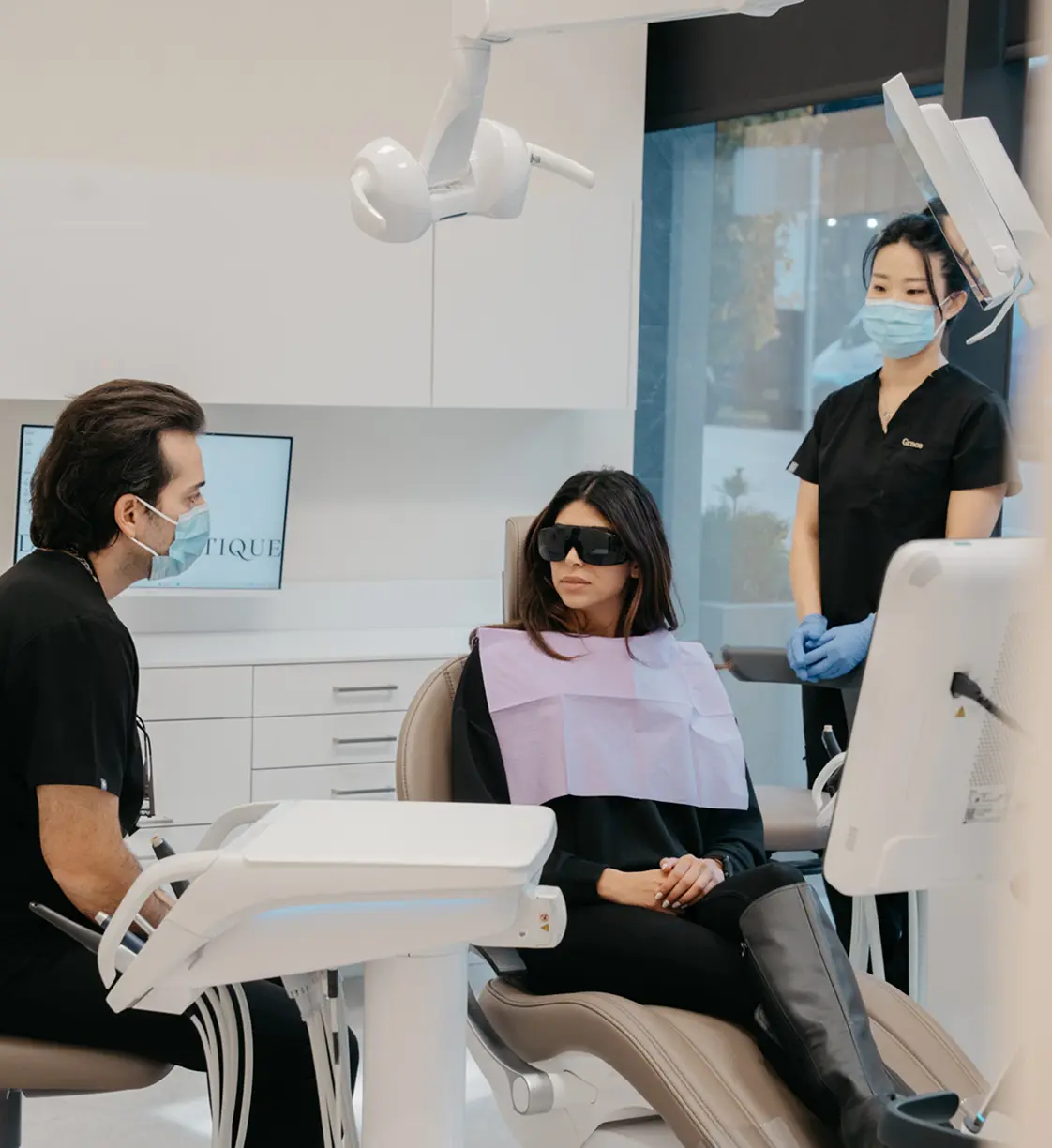

Photography Equipment for Case Documentation in Yaletown
Dental photography supports documentation, treatment planning, patient communication, and case presentations. Consistent imaging helps record clinical details, support before-and-after comparisons, and track cases over time.
At Yaletown Dental Boutique, photography is part of a structured approach to case documentation, supporting clear, consistent clinical images across treatment stages.
 Rated as “Excellent” (130 reviews)
1 min read
Dental photography is essential for accurate case documentation, patient communication, and treatment planning. This guide covers the key equipment used in modern dental photography, including DSLR cameras, macro lenses, lighting systems, retractors, mirrors, and supporting tools. These tools support clear, repeatable imaging that improves clinical documentation and communication.

Why Dental Photography Matters?
Dental photography is more than documentation; it is a key clinical and communication tool. It helps:
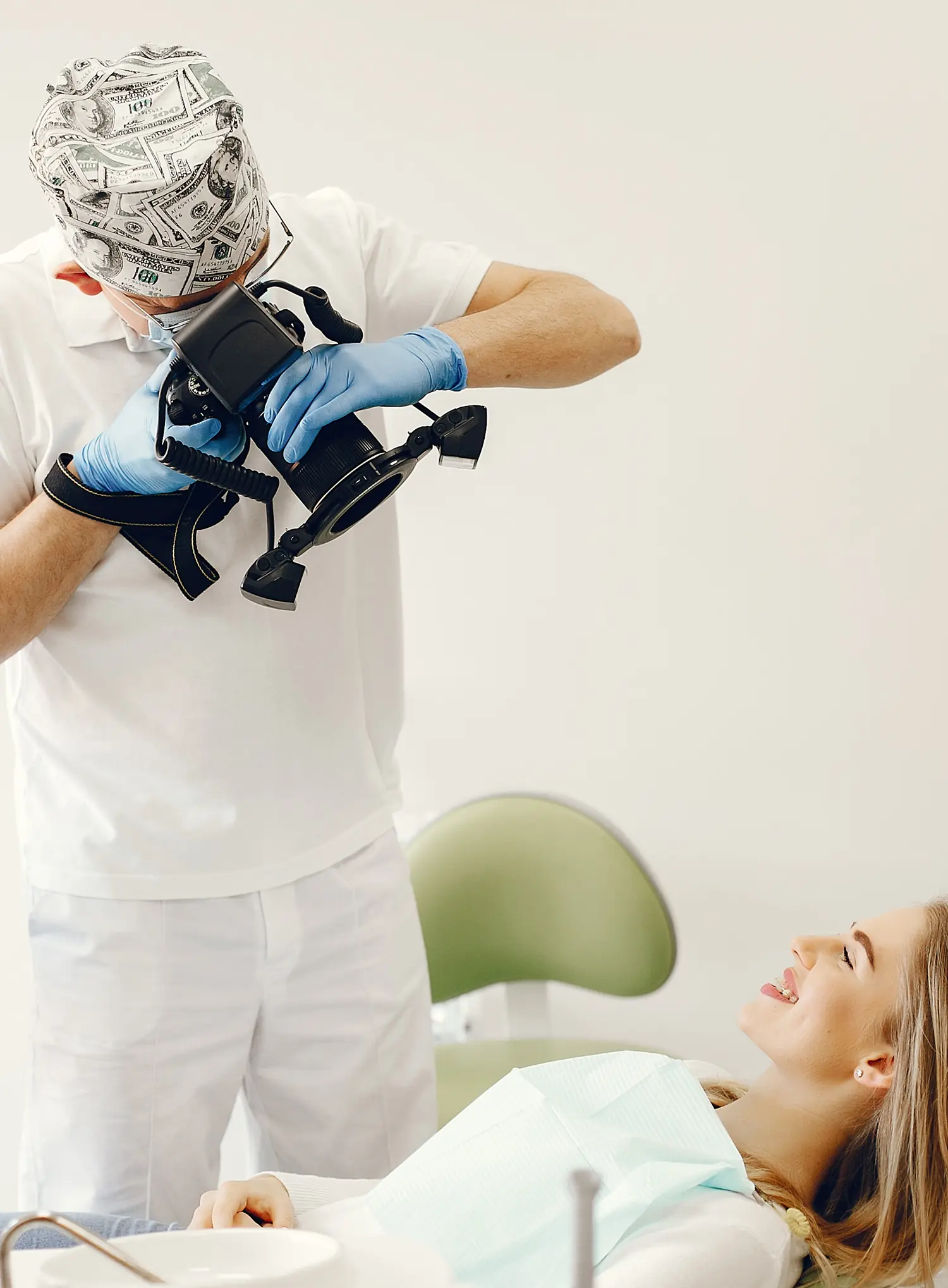
DSLR Cameras [The Heart of Dental Photography]
DSLR cameras are widely used in dental photography because they offer precision, control, and consistency needed for accurate and detailed clinical documentation.
with Dr. Hadianfar
Dr. Sasan Hadianfar, General Dentist
Lenses for Close-Up Dental Photography
Macro lenses are essential in dental photography because they allow clinicians to capture sharp, highly detailed images of teeth and soft tissue at close range without losing clarity or accuracy.
Lighting [Ring Flashes, Twin Lights, and LED Options]
Here’s a breakdown of the most common lighting options used in clinical documentation and how each one performs in practice.
Retractors [Getting the Perfect View]
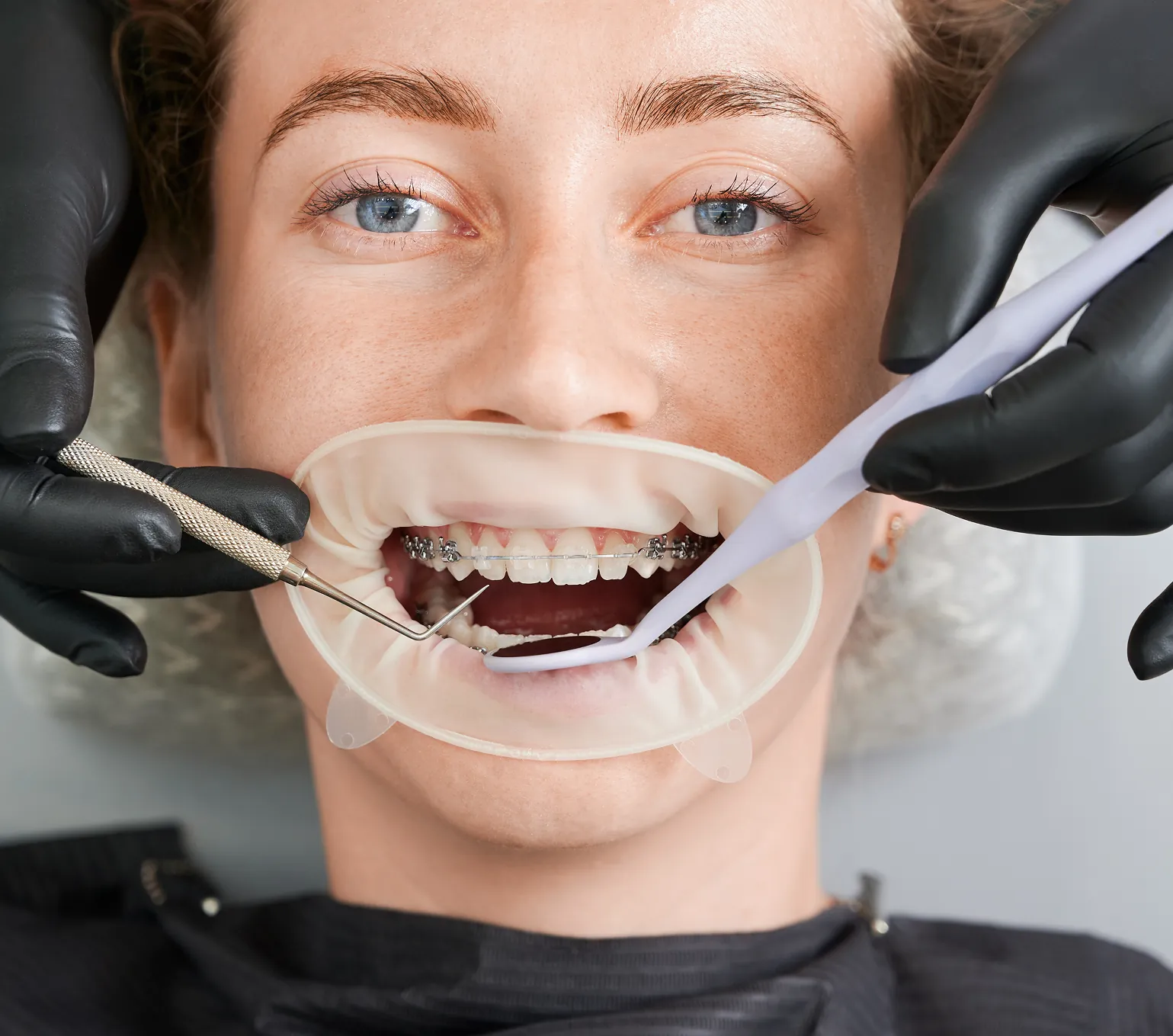
Retractors play a key role in achieving clear, unobstructed dental images by holding soft tissues away from the teeth and gums. Below, you’ll find how they work, the different types available, and tips for effective use.
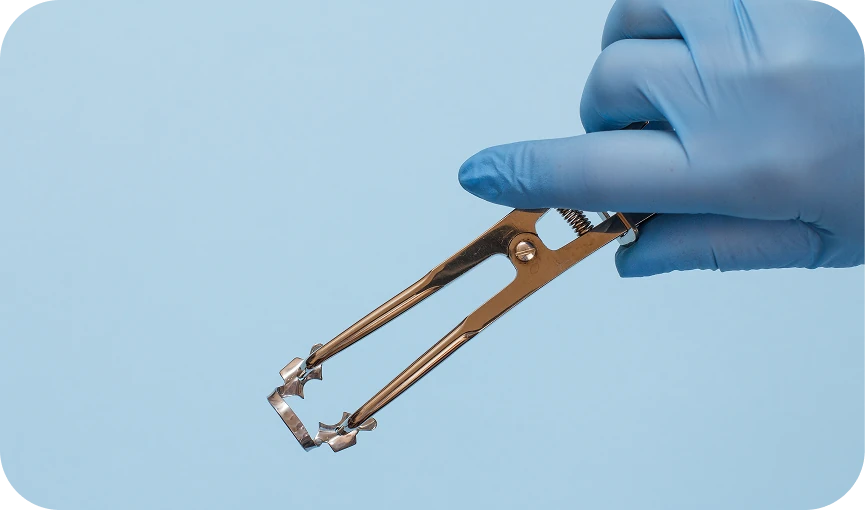
What Are Dental Retractors?
Dental retractors are instruments designed to hold soft tissues away from teeth and gums during photography. They help create a clear field of view, allowing clinicians to capture detailed, well-lit images without obstruction from lips, cheeks, or tongue.
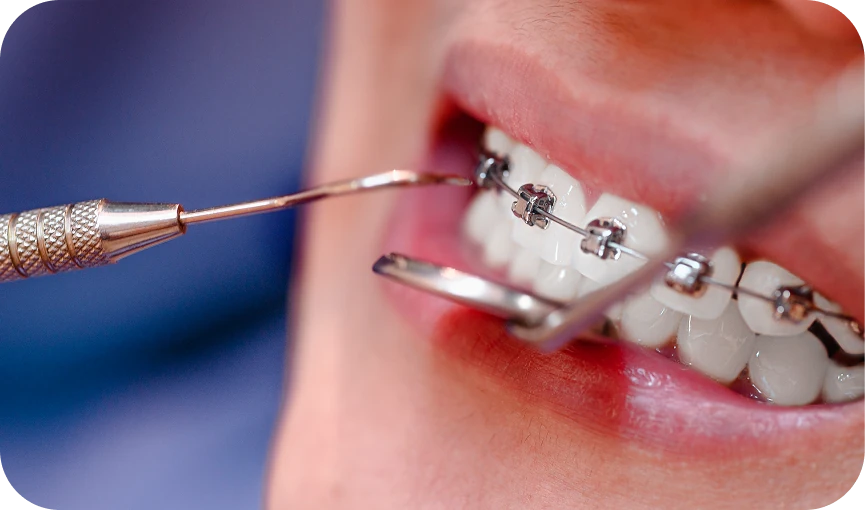
Why Retractors Are Essential?
Retractors expose key oral structures, including lips, cheeks, and tongue, ensuring full visibility of teeth and surrounding tissues. This clarity is critical for documentation, diagnosis, and producing consistent, high-quality clinical photographs for treatment planning and communication.
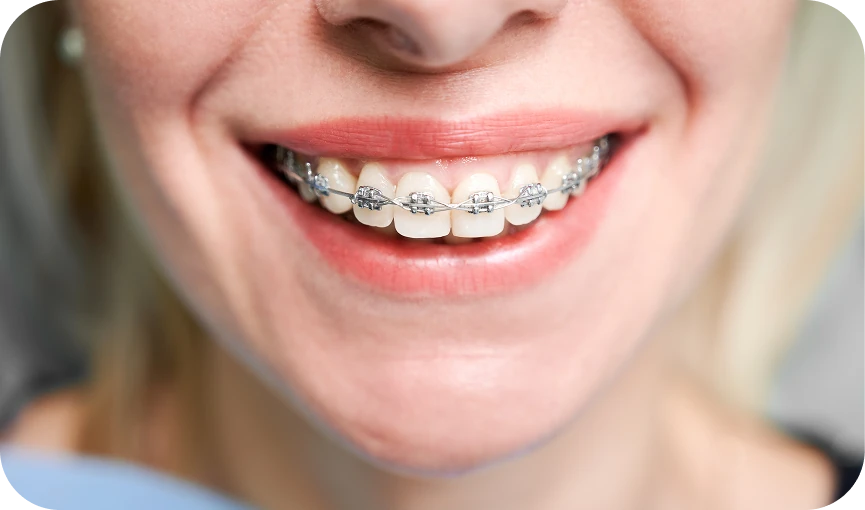
Types of Dental Retractors
Common types include cheek, lip, and combined retractors, each designed for different areas of the mouth. In practice, clinicians often use multiple sizes to balance visibility and patient comfort while maintaining consistent positioning across cases.

Tips for Effective Use
For best results, ensure patient comfort by gently positioning retractors and avoiding excessive force. Proper placement improves visibility, while consistent technique helps achieve clear, distortion-free images that enhance documentation quality and overall clinical photography outcomes.
CDCP Patients
Treatment under the Canadian Dental Care Plan is not fully covered. A co-payment will apply.

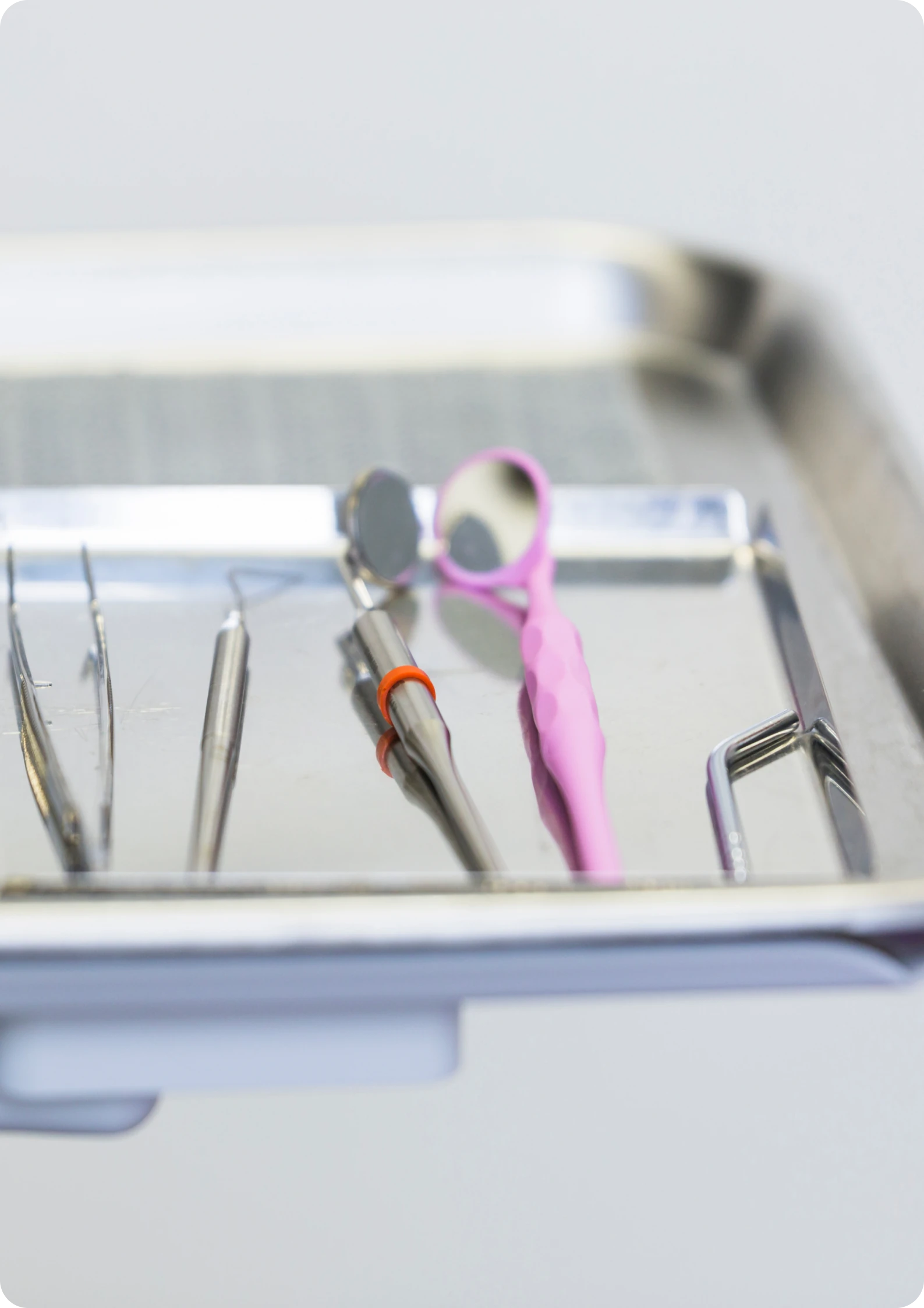
Dental Mirrors [Beyond Reflection]
Dental mirrors are indispensable in clinical photography, allowing you to capture angles and surfaces that are otherwise difficult to see directly. They play a key role in improving visibility, access, and overall image quality in dental documentation.
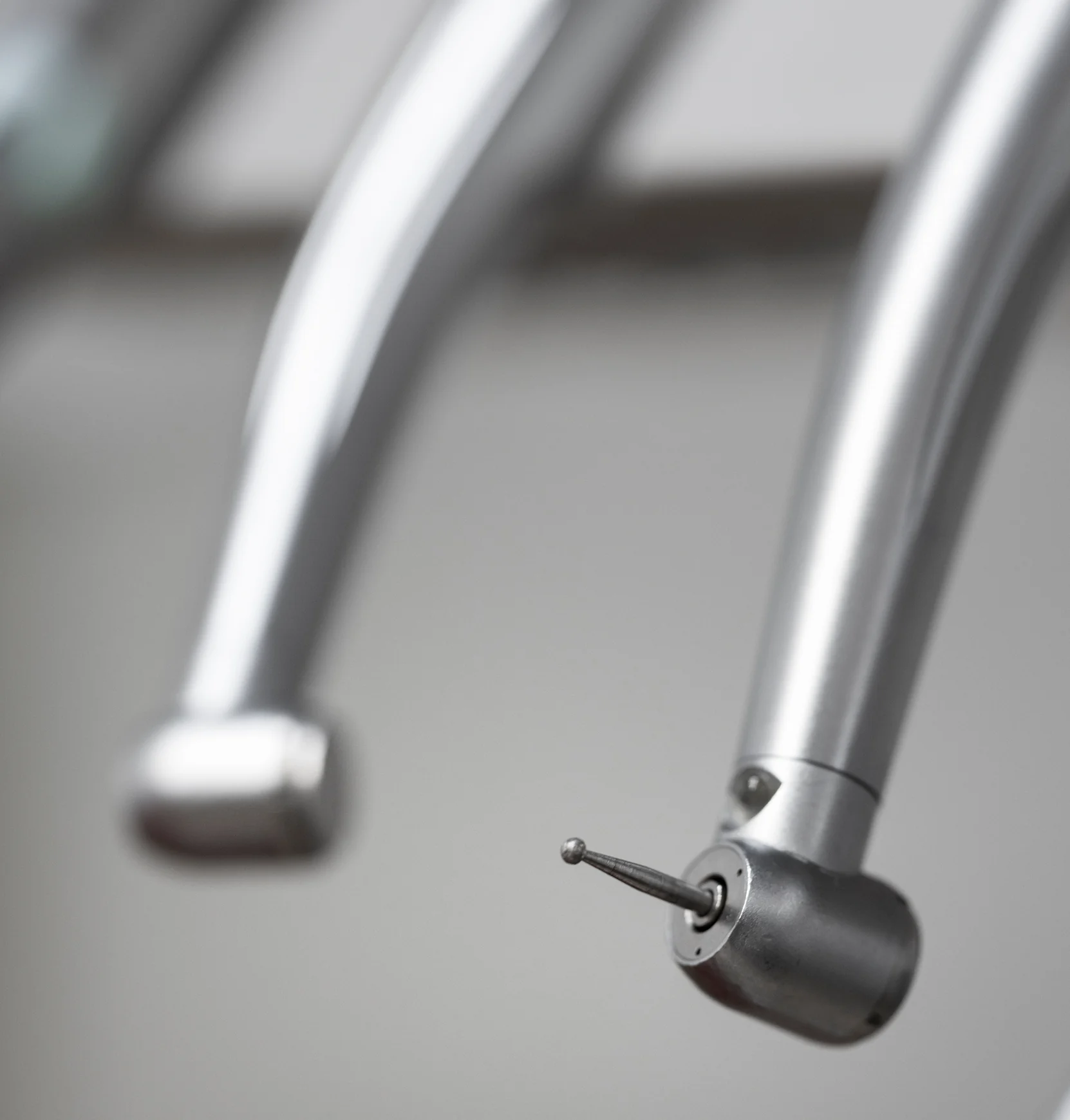
Other Essential Tools for Case Documentation
Beyond cameras and lighting, smaller accessories play a crucial role in achieving consistent, high-quality dental images. These tools improve positioning and clarity, helping produce standardized clinical photographs.
Does It Hurt or Cause Discomfort for Patients?
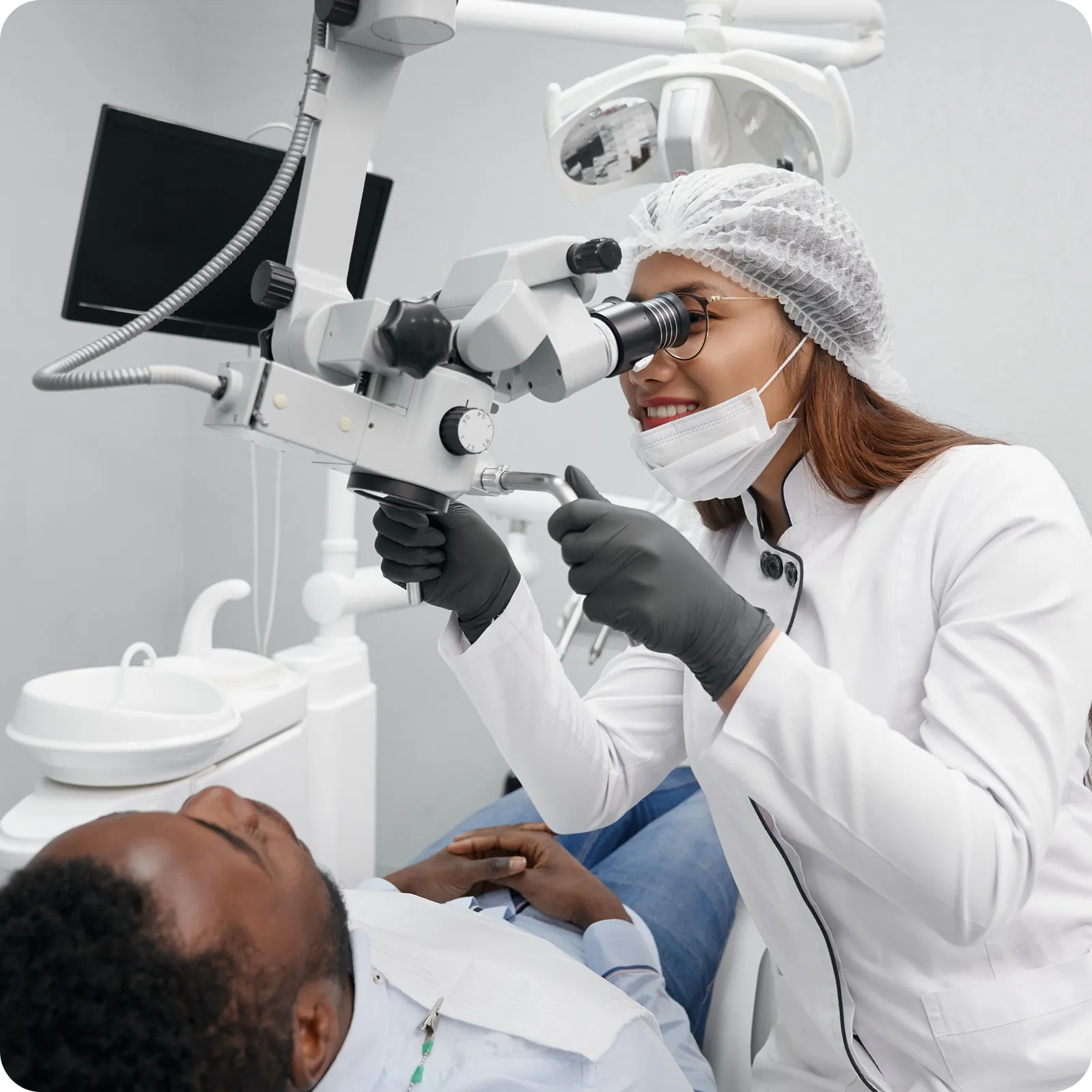
Dental photography is typically well tolerated when performed with appropriate technique and care.

Book a Consultation for an Exact Quote
Choosing the Right Equipment for Your Practice in Yaletown
For dental practices in Yaletown, investing in photography equipment should align with clinical workflow, case complexity, and documentation goals.
What Our Cosmetic Patients Are Saying?
 Hands down the best dental services in town. Highly recommend the clinic for anyone wanting to visit a dentist to learn better about maintaining oral health and getting the clean up. Had a wonderful experience with the hygienist Amir who was very patient and did a wonderful job.
- always an amazing experience!
- Amir a the rest of the team has been incredible today. Best day in the dentist ever!
- Everyone was so nice and the clinic is brand new 🙂
- Amir was great! Wonderful service!
- Everything was perfect! 🙂
- First time at this location, I loved the experience. Staff is amazing and so is the service. :))
- Very friendly and polite staff. They made Ure I was comfortable


Final Thoughts – Choosing the Best Equipment for Case Documentation
Effective dental photography comes from the right combination of equipment and consistent technique. Together, they improve image quality, clinical accuracy, and workflow efficiency.This can support clearer patient communication, more consistent case records, and better-informed treatment discussions. Investing in appropriate tools helps improve documentation quality and workflow consistency.
At Yaletown Dental Boutique, dental photography is treated as a core part of clinical workflow, with standardized equipment and techniques used to support clear communication, accurate records, and well-structured treatment planning.
Visit Us
Contact
info@yaletown.dental
205 Smithe Street
Vancouver, BC V6B 2P4
Hours
Mon–Fri: 9:00 am – 5:00 pm
Saturday: 9:00 am – 4:00 pm
Sunday: Closed

FAQs
Do I need a DSLR for dental photography?
What’s the difference between ring flash and twin flash?
Can I use an iPhone for clinical case documentation?
Is training required to use dental photography equipment?
What’s the best lens for intra-oral photos?
How do retractors improve image quality?

Request an Appointment Now!