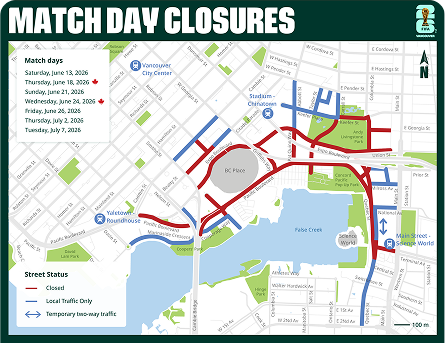
Plan Ahead
Check the Vancouver City Traffic Map for real-time closures.

Rated as “Excellent” (130 reviews)

Botox® is widely known for smoothing facial lines, but its use goes beyond appearance alone. When administered by trained healthcare professionals, Botox can be applied for therapeutic purposes to support jaw comfort and muscle function, as well as for facial aesthetics to promote a refreshed, natural look.
At Yaletown Dental Boutique, Botox treatments are delivered in a medically supervised clinical environment, with an emphasis on safety, precision, and personalized care.
Patients often seek dental Botox to address jaw tension, clenching, or TMJ-related discomfort, while facial Botox is used to soften expression lines and enhance overall facial balance.
Book a Botox consultation in Yaletown to learn how dental or facial Botox can support your goals.


Botox is a purified protein derived from the bacterium Clostridium botulinum that works by gently relaxing targeted muscles. By reducing excessive or repetitive muscle activity, Botox helps ease tension and soften movement in specific areas of the face and jaw. Its effects are temporary and controlled, allowing muscles to relax without affecting overall facial expression or function.When used appropriately, Botox supports more balanced muscle activity rather than eliminating movement entirely.
Botox is used for two distinct but related purposes. Therapeutic Botox focuses on relieving discomfort caused by overactive muscles, such as jaw clenching, facial tension, or TMJ-related symptoms.Cosmetic Botox is used to reduce the appearance of expression lines by relaxing the muscles that create them. The underlying science is the same in both cases, the difference lies in the treatment goal: improving physical comfort and function versus enhancing facial appearance.
The face and jaw contain complex, interconnected muscle systems that influence speaking, chewing, expression, and overall comfort. Precise placement and a thorough understanding of facial anatomy are essential to achieving balanced, natural results.Dentist-led Botox care is grounded in advanced knowledge of the oral–facial region, ensuring treatments are planned with both function and aesthetics in mind, and delivered with a high standard of clinical oversight.

Dental Botox is used to address muscle overuse in the jaw and surrounding facial areas. Repeated clenching or constant tension can place stress on the muscles responsible for chewing and jaw movement, leading to ongoing discomfort. By gently relaxing these overactive muscles, dental Botox helps restore balance, allowing the jaw to function more comfortably during everyday activities such as speaking, eating, and sleeping.

Dental Botox is commonly considered by patients experiencing persistent muscle-related symptoms, including:
While outcomes vary from person to person, dental Botox is often used as part of a broader approach to managing these concerns.

Excessive jaw muscle activity can place ongoing strain on the teeth, jaw joints, and surrounding structures. By reducing this strain, dental Botox may help protect dental work, support joint comfort, and reduce wear caused by chronic clenching or grinding.
It is often used alongside other therapies, such as bite appliances or lifestyle guidance, as part of a comprehensive care plan.
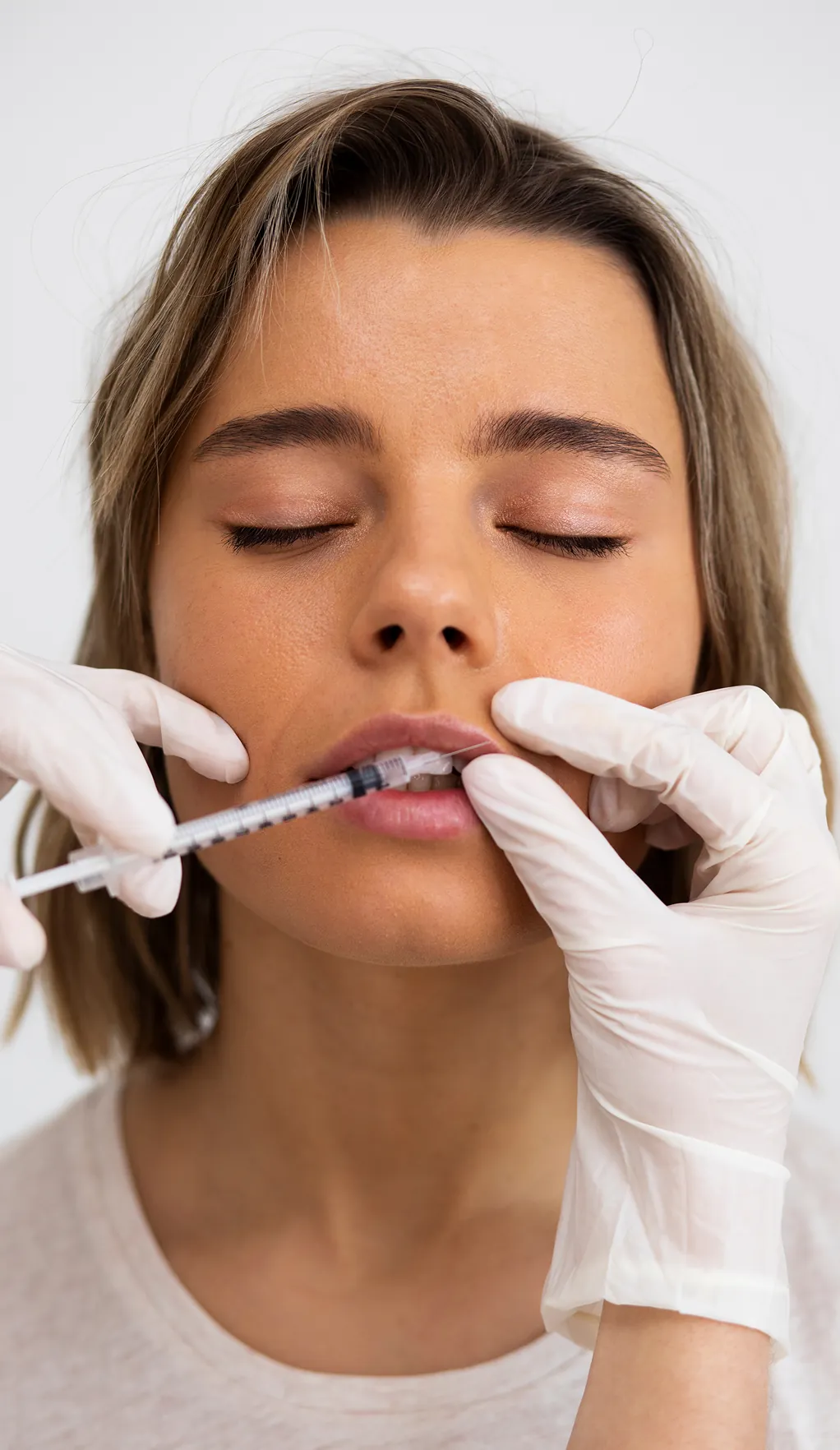

Cosmetic Botox works by relaxing the facial muscles that repeatedly contract during everyday expressions. The goal is not to “freeze” the face, but to soften the appearance of lines while preserving natural movement.
When thoughtfully applied, Botox can create a rested, refreshed look that still feels like you.



A conservative, personalized approach is central to achieving natural-looking results. Each treatment plan is tailored to facial anatomy, muscle activity, and desired outcomes, with careful attention to balance and symmetry.
This ensures enhancements feel subtle and aligned with your natural expressions, not overdone.
| Comparison | Dental Botox | Facial Botox |
|---|---|---|
| Treatment Goals | Improve physical comfort and function; reduce jaw pain, clenching, TMJ discomfort | Aesthetic enhancement; soften expression lines for refreshed appearance |
| Muscle Groups | Functional muscles involved in chewing, jaw movement, and facial tension | Expression muscles that create lines through repeated movement (frowning, squinting) |
| Injection Approach | Targets functional muscles with precise anatomical knowledge for jaw activities | Focuses on expression muscles; placement varies for balance and natural results |
| Typical Patients | Jaw discomfort, clenching/grinding, tension headaches, TMJ symptoms | Soften fine lines, reduce facial tension, maintain well-rested appearance |
Some patients explore both as part of a broader approach to comfort and confidence, guided by professional assessment.

By calming overactive muscles, Botox can help reduce ongoing tension in the jaw and face. This decrease in muscle strain supports more balanced movement and can ease the physical stress caused by clenching, grinding, or repeated facial expressions throughout the day.

When muscle tension is reduced, many patients report greater day-to-day comfort. Less jaw tightness and facial strain may contribute to improved sleep quality and fewer tension-related distractions.

In addition to functional benefits, Botox can soften expression lines and reduce signs of facial tension, creating a more relaxed, refreshed look. Feeling comfortable in your body and confident in your appearance often go hand in hand, supporting a positive quality of life both personally and professionally.


Your visit begins with a one-on-one consultation focused on your goals, concerns, and medical history. This conversation helps clarify whether dental or facial Botox is appropriate and ensures the treatment plan aligns with your comfort, expectations, and overall oral health.

A dentist-led evaluation follows, with careful assessment of facial anatomy, muscle activity, and areas of concern. Based on this evaluation, a personalized treatment plan is created to support function, aesthetics, and safety, using a conservative, clinically guided approach.
Botox treatments are performed in a calm, professional clinical environment. The process is typically efficient, with an emphasis on patient comfort and precision. Care is taken to ensure the experience feels controlled and supportive.
After treatment, you’ll receive clear aftercare guidance and ongoing support. Follow-up appointments may be recommended to monitor results, address questions, and ensure the treatment continues to meet your needs over time.

Botox relies on precise placement and a thorough understanding of how facial and jaw muscles function together. Advanced provider training helps ensure treatments are both safe and effective.
Key reasons professional training is essential include:
Dentist-led Botox care is grounded in medical expertise, with treatments guided by function, safety, and long-term outcomes rather than aesthetic trends alone.
All Botox treatments are performed in a regulated, hygienic clinical setting designed to prioritize patient safety and comfort.
A boutique-style environment allows for focused, one-on-one care, with strict protocols in place to support consistency, cleanliness, and professional oversight throughout the treatment process.
Botox offers a flexible approach to care. Its effects are temporary, allowing treatments to be adjusted over time based on individual response and preferences.
Because results gradually wear off, Botox provides an opportunity to refine or discontinue treatment without permanent changes, making it a low-commitment option for many patients.

Botox pricing varies from person to person based on how the treatment is planned and delivered. Costs are influenced by several key factors, including:

Dental Botox and facial Botox may differ in cost due to their medical versus cosmetic intent and the muscle groups involved.
Dental Botox is often part of a broader care plan addressing jaw function and muscle strain, while facial Botox focuses on aesthetic outcomes. Your provider will explain how these differences affect treatment planning and pricing during your appointment.

Coverage for Botox varies by provider and plan. Some dental Botox treatments may be eligible for insurance or benefits coverage, depending on the reason for treatment and individual plan details. Cosmetic Botox is typically not covered.
We work with a wide range of insurance providers, including Pacific Blue Cross, Sun Life, Manulife, Green Shield, Canada Life, ClaimSecure, GroupSource, Empire Life, and RBC Insurance, among others. We accept most plans and direct bill whenever your provider allows, noting that some plans require patient submission.
Payment plans are customized based on the treatment and the patient’s financial needs. Coverage eligibility, billing options, and payment arrangements are reviewed during your consultation to ensure clarity before treatment begins.
Treatment under the Canadian Dental Care Plan is not fully covered. A co-payment will apply.


Botox results are temporary and develop gradually after treatment. Most patients notice benefits lasting several months before muscle activity slowly returns. The timing can vary based on the type of treatment and the muscles involved, which is why follow-up guidance is part of the care process.
Ongoing care is tailored to each patient rather than scheduled on a fixed timeline. Some individuals prefer regular maintenance, while others choose treatment only when symptoms or aesthetic concerns return.
Personalized planning ensures Botox continues to support comfort, function, and appearance without over-treatment.
How long Botox results last varies from person to person. Several factors influence the duration of results, including:
Consistency of care: Patients who follow a personalized maintenance approach may notice more stable results over time.


Dental Botox may be appropriate for adults who experience ongoing jaw tension, clenching, or grinding that places strain on the teeth and jaw muscles.
It is often considered by patients with TMJ-related discomfort or tension headaches linked to muscle overactivity. Candidates typically seek improved comfort and function and are open to using Botox as part of a broader dental care plan.
Cosmetic Botox is commonly chosen by individuals looking to soften expression lines or reduce visible facial tension while maintaining natural movement. Ideal candidates value subtle, conservative enhancement and prefer a personalized approach rather than dramatic changes. Many patients also view cosmetic Botox as part of an ongoing self-care or wellness routine.
Botox may not be suitable for everyone. Certain medical conditions, pregnancy, or specific neuromuscular concerns may require alternative approaches. Botox may also be deferred if expectations are not aligned with what the treatment can realistically achieve.
Here’s how Botox fits into the pace and demands of life in Yaletown. Daily stress, professional expectations, and preventive care all influence how and why patients explore Botox treatments.
Life in Yaletown and downtown Vancouver often involves long workdays, screen time, and high mental load. These patterns can contribute to unconscious jaw clenching, muscle tension, and facial strain.
Over time, this repeated muscle overuse may lead to discomfort, headaches, or TMJ-related symptoms.
For individuals working in client-facing or professional environments, facial Botox is often used to support a rested, composed appearance. Subtle treatment can soften signs of facial tension while preserving natural expression, helping patients look refreshed without appearing overtreated or artificial.
Botox is most effective when used as part of a broader preventive approach rather than a standalone solution. For dental patients, this may include routine care, lifestyle guidance, and ongoing monitoring of jaw health.

Botox treatments at Yaletown Dental Boutique are provided by certified professionals with advanced training in facial and oral anatomy. This clinical background supports precise placement, thoughtful treatment planning, and a strong focus on safety and balanced outcomes.
As a dental clinic offering both therapeutic and facial Botox, care is guided by a comprehensive understanding of how jaw function, muscle activity, and facial aesthetics work together. This integrated approach allows treatments to support comfort and appearance within one coordinated care plan.
Yaletown Dental Boutique offers a boutique clinical setting designed to feel calm, private, and unrushed. Appointments are patient-focused, with time dedicated to consultation, education, and personalized care rather than high-volume treatment.
Conveniently located in the heart of Yaletown, the clinic is easily accessible for patients living and working in downtown Vancouver. The central location makes it simple to fit consultations and treatments into a busy urban schedule.
Choosing Botox is a personal decision that should be guided by clear information, professional insight, and your individual goals.
Dental and facial Botox each serve different purposes, and the right approach depends on comfort, function, and aesthetic preferences, not trends or pressure. With proper training, clinical oversight, and personalized planning, Botox can be a safe and supportive part of your overall care.
A consultation provides the opportunity to ask questions, explore options, and determine what makes sense for you in a calm, no-pressure setting.
If you’re looking for Botox near you in Yaletown, our certified team offers personalized care under one roof.
Call +1 (604) 900-8005 or book online to reserve your appointment.
Dental Botox is focused on function and comfort. Any changes to appearance are typically subtle and discussed in advance during your consultation.
Many patients begin to notice changes within several days, with results continuing to develop over the following weeks.
Most patients describe the experience as brief and manageable. Comfort is prioritized throughout the treatment process.
Botox is generally a low-disruption treatment. Most patients return to normal activities shortly after their appointment.
A consultation allows your provider to assess your goals, symptoms, and anatomy to recommend the most appropriate approach.
Treatment under the Canadian Dental Care Plan is not fully covered. A co-payment will apply.
Read More about CDCP