
Plan Ahead
Check the Vancouver City Traffic Map for real-time closures.
Services

Severe tooth pain or swelling doesn’t always mean you need an extraction. In many cases, a root canal can save your tooth and restore your comfort—without the stress you might expect.
At Yaletown Dental Boutique, we provide expert root canal therapy designed to remove infection, relieve pain, and preserve your natural tooth structure. From digital diagnostics to final restoration, every step is done with care and precision.
We’re located steps from David Lam Park and Downtown Vancouver, welcoming patients who want high-quality, gentle endodontic care from a team they trust.
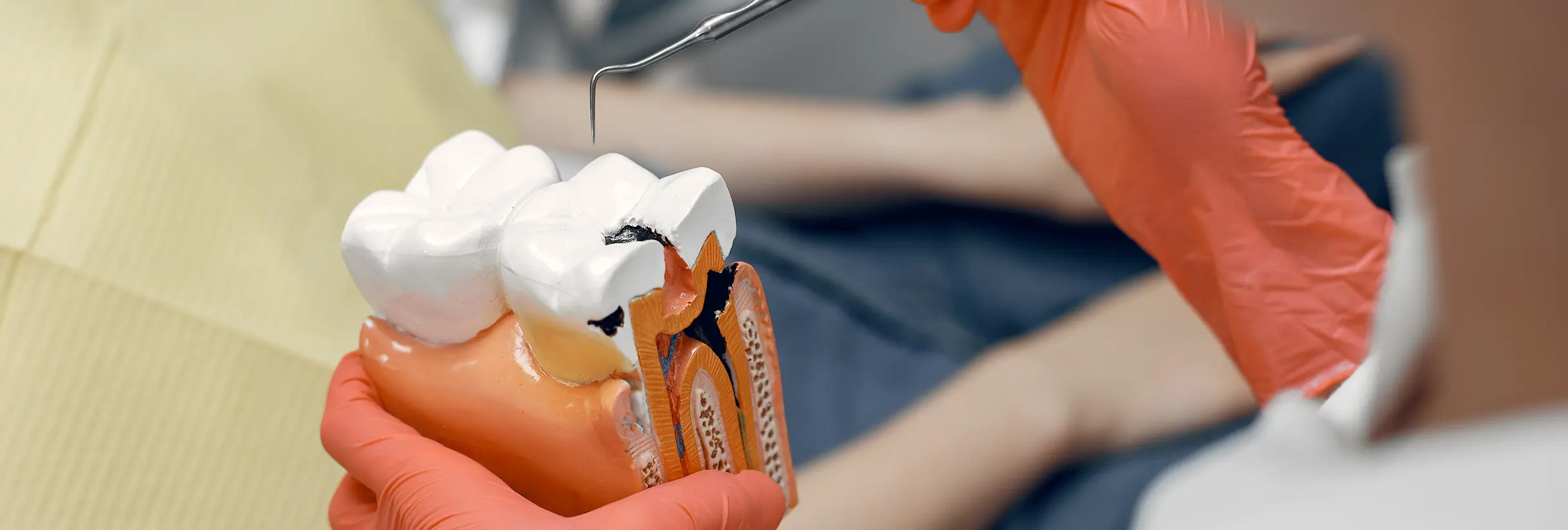
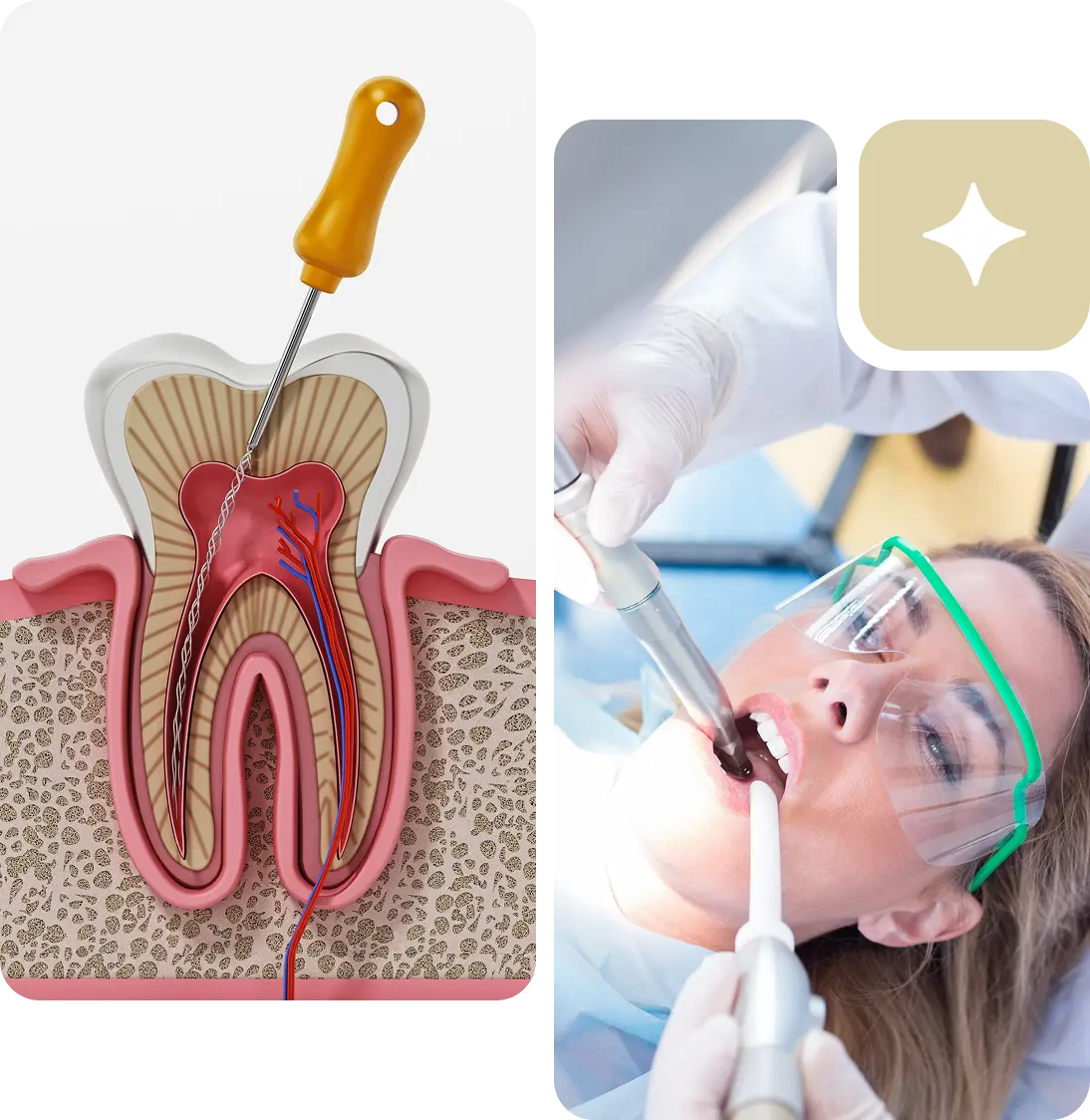
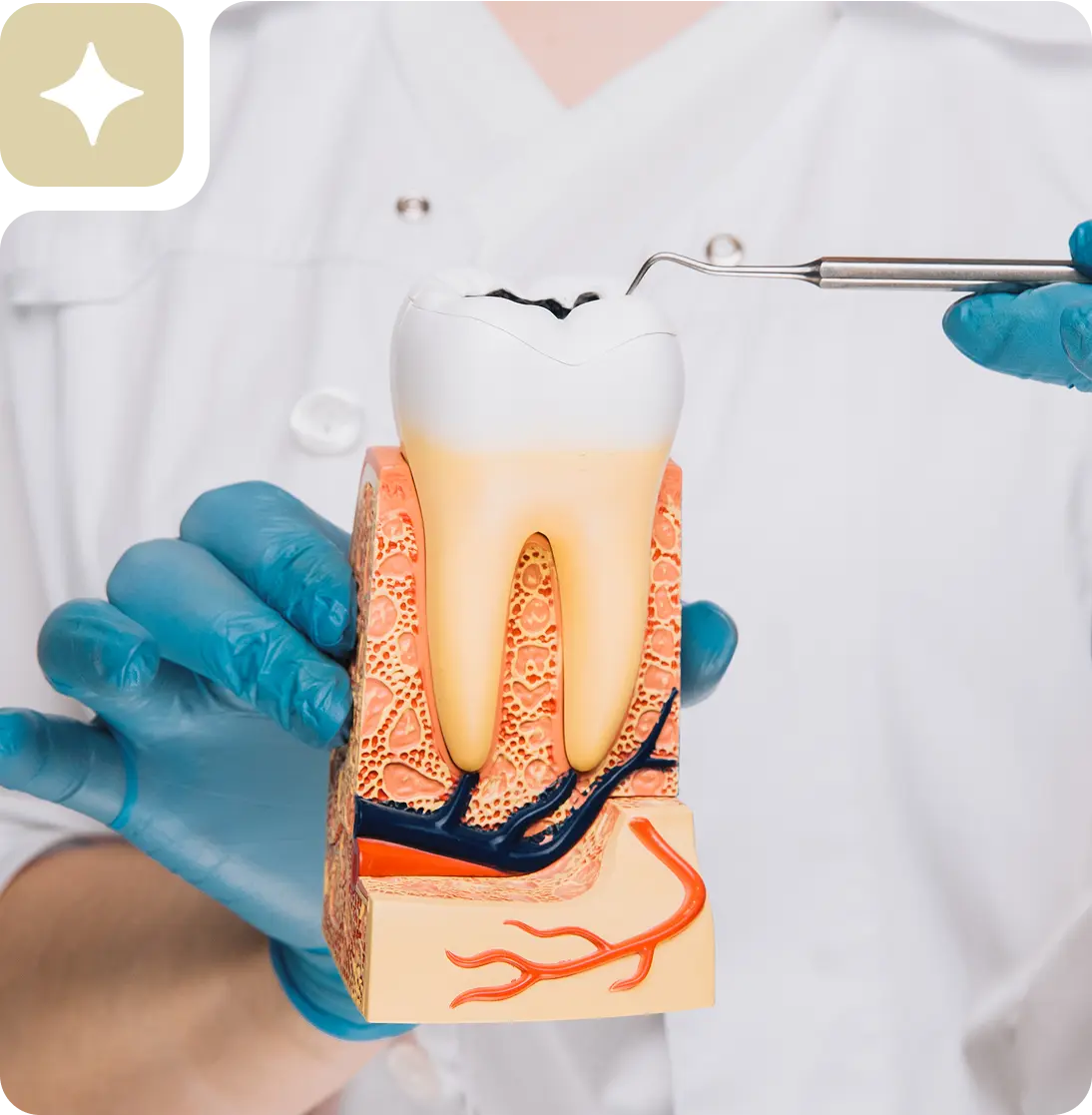
Root canal therapy is a restorative dental procedure that removes infected or inflamed pulp from inside your tooth. This treatment eliminates pain at its source and helps preserve the tooth’s structure instead of removing it.
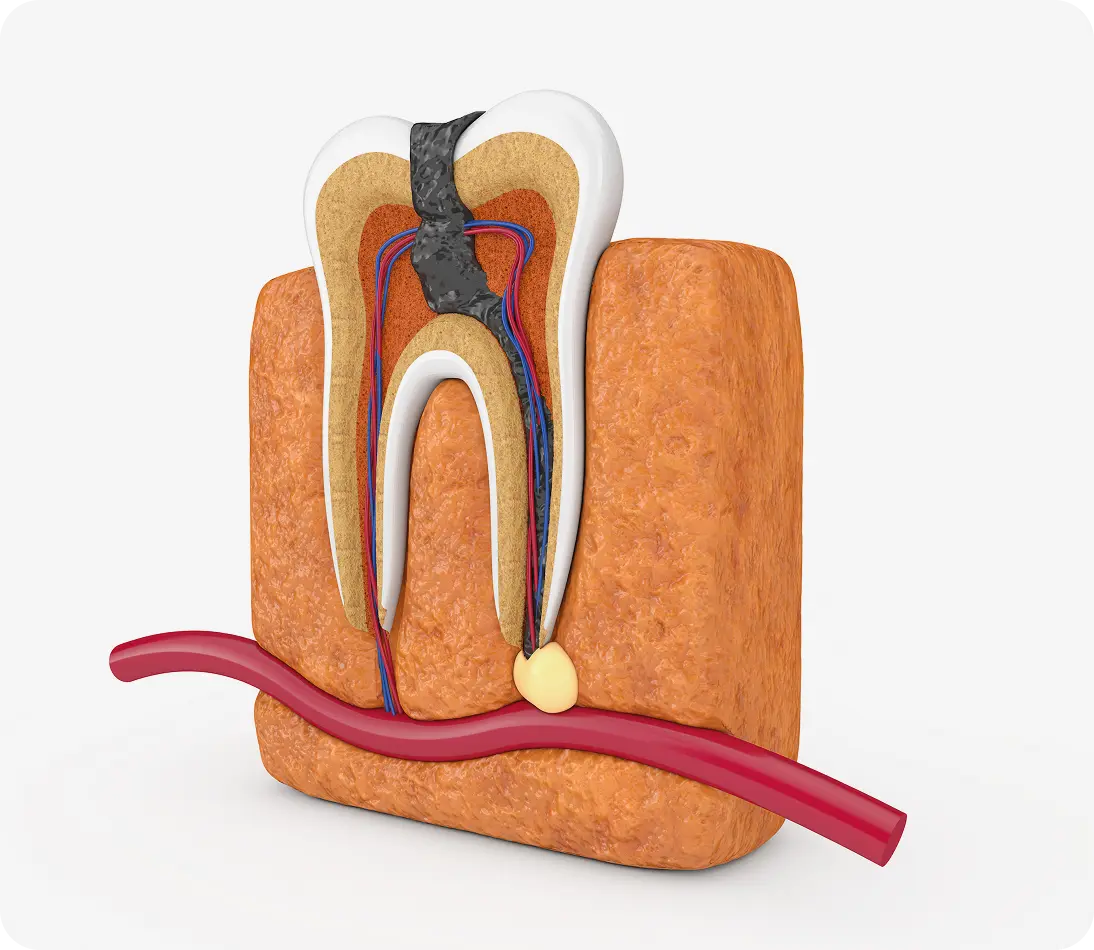
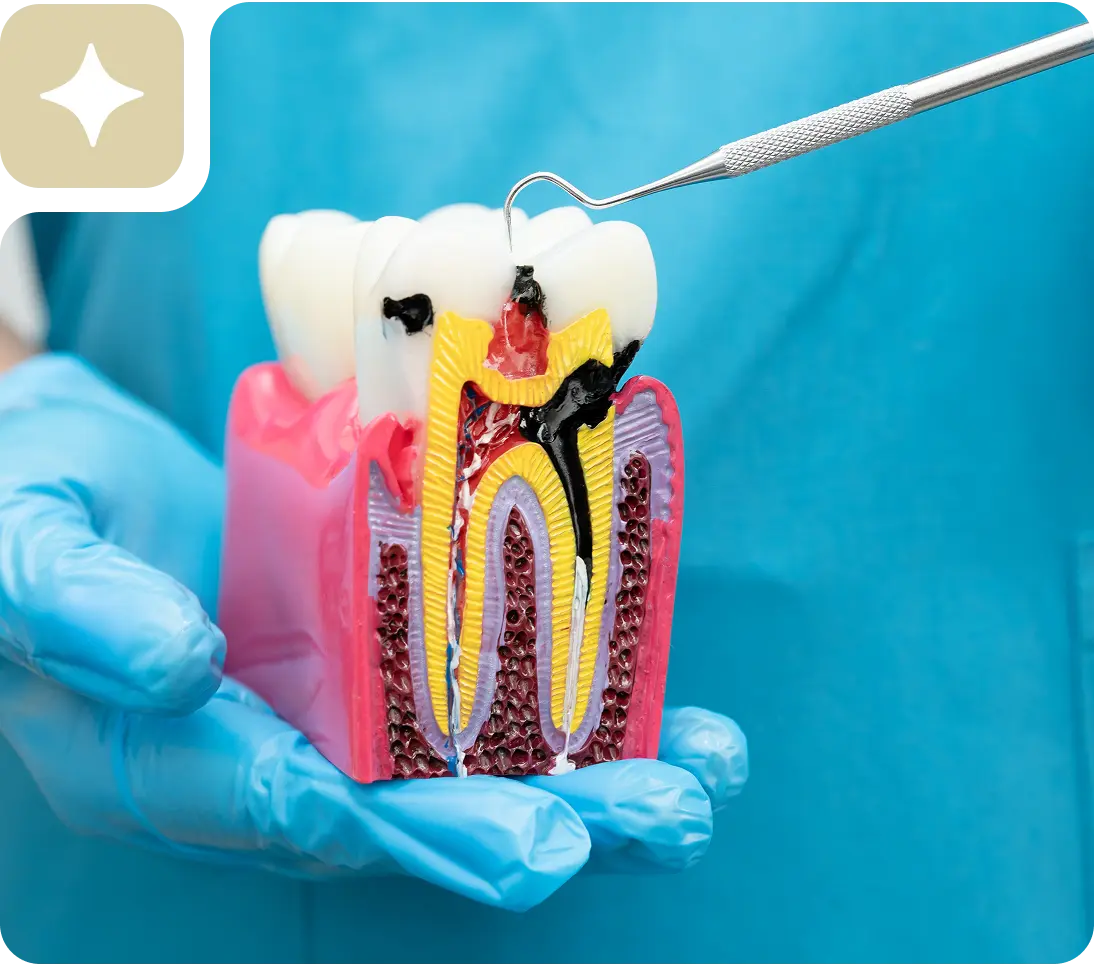
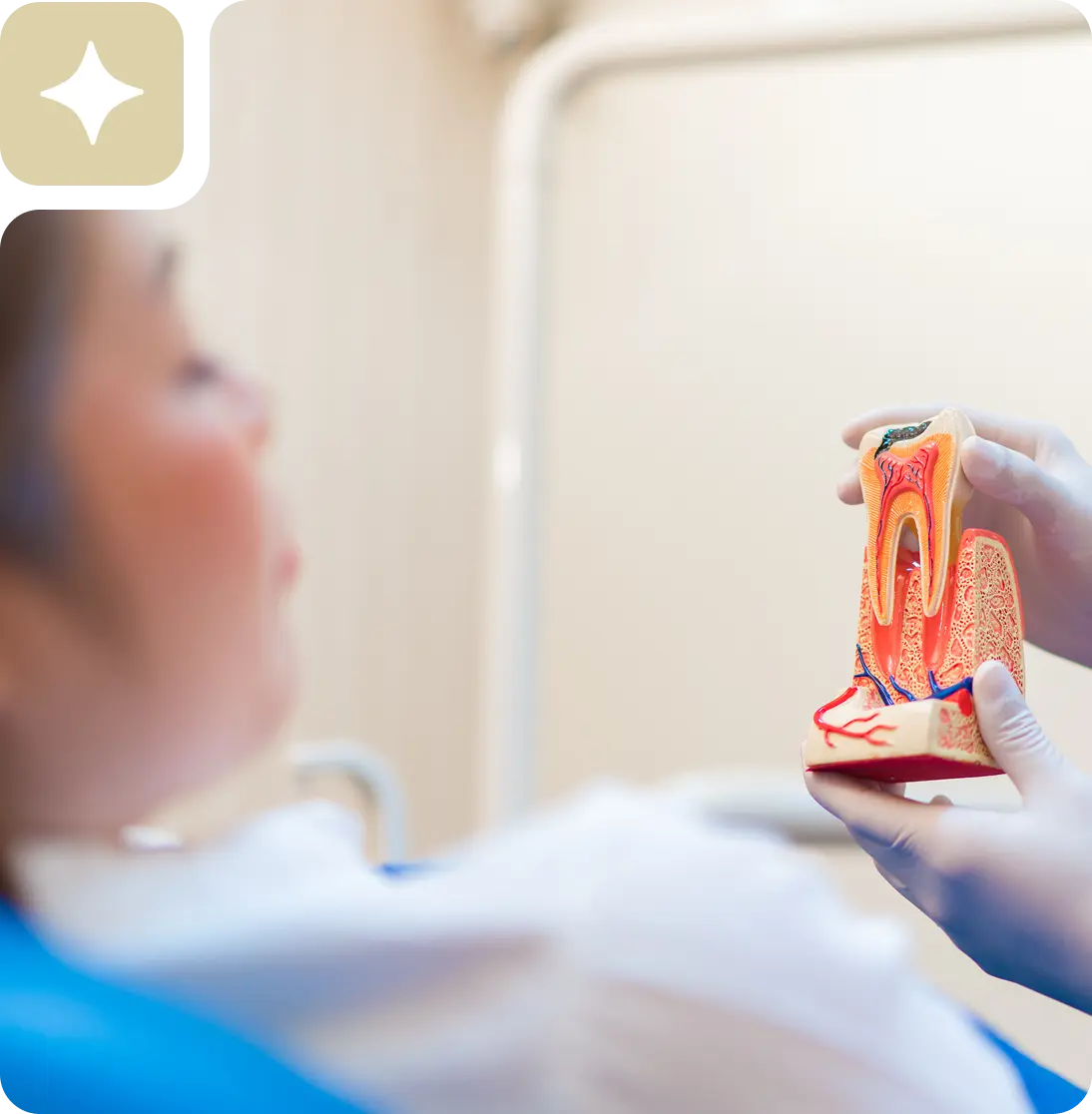
Inside each tooth is a soft core of nerves and blood vessels (the pulp). When this pulp becomes infected—due to deep decay, trauma, or cracks—it can lead to severe pain, swelling, or abscess. Root canal therapy carefully cleans out the infection and seals the space to prevent reinfection.
The goal is simple: keep your natural tooth functioning for years to come while avoiding extraction, implants, or shifting bite alignment.
At Yaletown Dental Boutique, we use advanced imaging and rotary tools to perform this procedure with accuracy, comfort, and minimal downtime. It’s one of the most effective ways to relieve tooth pain and restore oral health—especially when done early.

Not every toothache needs a root canal—but certain symptoms point to deeper problems that won’t resolve on their own.
Here are common signs you should contact your dentist:
Persistent or throbbing pain especially when chewing or applying pressure
Sensitivity to hot or cold that lingers after the stimulus is gone
Darkening or discolouration often limited to a single tooth
Swelling or tenderness in the gums near the affected tooth
A small bump on the gums that looks like a pimple and may release pus
Bad taste or odour sometimes caused by a draining infection
These symptoms suggest that the pulp inside your tooth is inflamed or infected. Early treatment can save the tooth and avoid more serious complications like abscesses, bone loss, or spread of infection.
If you’re experiencing any of the above, a professional assessment is the safest next step.
When a tooth is severely infected or damaged, there are typically two options: save it with root canal therapy or remove it through extraction. Each approach has pros and cons—what’s best depends on your unique case.
Root canal therapy cleans and preserves your natural tooth. This helps maintain jawbone health, supports your bite, and prevents surrounding teeth from shifting out of place. Keeping your natural tooth also means no need for replacements like implants or bridges.
If the tooth is fractured below the gumline, the root is severely compromised, or decay has destroyed too much structure to restore safely, extraction may be the more viable path. Some patients also opt for extraction due to budget or personal preference—but should be aware that tooth replacement (e.g. implants or bridges) is typically required after removal.
At Yaletown Dental Boutique, we prioritize conservative care. If your tooth can be saved, we’ll explain how. If not, we’ll help you explore all available alternatives.

Understanding the process can ease anxiety and build trust in your treatment. At Yaletown Dental Boutique, every step of your root canal is performed with precision, comfort, and modern techniques.
This streamlined process typically takes just one visit, especially with modern imaging and technology available at our downtown Vancouver clinic.
Digital Imaging and Diagnosis
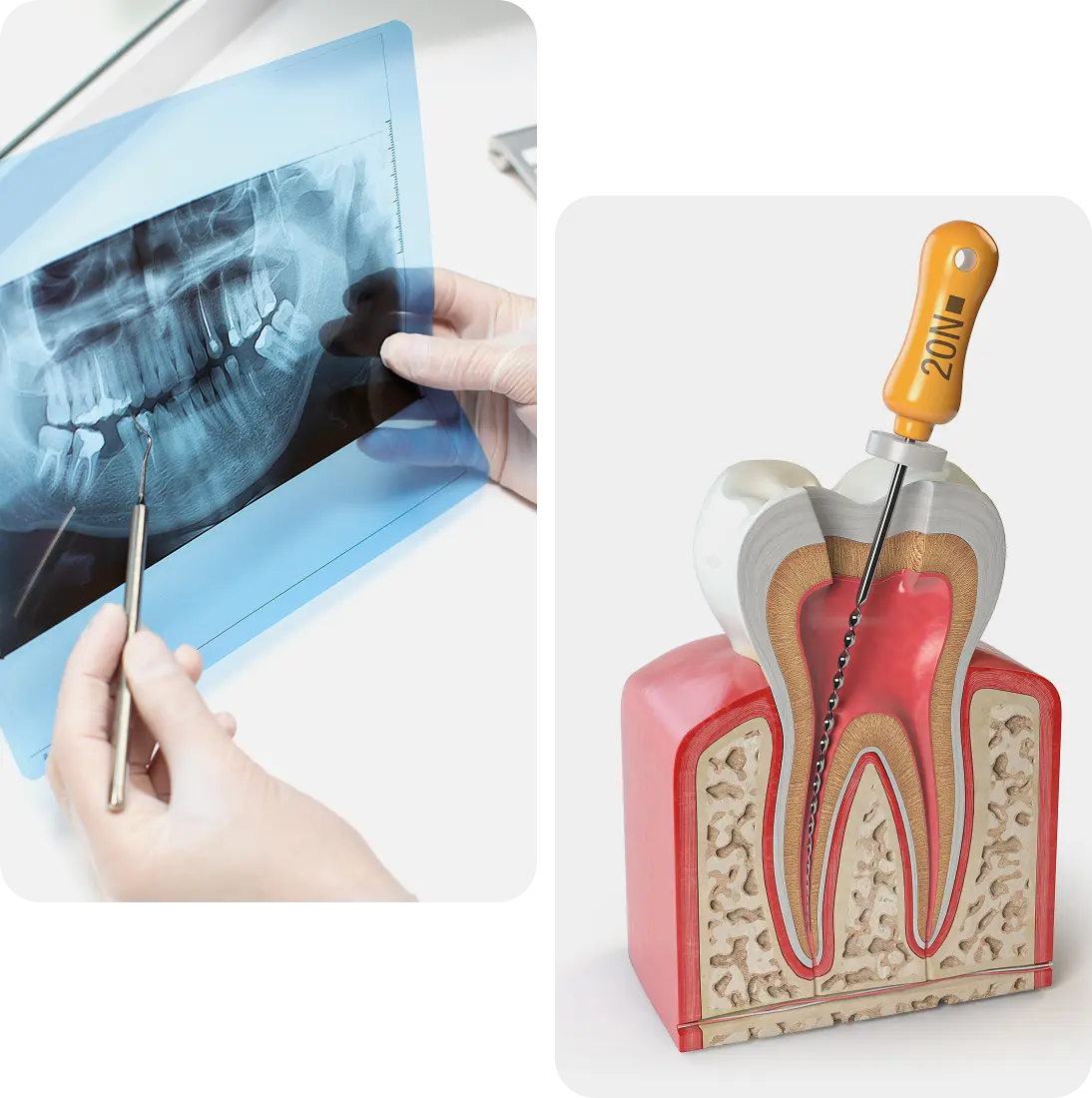
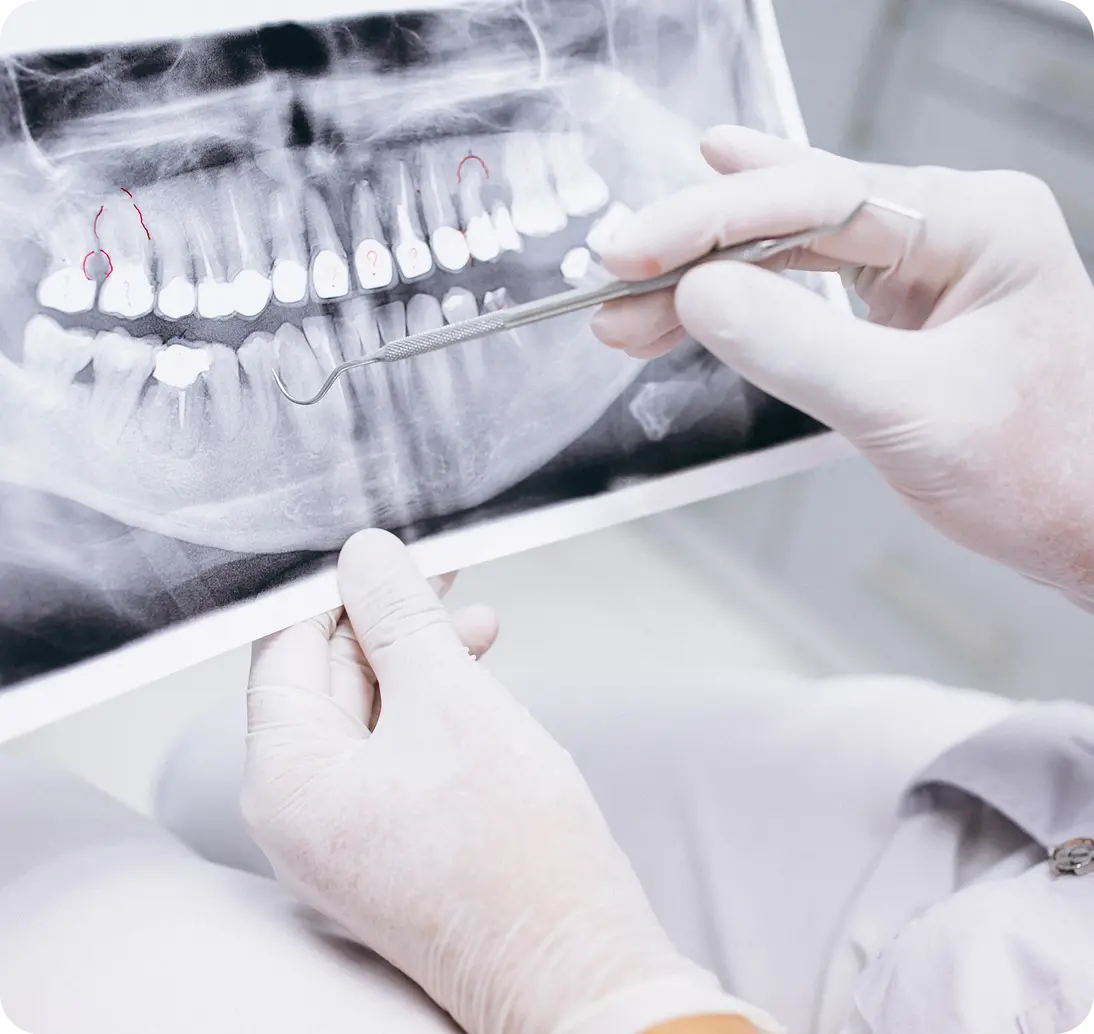
We begin with a thorough examination and digital X-rays to assess the extent of the infection and confirm the need for a root canal. This lets us map the shape of your root canals and plan the treatment accurately.
Local Anaesthesia
To ensure a completely painless experience, we numb the area using modern, targeted anaesthesia. Even if the tooth is already sensitive or inflamed, our approach keeps you comfortable from start to finish.
Access and Cleaning
A small opening is made in the top of the tooth to access the infected pulp. We carefully remove this tissue and disinfect the inside of the tooth using advanced rotary tools. This eliminates bacteria and reduces the risk of future issues.
Sealing the Root Canals
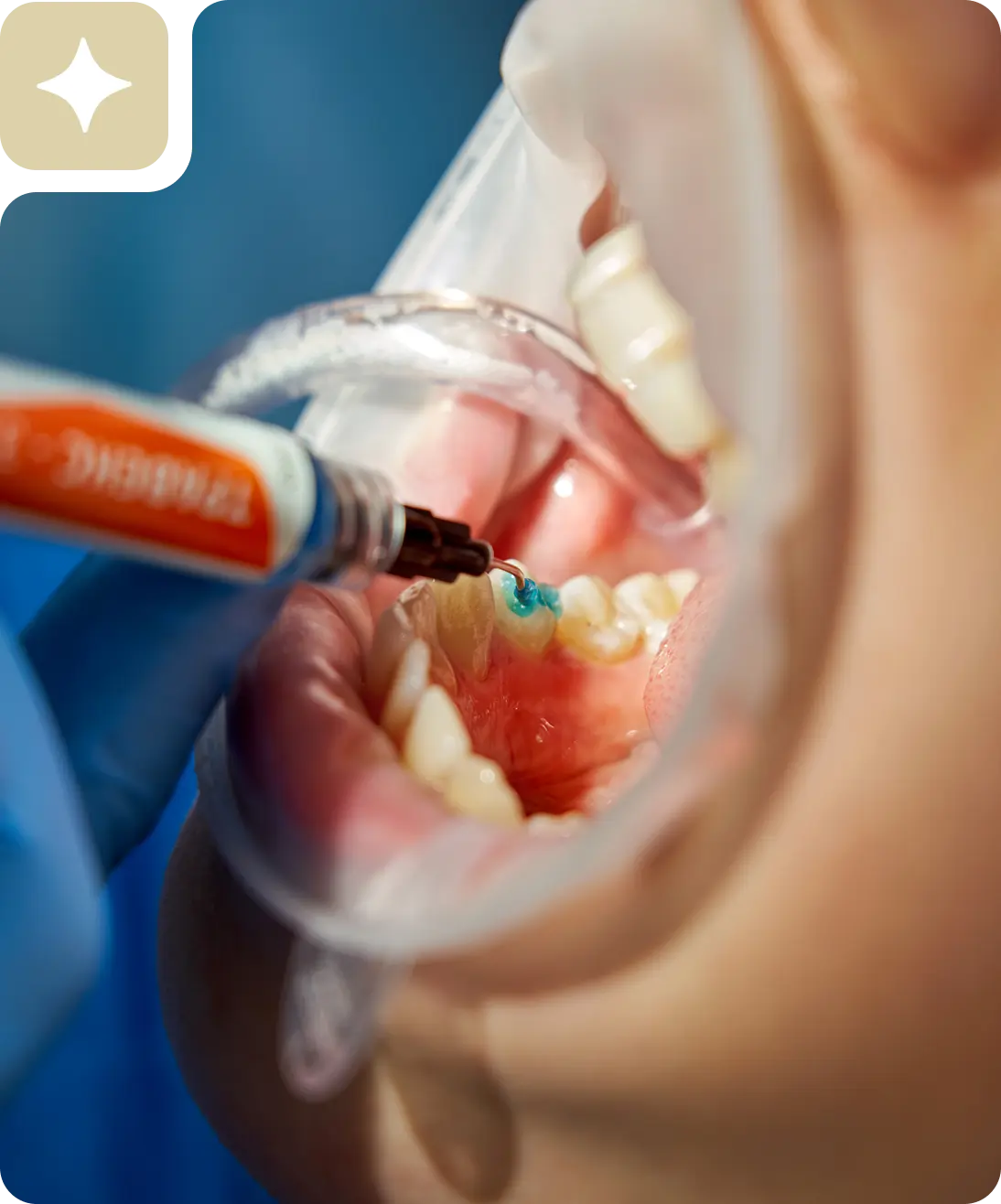
Once clean, the canals are filled with a biocompatible material (usually gutta-percha) to seal the space. This step prevents reinfection and reinforces internal strength.
Temporary or Permanent Restoration
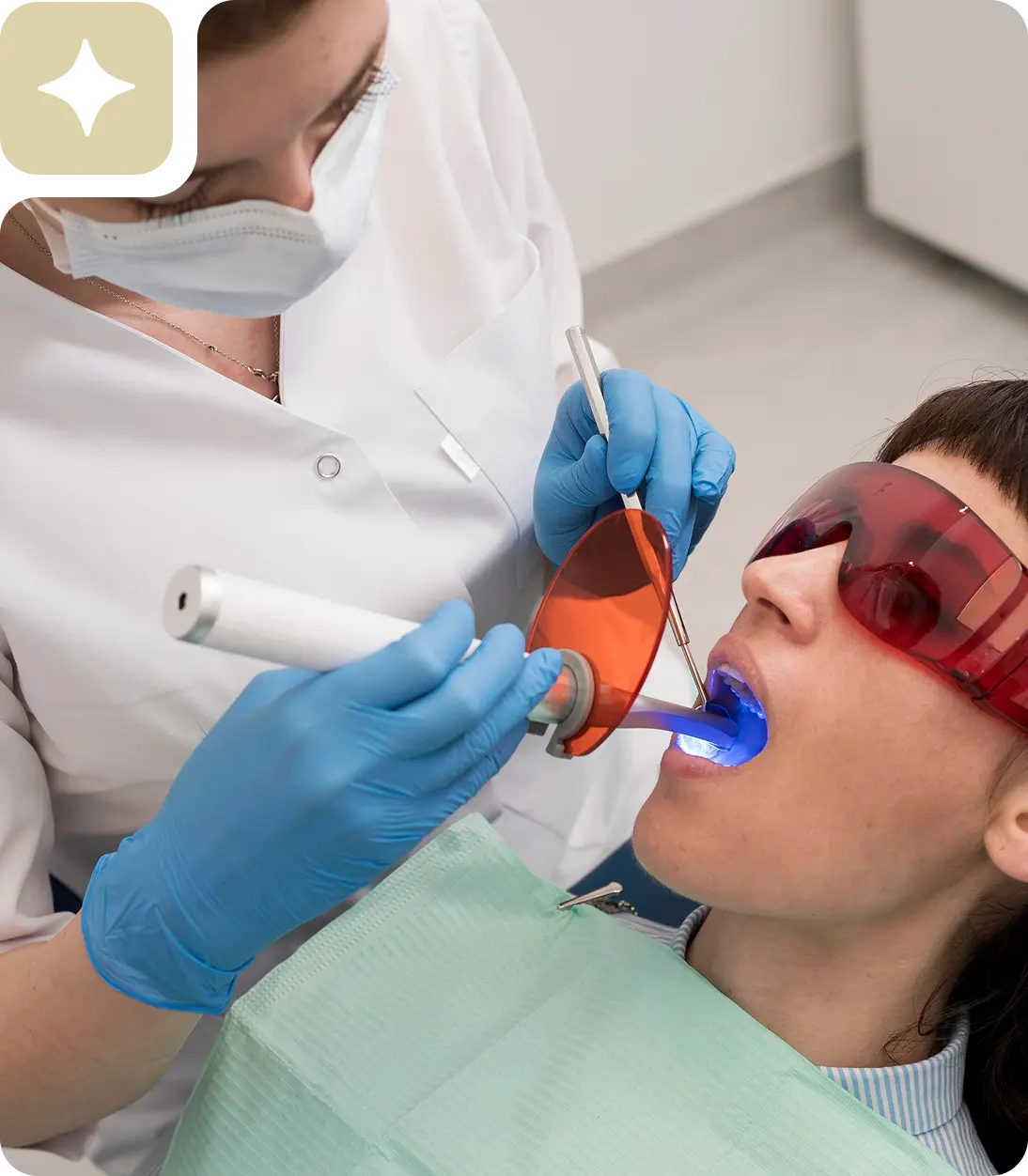
A temporary filling is placed to protect the tooth while your custom crown is prepared. In some cases, we may complete the crown on the same day, depending on your specific needs.
Not anymore. Thanks to modern techniques and local anaesthesia, a root canal feels similar to getting a standard dental filling. At Yaletown Dental Boutique, we prioritize your comfort at every stage.
Before treatment begins, we apply a targeted anaesthetic to fully numb the area. Most patients feel only mild pressure or vibration—never sharp pain. If the tooth is already inflamed or infected, we take extra care to ensure you’re fully numb before proceeding.
Once the damaged pulp is removed, the pain you’re experiencing actually goes away. For many patients, relief begins right after treatment.
After the procedure, it’s normal to have some tenderness for a day or two. This can typically be managed with over-the-counter pain medication and avoiding chewing on the treated side until your final restoration is placed.
Root canal therapy isn’t something to fear. It’s a safe, effective solution to resolve deep tooth pain and protect your long-term oral health—without the discomfort many people expect.

In most cases, yes—especially for molars and premolars that handle heavy chewing.
A root canal removes the inner pulp, which means the tooth is no longer nourished from within. While the tooth is cleaned and sealed, it becomes more brittle and vulnerable to cracking under pressure. A custom crown provides external support, sealing the treated area and restoring the tooth’s shape and strength.
At Yaletown Dental Boutique, we usually recommend placing a permanent crown shortly after root canal therapy. This helps:
For front teeth, which endure less force, a strong bonded filling may be an option. But even then, a crown can still offer longer-lasting results.
If you’re unsure what your tooth needs, we’ll walk you through the best restoration options during your follow-up.

The cost of root canal therapy in Vancouver depends on several factors—primarily the location of the tooth, complexity of the infection, and whether a crown is needed afterward.
Molars tend to cost more due to their multiple canals and accessibility, while front teeth are generally simpler and more affordable. Additional costs may apply if:
At Yaletown Dental Boutique, we provide clear, upfront estimates and walk you through what’s included. We also help verify your dental insurance coverage and explain what your plan may or may not cover.
If budget is a concern, we’ll explore your options together and ensure your treatment plan fits both your needs and financial comfort.

While root canal therapy is generally successful, failures can occur. In most cases, it happens when:
Symptoms of failure may include lingering pain, swelling, tenderness when biting, or the return of infection near the treated tooth.
If this happens, retreatment is often possible. We can re-access the canals, clean them thoroughly, and seal them again—sometimes using more advanced techniques or endodontic microsurgery. In rare cases where retreatment isn’t viable, extraction may be recommended.
At Yaletown Dental Boutique, we monitor your healing closely and catch any signs of complications early, so you don’t have to second-guess your recovery.

Healing after a root canal is usually smooth and relatively quick, especially when supported by proper aftercare.
Most patients experience mild tenderness or sensitivity for a few days—especially when chewing or brushing near the treated area. This is a normal response as surrounding tissues settle. Over-the-counter pain relievers like ibuprofen or acetaminophen typically manage it well.
To aid healing:
At Yaletown Dental Boutique, we provide personalized aftercare instructions and check-ins to ensure your recovery stays on track.

The days following your root canal are key to healing. What you eat—and avoid—can make a real difference.
Stick to a soft, balanced diet and chew on the opposite side until your dentist gives the green light.
What to Eat:
Soft, mild foods are your best friend for the first few days. Choose items like mashed potatoes, scrambled eggs, yogurt, smoothies, pasta, rice, or well-cooked vegetables. These options are gentle on the treated tooth and reduce the risk of dislodging a temporary filling.
What to Avoid:
Skip anything hard, sticky, or crunchy. That means no nuts, raw carrots, crusty bread, ice, or chewy candies. These can irritate the area or even damage the tooth if a permanent crown hasn’t been placed yet.
Also avoid extremely hot or cold foods, which can trigger temporary sensitivity.
A root canal treats infection—but your aftercare determines how well your tooth heals and how long it lasts.
Brush Gently, But Consistently
Keep brushing twice a day with a soft-bristled toothbrush and fluoride toothpaste. Be especially gentle around the treated area, especially if there’s a temporary filling or crown in place.
Don’t Skip Flossing
Floss daily, including around the treated tooth. This helps prevent new decay near the gumline and keeps the area clean.
Use an Antibacterial Rinse (If Recommended)
Your dentist may suggest a mouthwash to reduce bacteria and inflammation during healing. Follow their instructions carefully.
Be Mindful of Pressure
Until a permanent crown or filling is placed, avoid biting directly on the treated tooth. Too much pressure can lead to cracks or leaks in the temporary restoration.
Prioritize Your Follow-Up
The final restoration—usually a crown—is essential to protect the tooth and restore full function. Don’t delay this step, even if the pain is gone. Without proper sealing, the tooth is still at risk.
Root canal therapy is most effective when performed early—before infection spreads or structural damage becomes severe. But once decay or trauma compromises the foundation of the tooth or surrounding bone, saving it may no longer be viable.
If an untreated dental abscess leads to significant bone erosion around the tooth root, the tooth may lack enough support for restoration. In such cases, extraction and an implant or bridge may be the more reliable solution.
Vertical root fractures or damage below the gumline often make a root canal unfeasible. These types of breaks can’t be stabilized effectively, even with internal treatment.
If oral bacteria spread to nearby tissues or enter the bloodstream—a rare but serious condition—emergency medical intervention is required. At that stage, extracting the infected tooth may be safer than attempting endodontic therapy.
Postponing treatment can turn a manageable infection into a more complex or dangerous problem. If you’re unsure whether your tooth is still salvageable, a prompt evaluation is the best next step.
Don’t let tooth pain, infection, or uncertainty hold you back. If you’re dealing with swelling, sensitivity, or a deep ache, the right care—at the right time—can save your natural tooth and restore your peace of mind.
At Yaletown Dental Boutique, we provide precision root canal therapy designed for comfort, speed, and long-term success. Using advanced imaging and gentle techniques, we help patients across Downtown Vancouver, False Creek, and Pacific Boulevard resolve infection and return to daily life—pain free.
We don’t just treat the problem—we protect your smile for the future.
Book your root canal consultation today and take the first step toward lasting relief and restored oral health.
No. With today’s anaesthetics and technology, the procedure is usually painless. Most patients say it feels no worse than getting a regular filling—and it relieves pain, not causes it.
Common signs include ongoing pain, swelling, temperature sensitivity, discolouration of a single tooth, or a pimple-like bump on the gums. X-rays confirm if the nerve is infected.
Waiting can allow infection to spread, which increases pain and may lead to tooth loss, bone damage, or systemic complications. Early treatment is key to saving the tooth.
Usually, yes—especially for molars or teeth under stress. A crown protects the treated tooth from fractures and restores full strength for chewing and function.
Yes, but it’s rare. Failures may occur if canals were missed, sealed improperly, or reinfected. In such cases, retreatment or minor surgery may successfully resolve the issue.
Treatment under the Canadian Dental Care Plan is not fully covered. A co-payment will apply.
Read More about CDCP