
Free Gingival Graft vs Connective Tissue Graft

Free gingival graft and connective tissue graft are two common procedures used to treat gum recession and strengthen vulnerable gum tissue. While both use healthy donor tissue, they differ in technique, purpose, and aesthetic outcome.

At Yaletown Dental Boutique in Yaletown, treatment is tailored to your gum condition, long-term stability, and overall smile goals.

Rated as “Excellent” (130 reviews)

1 min read

Free gingival grafts and connective tissue grafts both treat gum recession but serve different purposes. A free gingival graft strengthens thin gums, while a connective tissue graft focuses on covering exposed roots and improving appearance, especially on front teeth.
Healing usually takes 1–2 weeks initially, and costs in Canada typically vary depending on complexity. At Yaletown Dental Boutique in Yaletown, treatment is tailored to your gum condition, goals, and long-term oral health.

What Is a Free Gingival Graft?

A free gingival graft is a procedure used to strengthen thin or receding gums. A small piece of healthy tissue is taken from the roof of the mouth and placed directly onto the area that needs more support, helping build thicker gum tissue around the tooth.
When Is a Free Gingival Graft Recommended?

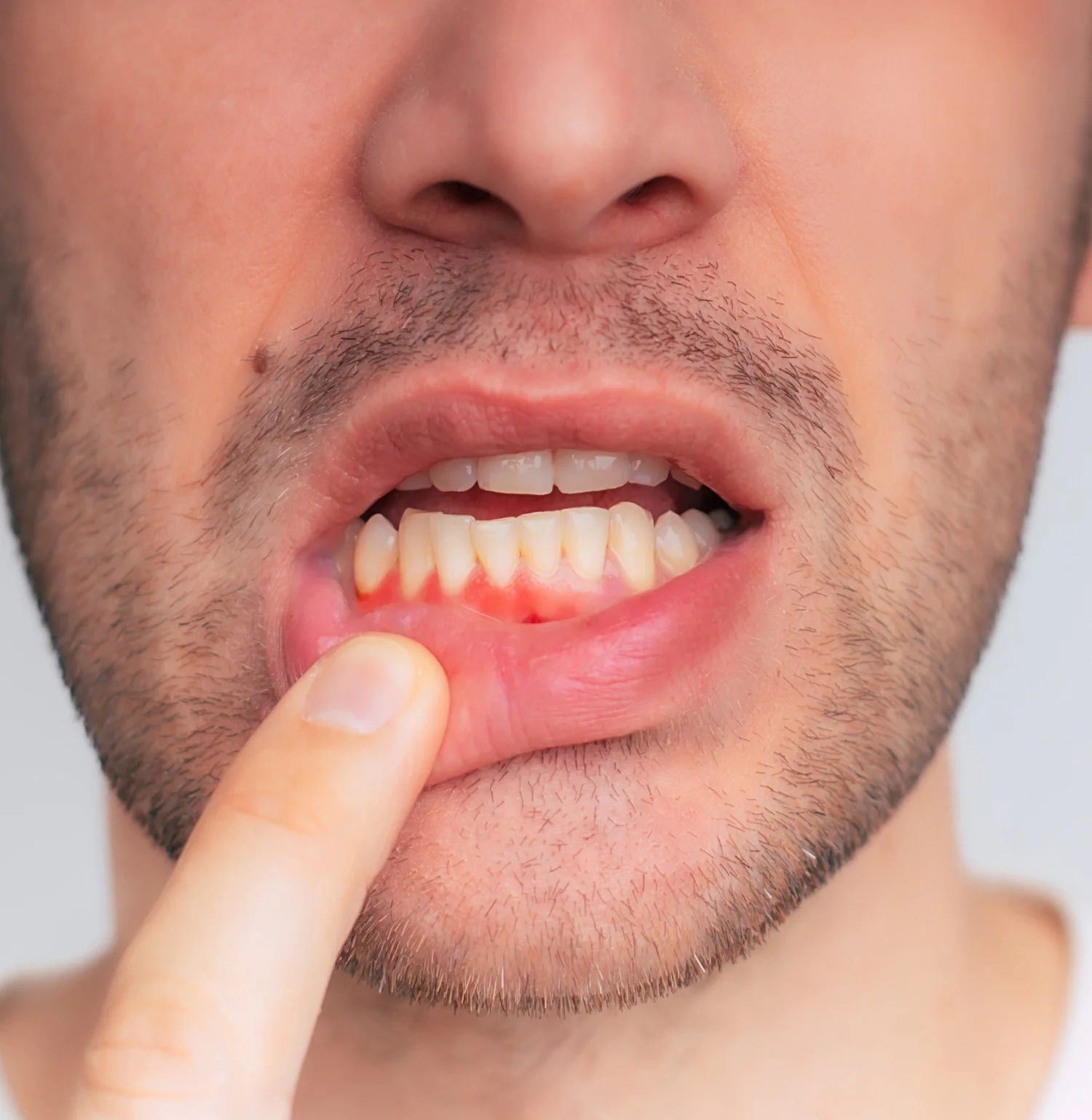
Dentists recommend this treatment for patients with thin gums, early gum recession, or areas at risk of further tissue loss. It is often chosen when the main goal is to reinforce and protect the gums rather than improve appearance.

What Are the Main Goals of the Procedure?

The primary goal is to increase gum thickness and protect exposed or vulnerable roots. Stronger gum tissue helps reduce sensitivity and lowers the risk of future recession or damage.

Is the Procedure Safe and Comfortable?

The procedure is performed under local anesthetic to keep you comfortable. Mild soreness during healing is normal, but results are predictable and the treatment is considered a reliable way to strengthen gum tissue.

What Is a Connective Tissue Graft?

A connective tissue graft is a procedure used to treat gum recession and improve the appearance of the gum line. During the treatment, a small flap is gently created in the roof of the mouth, and tissue from beneath the surface layer is carefully removed and placed over the exposed root. The flap is then repositioned to allow the area to heal comfortably.
What Gum Issues It Addresses?

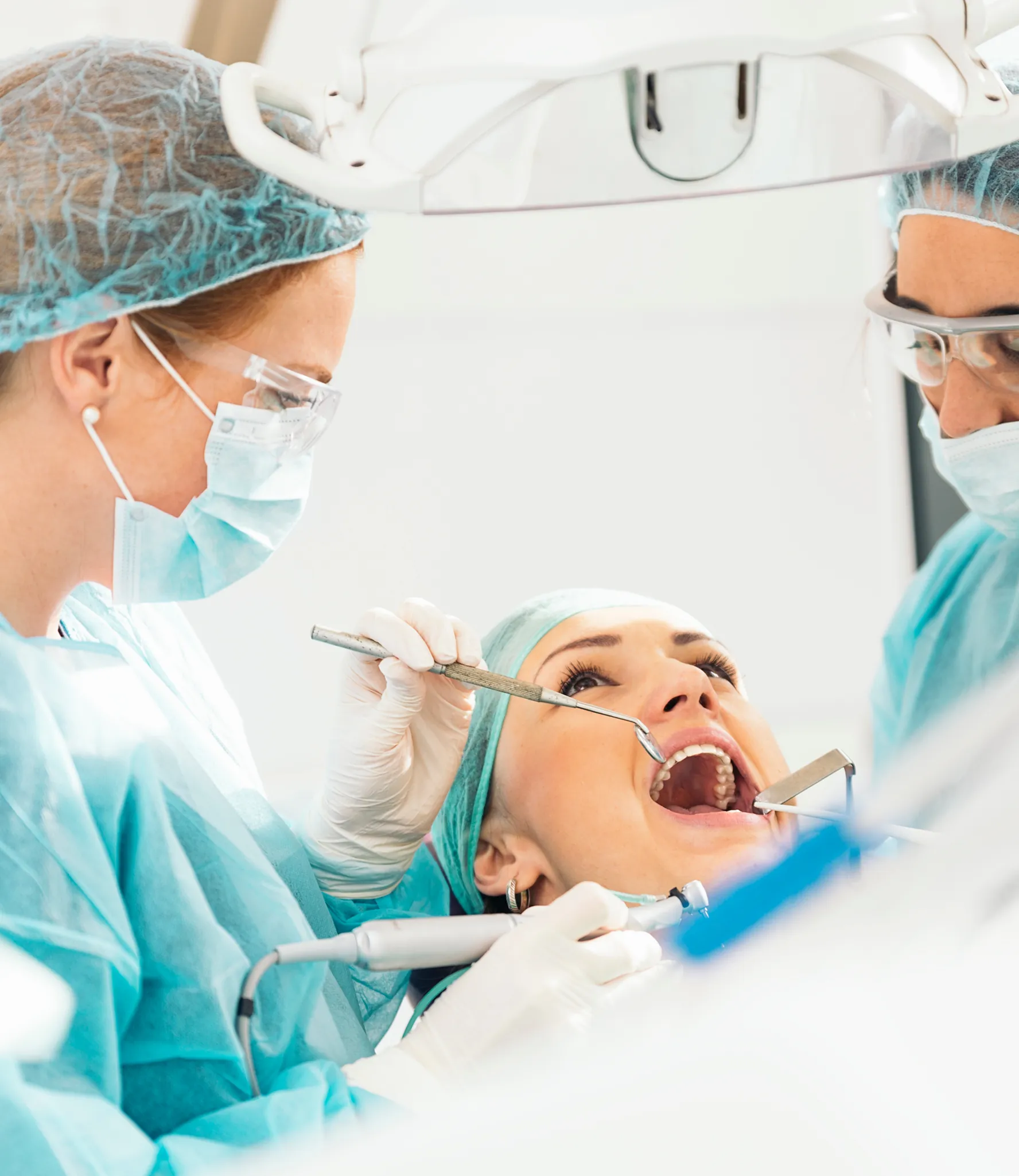
  • Gum recession exposing tooth roots, especially on front teeth
  • Tooth sensitivity caused by exposed roots
  • Uneven or thinning gums affecting smile appearance
  • Areas at risk of further recession or root damage
  • Multiple adjacent teeth with recession that require consistent, natural-looking coverage

Aesthetic and Functional Improvements

Connective tissue grafts are designed to provide strong root coverage while blending naturally with the surrounding gum tissue. They are especially effective in visible areas of the smile where appearance matters most.
Functionally, the procedure helps reduce sensitivity, protects roots from decay, and supports long term gum stability.

Why It’s Often Considered the Preferred Option for Visible Areas?

This technique is commonly recommended for front teeth because it often provides predictable root coverage with a natural appearance. It offers a balance of durability, comfort, and aesthetics, making it a trusted option when both protection and appearance are priorities.

Begin Your Smile Journey

with Dr. Hadianfar

Dr. Sasan Hadianfar, General Dentist
Key Differences Between Free Gingival and Connective Tissue Grafts

While both procedures are designed to treat gum recession, they differ in technique, purpose, healing experience, and cosmetic outcome. The table below outlines the key distinctions to help you clearly understand how each graft works and when one may be recommended over the other.

Comparison FactorFree Gingival GraftConnective Tissue Graft
Procedure TechniqueSurface Tissue Is Removed from the Roof of the Mouth and Grafted Directly onto the Affected AreaTissue Is Taken from Beneath the Surface of the Palate and Placed Under a Small Gum Flap
Primary UseBuilds Thicker, Stronger Gum TissueCovers Exposed Roots While Improving Gum Contour
Best ForStrengthening Thin Gums and Preventing Further RecessionRoot Coverage and Aesthetic Improvement, Especially in Visible Areas
AppearanceMay Appear Slightly Lighter or Firmer in TextureBlends More Naturally with Surrounding Gums
Healing And ComfortTwo Healing Sites, Which May Result in Slightly More Post-Operative SorenessDonor Area is More Protected, Often Resulting in Improved Comfort
Healing TimeInitial Healing Typically Takes 1 to 2 Weeks, with Full Tissue Maturation over Several WeeksSimilar Initial Healing Time, Often with Slightly Less Donor-Site Discomfort
Ideal CandidatesPatients with Naturally Thin Gums or Early Recession Needing ReinforcementPatients with Visible Root Exposure Seeking Coverage and Improved Smile Symmetry

How Does a Dentist Choose the Right One?

Treatment Goal

If your main concern is covering exposed tooth roots, especially in visible areas, a connective tissue graft is often recommended for better root coverage and a more natural appearance. If the priority is building a thicker, stronger band of gum tissue to prevent future recession, a free gingival graft may be the better choice.

Location

Connective tissue grafts adapt well around front teeth where aesthetic blending is important. Free gingival grafts are often used in back areas of the mouth where strength and durability matter more than cosmetic detail.

Existing Gum Condition

If gum tissue is naturally thin or there is very little tissue present, a free gingival graft can create a stronger foundation. If there is adequate healthy gum to work with, a connective tissue graft can provide predictable root coverage with an excellent cosmetic match.

Which Gum Graft Is Right for You?

Selecting between a free gingival graft and a connective tissue graft depends on the condition of your gums, your treatment goals, and your overall oral health. If you’re in Yaletown or Vancouver and are considering gum grafting, we review these factors can help you feel more prepared and confident ahead of your appointment.

General Factors That Influence the Choice

Amount of Gum Recession

Mild recession, especially on front teeth, is often treated with a connective tissue graft for root coverage. More advanced recession with very little remaining gum tissue may require a free gingival graft to rebuild thickness.

Cosmetic vs Functional Goal

If your main concern is how your smile looks, connective tissue grafts typically provide a more natural blend. If durability and strengthening thin gums are the priority, a free gingival graft may be more appropriate.

Existing Gum Thickness

Naturally thin or delicate gums often benefit from a free gingival graft to add firmness. If there is adequate healthy gum tissue present, a connective tissue graft can be placed beneath it for predictable coverage.

Location in the Mouth

X-rays have shown bone loss caused by gum disease, meaning the infection has affected supporting structures.

Ongoing Gum Inflammation

Front teeth usually require an approach that prioritizes aesthetics, making connective tissue grafts common in the smile zone. Back teeth, where strength and function matter most, may be better suited for free gingival grafts.

Overall Oral Health

Healthy gums are essential before either procedure. Any active gum disease must be treated first to support proper healing and long-term results.

Help Me Self-Identify

You might need a free gingival graft if:

  • Your gums are very thin and prone to further recession
  • You need to build a stronger, more durable band of gum tissue
  • The area of concern is toward the back of the mouth
  • Reinforcement and long-term stability are your main goals months or years

You might need a connective tissue graft if:

  • Your front teeth show exposed roots
  • You are concerned about smile aesthetics
  • You experience sensitivity from root exposure
  • You want natural-looking root coverage

Healing Time and Recovery for Each Procedure

Recovery for both free gingival and connective tissue grafts is generally straightforward, with most patients returning to normal routines within a short period. While the techniques differ slightly, healing timelines are similar and carefully monitored to ensure long-term success.

Free Gingival Graft Recovery

First 1–2 Weeks

Initial healing typically occurs within one to two weeks. Mild swelling or soreness is common, particularly at the donor site on the roof of the mouth.

Several Weeks After Surgery

The grafted tissue gradually integrates with the surrounding gums over the following weeks. As healing progresses, the tissue becomes stronger and more stable.

Comfort Level

Because there are two healing areas, some patients notice slightly more sensitivity at the donor site during the first week, which improves steadily with proper care.

Connective Tissue Graft Recovery

First 1–2 Weeks

Soft tissue healing follows a similar one to two week timeline. Sutures are often removed within this period.

Donor Site Comfort

Since the surface layer of the palate is repositioned after deeper tissue is taken, the donor area is usually more protected, which may result in slightly less discomfort.

Ongoing Integration

Over several weeks, the graft blends with the surrounding gum tissue and stabilizes, providing reliable root coverage.

Common Aftercare for Both Procedures

  • Eat soft foods during the early healing phase
  • Avoid hot, spicy, or crunchy foods for the first week
  • Avoid brushing directly on the graft site at first
  • Use a prescribed antimicrobial or saltwater rinse if recommended
  • Take any prescribed pain medication or antibiotics as directed
  • Avoid smoking or vaping during healing
  • Limit strenuous physical activity for a few days
  • Follow your dentist’s instructions carefully
  • Attend regular follow-up visits to monitor healing
Important Information for

CDCP Patients

Treatment under the Canadian Dental Care Plan is not fully covered. A co-payment will apply.

Cost Comparison: Free Gingival Vs Connective Tissue Grafts

The cost of a free gingival graft or connective tissue graft in British Columbia depends on several clinical factors, including the extent of gum recession and the technique selected.

Average Cost Range in BC/Canada

Free Gingival Graft

Approximately $800 to $1,800 per tooth, depending on the size of the area and surgical complexity.

Connective Tissue Graft

Approximately $1,200 to $2,500 or more per tooth, particularly when root coverage and aesthetic precision are required.
These are general estimates across Canada. Actual fees vary based on individual treatment needs.

Factors That Affect Price

Number of Teeth Treated

Treating multiple teeth increases overall cost, although adjacent teeth may sometimes be addressed in one procedure.

Severity of Recession

More advanced gum loss may require additional surgical time and technique.

Technique Used

Connective tissue grafts can involve more detailed surgical steps, especially in visible areas.

Sedation or Additional Procedures

Sedation, protective membranes, or related periodontal treatments can influence total fees.

Insurance Coverage

Many dental insurance plans partially cover gum grafting when it is considered medically necessary. Coverage levels vary by provider and policy.

Additional Materials

In some cases, collagen membranes, growth factors, or donor tissue materials may be recommended to support healing and stability. These materials can add to the overall treatment cost depending on the clinical needs.

Benefits of Gum Grafting for Oral Health and Confidence

There are key benefits that make gum grafting a valuable long-term investment, including:

Reduced Tooth Sensitivity

Covers exposed roots, helping decrease sensitivity to hot, cold, and sweet foods and drinks.

Protection from Root Decay

Creates a protective gum barrier that shields vulnerable root surfaces from decay and damage.

Prevention of Further Recession

Strengthens thin gum tissue to reduce the risk of continued recession and long-term complications.

Stronger, Healthier Gum Support

Builds thicker gum tissue that supports teeth more securely and improves overall oral stability.

More Balanced, Natural-Looking Smile

Restores a more even gum line that enhances facial harmony and overall smile appearance.

Greater Everyday Comfort And Confidence

Imagine brushing without sensitivity and enjoying a smile that feels healthier and stronger.

What Our Cosmetic Patients Are Saying?

  • Zalha Fazal

    Hands down the best dental services in town. Highly recommend the clinic for anyone wanting to visit a dentist to learn better about maintaining oral health and getting the clean up. Had a wonderful experience with the hygienist Amir who was very patient and did a wonderful job.
  • Travis Battaglia

    always an amazing experience!
  • Camila Pérez ciribe

    Amir a the rest of the team has been incredible today. Best day in the dentist ever!
  • Jenny Wong

    Everyone was so nice and the clinic is brand new 🙂
  • Gurjit Dhadda

    Amir was great! Wonderful service!
  • Eve Plante

    Everything was perfect! 🙂
  • Priyanka Pahari

    First time at this location, I loved the experience. Staff is amazing and so is the service. :))
  • Emilio Suarez

    Very friendly and polite staff. They made Ure I was comfortable

    Talk to a Gum Grafting Expert in Yaletown

    Considering a free gingival graft or connective tissue graft and wondering which option is right for you? The best place to start is with a personalized consultation where your gum thickness, recession level, and aesthetic goals can be carefully evaluated.

    At Yaletown Dental Boutique, conveniently located in the heart of Yaletown, we provide advanced gum grafting treatments for patients throughout Vancouver and surrounding neighbourhoods.

    Our team takes the time to explain your options clearly and recommend the technique that best supports both your oral health and your smile. You do not have to make this decision alone.

    Schedule your consultation today and take the next step toward stronger gums and a healthier, more confident smile.

    Visit Us

      Contact

      info@yaletown.dental
      205 Smithe Street
      Vancouver, BC V6B 2P4

      Hours

      Mon–Fri: 9:00 am – 5:00 pm
      Saturday: 9:00 am – 4:00 pm
      Sunday: Closed

    When Is a Free Gingival Graft Recommended?

    It is commonly recommended for patients with thin gums who need to strengthen and reinforce gum tissue.

    Is a Connective Tissue Graft More Cosmetic?

    How Painful Is Gum Graft Surgery?

    How Long Does It Take to Heal After a Gum Graft?

    How Long Do Gum Grafts Last?

    Are Gum Grafts Covered by Insurance in BC?

    Request an Appointment Now!