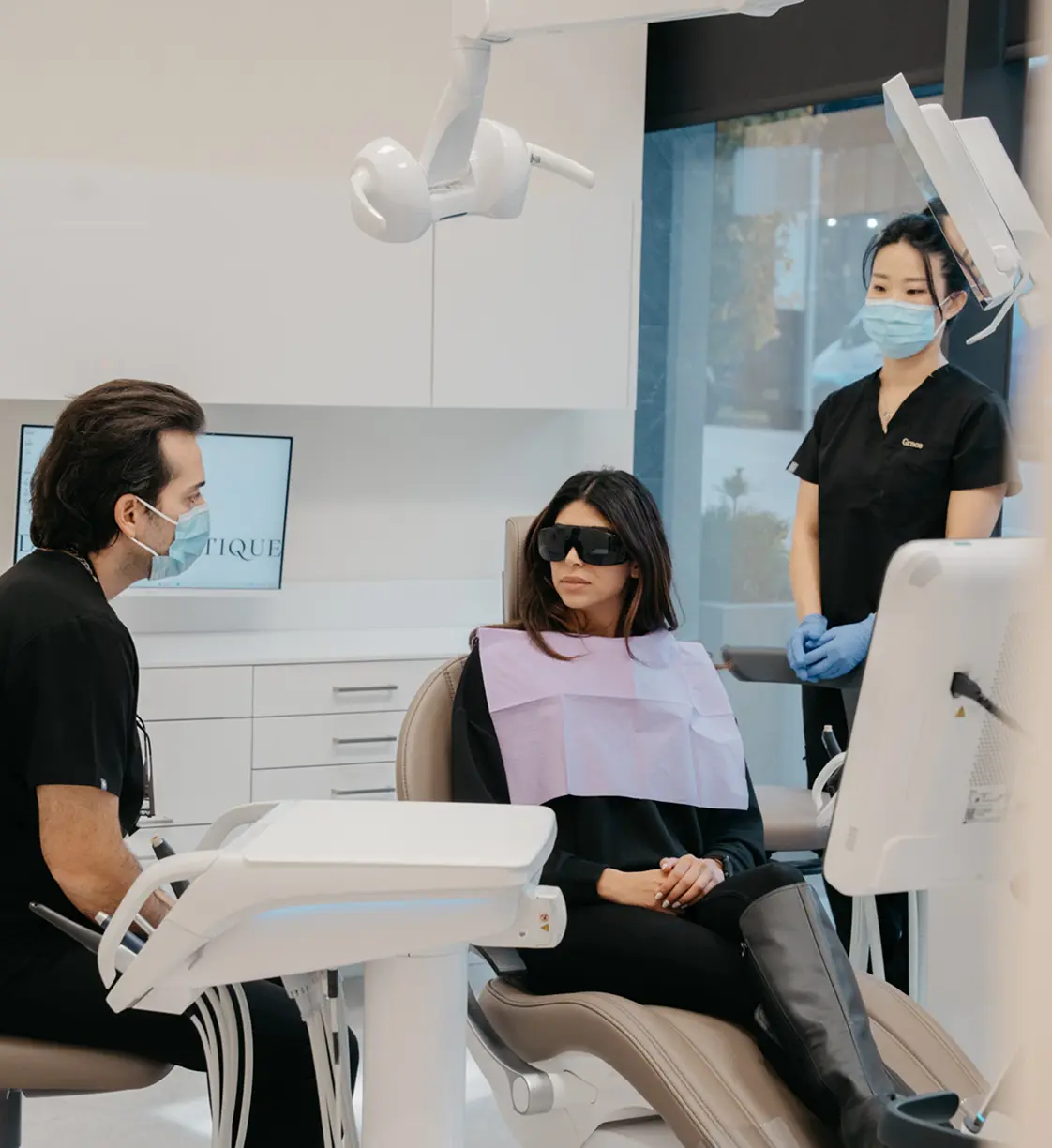

Oral Cancer Screenings in Yaletown, Vancouver
Early detection supports timely treatment. Book an oral cancer screening in Yaletown Dental Boutique with trained dentists and modern diagnostic tools.
 Rated as “Excellent” (130 reviews)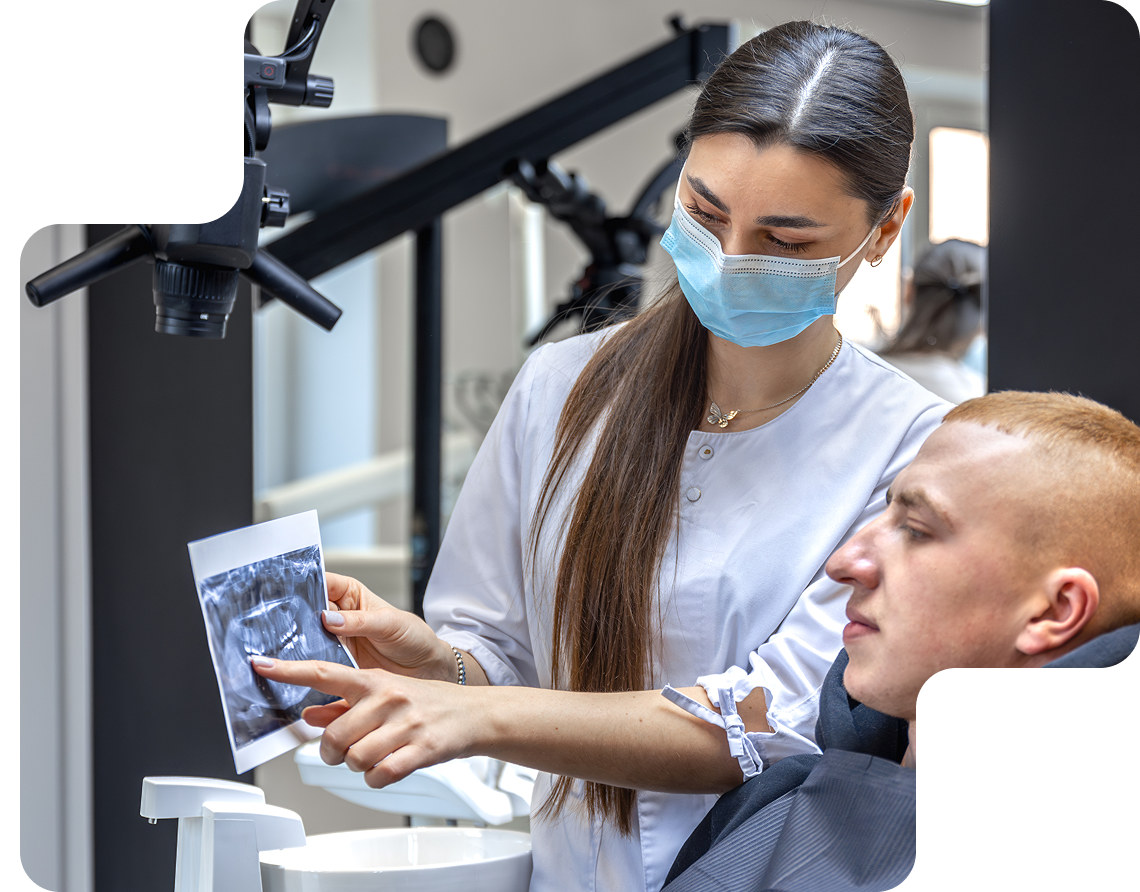
Oral Cancer Screenings in Yaletown — Detecting the Earliest Warning Signs
When was the last time you had an oral cancer screening? Most people think of dental visits as just cleanings and checkups, but at Yaletown Dental Boutique, we look deeper.
Located in the heart of Yaletown, near Downtown Vancouver, False Creek, and the West End, our team integrates oral cancer screenings into every preventive visit to protect your long-term health.
Using digital visualization tools and gentle tactile exams, we can spot early warning signs of oral and oropharyngeal cancer, often before you notice any symptoms yourself.
Do you have a sore spot that hasn’t healed? A patch inside your mouth that looks different? Even if you don’t smoke or drink, oral cancer can still occur and early detection is the key to successful treatment.
At Yaletown Dental Boutique, your oral health is part of your overall wellness. We’re proud to provide oral cancer exams for patients across Yaletown, ensuring your smile and your health stay one step ahead.
Why Early Detection Matters?
Despite major advances in treatment, survival still depends on how early oral cancer is detected. When found in its early stages, about 86% of people with oral cavity or throat cancers live at least five years after diagnosis. Once cancer spreads to nearby tissues or lymph nodes, that rate drops to around 69%.1
Early detection not only improves survival but also allows for less invasive treatment, faster recovery, and better preservation of natural functions like speaking, swallowing, and facial movement. Detecting oral cancer early can save both life and quality of life.
Why Dentists Are Often the First to Spot Warning Signs?
Dentists are uniquely positioned to recognize the earliest warning signs. During every preventive visit, they examine areas of the mouth that patients can’t easily see, the tongue, cheeks, lips, gums, and throat, looking for subtle colour or texture changes.
Because most oral cancers begin painlessly, your dentist serves as the first line of defense in identifying problems before they progress.In British Columbia, awareness of oral and oropharyngeal cancers continues to grow. The BC Cancer Agency recommends regular oral health screenings even for those without obvious risk factors such as smoking or heavy alcohol use. We share this commitment at our clinic. Every preventive visit includes a comprehensive oral cancer screening, helping our patients stay ahead of disease through early detection, education, and personalized care.
The Survival Advantage of Early Detection
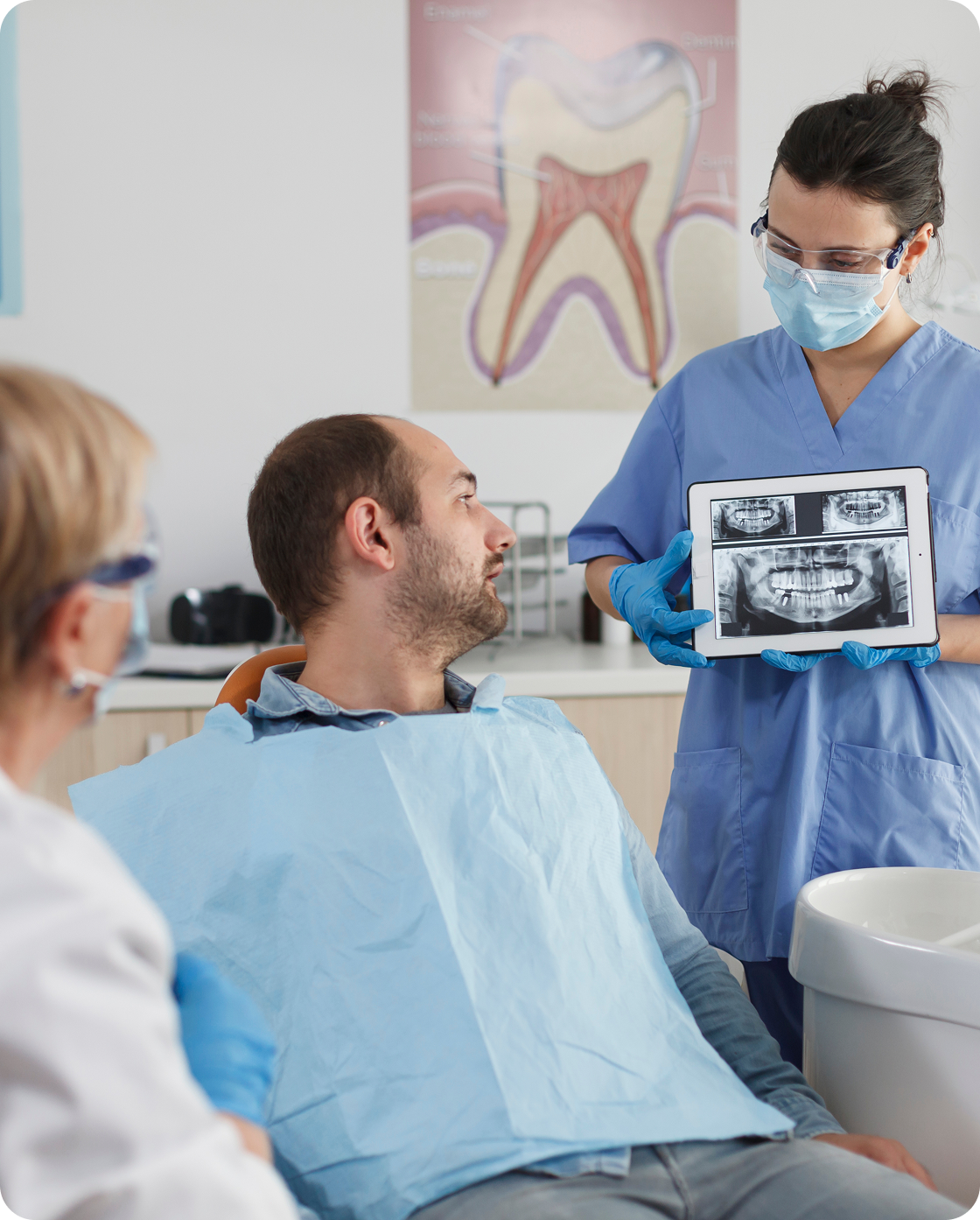
Despite major advances in treatment, survival still depends on how early oral cancer is detected. When found in its early stages, about 86% of people with oral cavity or throat cancers live at least five years after diagnosis. Once cancer spreads to nearby tissues or lymph nodes, that rate drops to around 69%.1
Early detection not only improves survival but also allows for less invasive treatment, faster recovery, and better preservation of natural functions like speaking, swallowing, and facial movement. Detecting oral cancer early can save both life and quality of life.

Confident Smiles Start Here — Book Your Visit Today
What an Oral Cancer Screening Involves?
An oral cancer screening at Yaletown Dental Boutique is quick, comfortable, and completely non-invasive, usually taking less than five minutes. This oral pathology check in Yaletown is a vital part of our preventive care approach, designed to make early detection seamless and stress-free while keeping you fully informed throughout the process.
Let’s take a closer look at what happens during the exam and how each simple step helps detect changes early and protect your long-term health.
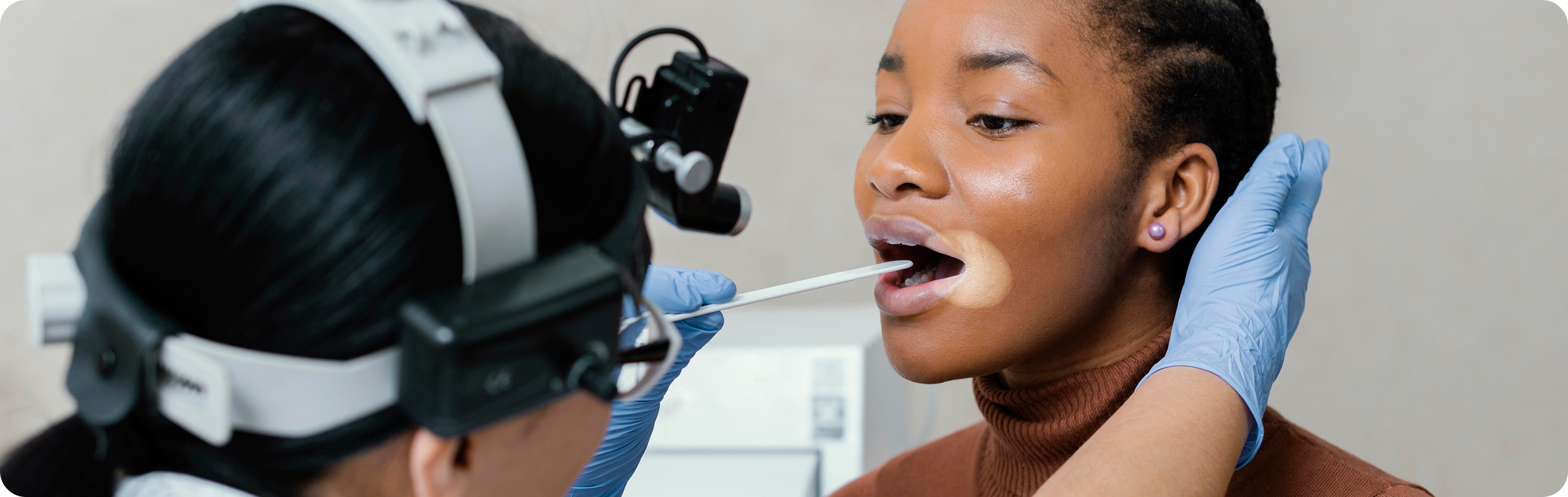
Visual Examination — Lips, Cheeks, Tongue, Gums, and Throat
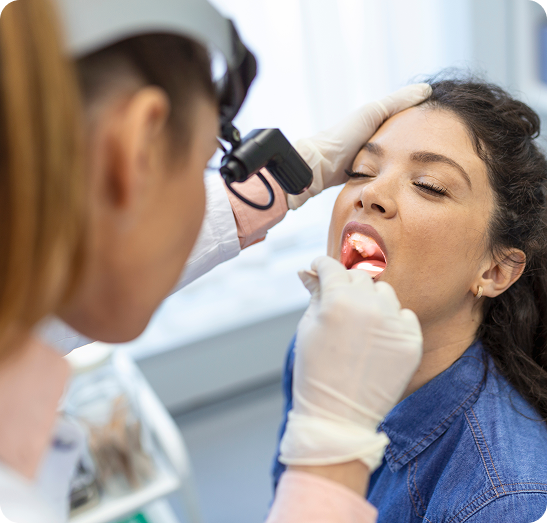
The screening begins with a visual inspection of the mouth and surrounding areas under proper lighting and magnification. Your dentist looks for any discolouration, lesions, or texture changes, such as:
- Leukoplakia: thick white patches that may signal early tissue changes
- Erythroplakia: red or inflamed areas that could indicate abnormal cell activity
- Swelling, asymmetry, or sores that haven’t healed
This part of the exam is completely painless and takes only a few minutes.
Palpation — Checking Lymph Nodes and Tissue Texture
Next, your dentist gently palpates (feels) the soft tissues of your mouth, jaw, and neck to identify any lumps, bumps, or firmness that could suggest deeper changes.
This includes examining lymph nodes and the floor of the mouth. You can mention any areas that feel sore, numb, or tender during this step to guide further evaluation.
Optional Adjunctive Screening Tools
For enhanced precision, your dentist may use light-based or dye-assisted technologies to help detect abnormalities invisible to the naked eye:
A harmless dye that highlights suspicious lesions by turning abnormal cells a darker colour.
After a brief rinse with a fluorescent mouthwash, a special LED light is shone inside your mouth. Under this light, healthy tissue appears dark, while abnormal tissue glows white or fluorescent.
These tools are safe, comfortable, and designed to catch the smallest changes before they become serious concerns.
Begin Your Smile Journey
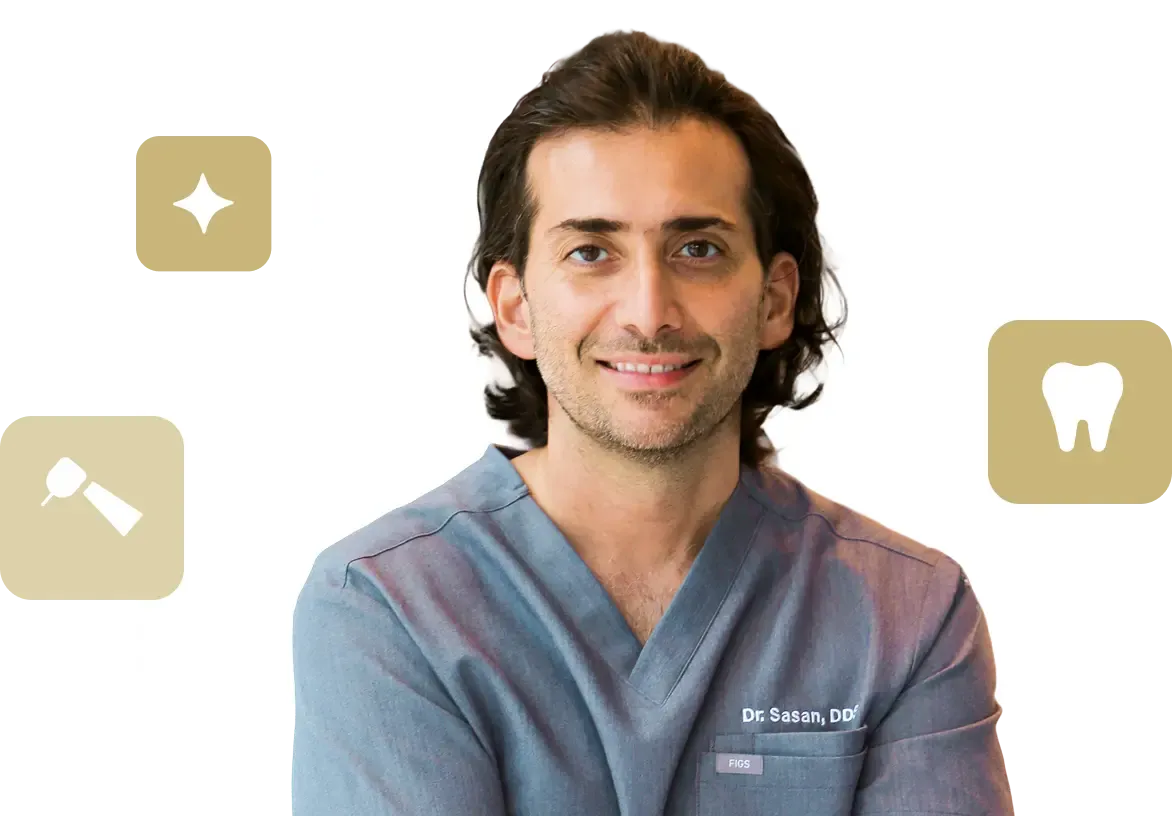
with Dr. Hadianfar
Dr. Sasan Hadianfar, General Dentist
Even small irregularities can signal early tissue changes. That’s why your dentist combines careful visual inspection with gentle palpation to ensure nothing is missed.
Common Areas Where Oral Cancer Develops
Oral cancer can appear anywhere in the mouth, but certain areas are more susceptible due to frequent exposure to friction, bacteria, and irritants such as tobacco or alcohol. The most common sites include the sides and underside of the tongue, lips, floor of the mouth, soft palate, inside of the cheeks, and tonsil region.
During your screening at Yaletown Dental Boutique, your dentist carefully examines each of these areas under proper lighting and magnification. The lateral borders of the tongue are checked for small ulcers, raised edges, or colour changes.
The floor of the mouth is gently inspected and palpated to detect subtle lumps or thickened tissue. The lips and inner cheeks are assessed for sores or white patches that may develop from chronic irritation. And the throat and tonsil area are evaluated for redness, asymmetry, or swelling that might otherwise go unnoticed. Because oral cancers can develop quietly, often without pain or visible bleeding, this thorough and systematic approach ensures that even minor abnormalities are recognized early.
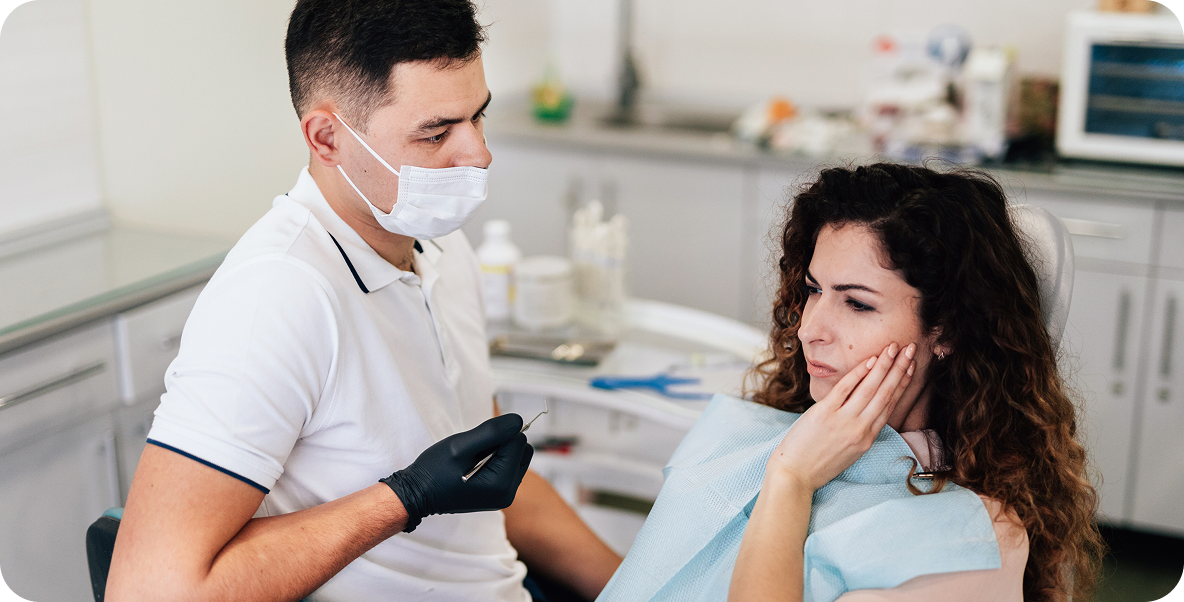
Lesions and Colour Variations That Need Attention
Red, white, or mixed patches, known medically as erythroplakia and leukoplakia, should always be assessed by a dental professional, especially if they do not resolve within two weeks.
While many of these lesions turn out to be benign, some represent the earliest detectable stages of precancerous activity.
Other concerning signs include rough or scaly spots, thickened areas, or sores that bleed easily. We may document and photograph any irregularities to monitor for progression over time.
Persistent Pain, Numbness, or Difficulty Swallowing — When to Call Early
Pain or numbness in the mouth should never be ignored, even if mild. Persistent discomfort, a sore throat that won’t go away, or the feeling that something is caught in your throat can all be early signs of tissue change.
Likewise, trouble chewing, swallowing, or moving your jaw or tongue may suggest irritation or inflammation beneath the surface.
If you experience any of these symptoms for more than two weeks, contact Yaletown Dental Boutique promptly for a professional evaluation. Our dental team uses both clinical expertise and advanced screening tools to detect issues early, helping you maintain optimal oral health and confidence in your long-term well-being.
Who Should Get Regular Oral Cancer Screenings?
Everyone benefits from routine oral cancer screenings. While the disease is more common in certain risk groups, cases among young, non-smoking adults are steadily increasing, largely due to viral and lifestyle factors.
We emphasize prevention for all ages, because early detection protects both health and quality of life.
Higher-Risk Groups
Some individuals face an elevated likelihood of developing oral cancer and should be especially consistent with their screenings. These include:
- Smokers and tobacco users: Cigarettes, cigars, pipes, and chewing tobacco all significantly raise oral cancer risk.
- Heavy alcohol drinkers: Frequent or excessive alcohol use, especially when combined with smoking, compounds the risk.
- Individuals with HPV infection: Strains such as HPV-16 are strongly linked to oral and throat cancers.
- People with prior oral lesions or cancer history: Recurrence is possible, making consistent monitoring essential.
- Those with high sun exposure: Chronic UV exposure can increase the likelihood of lip cancer.
- Adults over 40: Risk rises naturally with age due to cumulative exposure and tissue changes.
These patients are encouraged to have annual or semiannual screenings, depending on their individual risk profile.

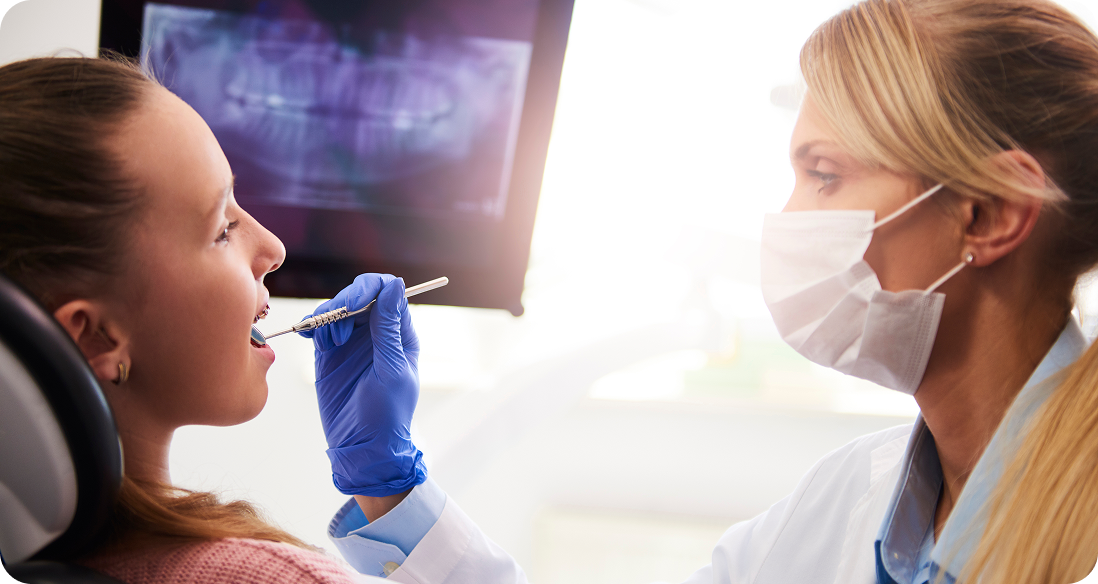
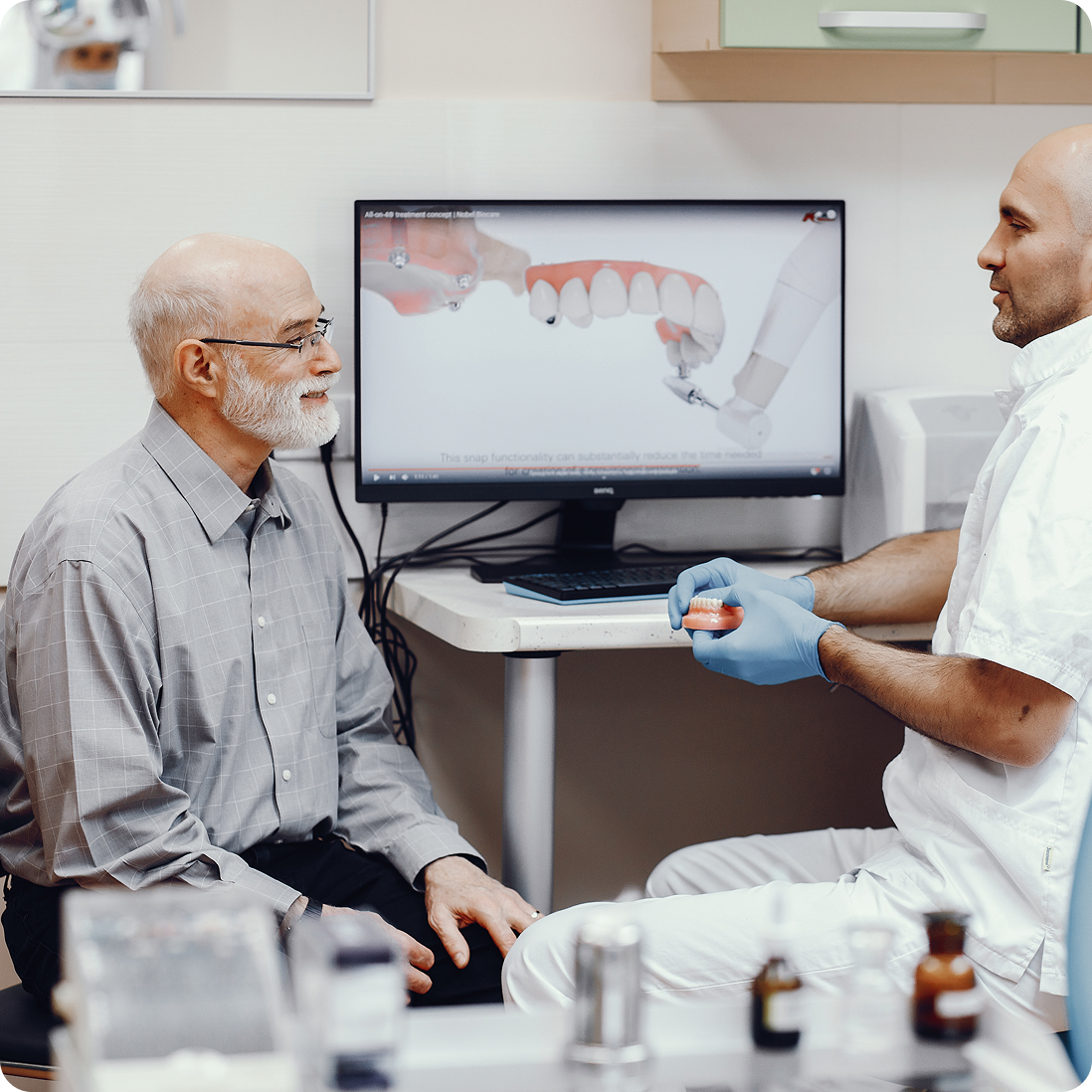
Technology and Diagnostic Tools at Yaletown Dental Boutique
We pair advanced diagnostic technology with a gentle, patient-focused approach to support careful screening in a comfortable, patient-centred setting.
Digital Recordkeeping for Tracking Tissue Changes Over Time
Every observation is securely documented using digital charting and intraoral photography. If an area needs monitoring, we can compare images and notes from one visit to the next, allowing us to track even subtle shifts in tissue health.
This long-term record is especially valuable for patients with past lesions, high-risk factors, or recurring areas of concern.
Tools used in this process include:
- Intraoral cameras for high-resolution close-ups
- Digital X-rays and panoramic scans when deeper imaging is required
- CBCT (3D scans) when detailed anatomical views are needed for diagnosis or referral
Technology supports the diagnosis, but the experience matters too. Our screenings are:
- Non-invasive
- Completed in minutes
- Done without needles, scraping, or discomfort
Paired with modern tools like digital sensors, ultrasonic scalers, and high-definition imaging, our approach ensures your screening feels just like a normal checkup, only smarter.
Stay proactive. Stay protected.
Book your gum health visit with us in Yaletown.
What to Expect If an Abnormality Is Found?
An abnormal finding doesn’t automatically mean cancer, but it does mean we take the next steps calmly, quickly, and clearly. Our goal is to remove uncertainty, guide you through the process, and make sure you always know what’s happening and why.
Documentation and Photographic Monitoring
If we detect a lesion, colour change, or irregularity, we first record it thoroughly:
- High-resolution intraoral photographs
- Detailed clinical notes and digital charting
- Comparison with previous images to track change
This allows us to determine whether the area needs immediate referral or short-term follow-up.
Because a screening only detects suspicious areas, additional testing is required for a confirmed diagnosis. After your exam, we will review the findings with you and discuss the recommended next step, which may include:
- Cytology (Brush Test): A sample of cells is collected using a soft brush, cotton swab, or applicator. A pathologist evaluates the cells under a microscope to determine if they appear abnormal.
- Biopsy: If the area needs deeper investigation, a specialist removes a small piece of tissue for laboratory analysis. This is the definitive test for diagnosing oral cancer or ruling it out.
Some lesions resolve on their own. In these cases, we may schedule a re-examination in 1–2 weeks to see if the area has healed, changed, or persisted.
Prevention Beyond Screening — Daily Habits That Protect You
Screenings are essential, but your daily choices play an equally important role in lowering your risk of oral cancer. Small, consistent habits can strengthen your oral tissues, reduce exposure to carcinogens, and help you notice changes early, long before they become serious.
Habits that lower your risk daily:

Important Information for
CDCP Patients
Treatment under the Canadian Dental Care Plan is not fully covered. A co-payment will apply.

Why Choose Yaletown Dental Boutique for Oral Cancer Screenings؟
At Yaletown Dental Boutique, oral cancer screening isn’t treated as an extra, it’s a built-in part of your preventive care. Dr. Sasan Hadianfar and our experienced team incorporate oral cancer screenings into every preventive visit, guided by clinical training and advanced diagnostic tools.
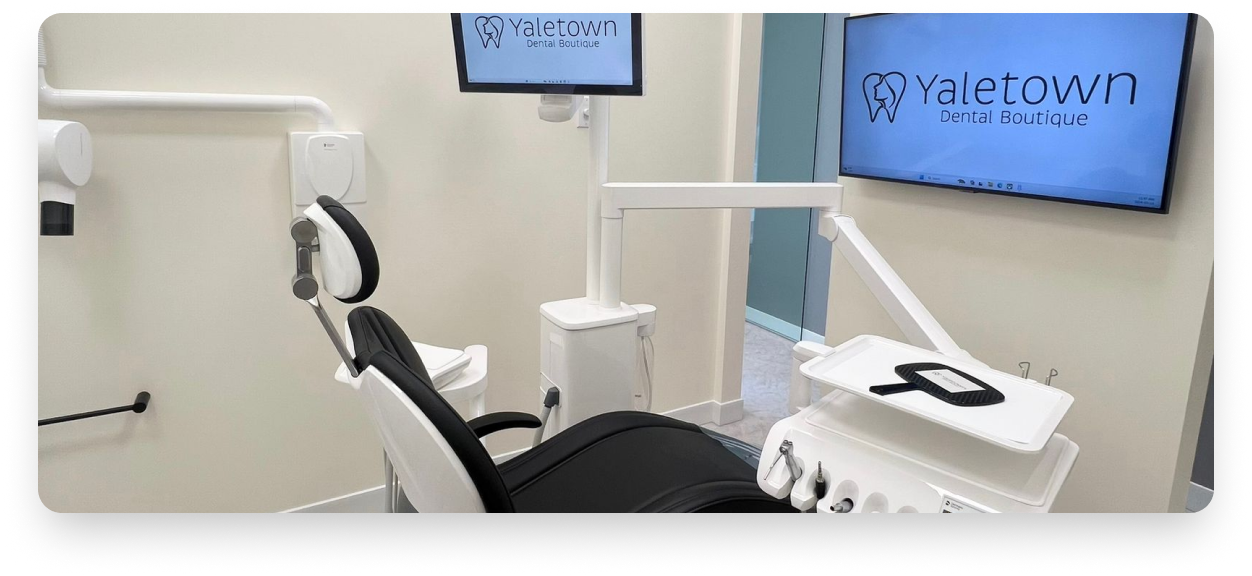
Digital Recordkeeping for Tracking Tissue Changes Over Time
We accept all major dental insurance plans, including:
Pacific Blue Cross, Sun Life, Manulife, Green Shield, Canada Life, ClaimSecure, GroupSource, Empire Life, RBC Insurance, and more, including CDCP (with patient co-pay).
We direct bill all plans that allow it
We also help you handle claim submissions
No barriers, no surprise costs, just proactive care made accessible.
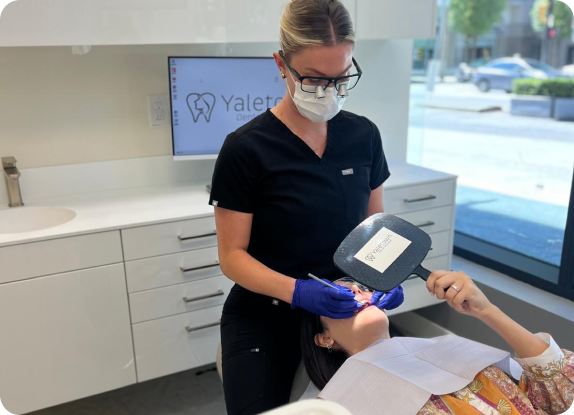
Book an Oral Cancer Screening in Yaletown
Taking a proactive step now can make a lifelong difference. Oral cancer screenings are quick, painless, and can be completed during your regular dental exam or cleaning, so you don’t need an extra appointment to stay protected.
Many insurance plans include oral cancer screening as part of preventive care. Coverage varies by provider and plan. We offer direct billing for all eligible providers, along with flexible in-house payment plans for patients without coverage.
Whether you prefer to schedule online or speak with our team directly, booking is simple, just call +1 (604) 900-8005, email info@yaletown.dental, or reserve your visit anytime through our website.
Book your oral cancer screening at Yaletown Dental Boutique today and gain peace of mind in one visit.
FAQs
Does an oral cancer screening hurt?
Can lifestyle changes lower my risk?
Is oral cancer screening recommended even if I’ve never smoked or drank alcohol?
Can oral cancer run in families?
What if I’m anxious about cancer-related exams?

Request an Appointment Now!