At a Glance:
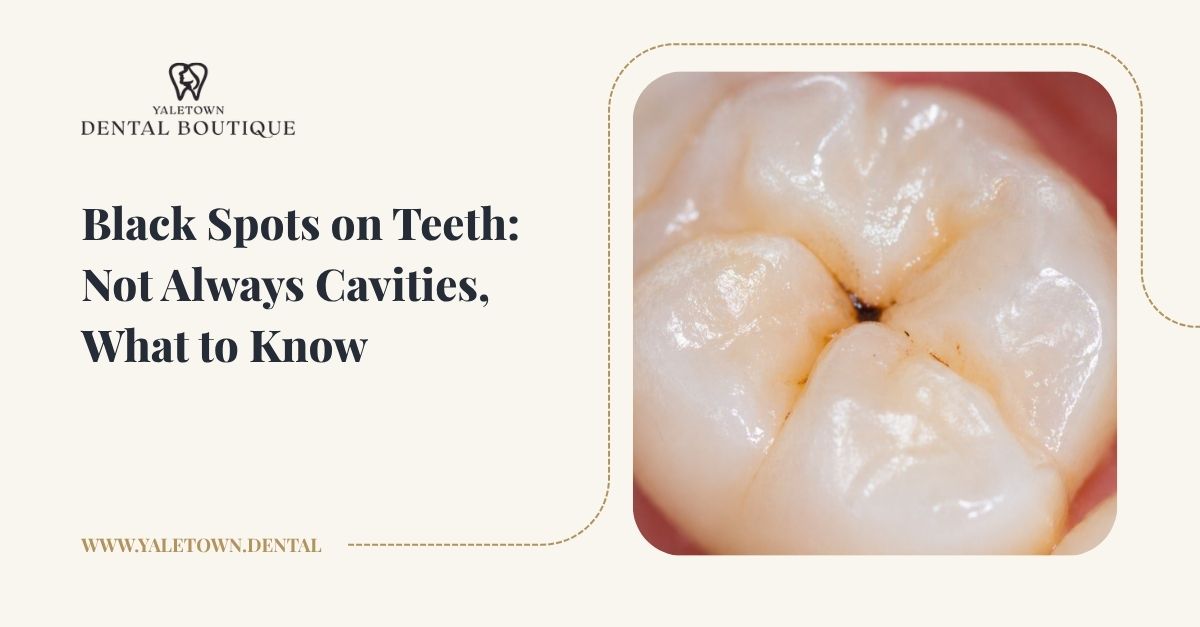
Black spots on teeth are common and not always cavities. Many are harmless stains or natural discolouration, but some may reflect early changes beneath the surface.
Because appearance alone can be misleading, it’s important to monitor any changes and have persistent spots evaluated. Early assessment helps protect the tooth and avoid unnecessary treatment.
Black or dark spots on teeth are something many people notice, often while brushing or looking in the mirror. They can appear suddenly or become more noticeable over time, which naturally raises questions about what they might mean.
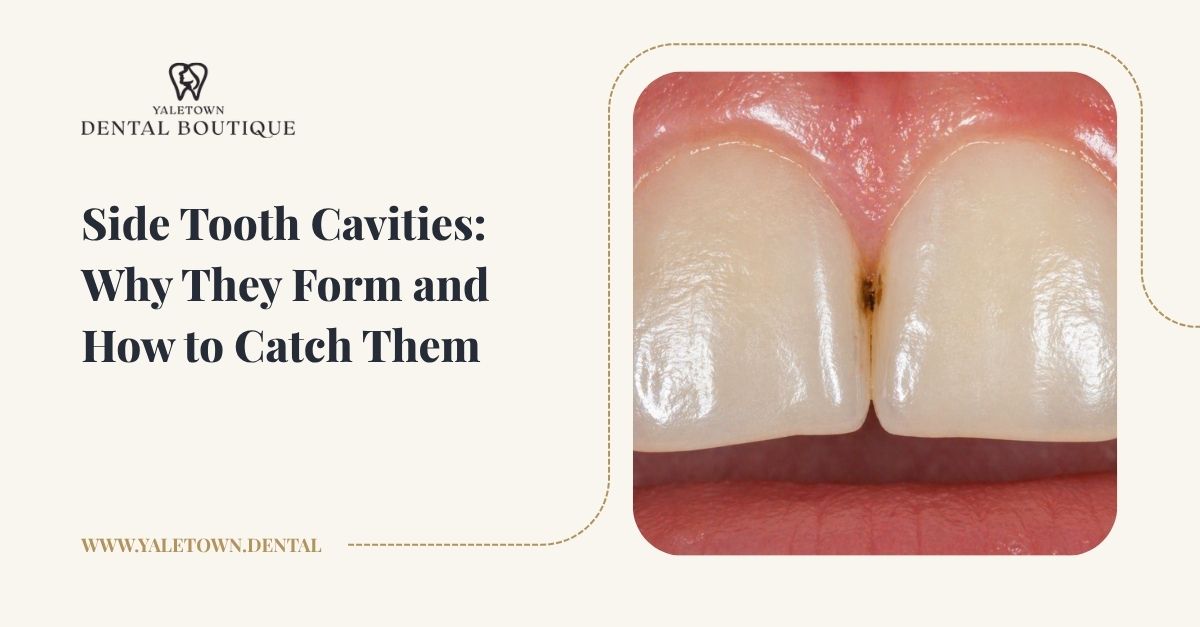
Not all black spots on teeth are cavities. In many cases, dark areas are simply stains, pigment in natural grooves, or other surface-level changes that do not involve structural damage. Because different causes can look similar, colour alone does not reliably show what is happening.
At the same time, visual inspection alone is not reliable for telling whether a black spot is a harmless stain, an early enamel change, or a developing lesion. Some spots are surface-level only, while others reflect changes within the tooth that require closer evaluation. Understanding the difference requires looking beyond colour alone and considering what the spot actually represents.
What to Do Right Away
Not all black spots are cavities, but they should not be dismissed without thought. The first step is to protect the tooth while taking a clear, measured approach to understanding what the spot may represent.
Immediate Guidance
Start with simple, practical steps that avoid assumptions and protect the tooth from unnecessary stress.
- Do not assume the spot is a cavity based only on its colour
- Avoid aggressive scraping, picking, or frequent use of whitening products on the area
- Maintain gentle but thorough brushing and flossing to keep the area clean
- Observe whether the spot changes in size, colour, or texture over time
- Schedule an evaluation if the spot persists or continues to raise concern
You can also read about how to whiten a dead or darkened tooth.
Professional Evaluation (Essential)
Appearance alone cannot determine what is happening beneath the surface, making proper assessment important.
- Examine the area visually and by touch to understand surface texture and response
- Distinguish between surface staining and deeper changes within the enamel
- Use imaging when needed to check for changes not visible externally
- Assess overall risk to determine if the area shows early signs of weakening
When Black Spots Need Attention
Not all black spots are a concern, and many remain unchanged over time. However, certain changes in appearance or feel suggest that the area may need closer assessment and should not be overlooked.
The Spot Darkens or Enlarges
If a spot becomes darker or appears to spread over time, it may indicate that the area is changing rather than remaining stable. A gradual increase in size or intensity of colour suggests ongoing activity, making it reasonable to have it evaluated rather than continuing to observe it.
Texture Feels Rough or Sticky
Running your tongue over the area and noticing a rough or slightly sticky texture can signal that the surface is no longer smooth. This change in feel may reflect alterations at the surface level, which are easier to assess early before they become more established.
Food Frequently Catches in the Area
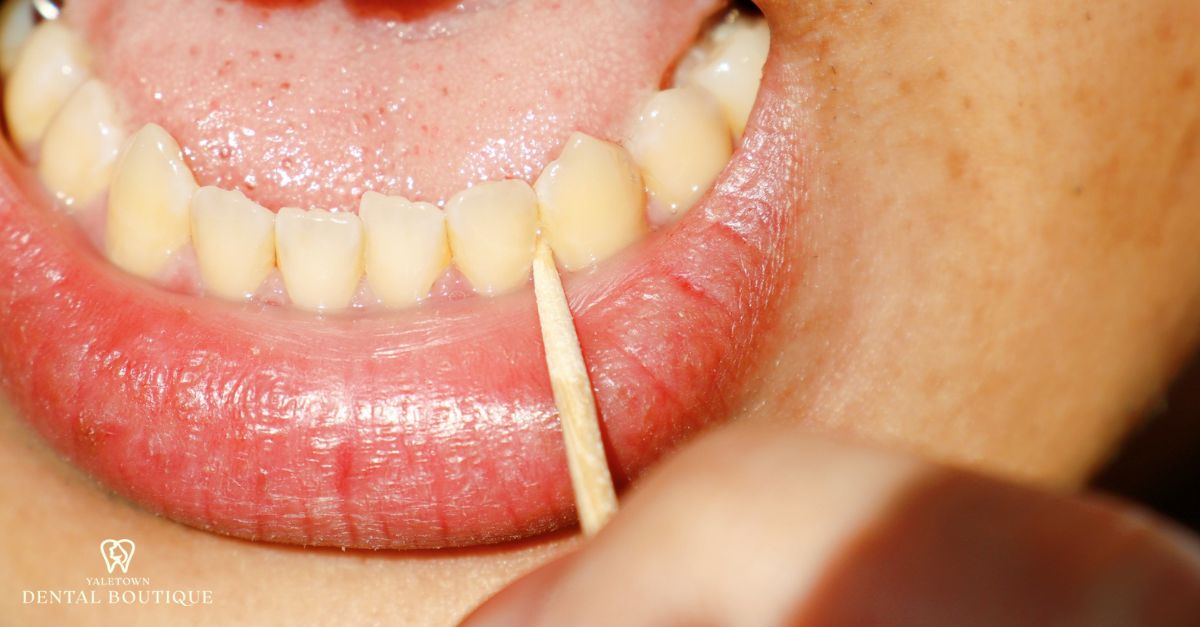
If food begins to collect in a spot where it previously did not, it can indicate that the surface has changed in shape or consistency. Repeated food trapping may suggest a developing irregularity, which is best assessed rather than managed through routine cleaning alone.
The Spot Is in a Deep Groove or Near the Gumline
Spots located in natural grooves of the tooth or close to the gumline can be harder to evaluate visually. These areas tend to hold debris more easily, so any persistent discolouration in these locations is worth examining more closely.
History of Cavities or Higher Decay Risk
If you have had cavities in the past or have been told you are at higher risk, changes like black spots may carry more significance. In this context, even small or subtle changes are better assessed early to understand their meaning.
Why Black Spots Appear
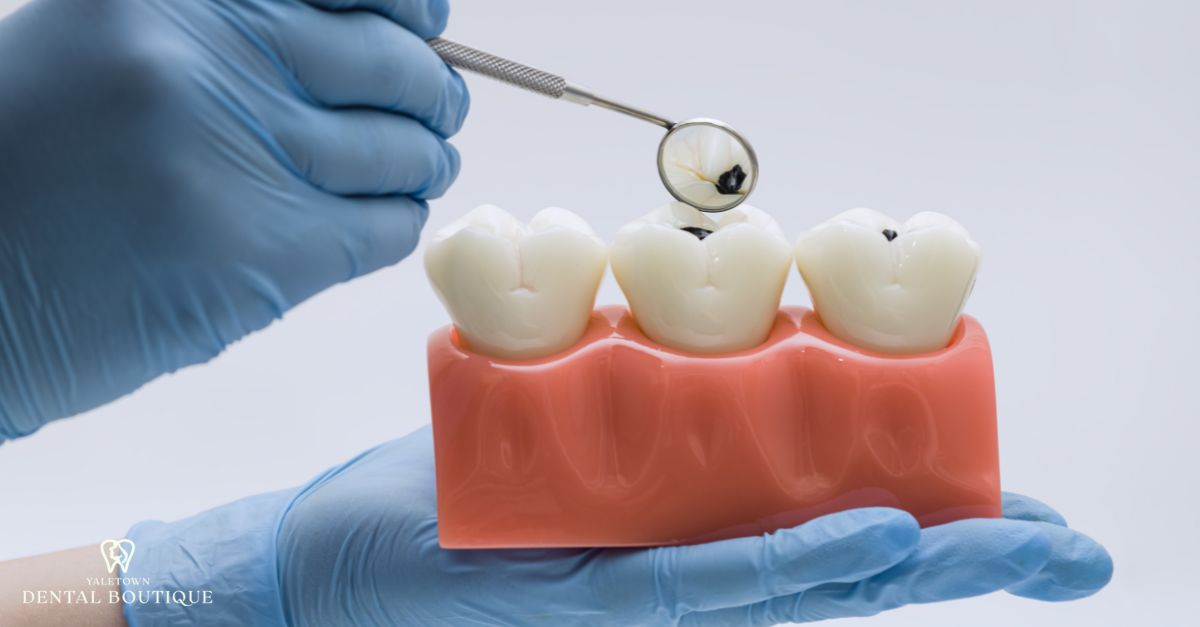
Black spots on teeth can develop for different reasons, and their appearance alone does not clearly indicate what they represent. Some are harmless surface changes, while others may reflect early changes within the tooth. Understanding the difference often requires a closer look through dental exams & diagnosis rather than relying on colour alone.
Benign and Non-Cavity Causes
Some black spots are caused by surface-level changes that do not involve damage to the tooth structure.
Common examples include staining from coffee, tea, wine, or smoking, as well as pigments from certain bacteria that form thin dark lines near the gums. Hardened plaque (tartar) can also absorb stains and appear dark. In addition, natural grooves in teeth may collect pigment over time. These changes affect the surface and do not mean the tooth is breaking down.
Early Structural Changes
Some black spots reflect subtle changes beneath the surface, even when the tooth still appears intact.
Early mineral loss in the enamel can alter how light reflects, making areas appear darker. In some cases, these changes represent early-stage decay that has not yet formed a cavity. Staining within deep grooves can also occur without visible breakdown. These situations are less about surface colour and more about how the enamel is changing internally.
Less Common Causes
Not all dark spots originate from external staining or early enamel changes.
In some cases, older dental work can influence how light interacts with the surrounding tooth, creating darker areas. Changes within the tooth itself (such as those related to past injury or certain medications) can also affect colour. These types of discolouration develop from within rather than on the surface.
Early Warning Signs
Some black spots stay unchanged, while others show small differences over time. These changes can appear before anything obvious is visible. Noticing subtle shifts can help you recognize when a spot may be changing.
- Chalky or slightly softened enamel around the dark spot
- Sensitivity in or around the area
- colour change from light brown to darker or more noticeable black
- Loss of natural enamel shine, giving the area a dull appearance
- Slight difference in how the surface feels compared to surrounding enamel
What Black Spots Really Mean
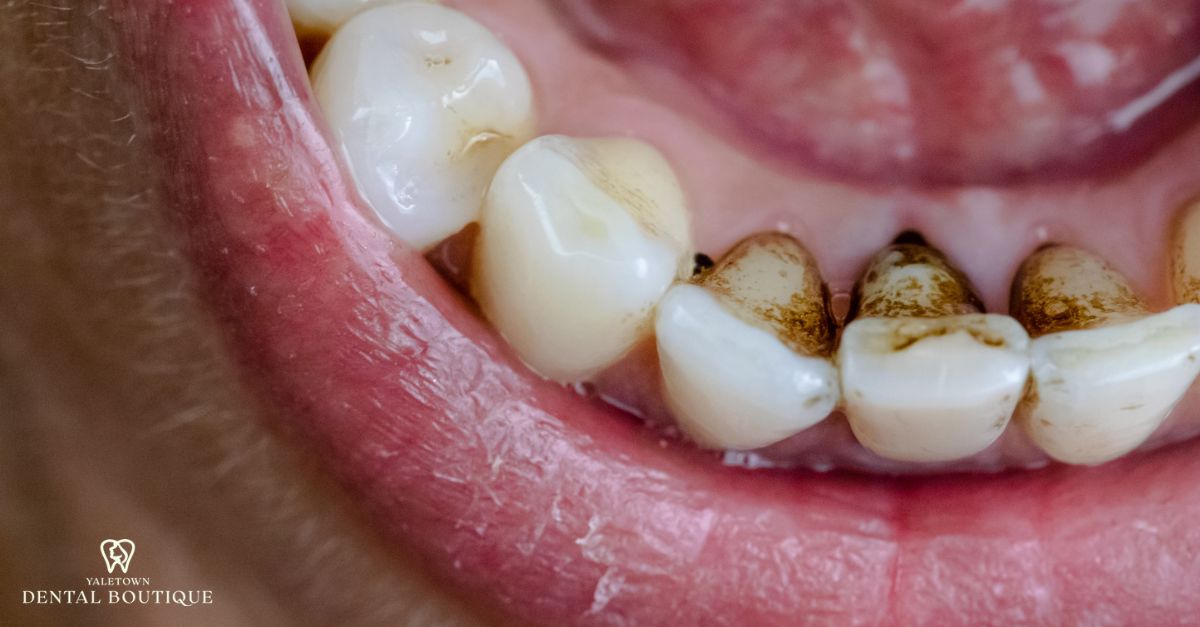
Black spots on teeth do not automatically mean decay. colour alone is not enough to determine what is happening. Many dark areas are simply stains that collect in natural grooves or surface irregularities, even when the tooth itself remains intact.
For a dark spot to be considered a cavity like a side tooth cavity, there must be structural breakdown in the tooth, not just a change in colour. Dark pigment alone does not confirm decay. Because different conditions can look similar, visual inspection alone is not reliable for making that distinction.
A proper evaluation is the only way to confirm what a spot represents. Identifying changes early allows them to be monitored or managed appropriately, helping avoid unnecessary drilling and preserving healthy tooth structure.
How Black Spots Are Treated
How a black spot is managed depends on its underlying cause rather than appearance alone. Some spots can be addressed with professional stain removal and polishing, while others require monitoring or preventive care based on how the enamel is changing.
In cases where discolouration is purely external, options such as teeth whitening may be considered after proper evaluation. The priority is to address the issue appropriately while preserving as much natural tooth structure as possible, and not all spots require active treatment.
If the Spot Is a Surface Stain
When the discolouration is limited to the surface, it can often be removed with professional cleaning and polishing. Techniques such as air polishing may be used to lift stains from enamel without affecting the tooth itself. In these cases, the dark colour is external, and the underlying tooth remains healthy and unchanged.
If the Spot Is Tartar-Related
If the spot is linked to hardened plaque, it cannot be removed with regular brushing alone. Professional removal is needed to clear the buildup and restore a smoother surface.
Ongoing care, including regular cleanings and daily hygiene habits, plays an important role in prevention, and is typically managed through dental hygiene visits in Yaletown at Yaletown Dental Boutique.
If Early Decay Is Detected
When early changes within the enamel are identified, the focus is on slowing or reversing progression. This may involve supporting the tooth’s natural repair process and monitoring the area over time. More involved care is only considered if changes continue, with an emphasis on preserving healthy structure and avoiding unnecessary drilling whenever possible.
Yaletown Dental Boutique’s Diagnostic Approach

At Yaletown Dental Boutique, black spots are assessed with a diagnostic-first approach focused on precision. Careful examination uses controlled lighting, magnification, and a risk-based review to understand how the area presents beyond surface appearance.
Diagnosis is guided by what is observed, not assumed. The process distinguishes between surface staining, early enamel changes, and true decay, using both visual and tactile assessment when needed. Because similar-looking spots can represent different conditions, decisions are based on findings rather than appearance alone.
Care is then directed toward the least invasive option that fits the diagnosis. Discolouration may be safely removed when appropriate, while areas of concern are monitored to track any change over time. The emphasis remains on preserving natural tooth structure and supporting long-term stability through prevention.
Book an appointment at Yaletown Dental Boutique for a precise assessment as part of general dentistry in Yaletown, focused on accurate diagnosis and conservative care.
Conclusion
Black spots on teeth are not always cavities, but they are also not something to ignore. Because different conditions can look similar, it is difficult to know what a spot represents without proper evaluation. What appears to be a simple stain may be completely harmless, while other dark spots may reflect early enamel changes or developing decay that are not obvious from colour alone.
Checking these areas early helps prevent small surface changes from progressing into something more involved. A clear assessment allows the right approach to be taken without unnecessary treatment or delay.
If you’ve noticed a persistent dark spot, book an appointment at Yaletown Dental Boutique for a proper assessment. Based on the findings, options may include elements of cosmetic dentistry in Yaletown, depending on whether the concern is purely cosmetic or requires closer monitoring.
Do black spots on teeth always mean cavities?
No, black spots do not always mean cavities. Many are surface stains or harmless changes. A cavity involves structural breakdown, which cannot be confirmed by colour alone.
Can a black spot on a tooth be just a stain?
Yes, many black spots are simply stains from food, drinks, or natural grooves. These affect the surface only and do not necessarily indicate damage to the tooth.
How can I tell if a black spot is serious?
It is difficult to tell by appearance alone. Changes in size, texture, or persistence may suggest something more, but proper evaluation is needed to determine what the spot represents.
Can black spots go away on their own?
Some surface stains may fade slightly with good hygiene, but most do not disappear completely on their own. Spots related to internal changes typically remain without proper assessment.
Should I try to remove a black spot at home?
It is not recommended to scrape or aggressively treat the area yourself. This can damage the enamel. Gentle cleaning is appropriate, but further steps should be guided by evaluation.
When should I see a dentist about a dark spot?
If a spot persists, changes over time, or feels different, it is reasonable to have it checked. Evaluation helps determine whether it is a stain or something requiring attention.
Are black spots more common in certain areas of the teeth?
Yes, they often appear in grooves on chewing surfaces or near the gumline. These areas can trap stains more easily, making discolouration more noticeable.