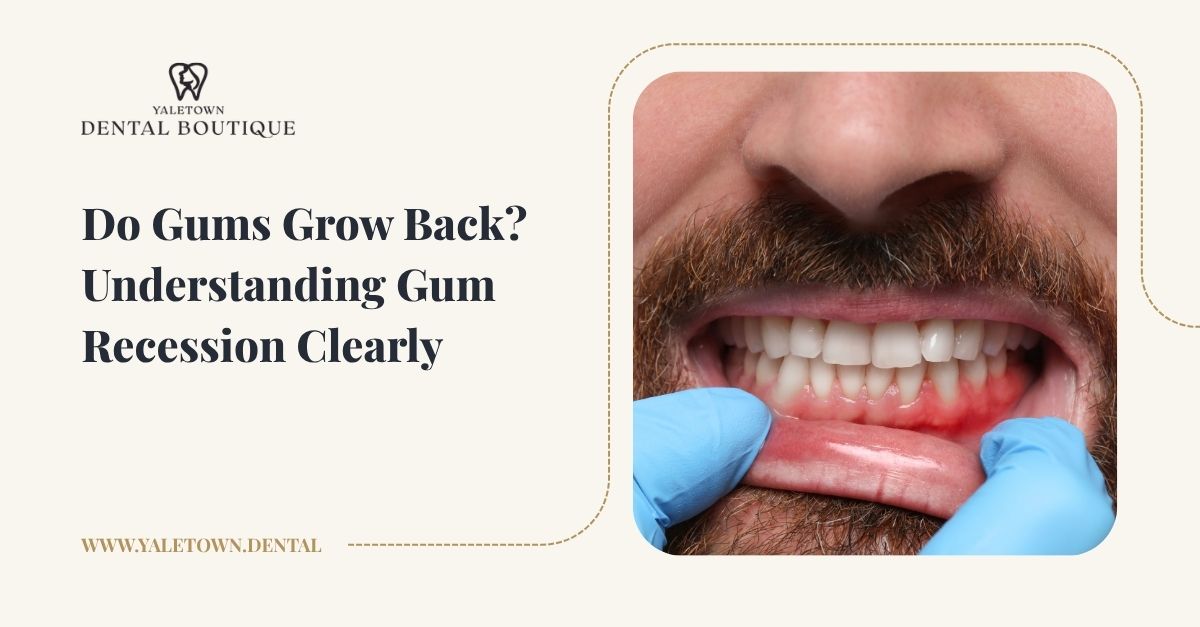
“Do gums grow back?” is a question many people ask when they start noticing their teeth looking longer or feeling more sensitive. It’s a common belief that gums might return on their own, especially if the issue seems mild at first. What many people are really trying to understand is whether gum recession can reverse or if the change is permanent once gums have receded.
Part of the confusion comes from how similar gum irritation and gum recession can appear. Redness or swelling may improve with better care, but recession involves a different type of change that is not reversible through routine hygiene alone.
This does not mean the condition cannot be managed. While gum tissue does not regenerate naturally, progression can often be stabilized, and in some cases, root coverage may be improved through appropriate clinical treatment.
Do gums grow back after receding?
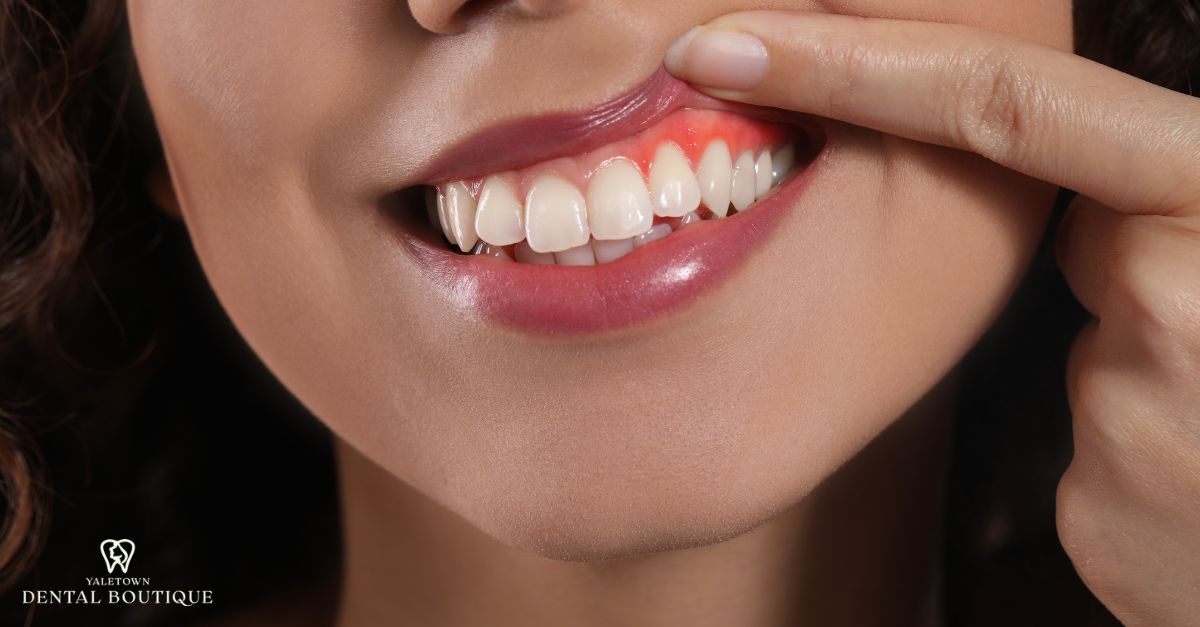
Gums do not grow back once they have receded. This change reflects permanent loss of gum tissue rather than a temporary condition. While the tissue does not return on its own, the condition can be managed effectively.
Although the lost tissue does not regenerate, the situation can still be controlled. Progression can be slowed or stopped, helping protect the exposed root and surrounding structures. In some cases, coverage can be improved through clinical intervention, depending on individual factors. Addressing the issue earlier generally allows for simpler management and more predictable outcomes.
What Gum Recession Really Means
Gum recession occurs when the edge of the gum tissue moves downward (toward the root) along the tooth. This shift exposes more of the tooth surface and, in many cases, part of the root. As this happens, the natural attachment that helps protect and support the tooth is reduced. It is not just a surface issue; it reflects a structural change in how the gum and tooth connect.
Gum recession is a structural loss of tissue, not an inflammatory condition. Unlike gingivitis, where gums may return to normal with proper care, lost gum tissue does not regenerate on its own. Recession often develops without pain in the early stages, which makes it easy to miss until visible changes become more apparent.
Why Gums Recede
Gum recession usually develops from a combination of factors rather than a single cause. It is not always linked to poor oral hygiene, and understanding the different contributing categories helps explain why it can occur in a range of situations.
Mechanical Factors
Physical forces applied to the teeth and gums can influence how the tissue responds over time. Brushing too aggressively or using improper technique can gradually wear the gum margin. Repeated pressure from clenching or grinding can also affect the supporting structures. In some cases, orthodontic tooth movement may shift teeth into positions where the surrounding gum is more vulnerable to recession.
Bacterial and Inflammatory Factors
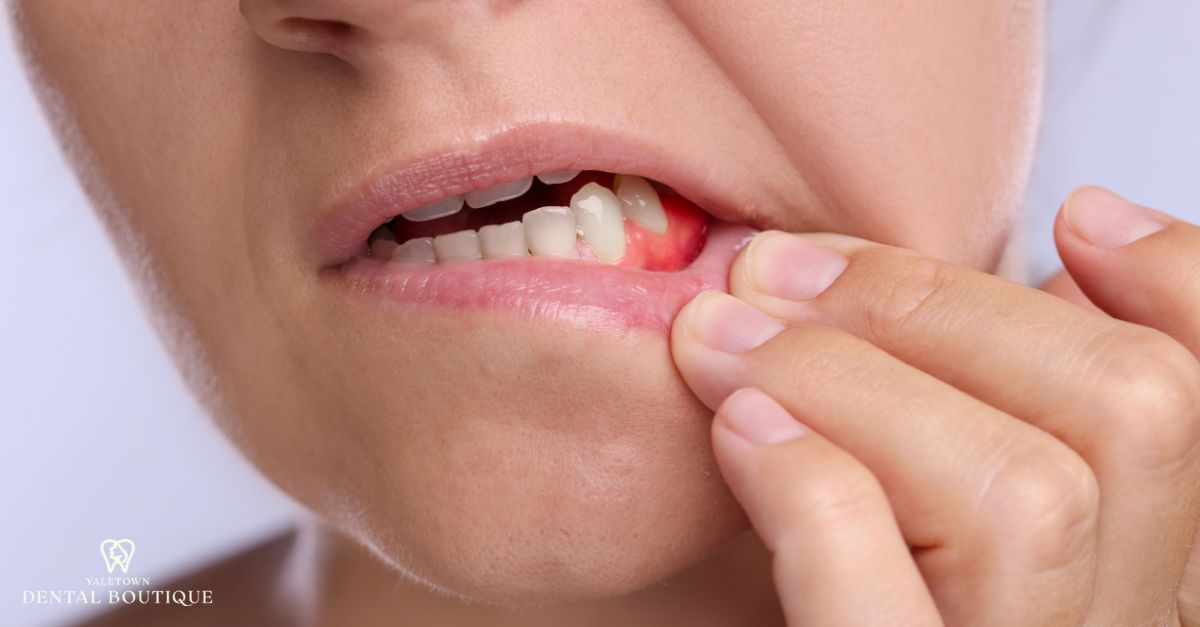
Buildup of plaque and hardened deposits along the gumline can lead to ongoing irritation. When this progresses, it may contribute to periodontal disease, where the supporting tissues are affected more deeply.
Consistent dental hygiene plays a role in managing this buildup, but once deeper changes occur, the tissue may no longer respond in the same way as simple inflammation.
Anatomical and Lifestyle Factors
Some individuals naturally have thinner gum tissue, which may be more prone to recession over time. Lifestyle factors such as smoking or vaping can also influence how the gums respond and heal. In addition, individual susceptibility varies, meaning that similar habits can affect people differently depending on their underlying tissue characteristics.
When Recession Becomes a Problem
Gum recession often begins as a mild or primarily cosmetic change, such as teeth appearing slightly longer. Over time, however, it can shift from a visual concern to something that affects how the teeth and supporting structures function. This progression is usually gradual rather than sudden.
As recession advances, the exposed root surface may become more sensitive, especially to temperature. There is also a higher risk of root decay in these areas. Changes in appearance can become more noticeable, and in some cases, the supporting bone may be affected. This can make teeth more vulnerable or slightly mobile over time, increasing the risk of long-term complications if not monitored.
An evaluation at Yaletown Dental Boutique allows for precise measurement of gum levels and assessment of progression, guiding appropriate care through gum disease treatment in Yaletown.
Treatment Options Explained
Receding gums treatment is typically approached in stages. The focus is first on stabilizing the condition, then considering corrective options if appropriate. These steps are typically guided through dental exams & diagnosis to understand what is needed in each case.
Stabilization (Non-Surgical)
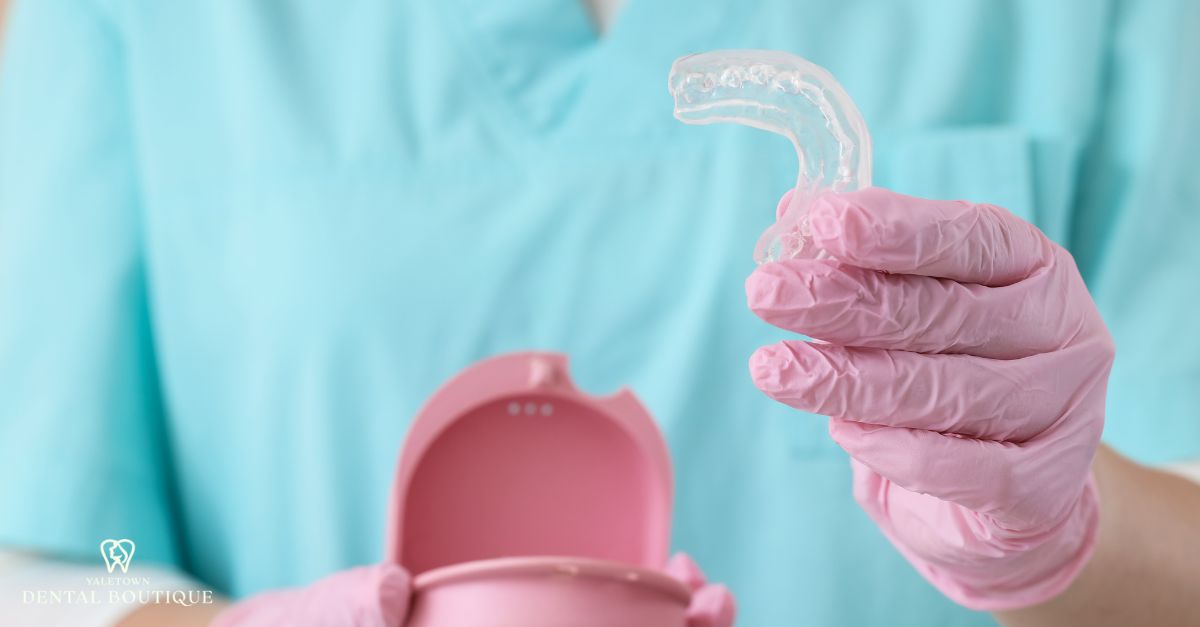
The first priority is to stop further progression. This may involve adjusting brushing technique to reduce unnecessary pressure on the gums and improving cleaning between teeth to manage plaque buildup.
Desensitizing approaches can help reduce discomfort, while bite-related factors may be addressed with adjustments or protective appliances such as night guards. Managing inflammation also plays a role in helping maintain gum stability over time.
Correction (Clinical Intervention)
In some cases, improving gum coverage may be considered. This can involve procedures such as connective tissue grafts or free gingival grafts, depending on the condition of the tissue.
Techniques like the pinhole approach may be used in selected situations, and in certain cases, restorative methods can help reduce the appearance of exposed roots. These options are chosen based on individual needs rather than being used in every case.
Surgical treatment is not required in every case and is typically considered only when recession is advanced or symptoms cannot be managed through stabilization alone. When detected early, many cases can be managed without surgery.
What Treatment Can and Cannot Do
Treatment can help stop recession from worsening and protect the tooth over time. In some cases, coverage can be improved, but the tissue does not return exactly to its original form. Earlier intervention often allows for simpler correction, while untreated recession tends to progress gradually, which can make management more complex over time.
Timing plays a critical role, as earlier intervention allows for more conservative management, while delayed treatment increases the likelihood of surgical correction.
Why Professional Care Matters
Daily care at home plays an important role in maintaining gum health, but it has clear limitations. Brushing and flossing can help reduce irritation and keep the area clean, but they cannot reverse gum recession once it has occurred. In addition, small changes in gum levels or progression are often difficult to notice or measure without proper tools.
Professional care adds a level of assessment that is not possible at home. A routine dental exam allows for accurate measurement of gum levels and monitoring over time. It also helps identify contributing factors such as bite pressure, bone support, or ongoing inflammation.
This information is used to guide appropriate management decisions based on what is actually present, rather than what can be assumed from symptoms alone.
Yaletown Dental Boutique’s Periodontal Approach
At Yaletown Dental Boutique, gum concerns are approached with a diagnostic-first focus. The initial step is to distinguish between inflammation that may be reversible and true structural recession. This differentiation helps ensure that each condition is understood accurately before any decisions are made.
Planning is based on what is clinically present. Conditions that can be stabilized are managed conservatively, while areas of established tissue loss are assessed for whether correction is appropriate. When broader structural or tooth-related considerations are involved, this may also be supported through restorative dentistry in Yaletown as part of the overall care approach.
Ongoing care emphasizes monitoring and prevention. Gum levels are tracked over time, and attention is given to reducing factors that may contribute to further change. The goal is to maintain stability and reduce the likelihood of recurrence through consistent, measured follow-up.
An evaluation at Yaletown Dental Boutique can help clarify how these findings apply to your specific situation.
Conclusion
Gums do not grow back naturally once recession has occurred. However, this does not mean the condition cannot be managed. With the right approach, progression can often be stabilized, and the supporting structures can be protected over time. Early evaluation plays an important role in keeping management simpler and reducing the need for more involved care later.
Taking the next step before changes progress further allows for clearer understanding and more measured decision-making. If you have concerns about gum recession, you can schedule an appointment at Yaletown Dental Boutique to assess your situation and help prevent progression toward more complex treatment.
Can gums grow back after receding?
No, gum tissue does not grow back naturally once it has receded. However, the condition can often be stabilized, and in some cases, coverage may be improved with appropriate clinical care.
Is gum recession always serious?
Not always. In early stages, it may be mild and mainly cosmetic. Over time, it can become more significant, so monitoring changes helps determine whether it requires closer attention.
Can brushing too hard cause gum recession?
Yes, brushing with excessive force or improper technique can contribute to gum recession over time. Adjusting technique can help reduce further wear on the gum tissue.
Can brushing too hard cause gum recession?
Yes, brushing with excessive force or improper technique can contribute to gum recession over time. Adjusting technique can help reduce further wear on the gum tissue.
Can gum recession be reversed without surgery?
Recession itself cannot be reversed naturally or through non-surgical care. However, progression can often be slowed or stopped, and symptoms such as sensitivity can be managed effectively.
When should I see a dentist about receding gums?
If you notice your teeth appearing longer, increased sensitivity, or changes along the gumline, it is reasonable to have it evaluated. Early assessment helps guide appropriate management.
Does gum recession always lead to tooth loss?
No, not necessarily. Many cases can be managed without leading to tooth loss. The outcome depends on how the condition progresses and how it is monitored over time.
Can gum recession be prevented?
In many cases, progression can be reduced by maintaining good oral care, using proper brushing technique, and addressing contributing factors early. Not all cases can be fully prevented, but risk can often be lowered.