At a Glance:
Lower teeth pain is a symptom, not a diagnosis. It can come from teeth, nerves, gums, bite issues, or even nearby areas, which is why the location of pain doesn’t always reveal the true cause.
Some discomfort can be monitored, but persistent or changing pain should be evaluated. Identifying the source early helps avoid unnecessary treatment and reduces the risk of more complex problems later.
Lower teeth pain can feel confusing, especially when it appears suddenly or without a clear reason. You might notice discomfort, pressure, or sensitivity even though your teeth look normal. It’s common to question whether something serious is developing or if it will pass on its own.
One important point to understand is that pain in the lower teeth does not always come directly from the teeth themselves. The sensation you feel may be influenced by several factors working together. Before making assumptions, identifying where the pain is actually coming from is the first step in understanding what’s happening.
Why do my bottom teeth hurt?

Lower teeth pain can come from different sources, and the location of discomfort does not always indicate where the problem originates. Even when your teeth look normal, the underlying cause may come from:
- The tooth itself (decay, cracks, or internal inflammation)
- The nerve inside the tooth
- The surrounding gums or supporting bone
- Bite pressure or jaw mechanics
- Referred pain from nearby structures such as the jaw joint or muscles
Because of this range, identifying the true source of the pain is the first step before deciding on the most appropriate course of action. Importantly, the location of pain does not always reflect its true source.
Common Dental Causes of Lower Teeth Pain
Dental conditions are often the most direct source of pain in the lower teeth. Some causes are visible during a basic check, while others develop beneath the surface and are not immediately obvious.
Tooth Decay or Cracked Teeth
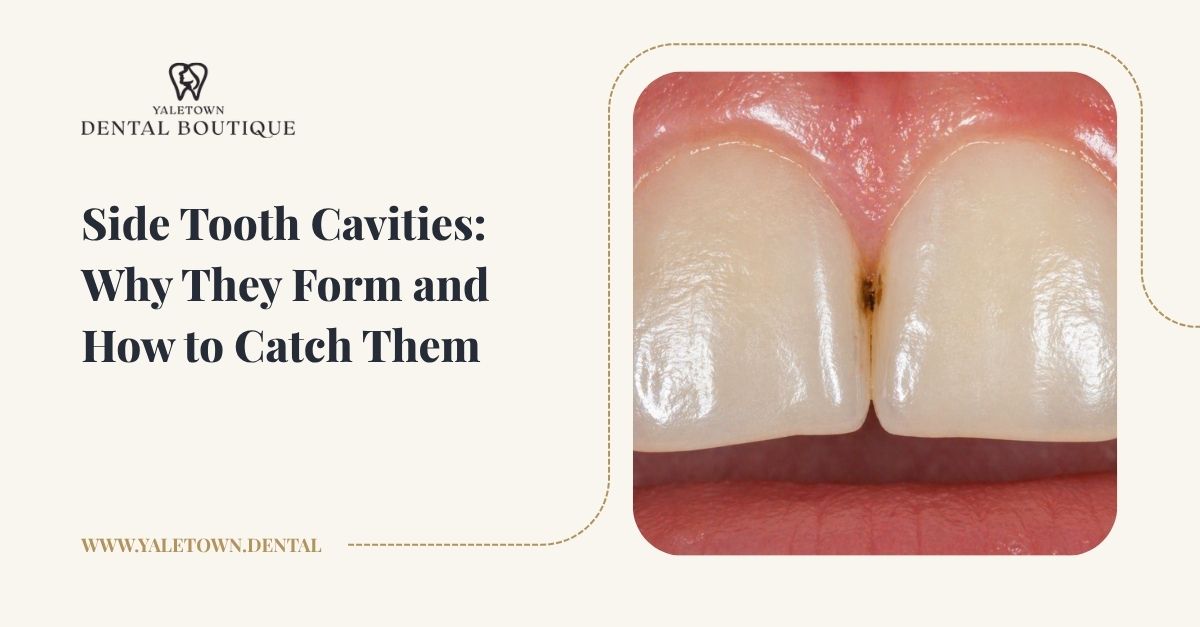
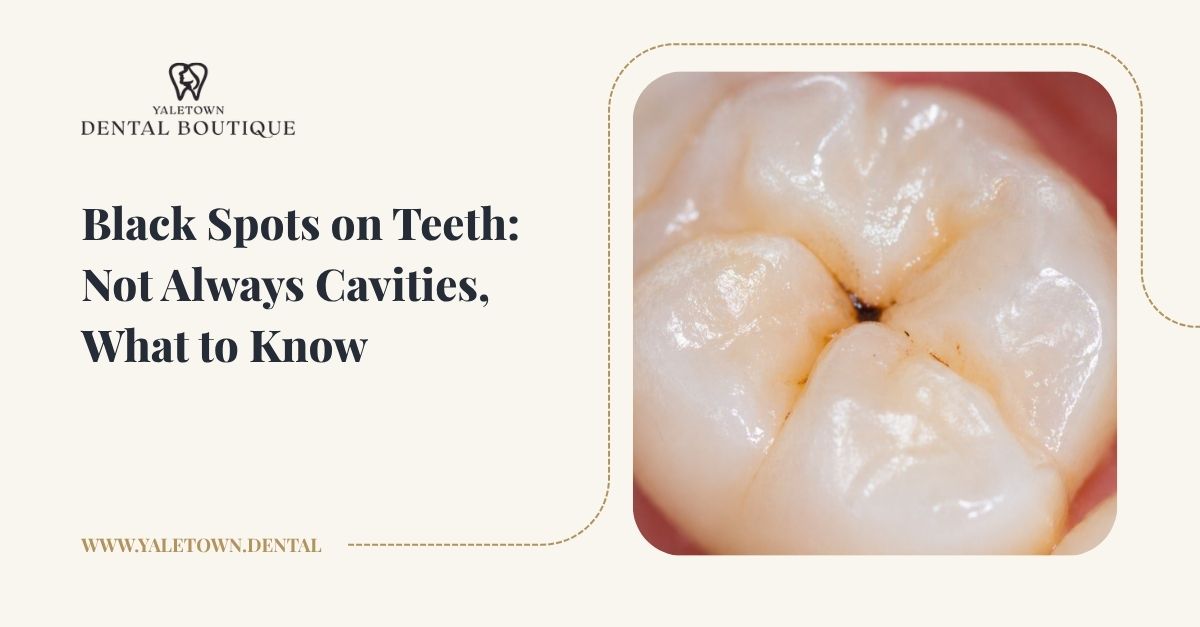
Early decay or small cracks in a tooth can lead to sensitivity or mild discomfort, especially when eating or drinking. These changes may not be visible at first, particularly if they occur between teeth or within deeper layers. Over time, they can become more noticeable as the tooth structure is affected.
Pulp Inflammation (Pulpitis)
Inside each tooth is a soft tissue called the pulp, which contains the nerve. When this area becomes irritated or inflamed, it can cause varying levels of discomfort. In some cases, the irritation is temporary, while in others it may progress and lead to more persistent symptoms.
Dental Abscess or Infection
An infection near the root of a tooth or within the surrounding gum can cause ongoing discomfort. This type of pain is often described as deep or throbbing and may be accompanied by a feeling of pressure. In some cases, swelling in the area may also be present.
Gum Disease
Conditions affecting the gums and supporting bone can also lead to pain or sensitivity in the lower teeth. As the supporting structures are affected, the teeth may feel slightly different when biting or chewing, even if the teeth themselves appear unchanged.
Exposed Tooth Roots
When gum tissue recedes, it can expose the root surface of the tooth. Unlike enamel, this area is more sensitive to temperature and touch. This can lead to short, sharp discomfort when consuming hot, cold, or sweet foods and drinks.
When the Pain Isn’t Coming From the Teeth
Lower teeth pain can sometimes come from outside the teeth themselves. This is known as referred pain, where the source is elsewhere but the sensation is felt in the lower jaw. It helps explain why discomfort may be present even when no visible tooth problem is found.
TMJ Disorders
The jaw joint, located near the ear, plays a key role in how the lower jaw moves. When this joint is strained or not functioning smoothly, it can create pressure or aching that feels like it’s coming from the lower teeth. The discomfort may shift or feel difficult to pinpoint.
Bruxism (Clenching or Grinding)

Clenching or grinding the teeth, often during sleep or stress, places repeated pressure on the lower teeth and jaw. This can lead to a dull, sore feeling rather than sharp pain. Many people notice this discomfort more in the morning or after periods of tension.
Nerve-Related Pain
Irritation or compression of nearby nerves can create sensations that resemble tooth pain. This type of discomfort may feel sharp, sudden, or radiating, and it may not stay in one place. It can be difficult to match the feeling to a specific tooth.
Sinus or Ear-Related Referral
Structures near the jaw, such as the sinuses or ears, can sometimes send pain signals that are felt in the lower teeth. In these cases, the discomfort may seem out of place or not clearly connected to any one tooth.
Muscular or Postural Tension
Tension in the muscles of the jaw, face, or neck can also lead to discomfort that feels like tooth pain. This is often linked to stress, prolonged jaw use, or posture, and may come and go depending on activity or strain.
When Lower Teeth Pain Is an Emergency
Not all lower teeth pain is urgent, but certain patterns should not be ignored and require prompt evaluation. Mild discomfort may come and go, but persistent or changing symptoms should be assessed.
Pain that becomes more persistent or gradually worsens is one sign to pay attention to. Swelling in the gums, face, or jaw, or a bad taste in the mouth, can indicate a deeper issue.
Throbbing pain that interferes with sleep or a sudden increase in sensitivity to pressure may also point to involvement beyond the surface. In some cases, this type of deeper discomfort can relate to the inner part of the tooth, where procedures such as root canal treatment are sometimes considered as part of management.
If these changes are present, a clearer understanding of the source through dental exams & diagnosis can help determine what is actually causing the pain.
What You Can Do Right Away
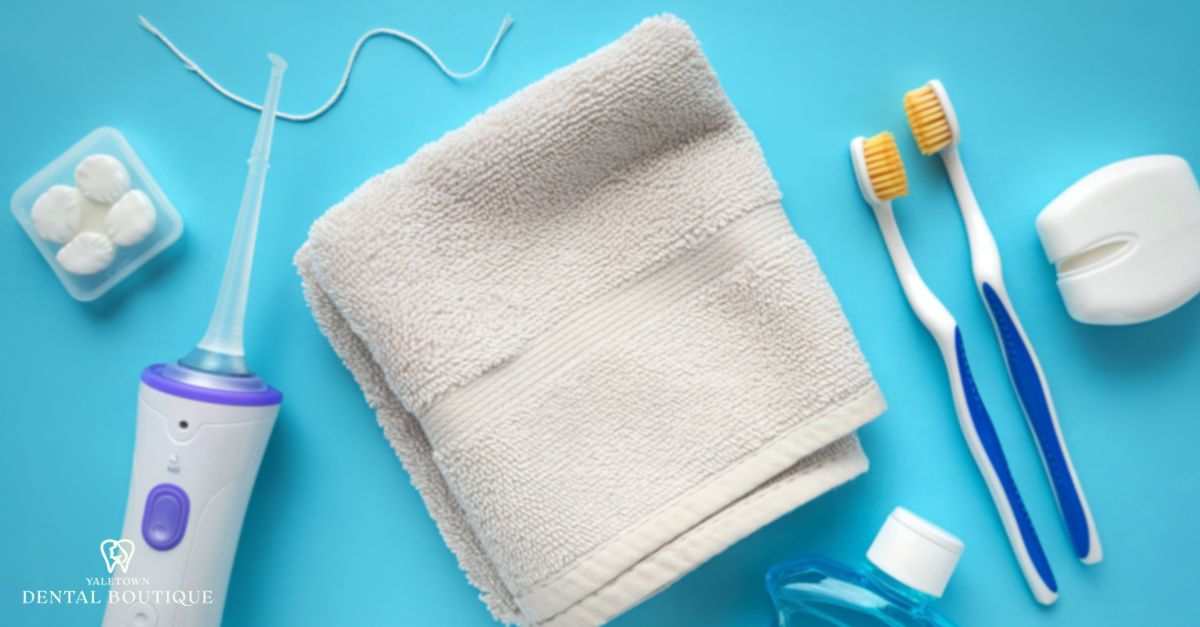
Here are immediate steps to take if you feel pain in your lower teeth:
- Avoid chewing on the painful side
- Avoid very hot or cold foods if sensitivity is present
- Maintain gentle but consistent oral hygiene
- Avoid assuming the cause based on how the pain feels
⚠️ Important Caution: Over-the-counter options may provide temporary relief, but they do not address the underlying issue. It is also important not to take antibiotics without professional guidance, as they do not address most causes of dental pain and may delay proper diagnosis.
How Lower Teeth Pain Is Diagnosed and Treated
Lower teeth pain should be evaluated based on its underlying cause, not just the symptoms. Because discomfort can originate from different sources, proper diagnosis is the first step before deciding on treatment.
How It Is Diagnosed
A structured assessment is used to determine where the pain is coming from. This may include checking how the teeth respond to temperature or pressure, evaluating the bite, and examining the gums and surrounding structures.
Imaging is often used to look beneath the surface for changes that are not visible. In some cases, the jaw joint and surrounding muscles are also assessed. This process helps distinguish tooth-related pain from nerve, bite, or referred sources so that conclusions are based on findings rather than assumptions.
Treatment Based on Cause
Treatment is guided by the specific cause rather than the location of pain. If the issue is related to the tooth structure, conservative care may be considered first. When the inner part of the tooth is involved, approaches such as root canal treatment may be discussed as part of managing deeper inflammation.
If bite pressure or grinding is contributing, options like custom mouthguards may help reduce strain. In cases where the source is not directly dental, management may focus on the jaw, muscles, or other contributing factors.
For a clearer understanding of what applies in your case, an evaluation at Yaletown Dental Boutique can help determine the source of the pain and guide whether care through general dentistry in Yaletown or another approach is more appropriate.
Why Professional Evaluation Matters
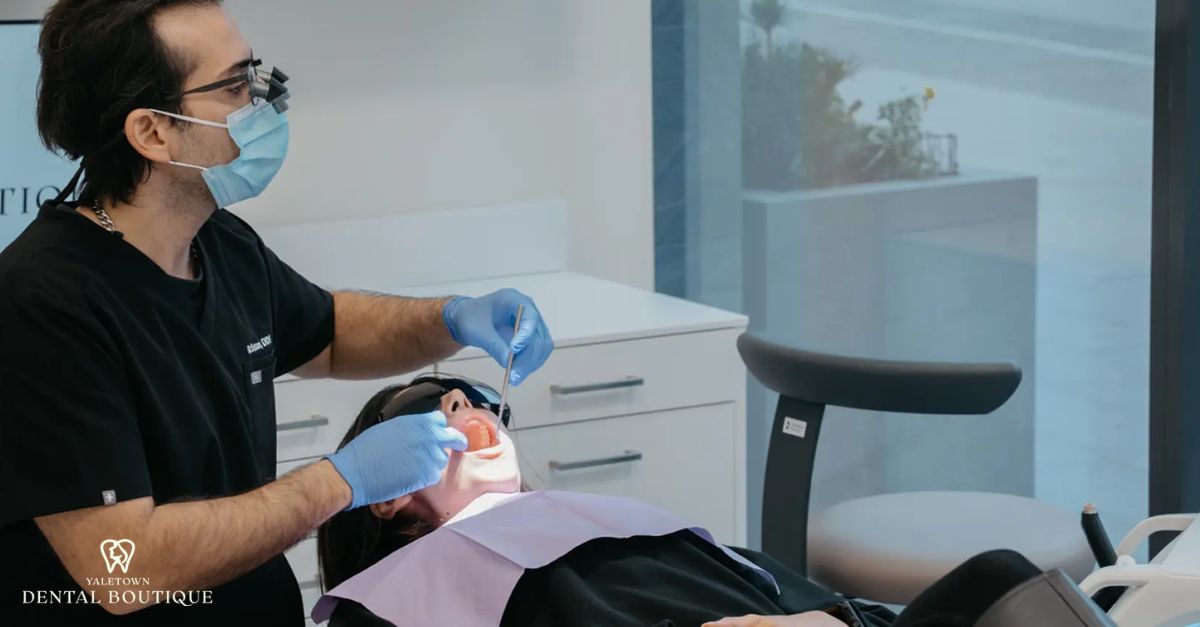
Lower teeth pain can be difficult to interpret without proper evaluation. Different causes, whether dental or not, can feel very similar, even when they come from completely different sources. For example, a jaw click may point toward a joint-related issue rather than the teeth themselves. Relying only on how the pain feels can lead to assumptions that don’t reflect what is actually happening.
When evaluation is delayed, smaller issues may gradually progress, or the real source of discomfort may remain unclear. This can lead to unnecessary concern or incorrect conclusions about what the problem might be. A proper assessment helps clarify the situation and guides the next step based on findings, rather than guesswork.
Yaletown Dental Boutique’s Pain-Focused Approach
At Yaletown Dental Boutique, the process begins with identifying the true source of pain rather than assuming it originates from the teeth. Lower teeth discomfort is evaluated in a broader context, including tooth structure, nerve response, bite patterns, and jaw function. This approach helps ensure that different contributing factors are considered from the start.
Careful assessment allows for clear differentiation between dental, nerve-related, and jaw-related pain. Because similar symptoms can arise from different sources, the focus is on establishing an accurate diagnosis before considering any next steps. This reduces the likelihood of misinterpretation based on symptoms alone.
Management is guided by what is actually found during evaluation. Decisions are made to address the source directly while avoiding unnecessary procedures. Follow-up and monitoring are used to confirm that the issue has resolved and to reduce the chance of recurrence over time.
Conclusion
Lower teeth pain is a symptom, not a diagnosis, and its cause is not always obvious from where the pain is felt. The discomfort you feel may come from the teeth, but it can also be related to nerves, gums, bite patterns, or nearby structures. Because different sources can feel similar, understanding what is actually causing the pain is key to addressing it appropriately.
Recognizing this early helps reduce the chance of the issue becoming more complex over time.
Rather than trying to interpret the pain on your own, a proper evaluation can clarify what is happening and guide the next step. This can help avoid unnecessary treatment while also reducing the risk of complications such as infection or tooth loss.
If you are experiencing ongoing discomfort, scheduling an evaluation at Yaletown Dental Boutique can help provide clear answers based on your specific situation.
Why do my bottom teeth hurt even if they look normal?
Pain can come from beneath the surface or from nearby structures. Even when teeth look fine, the source may involve nerves, bite pressure, or referred pain from other areas.
Is lower teeth pain always caused by a cavity?
No, cavities are only one possible cause. Lower teeth pain can also come from gum issues, nerve irritation, jaw mechanics, or non-dental sources that feel similar.
Can jaw problems cause lower teeth pain?
Yes, issues with the jaw joint or surrounding muscles can create discomfort that feels like tooth pain. This type of pain may shift or feel difficult to localize.
How do I know if the pain is coming from a nerve?
Nerve-related pain often feels deeper, sharper, or more difficult to pinpoint. However, symptoms alone are not always reliable, so proper evaluation is needed to confirm the source.
When should I see a dentist for lower teeth pain?
If the pain persists, worsens, or begins to interfere with daily activities, it is reasonable to have it evaluated. Changes over time are often more important than a single episode.
Can stress or grinding cause this type of pain?
Yes, clenching or grinding can place repeated pressure on the teeth and jaw, leading to soreness or sensitivity. This is often more noticeable after sleep or during stressful periods.
Does lower teeth pain always require treatment?
Not always. Some cases can be monitored, especially if symptoms are mild and temporary. The need for treatment depends on the underlying cause rather than the pain itself.