

Scaling and Root Planing in Yaletown

Scaling and root planing is a common non-surgical treatment used to manage gum disease. Often called a deep cleaning, it removes infection below the surface and gives your gums a chance to heal.

At Yaletown Dental Boutique, we’re here to help you feel informed, comfortable, and confident in your care.

Rated as “Excellent” (130 reviews)

1 min read

scaling and root planing, often called a deep cleaning, is a non-surgical treatment that removes infection below the gumline to stop gum disease from progressing. It helps reduce gum pockets, prevent bone loss, and protect your natural teeth. If you’re experiencing bleeding gums, bad breath, or gum recession, Yaletown Dental Boutique provides gentle, personalized periodontal care in Yaletown, Vancouver.

What Is Scaling and Root Planing?

Let’s take a closer look at what scaling and root planing means and why it plays an important role in gum health.

How This Treatment Protects Your Gums

Scaling and root planing is a non-surgical procedure used to treat gum disease by removing harmful bacteria beneath the gumline and supporting healthy gum reattachment.

What Does Scaling Involve?

Scaling carefully removes plaque and hardened tartar from below the gumline, targeting bacteria that brushing and flossing cannot reach.

What Is Root Planing?

Root planing smooths the tooth root surfaces, helping the gums reattach more securely and reducing spaces where bacteria collect.

Why Is It Important?

Unlike a routine cleaning, scaling and root planing treats active periodontitis and helps prevent further bone loss or tooth damage.

Begin Your Smile Journey

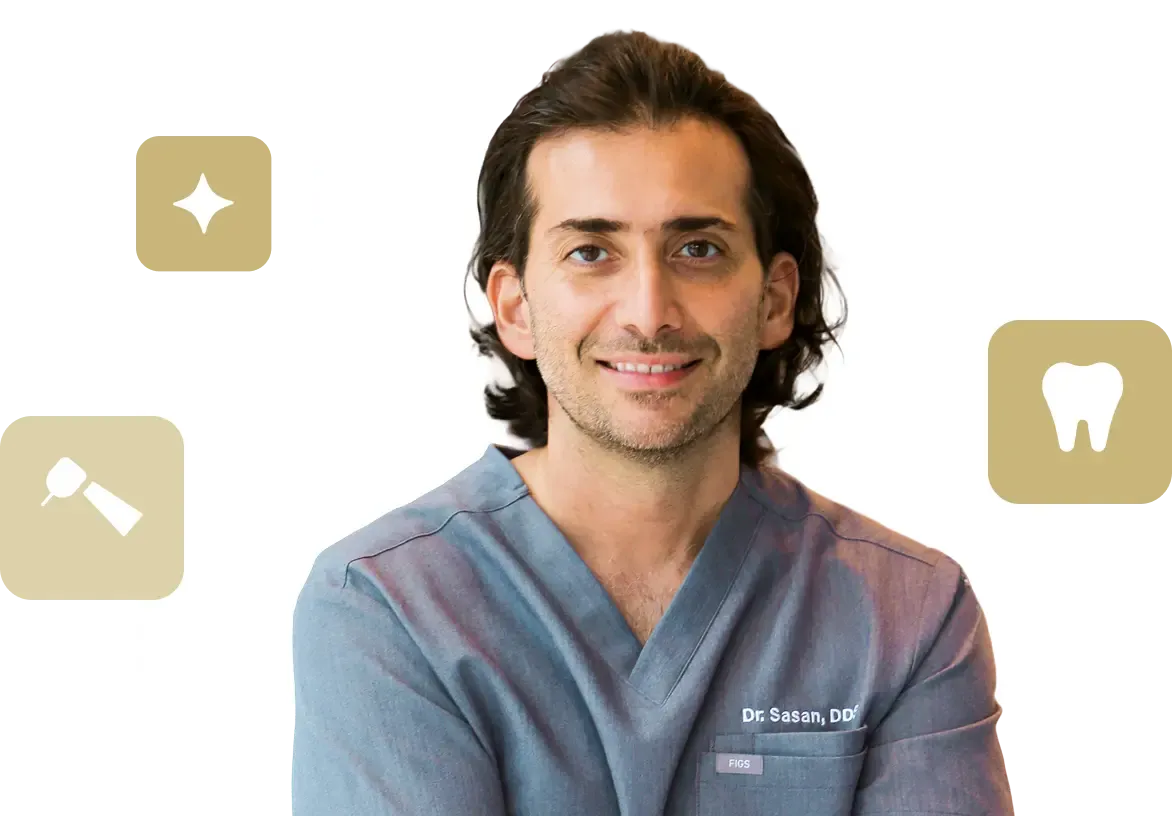
with Dr. Hadianfar

Dr. Sasan Hadianfar, General Dentist
Who Needs Scaling and Root Planing?

Scaling and root planing is typically recommended when signs of gum disease are present. If bacteria have moved below the gumline and begun affecting the supporting structures of your teeth, a deeper treatment may be necessary to restore gum health.

Signs You May Need Deep Cleaning

Bleeding Gums

Gums that bleed when brushing or flossing are often one of the earliest signs of gum inflammation.

Persistent Bad Breath

Chronic bad breath that doesn’t improve with regular brushing may signal bacteria buildup below the gumline.

Red, Swollen, or Tender Gums

Healthy gums should be firm and pink. Puffiness, sensitivity, or discomfort can indicate infection.

Receding Gums

If your teeth appear longer or you notice gaps forming near the gumline, gum recession may be developing.

Deep Gum Pockets

When spaces between your teeth and gums become deeper than normal, bacteria can collect where brushing cannot reach.

Loose Teeth

As gum disease progresses, it can weaken bone support, causing teeth to shift or feel loose.

Do Any of These Sound Familiar?

  • Your gums bleed regularly when brushing or flossing
  • Your breath stays unpleasant despite good hygiene
  • Your gums look darker, swollen, or feel sore
  • Food frequently gets trapped between your teeth
  • You’ve noticed gum recession or tooth sensitivity
  • It’s been a while since your last professional cleaning

If you recognize one or more of these signs, a periodontal evaluation may be the next step.

When Dentists Recommend SRP?

Dentists typically recommend scaling and root planing after diagnosing periodontitis, a more advanced form of gum disease that goes beyond mild surface inflammation. Diagnosis involves measuring gum pocket depths around each tooth and reviewing dental X-rays to check for bone loss.The good news is that needing SRP is common, especially in adults, and it is highly treatable. With timely care and proper maintenance, you can stop the progression of gum disease and protect your natural smile.

Key Differences Between Regular Dental Cleaning And Scaling And Root Planing

Many patients wonder why a regular cleaning isn’t enough. The difference lies in the purpose, depth, and level of treatment involved. Here’s how they compare side by side.

Key Differences Between Regular Dental Cleaning And Scaling And Root Planing

CategoryPreventive Maintenance To Remove Plaque And Tartar From Tooth Surfaces And Along The Gumline.Scaling And Root Planing (Deep Cleaning)
PurposePreventive Maintenance To Remove Plaque And Tartar From Tooth Surfaces And Along The Gumline.Therapeutic Treatment Designed To Address Active Gum Disease, Infection, And Inflammation Below The Gumline.
When It’s RecommendedFor Patients With Healthy Gums Or Mild Gingivitis, Shallow Pockets, And No Bone Loss.For Patients With Periodontitis, Bleeding Gums, Tartar Below The Gumline, And Pockets Deeper Than 4 Mm.
Depth Of CleaningCleans The Tooth Surfaces And Just Above The Gumline, Lightly Around Healthy Gum TissueCleans Below The Gumline Along Root Surfaces Inside Periodontal Pockets Where Bacteria Accumulate.
Area TreatedEntire Mouth Completed In One Visit.Usually Completed By Quadrant Or Half-Mouth Over One Or Two Appointments.
Time InvolvedTypically 30 To 60 Minutes For A Full-Mouth Cleaning.About 60 To 90 Minutes Per Side, Depending On Severity And Number Of Areas Treated.
Tools UsedUltrasonic Scaler And Standard Hand Instruments Designed For Above-Gum Plaque Removal, Followed By Polishing.Slim Ultrasonic Tips And Specialized Hand Instruments Designed To Clean And Smooth Root Surfaces Below The Gumline.
AnesthesiaNumbing Is Generally Not Required, Though Topical Gel May Be Used For Sensitive Areas.Local Anesthesia Is Commonly Used To Ensure Comfort While Cleaning Deeper Below The Gums.
FrequencyRecommended Every Six Months For Most Patients.Performed As Needed To Treat Gum Disease, Followed By Periodontal Maintenance Every 3 To 4 Months.
Aftercare And RecoveryLittle To No Discomfort; Patients Resume Normal Activities Immediately.Mild Soreness Or Sensitivity May Occur; Follow-Up Visits And Ongoing Maintenance Are Necessary.

What to Expect During and After the Procedure?

Here’s what you can expect before, during, and after your scaling and root planing treatment.

Before Your Appointment

    A comprehensive dental exam to assess your overall gum health

    Detailed periodontal measurements to evaluate pocket depths

    A clear discussion of your personalized treatment plan

    Explanation of local anesthetic options to ensure your comfort

    Opportunity to ask questions and address any concerns

During the Procedure

    Local anesthesia is gently administered to keep the area numb and comfortable

    Scaling and root planing is completed in sections, often by quadrant

    Specialized instruments are used to clean below the gumline and smooth roots

    Treatment is typically completed in one or two visits, depending on severity

    You can communicate with your dental team at any time if you need a break

After Your Treatment

    Mild soreness or tooth sensitivity for a few days is normal

    Gums may feel tender as they begin to heal and reattach

    You’ll receive clear home care instructions to support recovery

    A follow-up visit may be scheduled to monitor healing progress

    Ongoing periodontal maintenance cleanings may be recommended

Pain Management & Comfort

Your comfort is a priority throughout the procedure. Local anesthesia is used to thoroughly numb the treatment area, so you may feel gentle pressure or vibration but not pain.

After the numbness wears off, it’s normal to experience mild tenderness or sensitivity for a few days. Most patients describe the discomfort as manageable and temporary.

Helpful Tip: Taking an over-the-counter pain reliever before the anesthesia fully fades can help minimize post-treatment soreness.

When to Return for Follow-Up?

Your dentist will typically schedule a follow-up visit about 4 to 6 weeks after your final session to evaluate healing and remeasure gum pocket depths.

Based on your response to treatment, you may be placed on a periodontal maintenance schedule, often every 3 to 4 months, to help prevent gum disease from returning.

Staying consistent with maintenance visits plays an important role in protecting your long-term gum health.

Important Information for

CDCP Patients

Treatment under the Canadian Dental Care Plan is not fully covered. A co-payment will apply.

How Scaling and Root Planing Helps Save Your Smile?

By targeting infection below the gumline, scaling and root planing helps protect what matters most: your natural teeth.

Avoid Staining Foods for 24 Hours

After polishing, the surface of your teeth is smoother and temporarily more porous, making it easier for dark pigments to cling. For the first 24 hours, avoid coffee, red wine, tea, dark sauces, and berries. If you must have them, rinse with water immediately afterward to reduce staining.

Reduces Periodontal Pocket Depth

By thoroughly cleaning and smoothing the root surfaces, this treatment allows inflamed gums to heal and tighten around teeth, reducing pocket depths where bacteria typically thrive.

Helps Prevent Bone Loss

Untreated gum disease can gradually destroy the bone supporting your teeth. SRP helps control infection early, lowering the risk of progressive bone deterioration over time.

Lowers The Risk Of Tooth Loss

When gum disease advances, teeth can loosen due to lost support. Treating infection promptly helps preserve stability and reduce the risk of future tooth loss when combined with ongoing care.

May Help You Avoid Surgical Treatment

Addressing gum disease in its earlier stages with non-surgical therapy can often prevent the need for more invasive periodontal surgery later on.

Supports Your Overall Health

Gum disease has been linked to systemic health concerns such as heart disease and diabetes, so controlling oral infection contributes to protecting your long-term overall wellbeing.

Why Choose Yaletown Dental Boutique for Your Periodontal Treatment?

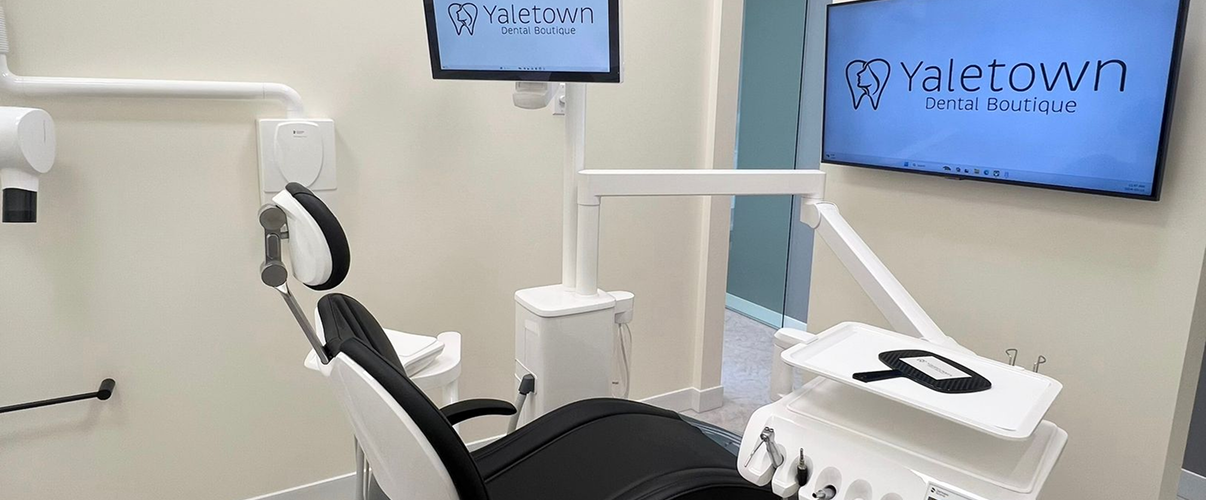
Your gum health deserves careful attention from a team that prioritizes precision, comfort, and long-term results. Let’s see what sets our approach to periodontal care apart for patients in Yaletown.
Comprehensive Periodontal ِEvaluation and Treatment

At Yaletown Dental Boutique, our team has extensive experience diagnosing and treating gum disease at every stage. We take time to thoroughly assess your condition, explain your options clearly, and recommend treatment tailored to your specific needs.

Gentle, Modern, And Patient-Centered Approach

We combine advanced dental technology with a calm, compassionate approach to care. From precise periodontal measurements to comfortable local anesthesia, every step is designed to make your scaling and root planing treatment efficient, effective, and as stress-free as possible.

Personalized Care In The Heart Of Yaletown

Conveniently located in Yaletown, Vancouver, our clinic provides a welcoming environment focused on long-term oral health. If you’ve been told you need scaling and root planing, or you’re noticing signs of gum disease, our team is here to answer your questions and help you book a consultation.

What Our Cosmetic Patients Are Saying?

  • Zalha Fazal

    Hands down the best dental services in town. Highly recommend the clinic for anyone wanting to visit a dentist to learn better about maintaining oral health and getting the clean up. Had a wonderful experience with the hygienist Amir who was very patient and did a wonderful job.
  • Travis Battaglia

    always an amazing experience!
  • Camila Pérez ciribe

    Amir a the rest of the team has been incredible today. Best day in the dentist ever!
  • Jenny Wong

    Everyone was so nice and the clinic is brand new 🙂
  • Gurjit Dhadda

    Amir was great! Wonderful service!
  • Eve Plante

    Everything was perfect! 🙂
  • Priyanka Pahari

    First time at this location, I loved the experience. Staff is amazing and so is the service. :))
  • Emilio Suarez

    Very friendly and polite staff. They made Ure I was comfortable

    FAQs

    Is Scaling And Root Planing The Same As A Deep Cleaning?

    Yes. Scaling and root planing is commonly referred to as a “deep cleaning” because it cleans beneath the gumline where infection develops.

    Why Would My Dentist Recommend Scaling And Root Planing?

    Is Scaling And Root Planing Painful?

    What Happens If I Don’t Get Scaling And Root Planing?

    Will My Gums Heal After Scaling And Root Planing?

    How Long Does It Take To Recover From SRP?

    Take The Next Step Toward Healthier Gums

    Gum disease is common, but with the right treatment and ongoing care, it is highly manageable. Scaling and root planing can help protect your teeth, restore gum health, and prevent more complex problems in the future.

    If you have been told you need a deep cleaning, or you are experiencing symptoms like bleeding gums or persistent bad breath, the team at Yaletown Dental Boutique is here to help. We will take the time to answer your questions, explain your options clearly, and create a treatment plan designed around your comfort and health.

    Reach out today to schedule your consultation and take the first step toward a healthier, more confident smile.

    Visit Us

      Contact

      info@yaletown.dental
      205 Smithe Street
      Vancouver, BC V6B 2P4

      Hours

      Mon–Fri: 9:00 am – 5:00 pm
      Saturday: 9:00 am – 4:00 pm
      Sunday: Closed

    Request an Appointment Now!