
Dental Avulsion Management in Yaletown
What to Do When a Tooth Is Knocked Out?

A knocked-out tooth is a true dental emergency, but quick action in the first hour can make a significant difference. Acting within an hour may improve the chances of saving the tooth and reducing long-term complications.Staying calm and following the right steps may help protect the tooth until you receive emergency dental care.

Rated as “Excellent” (130 reviews)

Is a Knocked-Out Tooth a Dental Emergency?

A knocked-out tooth is a dental emergency, and acting quickly can significantly improve the chances of saving it.

This Is a Dental Emergency

A knocked-out tooth, also called dental avulsion, is one of the most time-sensitive dental emergencies and requires prompt action, as delays may increase the risk of permanent tooth loss.

The First Hour Matters

Treatment within the first hour may improve the chances of saving the tooth. The cells around the root surface begin to deteriorate quickly outside the mouth.

Delays Reduce the Chance of Saving the Tooth

The longer the tooth remains out of the socket, the lower the success rate of reimplantation, making fast action important for preserving natural tooth structure.

Immediate Care May Help Support Better Long-Term Outcomes

Quick action may help protect the tooth, support healing, and improve the chances of successful reimplantation.

What to Do Immediately If a Tooth Is Knocked Out?

Acting quickly and carefully can make the difference between saving and losing the tooth. Follow these steps right away:
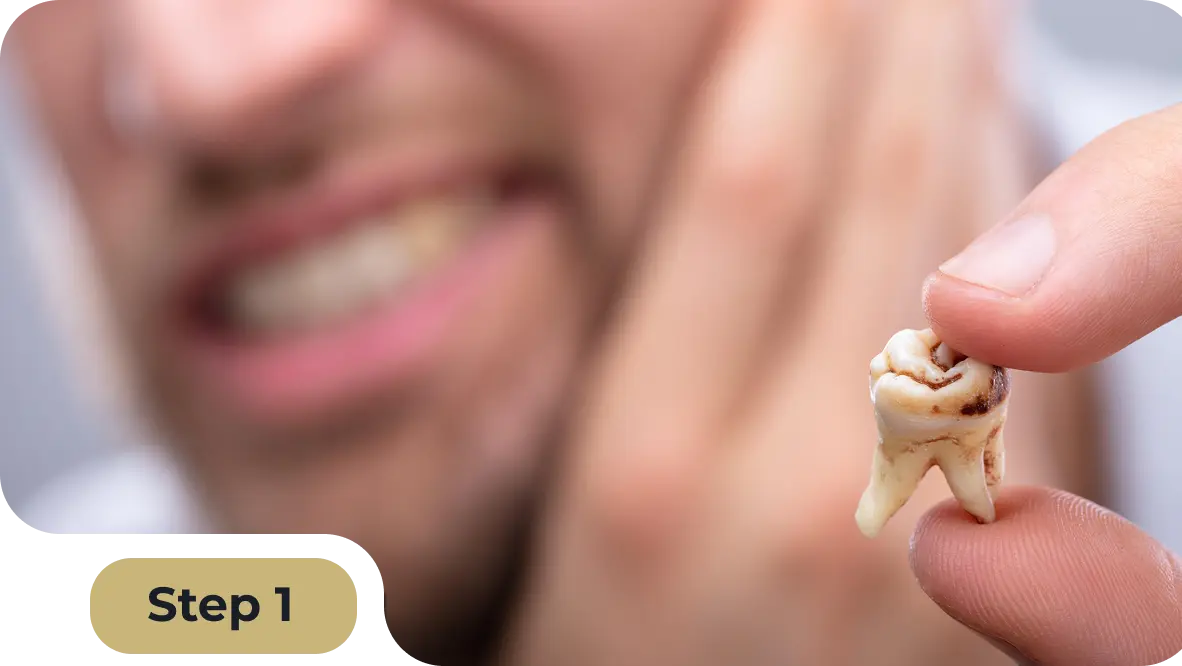
Find the Tooth and Handle It Properly

Find the tooth quickly and pick it up by the crown only. Avoid touching the root, as it contains delicate cells needed for successful reimplantation and long-term tooth survival.
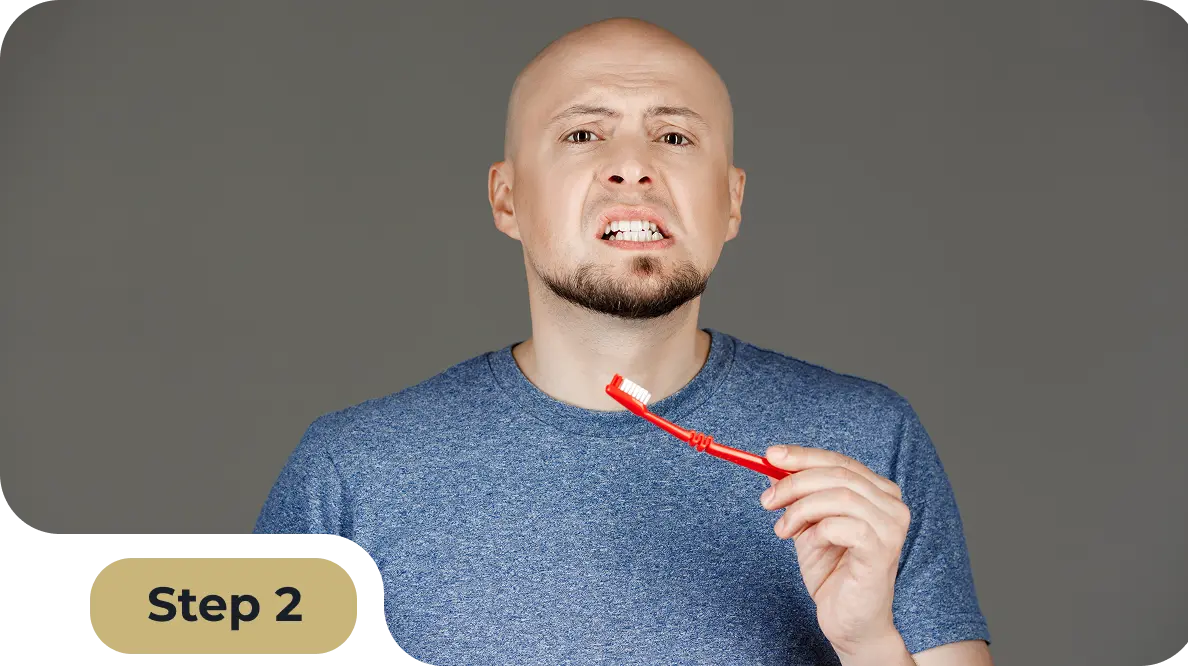
Gently Rinse if Dirty

If the tooth is dirty, gently rinse it with saline solution or milk for a few seconds. Do not scrub or wipe it, as harsh handling can damage the root surface and reduce chances of successful reattachment.

Try to Place the Tooth Back in the Socket

If possible, gently place the tooth back into its socket in the correct position. Hold it in place by biting softly on clean gauze or cloth until you reach dental care.
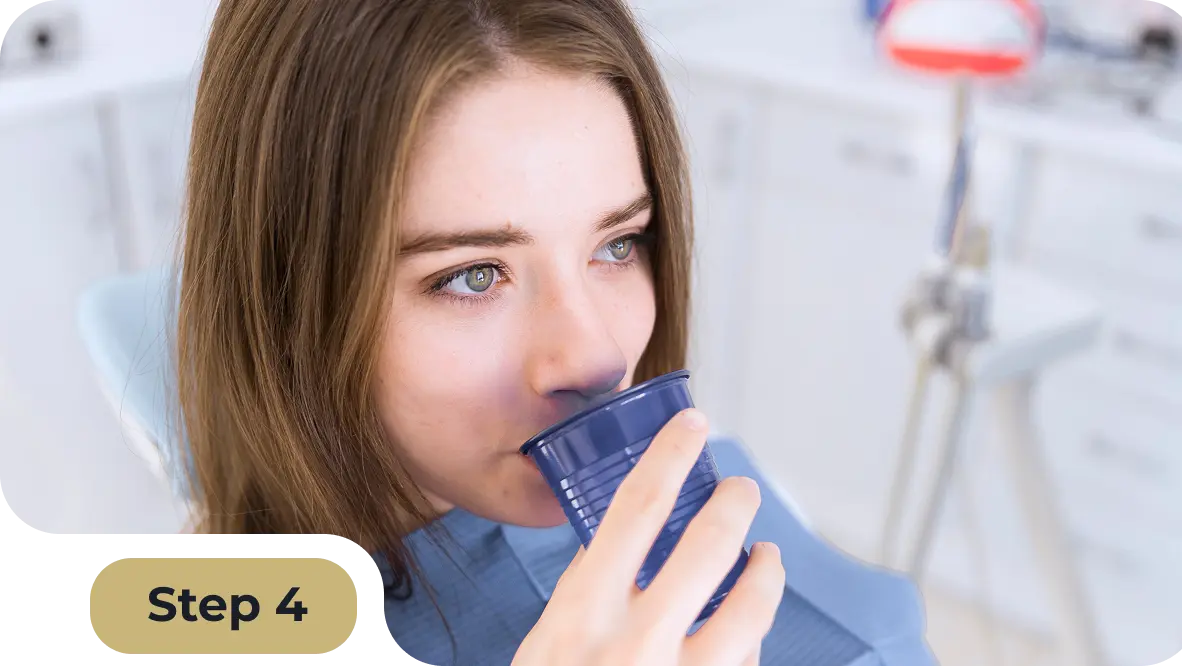
Keep the Tooth Moist if Reimplantation Is Not Possible

If reinsertion is not possible, store the tooth in milk, saliva inside the cheek, or a tooth-preservation solution if available. Keeping it moist helps protect vital cells needed for successful reimplantation.
Get to a Dentist Immediately

Seek emergency dental care as soon as possible. Fast treatment may improve the chances of successful reimplantation and healing.
What Not to Do?

Do not let the tooth dry out. Do not wrap it in tissue or cloth. Avoid soap, chemicals, scrubbing, or plain water. Seek dental care immediately, even if pain improves.

Begin Your Smile Journey

with Dr. Hadianfar

Dr. Sasan Hadianfar, General Dentist
Can a Knocked-Out Tooth Be Saved?

A knocked-out tooth may be saved in some cases, especially if it is a permanent tooth and receives prompt, proper care. However, success depends on several factors, and time is the most important one.
Success Depends on How Quickly You Act

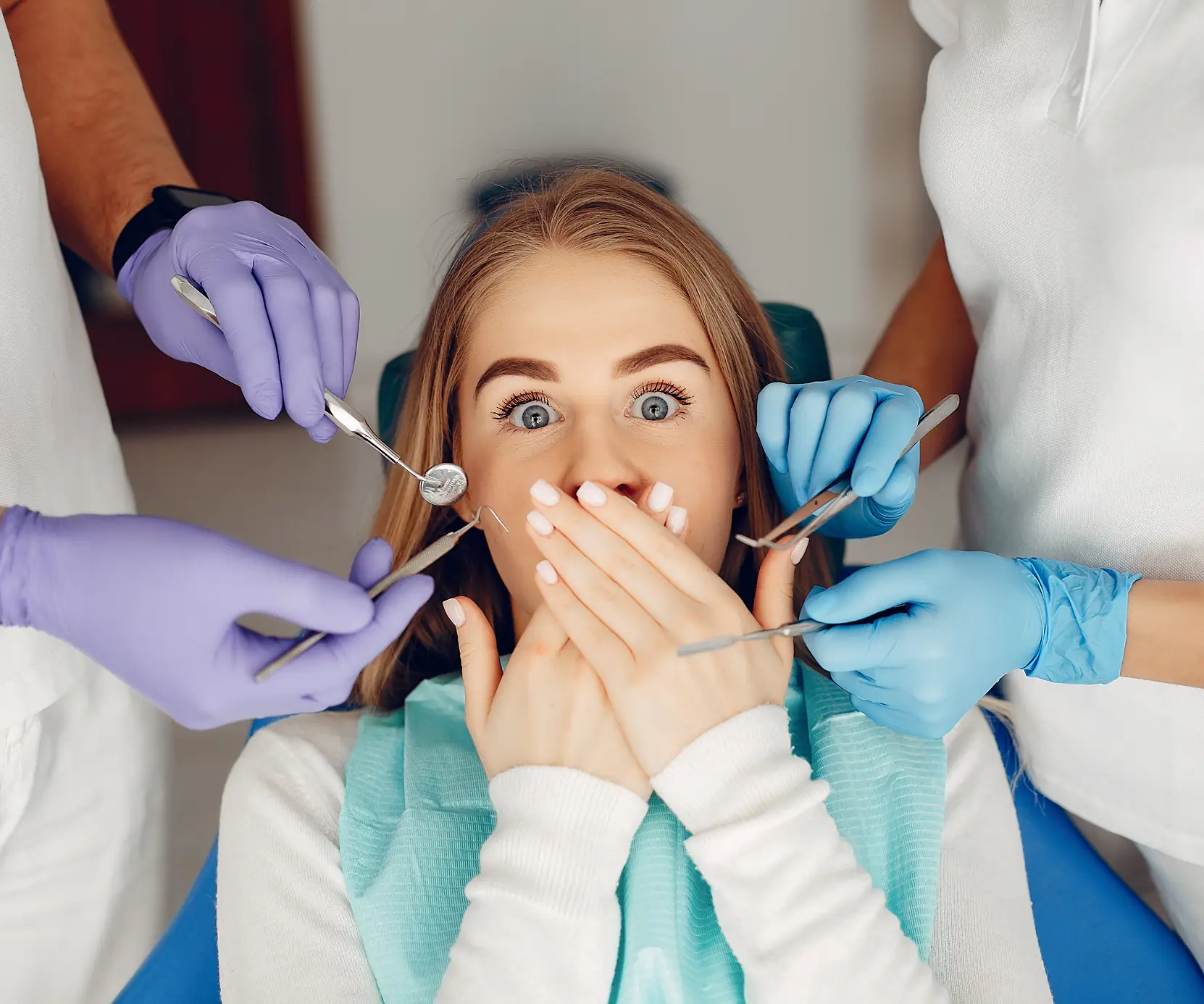
A knocked-out permanent tooth can often be saved if it is reimplanted quickly, ideally within the first hour after injury occurs.

Key Factors That Affect Reimplantation Success

Successful reimplantation depends on time outside the mouth, proper storage, careful handling of the tooth, and the patient’s overall oral and general health condition.

Baby Teeth Are Treated Differently

Knocked-out baby teeth are usually not reimplanted because doing so may damage the developing permanent tooth underneath and affect normal dental growth.

How Dentists Treat a Dental Avulsion?

When a tooth is knocked out, we assess the injury promptly and provide care aimed at supporting the chances of saving the tooth. Treatment focuses on:

Examination of the Tooth and Socket

We begin by carefully examining both the knocked-out tooth and the empty socket. This helps us assess damage, determine suitability for reimplantation, and plan an appropriate emergency treatment approach.

Cleaning the Area if Needed

We gently clean the tooth and socket when necessary, removing dirt or debris while protecting delicate root cells. This step supports healing and improves the chances of successful reattachment.

Repositioning the Tooth into the Socket

We carefully place the tooth back into its original position, ensuring correct alignment and stability. This helps restore function and appearance while supporting conditions that may help with healing.

Stabilizing with a Splint and Monitoring Healing

We secure the tooth with a splint to keep it stable during healing. Follow-up visits allow us to monitor recovery, with possible treatments such as root canal therapy and ongoing evaluation as needed.

Our focus is on protecting your natural tooth whenever possible, while supporting healing with calm, careful, and evidence-based emergency dental care.

Does Dental Avulsion Treatment Hurt?

Dental avulsion treatment is performed with a strong focus on comfort and pain control. Local anesthesia is used to fully numb the area before any procedure begins and help minimize discomfort during treatment.
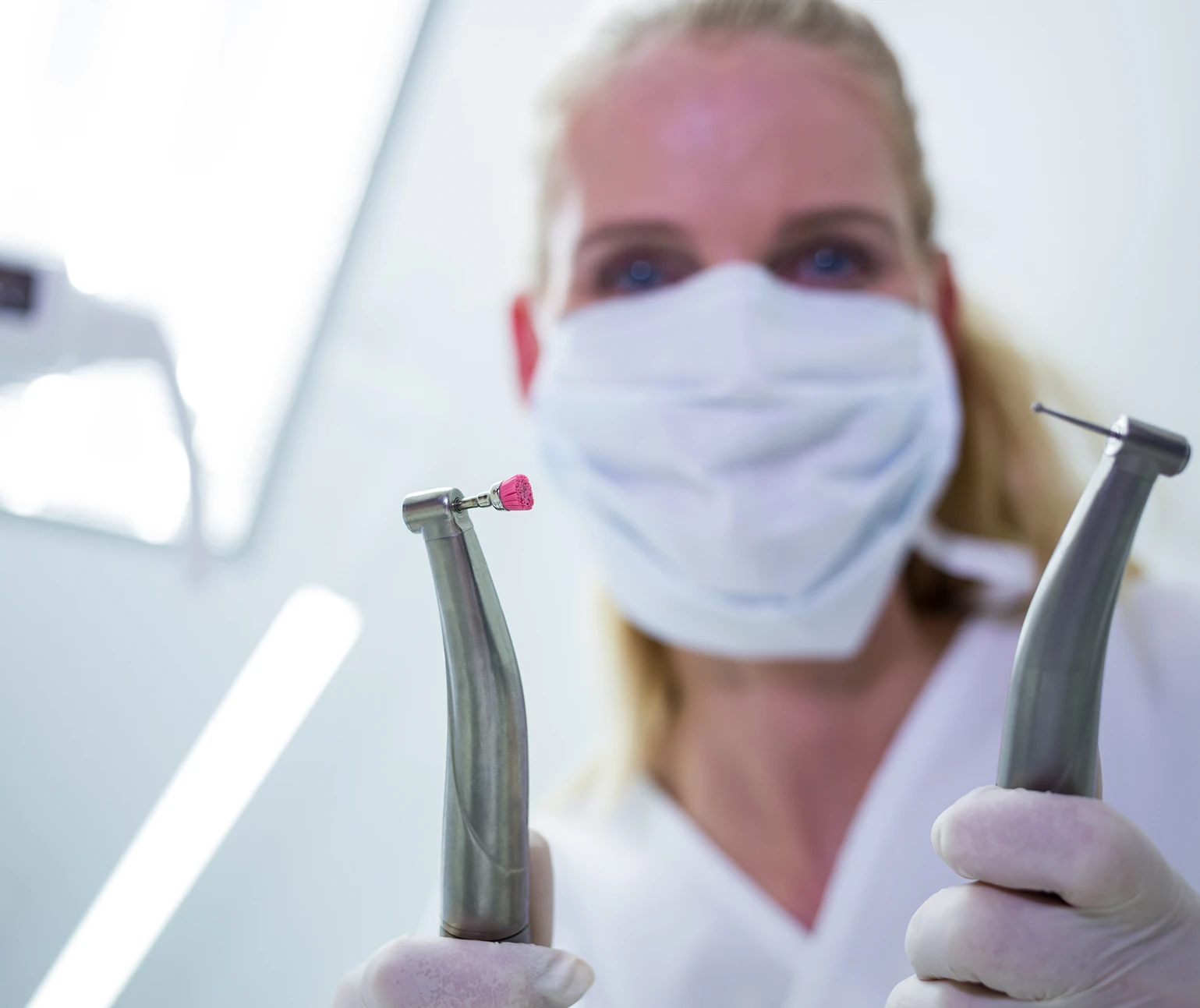
Most discomfort patients experience actually comes from the initial injury rather than the dental procedure itself. After treatment, mild soreness is normal and usually manageable with simple care. Care is provided with a focus on comfort and clear communication throughout the experience. So, here is what typically happens during your care:

  • Local anesthesia is used to fully numb the area
  • Pain control is a top priority during treatment
  • Most pain comes from the injury, not the procedure
  • Mild soreness after treatment is normal and temporary
  • Care is designed to keep you comfortable throughout recovery
Important Information for

CDCP Patients

Treatment under the Canadian Dental Care Plan is not fully covered. A co-payment will apply.

What Happens If a Knocked-Out Tooth Can’t Be Saved?

Orthodontic treatment is not necessarily limited by age. Adult orthodontics is increasingly common, as teeth may be moved at different stages of life when oral health is appropriately maintained and based on a clinical assessment.
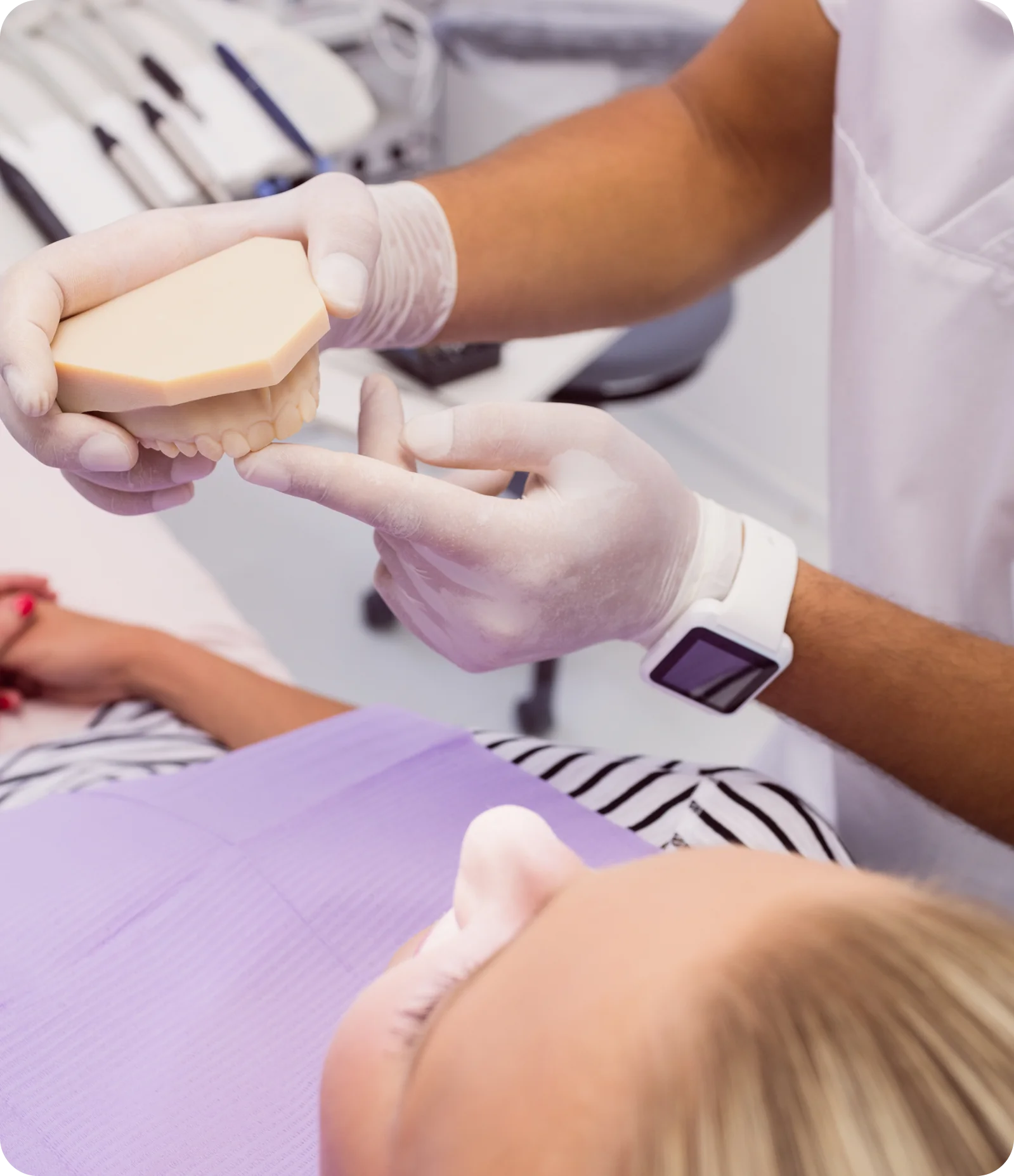
In some cases, a knocked-out tooth cannot be reimplanted due to timing, damage, or clinical conditions. When this happens, we focus on restoring function and appearance using long-term treatment options tailored to individual needs.

Alternative treatment options include:

Temporary tooth replacements to maintain appearance and function

Dental implants, which are often used as a long-term tooth replacement option

Dental bridges to close the gap using nearby teeth

Early treatment still plays an important role in preserving bone structure and keeping surrounding teeth properly aligned. Even if the tooth cannot be saved, reliable options are available to restore function and appearance based on individual treatment needs.

Dental Avulsion in Children vs. Adults

Dental avulsion is managed differently in children and adults because tooth type, jaw development, and healing potential all play important roles in treatment decisions and outcomes.

Dental Avulsion in Children

Purpose: Guiding care decisions for knocked-out teeth in children.

  • Baby teeth are usually not reimplanted after being knocked out
  • Protecting the developing permanent tooth underneath is the main priority
  • Careful monitoring of jaw and dental development is essential
  • Treatment focuses on healing, comfort, and protecting long-term dental development
  • Every case requires a professional dental assessment


Best for: Parents seeking clear guidance on managing knocked-out baby teeth and protecting their child’s long-term dental development.

Dental Avulsion in Adults

Purpose: Supporting urgent treatment decisions for knocked-out permanent teeth in adults.

  • Permanent teeth are often candidates for reimplantation if treated quickly
  • Success depends on time, handling, and overall oral health condition
  • Prompt emergency care may improve the chances of successful reimplantation
  • Stabilization and follow-up care are usually required
  • Early intervention may help support bone structure and alignment


Best for: Adults needing prompt dental care for a knocked-out permanent tooth, where early assessment may support better long-term oral function.

Confident Smiles Start Here — Book Your Visit Today

Achieve the smile you deserve with personalized, gentle dental care tailored to your needs and comfort.

Preventing Dental Avulsion Injuries

Preventing dental avulsion starts with reducing everyday risks and protecting teeth from impact. Simple habits and safety measures may help reduce the risk of serious dental trauma.

Wear Mouthguards During Sports

Custom mouthguards are strongly recommended during sports to protect teeth from impact. They significantly reduce the risk of dental avulsion and help safeguard the smile during contact or high-impact activities.

Address Protruding Teeth or Bite Issues

Early correction of protruding teeth or bite misalignment helps lower injury risk. Orthodontic care reduces tooth vulnerability to trauma and supports long-term oral stability and protection against accidents.

Improve Safety in Daily Environments

Improving safety at home and in playgrounds helps reduce fall-related dental injuries. Simple preventive measures and awareness significantly lower the chances of tooth avulsion in everyday situations.

Choosing the Right Emergency Dentist for Dental Avulsion in Yaletown

Choosing an emergency dentist after a knocked-out tooth is important, as timely and appropriate care may influence the chances of saving the tooth and how it heals over time.
Experience in Dental Emergencies

Choosing an experienced emergency dentist is important because dental avulsion involves prompt decision-making and careful clinical management to improve the chances of saving the tooth and preventing long-term complications.

Proper Reimplantation and Long-Term Care

Appropriate care focuses on reimplantation techniques, stabilization, and structured follow-up as clinically indicated. Ongoing monitoring supports healing, reduces complications, and helps maintain both function and appearance after a knocked-out tooth injury.

Calm, Clear, Patient-Focused Emergency Support

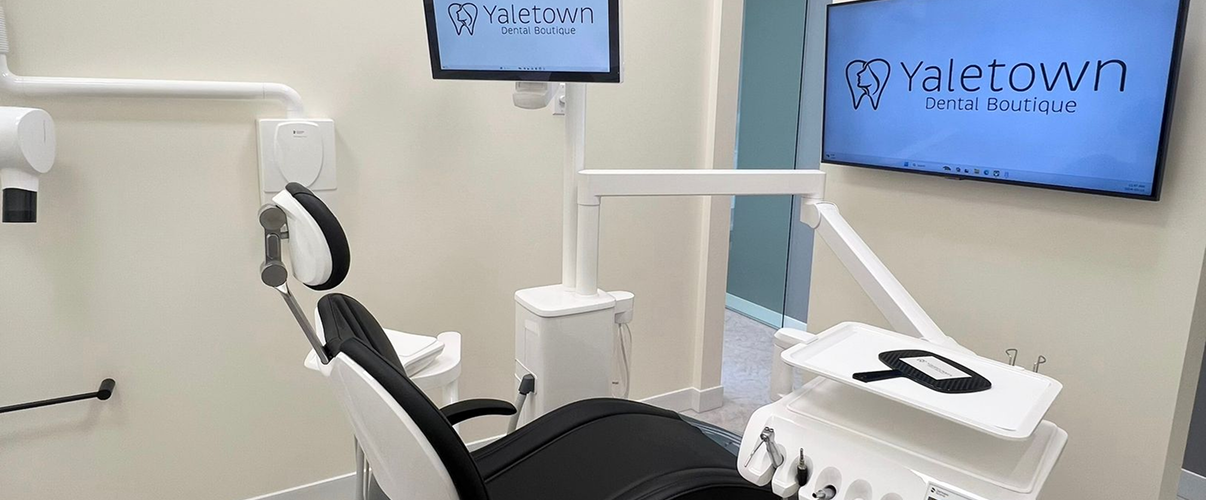
In stressful situations, clear communication and patient-focused care make a difference. Yaletown Dental Boutique focuses on emergency preparedness, experience in dental trauma care, and clear communication to support patients during urgent dental situations.

What Our Cosmetic Patients Are Saying?

  • Zalha Fazal

    Hands down the best dental services in town. Highly recommend the clinic for anyone wanting to visit a dentist to learn better about maintaining oral health and getting the clean up. Had a wonderful experience with the hygienist Amir who was very patient and did a wonderful job.
  • Travis Battaglia

    always an amazing experience!
  • Camila Pérez ciribe

    Amir a the rest of the team has been incredible today. Best day in the dentist ever!
  • Jenny Wong

    Everyone was so nice and the clinic is brand new 🙂
  • Gurjit Dhadda

    Amir was great! Wonderful service!
  • Eve Plante

    Everything was perfect! 🙂
  • Priyanka Pahari

    First time at this location, I loved the experience. Staff is amazing and so is the service. :))
  • Emilio Suarez

    Very friendly and polite staff. They made Ure I was comfortable

    Final Thoughts – Act Fast to Protect Your Smile

    A knocked-out tooth is a dental emergency where fast action may influence the likelihood of preserving your natural tooth. The first hour after injury is especially critical, and even small, correct steps can improve outcomes.

    Staying calm and seeking immediate care may improve the chance of successful reimplantation and long-term oral health.

    For urgent dental avulsion management in Yaletown, Yaletown Dental Boutique provides prompt emergency dental assessment and trauma care for knocked-out teeth and related injuries.

    Help is available. Prompt dental care may improve the chances of saving the tooth and supporting long-term oral health.

    Visit Us

      Contact

      info@yaletown.dental
      205 Smithe Street
      Vancouver, BC V6B 2P4

      Hours

      Mon–Fri: 9:00 am – 5:00 pm
      Saturday: 9:00 am – 4:00 pm
      Sunday: Closed

    FAQs

    Can a knocked-out tooth reattach on its own?

    Should I go to the ER or a dentist first?

    Is a knocked-out baby tooth treated the same way?

    What if the tooth was dry for a while?

    Do I need pain relief before seeing a dentist?

    Can I brush or clean the tooth before bringing it in?

    Request an Appointment Now!