At a Glance:
After wisdom tooth removal, protect the blood clot, avoid straws and smoking, and stick to soft foods. Use cold compresses in the first 24 hours, rinse gently with salt water after day one, and rest with your head elevated. Watch for pain, swelling, or fever that worsens—these could signal dry socket or infection. Always follow up with your dental team.
Once the numbness fades and the gauze comes out, the healing begins. Wisdom tooth removal can leave your mouth sore, swollen, and sensitive—but what you do next matters just as much as the procedure itself.
Your recovery depends on protecting the clot, staying comfortable, and giving your body time to heal. A few simple choices in the hours and days ahead can reduce complications and help you get back to feeling like yourself.
This guide covers what to expect after surgery, what to avoid, and how to make the healing process as smooth as possible.
Wisdom Tooth Extraction Immediate Aftercare (First 24 Hours)
The first 24 hours after surgery are critical for protecting the blood clot and starting the healing process. Gentle care and rest during this window can prevent complications and reduce discomfort.
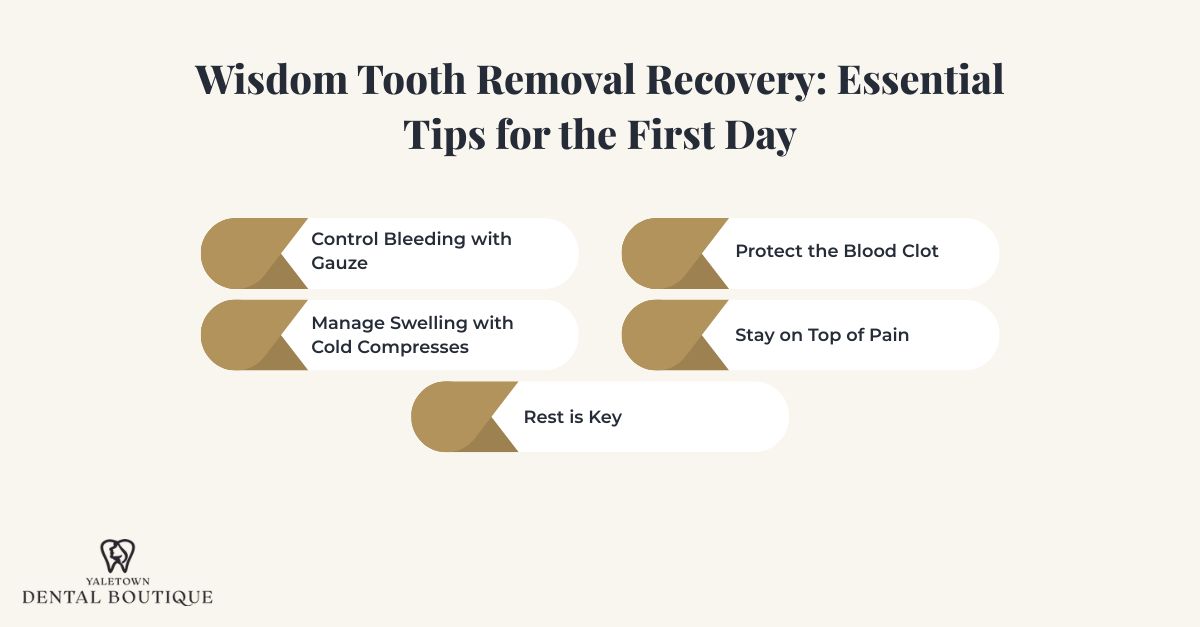
1. Control Bleeding with Gauze
Right after surgery, gently bite down on the gauze pad placed over the extraction site. Keep it in place for 30 to 45 minutes, then replace with a fresh pad if bleeding continues.
A small amount of oozing is normal—but avoid checking or changing the gauze too frequently, which can disturb the clot.
2. Protect the Blood Clot
The blood clot that forms after surgery is essential for healing. Avoid any action that could dislodge it, including:
✘ Spitting or rinsing
✘ Using straws
✘ Smoking or vaping
✘ Touching the area with your tongue or fingers
Disrupting the clot can lead to dry socket—a painful condition that delays recovery.

3. Use Cold Compresses for Swelling
Apply an ice pack wrapped in a clean cloth to your cheek near the extraction site. Use it in 15- to 20-minute intervals with breaks in between.
Cold compresses help reduce swelling, especially within the first 24 hours.
Tip: After 48 hours, switch to a warm compress to promote circulation and ease jaw stiffness.
4. Manage Discomfort Early
Mild to moderate pain is normal. Begin your prescribed or over-the-counter medication before the freezing wears off to stay ahead of discomfort.
Take pain relief consistently, as directed by your dental team.

5. Rest and Keep Your Head Elevated
Avoid heavy lifting, bending over, or intense movement. Rest with your head slightly elevated to minimize swelling and bleeding.
The more you rest now, the quicker your body can heal.
Foods to Eat and Avoid After Wisdom Teeth Removal
After surgery, your mouth will be tender—and what you eat can make a big difference in how smoothly you recover. The right foods help soothe the area, prevent irritation, and support healing without risking the blood clot.
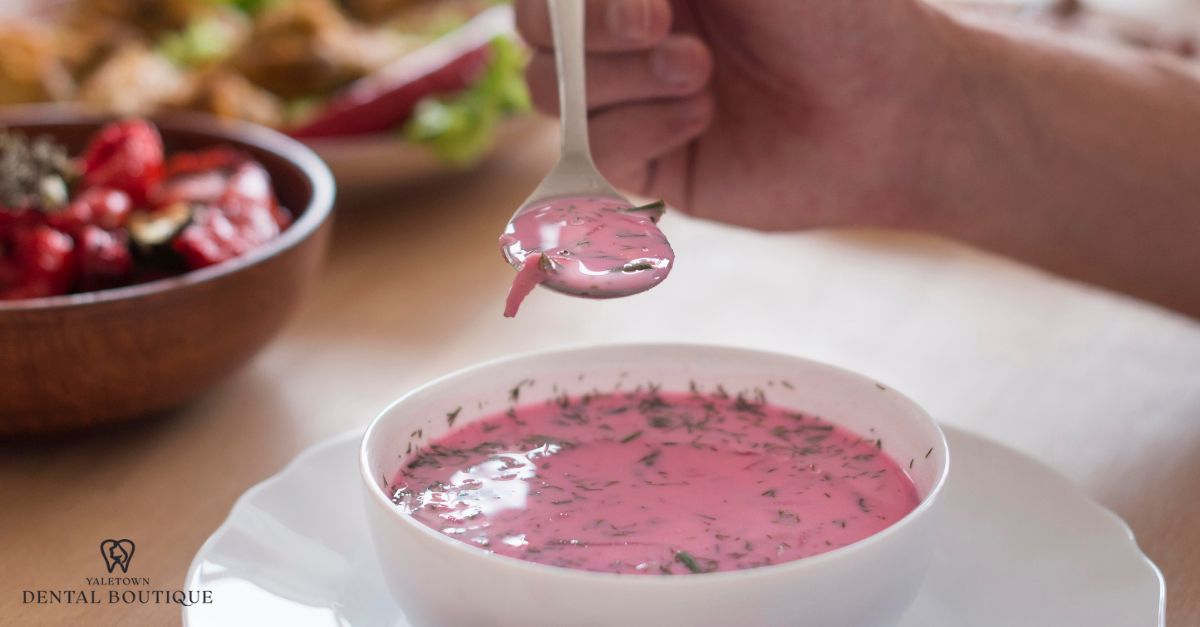
What to Eat (Soft, Cool, and Nourishing)
Choose foods that are easy to swallow and don’t require chewing near the extraction site. Start with liquids and slowly introduce soft solids as you feel comfortable.
Great options include:
✔ Smoothies (drink with a spoon, not a straw)
✔ Applesauce or mashed bananas
✔ Plain yogurt (no seeds or chunks)
✔ Scrambled eggs
✔ Blended vegetable soups or broths
✔ Mashed potatoes or pureed vegetables
✔ Oatmeal or soft porridge
Stay hydrated—water is best. Avoid alcohol, caffeine, and carbonated drinks during the first few days.
What to Avoid (Irritating or Risky Foods)
Some foods can dislodge the clot, cause discomfort, or increase your risk of infection. Avoid the following until your dentist says it’s safe:
✘ Crunchy or hard foods (chips, nuts, raw carrots)
✘ Chewy or sticky items (gum, tough meats, toffee)
✘ Spicy, salty, or acidic foods (salsa, citrus, vinegar)
✘ Hot foods and beverages (can increase swelling or bleeding)
✘ Anything requiring a straw or suction
Chew slowly, use the opposite side of your mouth, and listen to your body—if it hurts or feels wrong, don’t push it.
Oral Hygiene Tips During Recovery
Keeping your mouth clean after wisdom tooth removal is important—but it has to be done gently and at the right time. Here’s how to maintain oral hygiene without disrupting healing.

Brushing and Flossing: Go Gently Around the Area
You can resume brushing about 24 hours after surgery—but avoid the extraction site.
- Use a soft-bristled toothbrush and gentle, circular motions.
- Clean the rest of your teeth carefully, especially along the gumline.
- Rinse your toothbrush with warm water before and after use.
Skip flossing near the surgical site for a few days. When you’re ready to resume, go slowly and stop if it feels uncomfortable.
Rinsing: Wait, Then Use Salt Water
Avoid all rinsing for the first 24 hours to allow the blood clot to form undisturbed.
After that, rinse 2–3 times a day with warm salt water (½ tsp of salt in a cup of warm water), especially after meals. This helps reduce bacteria and gently clears away debris without chemicals.
Avoid:
✘ Commercial mouthwashes (especially those with alcohol)
✘ Forceful swishing or spitting
✘ Any rinse that causes stinging or dryness
Activities to Avoid Post-Extraction
Your body needs time to recover after wisdom tooth surgery. Certain activities—especially in the first few days—can increase bleeding, dislodge the blood clot, or slow healing. Here’s what to skip:
Strenuous Exercise
Avoid heavy lifting, running, or sports for at least 2 to 3 days. Physical activity raises your heart rate, which can lead to throbbing, bleeding, or swelling near the surgical site.
Smoking or Vaping
Smoking is a top risk factor for dry socket. The heat and suction interfere with clot formation and introduce harmful chemicals. Avoid all smoking and vaping for at least 72 hours—longer, if possible.
Using Straws
Drinking through a straw creates suction that can pull out the clot. This includes smoothies and water—sip everything from a cup instead.
Talking Too Much or Touching the Wound
Excessive talking, wide mouth movements, or poking at the site (with your tongue or fingers) can irritate the area or cause the clot to shift. Try to minimize jaw movement and keep your hands away from your mouth.

Signs of Complications: When to Call Your Dentist
Some soreness and swelling are normal after wisdom tooth removal—but certain symptoms may point to an infection or other complication. Here’s how to tell what’s normal and when it’s time to get help.
1. Persistent Bleeding After 24 Hours
Some light oozing is expected, but if bleeding continues beyond the first day—or suddenly starts again—it’s time to check in with your dentist.
2. Sudden, Sharp Pain or Bad Smell
A sharp or throbbing pain that gets worse (especially near the ear or jaw) can be a sign of dry socket. This may be accompanied by a foul taste or odour. Dry socket often starts day 3-5 after extraction and has a course of 3-5 days.
3. Swelling That Worsens After Day 3
Swelling usually peaks between 48 and 72 hours and then improves. If it continues to increase—or is paired with severe pain—it could mean infection or inflammation.
4. Fever or Pus
A low-grade temperature isn’t unusual the first day. But if you develop a persistent fever or see white or yellow pus near the extraction site, contact your dentist right away.
5. Difficulty Opening Your Mouth
If opening your jaw becomes painful or limited (a condition called trismus), it may indicate inflammation in the jaw muscles or joints. Early treatment can prevent longer-term issues.
Your Follow-Up Appointment Matters
Even if your recovery feels smooth, a follow-up visit is a key part of your healing. It allows your dentist to confirm that the extraction site is closing properly, and remove any stitches if needed.
At Yaletown Dental Boutique, we always recommend attending your scheduled follow-up. It’s a simple way to stay on track and give yourself peace of mind during recovery.
Haven’t booked your follow-up yet? We’re here to help—just reach out, and we’ll find a time that works for you.
Conclusion
Recovering from wisdom tooth extraction doesn’t have to be complicated. With the right care—especially in the first few days—you can avoid most complications and support faster, more comfortable healing.
From protecting the clot to knowing when to rest or when to call your dentist, small steps make a big difference.
At Yaletown Dental Boutique, we’re here to support you before, during, and after your procedure. If you’ve recently had your wisdom teeth removed—or are preparing to—our team is happy to answer questions, guide your recovery, and provide personalized follow-up care.
Have concerns or need to book a check-in? Contact our Vancouver clinic today and let’s keep your recovery on track.
How long does it take to heal after wisdom tooth surgery?
Initial healing takes about 1 to 2 weeks. Most swelling and discomfort ease within 3 to 5 days, but full recovery of the bone and gums may take several weeks.
How do I know if my wisdom tooth socket is healing properly?
Look for gradual improvement each day, with reduced swelling and discomfort. A soft clot or white tissue over the socket is normal. If pain worsens after a few days, call your dentist.
What are signs of infection or dry socket?
Watch for sharp or worsening pain, bad breath or taste, visible bone, fever, or swelling that doesn’t improve. These symptoms should be checked right away.
Can I brush my teeth after surgery?
Yes, but wait 24 hours and avoid brushing the extraction site. Use a soft toothbrush and clean gently around the rest of your mouth.