

Surgical Extractions & Impacted Wisdom Tooth Removal in Yaletown

Surgical extractions are performed when a tooth cannot be safely removed using a standard approach, including impacted wisdom teeth or teeth affected by infection, damage, or crowding. These situations can cause pain, swelling, or ongoing complications if not addressed.

At Yaletown Dental Boutique, surgical extractions are carefully planned using diagnostic imaging and performed with a focus on patient comfort and careful clinical planning.

If you are experiencing pain, swelling, or signs of infection, timely evaluation can help reduce the risk of complications and address the source of discomfort.

Rated as “Excellent” (130 reviews)

 When Is a Surgical Extraction Necessary?

A surgical extraction is recommended when a tooth cannot be safely removed with a simple approach. Careful assessment, including X-rays, is used to determine an appropriate treatment approach while considering patient comfort and long-term oral health. Surgical extraction is only recommended when a tooth cannot be safely or effectively managed with more conservative treatment options.Find out below what situations may require a surgical extraction.

Impacted or Damaged Teeth

Surgical extraction is often needed for impacted wisdom teeth that are partially or fully trapped in the gums or jawbone. It may also be required for teeth broken below the gum line, severely decayed teeth reaching the roots, or cases involving infection or abscess. Failed root canal treatments can also lead to surgical removal when the tooth cannot be restored.

Orthodontic and Structural Concerns

In some cases, surgical extraction may be considered to address crowding or create space for orthodontic treatment. Teeth that interfere with alignment or cannot be repositioned may require removal. This approach is typically considered when conservative options are not suitable and may support overall dental alignment and stability, depending on the individual case.

Simple Extraction

  • Tooth is visible above the gum line
  • No need for incision or stitches
  • Removed using forceps and elevators
  • Typically quicker procedure
  • Minimal recovery time
  • Used for loose or accessible teeth

Surgical Extraction

  • Tooth may be impacted or broken
  • Requires gum incision
  • May involve removing bone or sectioning tooth
  • Stitches often needed after procedure
  • Longer procedure time
  • Used for complex or hard-to-reach teeth

What Are Impacted Wisdom Teeth?

Impacted wisdom teeth are third molars that do not fully emerge into the mouth because there is not enough space or they are blocked by surrounding teeth or bone. This can lead to pain, swelling, or issues that may develop over time.

Types of Impaction

Impaction means a tooth is stuck and unable to erupt properly. It can be:

  • Soft tissue impaction: partially erupted but covered by gum
  • Partial bony impaction: partly trapped in the jawbone
  • Full bony impaction: completely embedded in bone

Why Wisdom Teeth Commonly Become Impacted?

Wisdom teeth often become impacted when there is not enough space in the jaw for them to emerge properly. In other cases, they may grow at an incorrect angle, preventing normal eruption and leading to impaction.

Risks of Leaving Them Untreated

Untreated impacted wisdom teeth can lead to:

  • Infection around the gum tissue
  • Formation of cysts
  • Damage or pressure on nearby teeth
  • Jaw pain and stiffness
  • Gum disease and inflammation
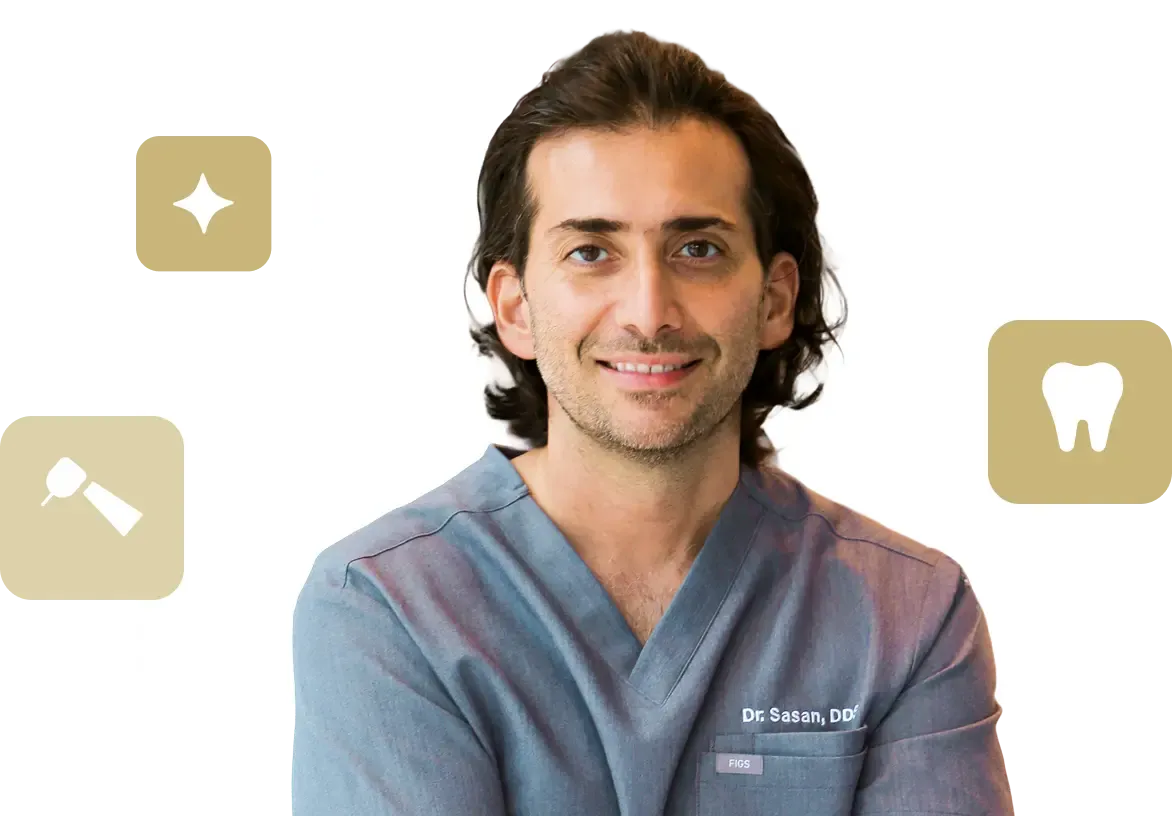
Begin Your Smile Journey

with Dr. Hadianfar

Dr. Sasan Hadianfar, General Dentist
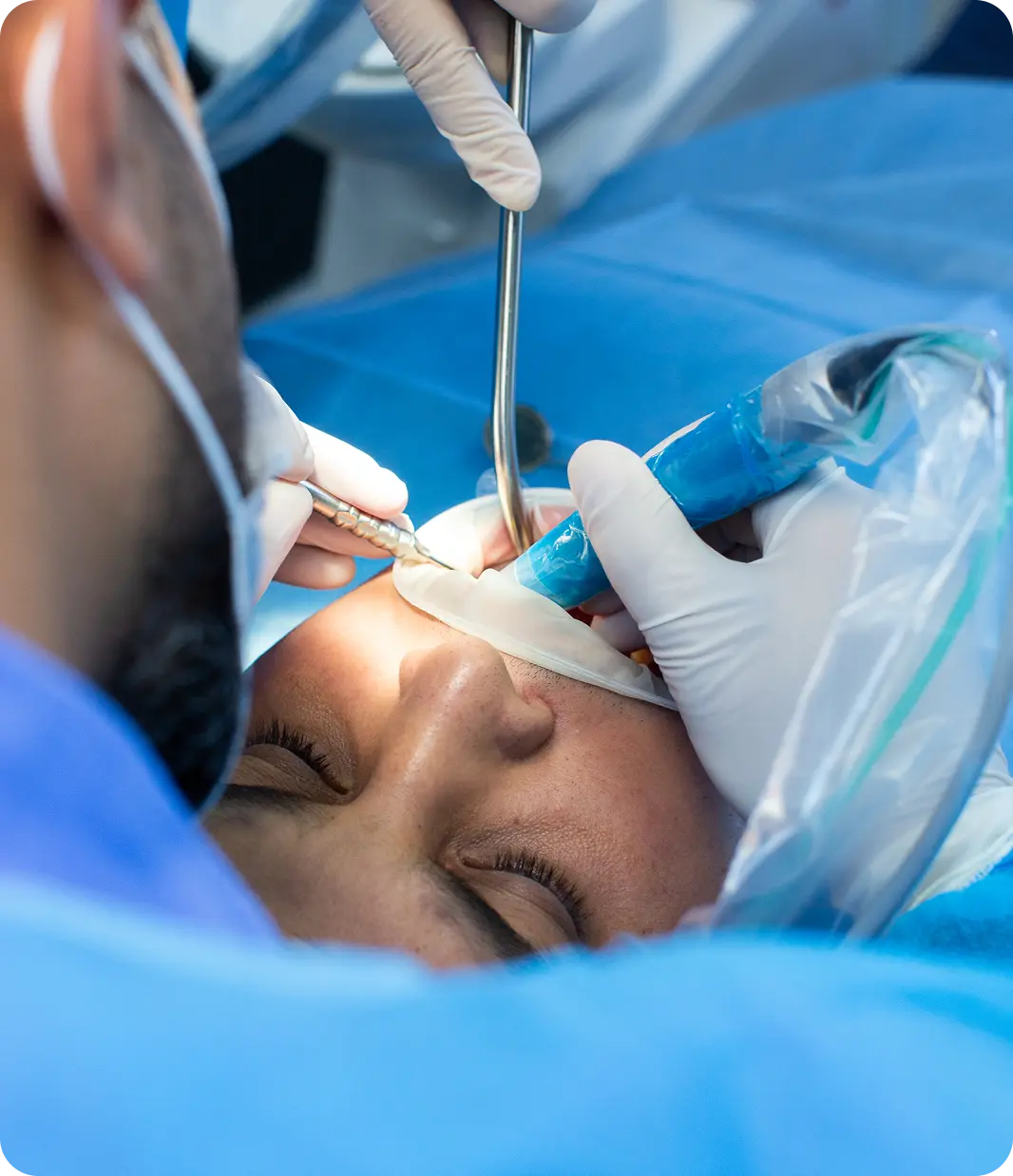
What Happens During a Surgical Tooth Extraction?

At Yaletown Dental Boutique, surgical extractions are carried out using a structured, step-by-step clinical approach. The process includes:

1

Digital X-rays or CBCT Imaging

We begin with detailed digital X-rays or CBCT imaging to assess the position of the tooth, its roots, and surrounding structures, and to guide treatment planning based on the clinical findings.

2

Local Anesthesia and Sedation Options

We use local anesthesia to completely numb the area and help keep you comfortable throughout the procedure. For patients who feel anxious or require more complex treatment, sedation options may also be available to help you feel calm and relaxed during care.

3

Small Incision in Gum (If Required)

If the tooth is not easily accessible, a small incision may be made in the gum to allow access. This step is used to expose the tooth and facilitate removal, with consideration for surrounding tissues as part of the surgical approach.

4

Sectioning the Tooth (If Necessary)

In some situations, the tooth may be carefully divided into smaller sections to make removal easier and more controlled. This technique helps reduce pressure on the jawbone and surrounding structures, which may help facilitate the removal process.

5

Removal and Site Cleaning

Once the tooth is removed, we clean the area to remove debris and support post-operative care. This step is part of standard surgical protocols related to healing. The procedure typically takes 30–60+ minutes depending on complexity. You are discharged the same day, and detailed post-operative instructions are provided to support a smooth recovery.

6

Sutures Placement

If needed, sutures are placed to gently close the gum tissue and support the healing process. These stitches may dissolve on their own or be removed during a follow-up visit, depending on the type used and your specific treatment plan.

Does Surgical Extraction Hurt?

Worrying about pain is a common concern before treatment. With the right information, it becomes much easier to manage. Here’s what you can expect before, during, and after your extraction.

During the Procedure

We fully numb the area using local anesthesia so you do not feel pain during the procedure. Sedation options may also be available. You may feel some pressure during the procedure, and levels of discomfort can vary between individuals.

After the Procedure

After the procedure, it is normal to experience mild to moderate soreness as the area begins to heal. Discomfort usually peaks around 48–72 hours and then gradually improves over the following days.

Managing Pain and Reassurance

Any post-operative discomfort is usually manageable with prescribed or over-the-counter medication. Many people find the procedure more manageable than they initially expect.

Recovery After Wisdom Tooth or Surgical Extraction

Recovery after a surgical or wisdom tooth extraction is a gradual process that happens in stages. The following outlines typical recovery stages, expected symptoms, and when to seek care.
Recovery typically ranges from a few days to approximately two weeks, depending on age, number of teeth removed, and impaction severity.

Swelling, pain, and minor bleeding peak within 48–72 hours, then gradually improve as healing progresses.

Mild bruising, jaw stiffness, and limited opening may occur early, usually resolving within the first week.

Eat soft foods like smoothies, soup, and mashed potatoes, avoiding hard, hot, or crunchy foods initially.

Avoid straws, smoking, alcohol, and vigorous rinsing for at least 24 hours to prevent dry socket.

Healing progresses in stages, with gum closure in days and gradual bone healing over following weeks. Stitches may dissolve naturally within days or be removed at a short follow-up visit.

Contact your dentist if severe pain after day three, persistent bleeding, fever, or foul taste occurs.

Risks and Complications (What Patients Should Know)

Surgical extractions are established clinical procedures, but like any oral surgery, risks can occur.

Dry Socket After Extraction

Dry socket can occur if the blood clot is lost too early from the extraction site, exposing underlying bone and nerves. This may cause significant pain a few days after surgery and can delay normal healing if not managed promptly.

Swelling, Bruising, and Temporary Discomfort

Swelling and bruising are common after surgical extraction, especially within the first hours. Some patients may also experience jaw stiffness and general soreness, which gradually improves as the tissues heal over the following days.

Infection and Delayed Healing

Infection can develop if bacteria enter the healing site, particularly if aftercare instructions are not followed closely. Signs may include increased pain, swelling, or discharge, and early attention may support the healing process.

Rare Nerve Effects in Lower Wisdom Teeth

In rare cases, lower wisdom tooth removal may affect nearby nerves, leading to temporary or, very rarely, prolonged numbness or tingling in the lip, chin, or tongue area. Imaging and planning are used to assess and manage this risk.

Important Information for

CDCP Patients

Treatment under the Canadian Dental Care Plan is not fully covered. A co-payment will apply.

Why Choose Yaletown Dental Boutique for Surgical Extractions?

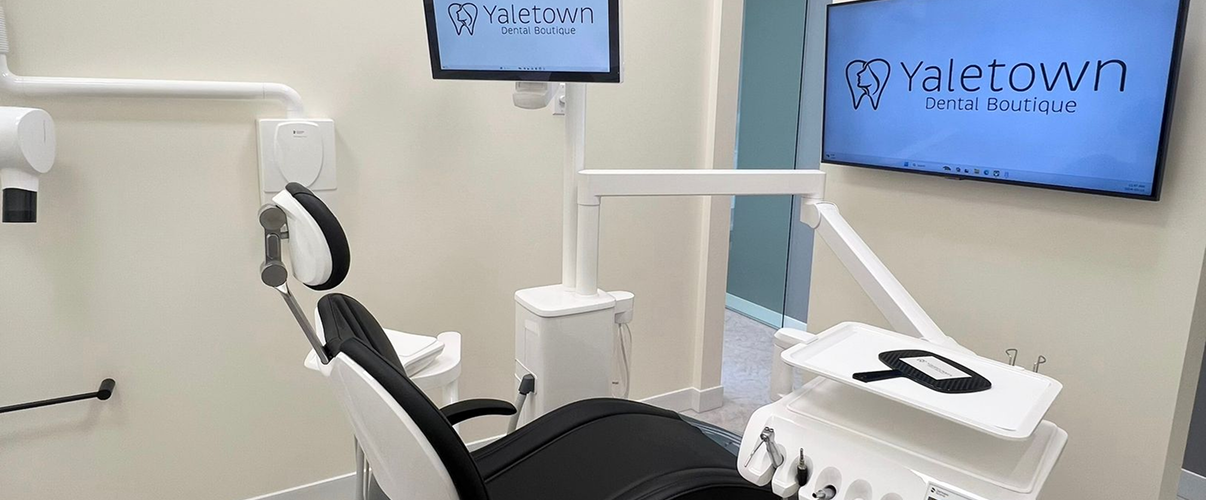
At Yaletown Dental Boutique, we use digital imaging and established surgical techniques with a focus on patient comfort and careful clinical planning.
Advanced Imaging and Precise Surgical Care

We use advanced digital imaging, including CBCT and X-rays, to assess your condition before treatment. This allows for accurate diagnosis and precise surgical planning, including in more complex cases.

Comfort-Focused and Personalized Treatment

Patient comfort is considered as part of treatment planning and care. We provide personalized treatment planning and clear, detailed aftercare guidance to support your recovery. Our approach is intended to help patients feel more at ease.

Experienced Care in a Clinical Setting

Our team has experience managing complex and impacted extractions in accordance with clinical standards. In our Yaletown clinic, we focus on creating a supportive clinical environment focused on clear communication and patient support.

What Our Cosmetic Patients Are Saying?

  • Zalha Fazal

    Hands down the best dental services in town. Highly recommend the clinic for anyone wanting to visit a dentist to learn better about maintaining oral health and getting the clean up. Had a wonderful experience with the hygienist Amir who was very patient and did a wonderful job.
  • Travis Battaglia

    always an amazing experience!
  • Camila Pérez ciribe

    Amir a the rest of the team has been incredible today. Best day in the dentist ever!
  • Jenny Wong

    Everyone was so nice and the clinic is brand new 🙂
  • Gurjit Dhadda

    Amir was great! Wonderful service!
  • Eve Plante

    Everything was perfect! 🙂
  • Priyanka Pahari

    First time at this location, I loved the experience. Staff is amazing and so is the service. :))
  • Emilio Suarez

    Very friendly and polite staff. They made Ure I was comfortable

    Final Thoughts – Book a Consultation for Impacted Tooth Removal in Yaletown

    Pain, swelling, or an impacted wisdom tooth should be evaluated by a dental professional. Early assessment may help identify potential concerns such as infection, crowding, or changes over time, and can support timely treatment planning based on individual needs.

    At Yaletown Dental Boutique, we provide evaluations and treatment planning for surgical and impacted tooth extractions in Yaletown, Vancouver, and nearby areas including Downtown Vancouver, False Creek, and Kitsilano.

    Schedule a consultation to discuss your options and receive care based on your individual needs.

    Visit Us

      Contact

      info@yaletown.dental
      205 Smithe Street
      Vancouver, BC V6B 2P4

      Hours

      Mon–Fri: 9:00 am – 5:00 pm
      Saturday: 9:00 am – 4:00 pm
      Sunday: Closed

    FAQs

    What is dry socket?

    Dry socket is a painful condition that occurs when the blood clot is lost from the extraction site too early.

    Can I go back to work after the procedure?

    Is surgical extraction covered by insurance in BC?

    How do I know if my wisdom teeth are impacted?

    Will I need stitches after a surgical extraction?

    When is a surgical extraction needed?

    How long does a surgical extraction take?

    How long does it take to heal after a surgical extraction?

    Request an Appointment Now!