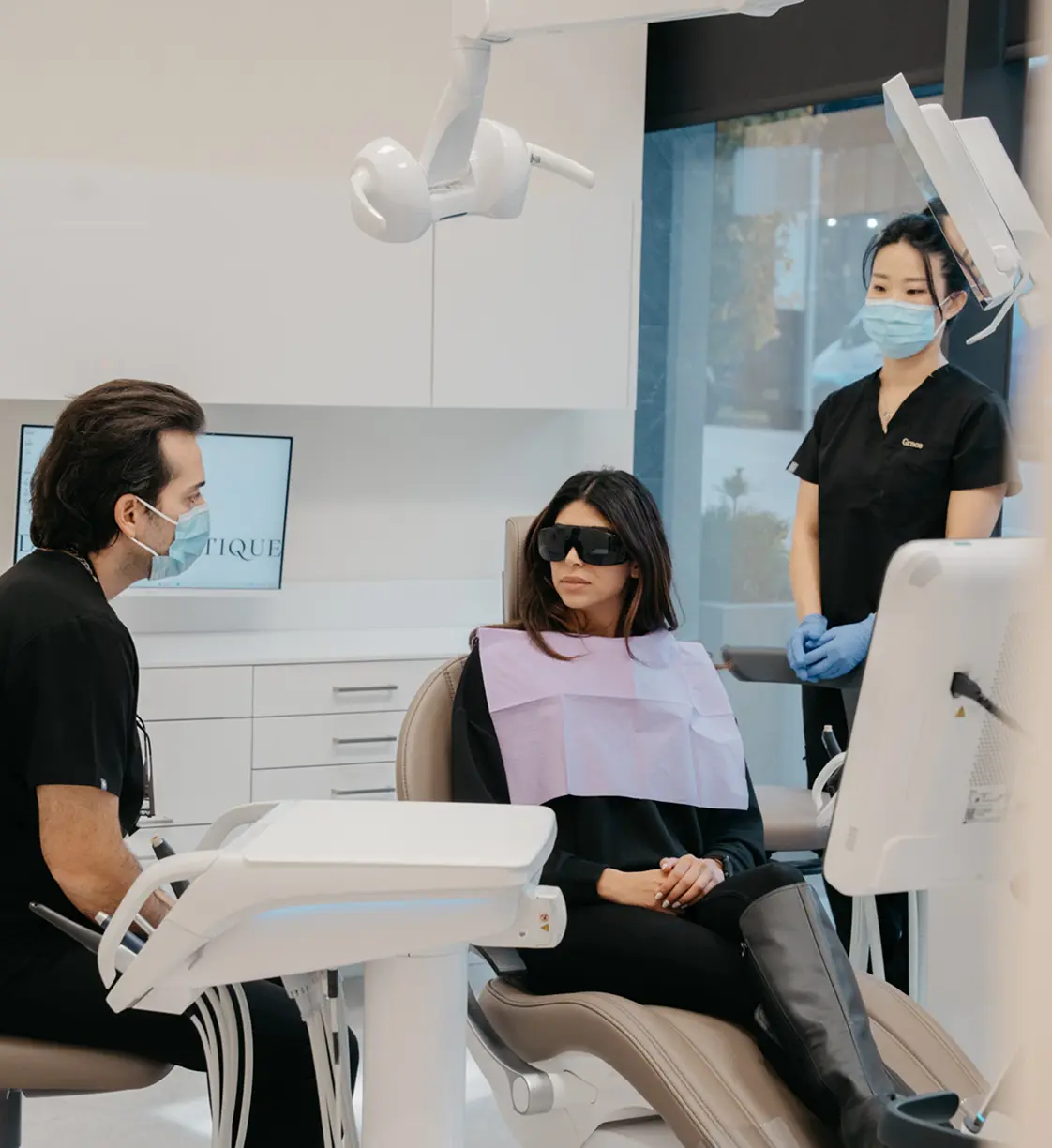

Dental Occlusion Treatment in Yaletown
Assessment and Care for Bite Alignment, Comfort, and Jaw Function
Dental occlusion refers to how your upper and lower teeth come together when you bite or chew. When this alignment is uneven, it may contribute to jaw tension, tooth wear, headaches, or discomfort while chewing.
At Yaletown Dental Boutique, we provide occlusion assessments and conservative treatment options to help identify bite-related concerns and support long-term oral comfort.
 Rated as “Excellent” (130 reviews)
1 min read
Bite (occlusion) issues happen when your teeth don’t come together evenly, which may contribute to jaw tension, tooth wear, headaches, or discomfort while chewing. While not usually an emergency, changes in your bite should be evaluated if symptoms persist or worsen.
At Yaletown Dental Boutique, we provide occlusion assessments to help identify possible causes and recommend appropriate, conservative treatment options. Care may include bite adjustments, protective appliances like nightguards, or restorative solutions depending on your needs.
Early evaluation and ongoing monitoring may help support comfort, function, and long-term bite stability.

Is Bite Misalignment a Dental Emergency?
Bite misalignment is usually not a dental emergency, but prompt evaluation is recommended when there is:

What to Do If You Suspect a Bite Problem?
Small occlusion changes can lead to larger functional issues if left unchecked. The steps below can help you understand what to look for and when to seek a professional evaluation.
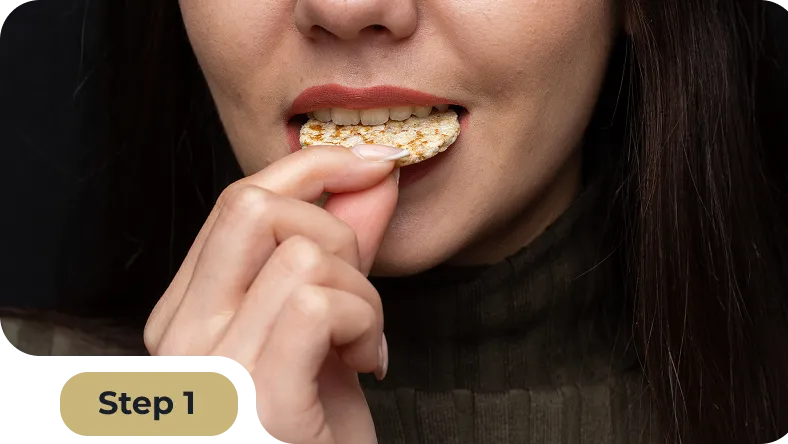
Notice Uneven Bite Pressure or Discomfort
Pay attention if your teeth feel uneven or don’t come together comfortably when you bite or chew. Even mild or occasional imbalance can be an early sign of an occlusion issue developing.

Track Jaw Pain, Tension, or Headaches
Keep track of any recurring jaw discomfort, facial tightness, or headaches, especially if they appear after chewing or waking up. These symptoms are commonly associated with bite misalignment & should not be ignored.
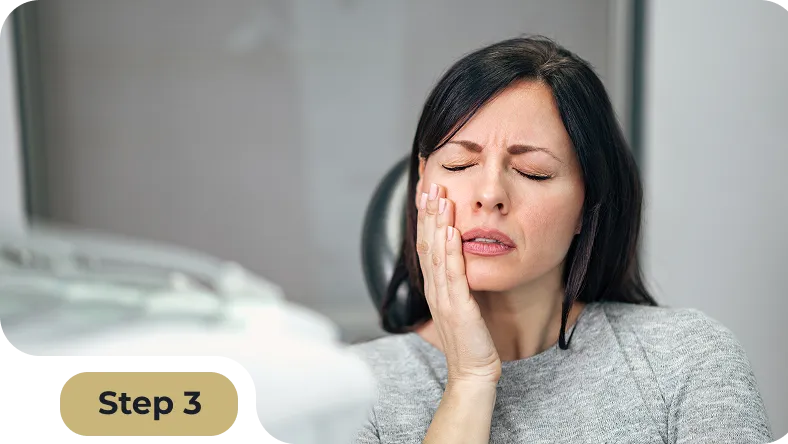
Watch for Chewing Difficulties or Jaw Fatigue
If eating feels harder than usual or your jaw muscles tire quickly, it may indicate uneven bite forces. This strain can build gradually and often becomes more noticeable over time.
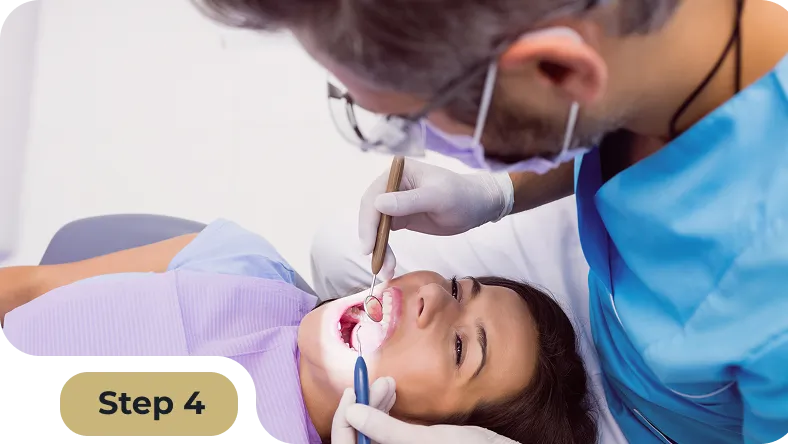
Consider Recent Dental Work or Bite Changes
New dental restorations, orthodontic treatment, or even minor adjustments can sometimes alter your bite. If discomfort starts after dental work, it’s important to monitor symptoms and seek evaluation if they persist.

Avoid Trying to Adjust Your Bite Yourself
Do not attempt to shift, grind, or “test” your bite on your own. Self-adjusting can worsen imbalance and place additional stress on teeth, muscles, and jaw joints.

Schedule a Professional Occlusion Assessment
If you suspect a bite issue, the safest step is to book a professional evaluation. A dental assessment can help identify possible causes and guide appropriate, conservative treatment options.
Begin Your Smile Journey
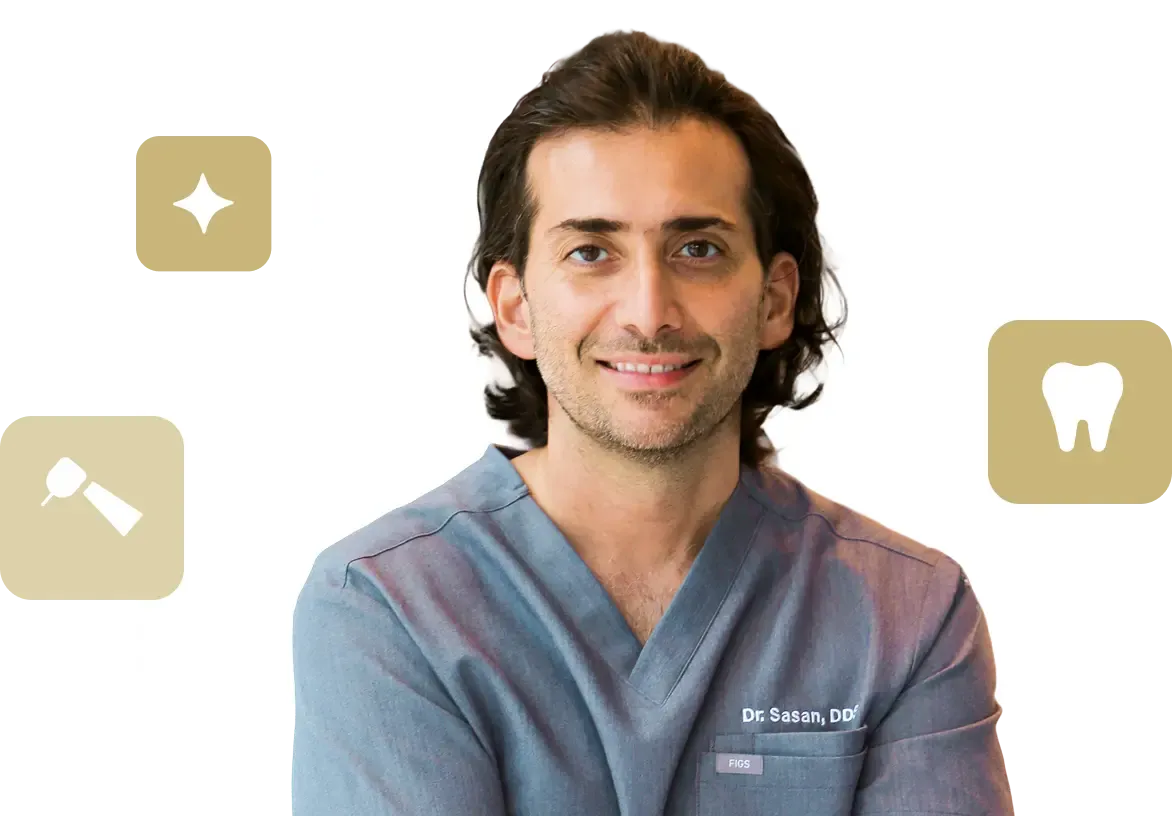
with Dr. Hadianfar
Dr. Sasan Hadianfar, General Dentist
What Is Dental Occlusion?
Dental occlusion refers to the way your upper and lower teeth come together when your mouth closes. It’s a key part of how your bite functions, affecting everything from chewing comfort to jaw movement and overall oral balance.

Common Causes of Occlusion Problems
Bite alignment issues can develop for many reasons, often gradually over time. The most common causes are:
Important Information for
CDCP Patients
Treatment under the Canadian Dental Care Plan is not fully covered. A co-payment will apply.

Does Occlusion Treatment Hurt?
Most occlusion treatments are gentle and minimally invasive. Procedures like bite adjustmentsusually involve very small refinements and are intended to improve comfort without causing pain.
What Happens If Bite Problems Are Left Untreated?
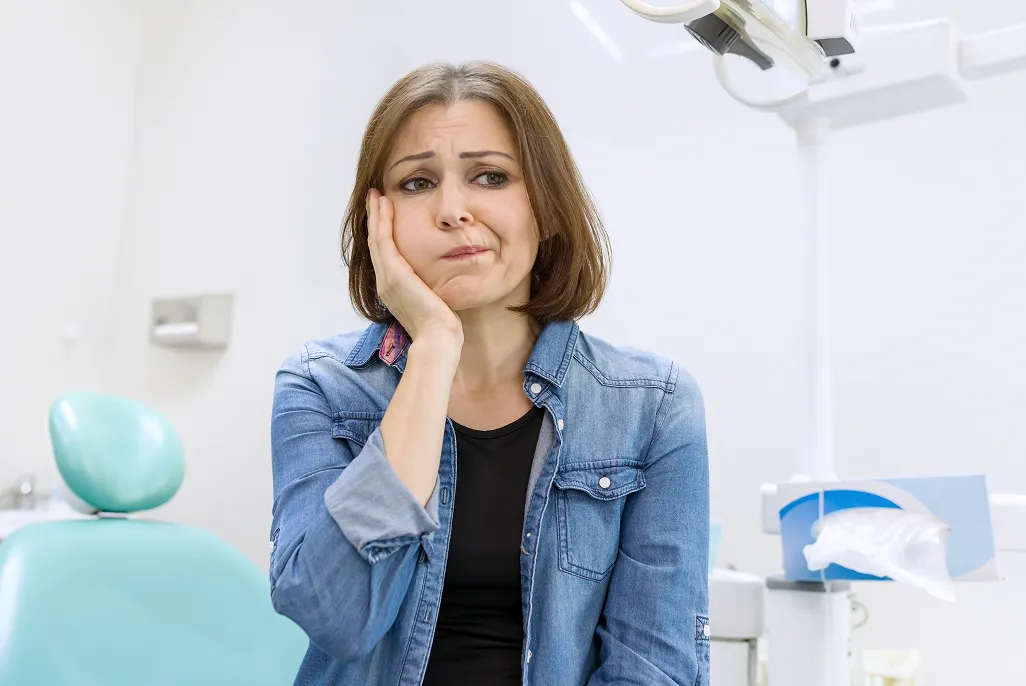
If bite problems are left untreated, uneven pressure can slowly increase stress on your teeth, jaw muscles, and joints, leading to worsening discomfort over time.

Dental Occlusion Treatment in Adults vs. Teens
Bite alignment issues can present differently depending on age. In teens, treatment often focuses on guiding developing teeth and jaw growth, while in adults it typically involves correcting established bite patterns and restoring balance for comfort and function.

Confident Smiles Start Here — Book Your Visit Today
Recovery and Follow-Up After Occlusion Treatment
Preventing Bite Problems
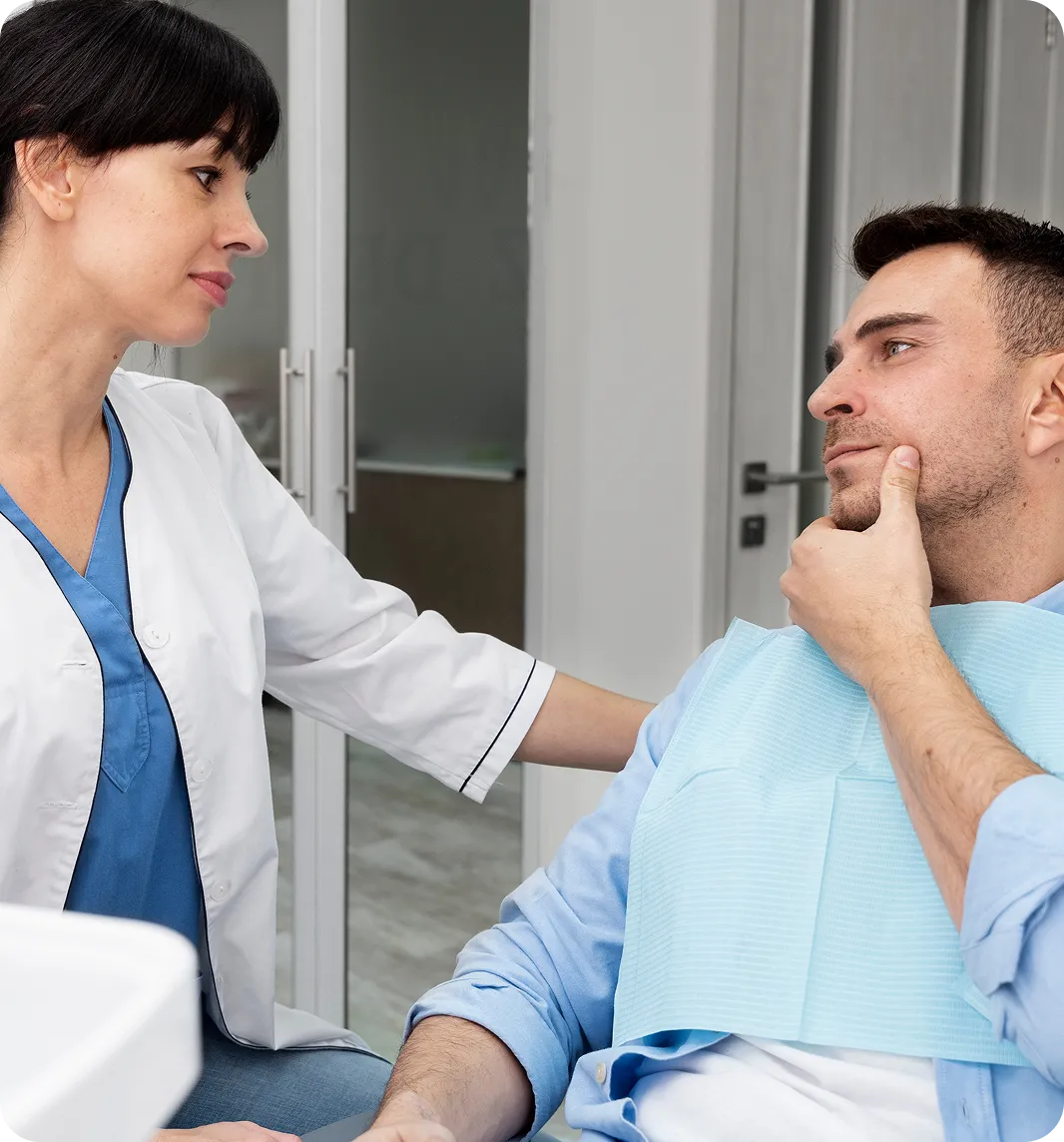
Here are some simple but effective ways to help prevent bite problems before they develop or worsen.
Choosing the Right Dentist for Occlusion Treatment in Yaletown
Choosing the right dentist is important for accurately diagnosing and treating bite problems. Occlusion issues require careful assessment of how your teeth and jaw work together. At Yaletown Dental Boutique, we focus on careful evaluation and treatment planning aimed at supporting stable outcomes.
What Our Cosmetic Patients Are Saying?
- Hands down the best dental services in town. Highly recommend the clinic for anyone wanting to visit a dentist to learn better about maintaining oral health and getting the clean up. Had a wonderful experience with the hygienist Amir who was very patient and did a wonderful job.
- always an amazing experience!
- Amir a the rest of the team has been incredible today. Best day in the dentist ever!
- Everyone was so nice and the clinic is brand new 🙂
- Amir was great! Wonderful service!
- Everything was perfect! 🙂
- First time at this location, I loved the experience. Staff is amazing and so is the service. :))
- Very friendly and polite staff. They made Ure I was comfortable


Frequently Asked Questions About Dental Occlusion Treatment in Yaletown
Can bite problems cause jaw pain or headaches?
How do I know if I have a bite problem?
Can dental work change my bite?
Can grinding teeth affect occlusion?
How long does occlusion treatment take?
What is occlusal adjustment?
Is occlusion treatment permanent?
Do I need orthodontics for bite issues?
A Balanced Bite Supports Long-Term Oral Comfort
A balanced bite supports comfortable chewing, reduces strain on your jaw, and helps protect your teeth over time. When bite issues are addressed early, it may help reduce the likelihood of more complex problems.
If something feels off, it’s worth having your bite checked. At Yaletown Dental Boutique, we take a thoughtful, personalized approach to dental occlusion treatment in Yaletown, helping patients from Yaletown, Downtown Vancouver, False Creek, Gastown and nearby areas support comfort and function.
Visit Us
Contact
info@yaletown.dental
205 Smithe Street
Vancouver, BC V6B 2P4
Hours
Mon–Fri: 9:00 am – 5:00 pm
Saturday: 9:00 am – 4:00 pm
Sunday: Closed

Request an Appointment Now!