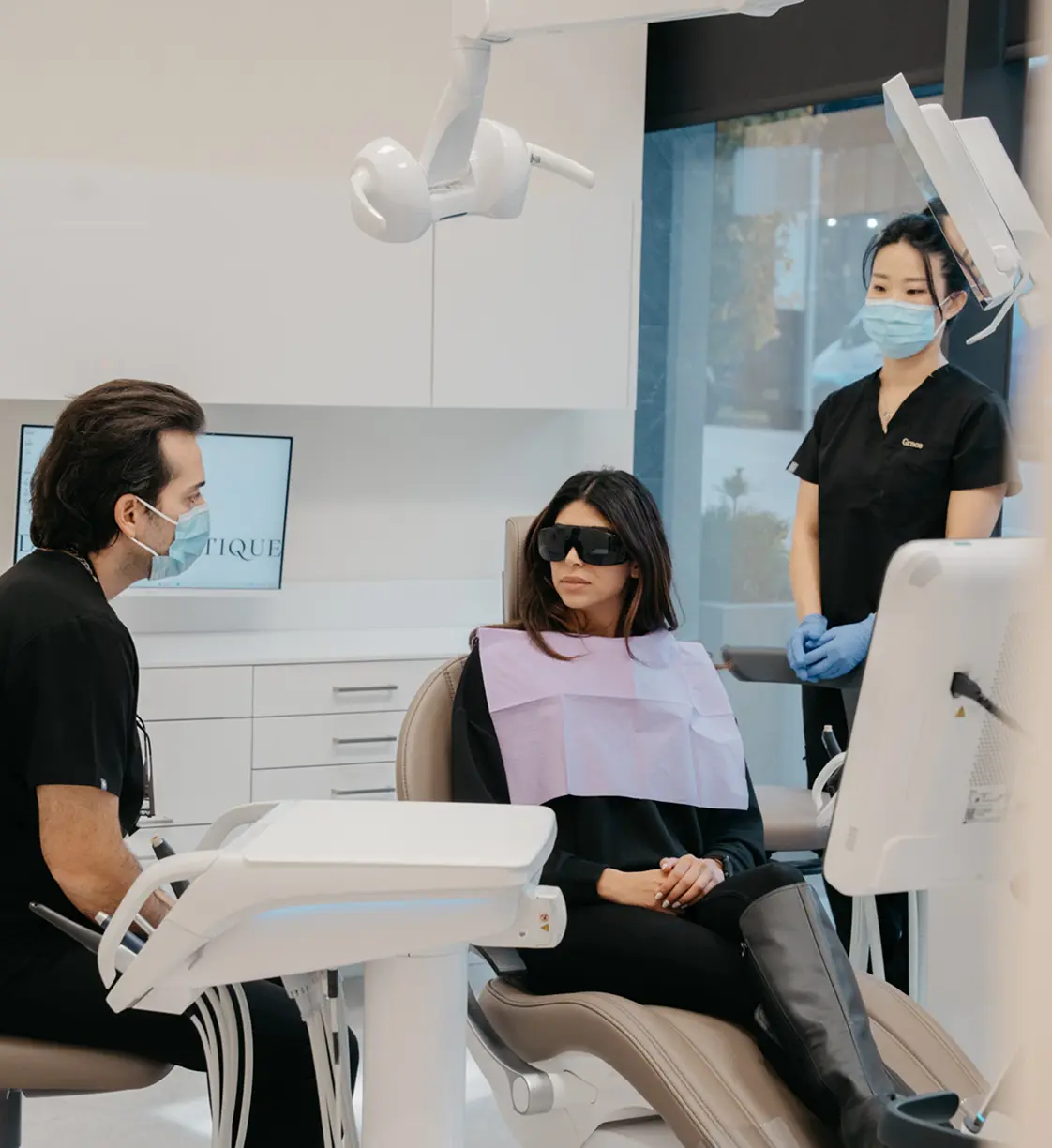

Sleep Apnea Appliances in Yaletown

Custom Oral Appliance Therapy for Sleep-Related Breathing Concerns

Snoring, fatigue, or poor sleep may be linked to obstructive sleep apnea (OSA), a condition that requires medical diagnosis. For suitable patients, custom oral appliances may be used as part of a treatment plan to support jaw position during sleep.

Rated as “Excellent” (130 reviews)

1 min read

Sleep apnea is a common sleep-related breathing condition that may affect sleep quality, daytime energy, and long-term health. For appropriately diagnosed patients, custom oral appliances (mandibular advancement devices) may be considered as a non-surgical treatment option to help reduce airway narrowing during sleep.
Yaletown Dental Boutique in Vancouver provides sleep apnea appliance consultations for patients exploring oral appliance therapy as part of a treatment plan, including in cases where CPAP has been recommended or not well tolerated. Care is based on assessment, diagnosis, and follow-up.

Is Sleep Apnea a Medical Emergency?

Sleep apnea is usually not an immediate emergency, but it is a chronic medical condition that can affect sleep quality, daytime alertness, and long-term health if left unaddressed.

Obstructive Sleep Apnea as a Chronic Condition

Obstructive sleep apnea is a long-term sleep-related breathing condition where airflow is repeatedly reduced or blocked during sleep, often leading to fragmented rest and reduced oxygen levels overnight.

Health Effects of Untreated Sleep Apnea

If left untreated, sleep apnea may contribute to ongoing fatigue, poor concentration, and increased strain on cardiovascular health, affecting overall wellbeing and daily functioning over time.

Importance of Proper Diagnosis

The severity of sleep apnea varies significantly between individuals, making professional assessment essential. A sleep study or medical evaluation helps confirm diagnosis and guide appropriate treatment options.

When to Seek Urgent Medical Advice

Seek prompt medical attention if excessive daytime sleepiness affects driving, work safety, or daily alertness, or if breathing interruptions during sleep are frequent or worsening noticeably.

What to Do If You Suspect Sleep Apnea?

If you’re noticing ongoing sleep disruption, fatigue, or snoring concerns, it’s important not to ignore the signs. Taking early steps below can help clarify whether sleep apnea may be present and guide you toward appropriate professional evaluation and care.

Notice Persistent Snoring Patterns

Loud, ongoing snoring that occurs most nights and disturbs sleep quality may be an early indicator of obstructive sleep apnea. It is often first noticed by a partner and should not be dismissed as simple or harmless snoring.
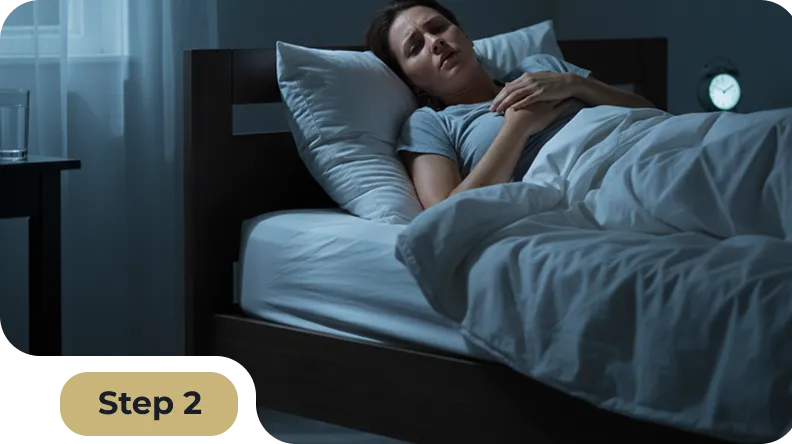
Pay Attention to Breathing Interruptions

Episodes where breathing stops briefly, followed by choking or gasping during sleep, can suggest airway obstruction. These events may occur repeatedly throughout the night and are commonly unrecognized by the person experiencing them.

Monitor Daytime Fatigue Levels

Excessive daytime sleepiness, lack of energy, or difficulty concentrating may result from poor sleep quality. This ongoing fatigue can impact productivity, mood, and safety during daily activities, including driving or work performance.

Track Morning Headache Symptoms

Waking up with frequent headaches may be associated with disrupted oxygen flow and fragmented sleep. While not specific to sleep apnea alone, this symptom often appears alongside other sleep-related breathing concerns.

Seek Medical Evaluation Early

A physician or accredited sleep clinic can assess symptoms through a sleep study or diagnostic testing. Early evaluation is important for identifying severity and determining whether treatment is needed to support healthier sleep patterns.

Consider a Dental Sleep Consultation

A dental sleep consultation may be recommended after diagnosis to explore oral appliance options. This step ensures treatment is appropriate for the patient’s condition and supports a coordinated, evidence-based approach to care planning.

Begin Your Smile Journey

with Dr. Hadianfar

Dr. Sasan Hadianfar, General Dentist
What Is Obstructive Sleep Apnea (OSA)?

Obstructive sleep apnea (OSA) is a common sleep-related breathing condition that can affect how well you rest at night. Here’s a simple breakdown of what happens during sleep apnea and how it impacts your breathing and sleep quality.
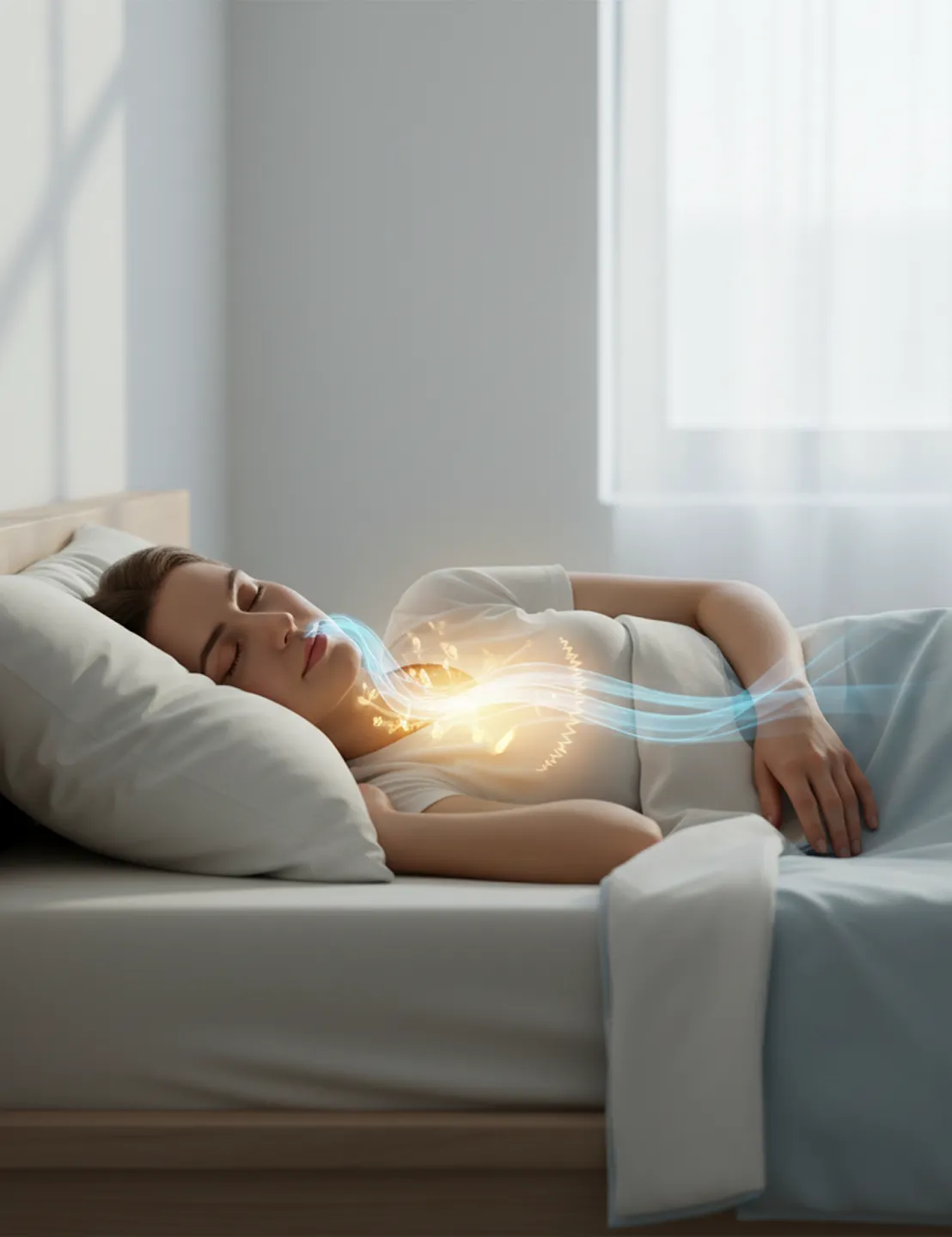
Airway Blockage During Sleep

Obstructive sleep apnea occurs when the airway becomes partially or fully blocked during sleep, often due to relaxed throat tissues that narrow or collapse and restrict normal airflow.

Interrupted Breathing Patterns

These blockages can cause repeated pauses in breathing throughout the night. Each pause may briefly wake the body, even if unnoticed, interrupting normal sleep cycles and reducing restorative rest.

Reduced Oxygen and Sleep Quality

When breathing is disrupted, oxygen levels in the body may drop. This can place stress on the body and contribute to fragmented sleep, leading to fatigue and reduced daytime alertness.

The Role of Jaw and Tongue Position

The position of the lower jaw and tongue can influence airway space. During sleep, these structures may shift backward, contributing to narrowing of the airway in some individuals.

How Mandibular Advancement Appliances Work?

Mandibular advancement appliances are non-surgical devices that may help support breathing during sleep in suitable patients. The following explains how these custom devices work to support airflow and may contribute to treatment goals related to sleep-related breathing.

1

Gently Positioning the Lower Jaw

Mandibular advancement appliances are designed to gently move the lower jaw slightly forward during sleep, helping to reduce airway narrowing and support more consistent breathing patterns throughout the night.

2

Supporting an Open Airway

By positioning the jaw forward, these appliances may help reduce airway obstruction during sleep, which can contribute to fewer breathing interruptions.

3

Custom Fit for Nightly Use

Each appliance is custom-made to fit your teeth and bite, and is worn only during sleep. This allows for a secure, comfortable fit tailored to your individual dental and jaw structure.

4

Adjustable, Non-Invasive Treatment

These devices are adjustable over time to support comfort and treatment fit. Oral appliance therapy is non-invasive and reversible, meaning it can be modified or discontinued based on patient needs and response.

Who Is a Good Candidate for Sleep Apnea Appliances?

Not everyone with sleep-related breathing concerns will be suited for oral appliance therapy. Candidacy depends on individual diagnosis, symptom severity, and overall oral and jaw health, which should be carefully assessed before treatment begins.

For many adults, oral appliances can offer a comfortable and non-invasive treatment option. Some common factors that may indicate suitability for sleep apnea appliance therapy are:

  • Mild to moderate OSA: Patients diagnosed with mild to moderate obstructive sleep apnea may be considered suitable candidates, as oral appliances may help support airway openness during sleep in appropriate cases.
  • Primary snoring: Individuals experiencing chronic snoring without severe sleep apnea may benefit from an appliance, particularly when snoring disrupts sleep quality for themselves or their partner.
  • CPAP intolerance: Patients who find CPAP difficult to tolerate due to discomfort, noise, or lifestyle concerns may be suitable candidates for oral appliance therapy as an alternative treatment option.
  • Adequate jaw joint health Adequate jaw joint function and stable dental support are important, since the appliance relies on the teeth and lower jaw position to work effectively.
  • Physician referral or diagnosis A physician diagnosis or sleep study confirmation is essential, as patients with severe sleep apnea may require other therapies or a combined treatment approach.
Important Information for

CDCP Patients

Treatment under the Canadian Dental Care Plan is not fully covered. A co-payment will apply.

Oral Appliances vs. CPAP Therapy

Oral appliances and CPAP (continuous positive airway pressure) therapy are both recognized treatment options for obstructive sleep apnea. CPAP uses a machine to deliver steady airflow through a mask to help keep the airway open during sleep.

Oral appliances, such as mandibular advancement devices, offer an alternative for selected patients. These custom devices are worn at night to support the lower jaw and maintain airflow, with suitability depending on diagnosis and individual needs.

Form and portability: CPAP uses a machine and mask, while oral appliances are small and easy to travel with.

Comfort and use: Some patients find oral appliances easier to wear, though comfort varies by individual.

Noise impact: CPAP may produce sound, while oral appliances are quiet.

Effectiveness: CPAP is often used for more severe cases; oral appliances for mild to moderate cases.

Treatment approach: Both are established options selected based on professional diagnosis and guidance.

Does Wearing a Mandibular Advancement Appliance Hurt?

It’s common to have questions about comfort when starting any new dental appliance. Many patients may adapt to a mandibular advancement device over time, as the jaw and muscles gradually adjust to the new position.
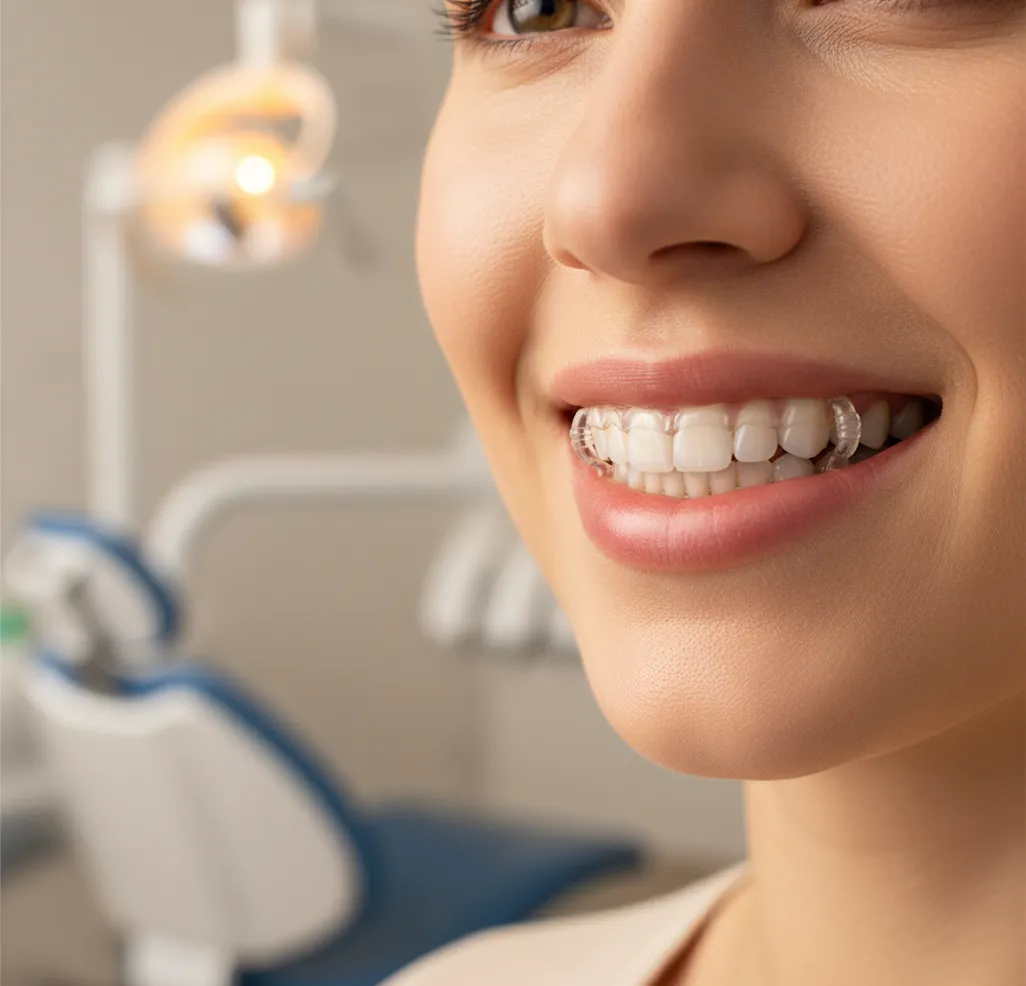
Some mild, temporary effects such as jaw stiffness, tooth sensitivity, or slight bite changes may occur at the beginning. These effects are generally monitored, and adjustments may be made as needed to help support comfort and joint health over time.

  • Initial adjustment period: It may take several nights to weeks for the jaw and surrounding muscles to adapt comfortably.
  • Mild soreness: Temporary jaw or tooth discomfort can occur, especially in the early stages of use.
  • Custom fit: Appliances are designed to fit your bite, helping reduce pressure points and improve comfort.
  • Adjustability: Devices can be gradually adjusted to balance effectiveness and comfort over time.
  • Ongoing monitoring: Regular follow-ups help assess jaw joint health and determine whether the appliance remains suitable.
  • Conservative care approach: Treatment is carefully managed to prioritize comfort, safety, and oral health.

What Happens If Sleep Apnea Is Left Untreated?

If obstructive sleep apnea is not addressed, it can continue to disrupt normal sleep patterns and place ongoing strain on the body. Because breathing interruptions occur repeatedly during the night, the body may not receive the restorative rest it needs.


Over time, untreated sleep apnea has been associated with broader health and quality-of-life impacts. While outcomes vary from person to person, managing the condition is generally considered an important part of preventive healthcare.


Cardiovascular strain: Ongoing oxygen disruptions may contribute to increased blood pressure and added stress on the heart over time.

Heart health concerns: Untreated sleep apnea has been associated with a higher risk of developing cardiovascular conditions in some individuals.

Stroke risk: Repeated nighttime breathing interruptions may be linked with an increased risk of stroke when left unmanaged.

Daytime fatigue and safety: Poor sleep quality can lead to excessive tiredness, increasing the risk of accidents and reduced alertness.

Mood and cognitive effects: Sleep disruption may contribute to irritability, memory issues, and difficulty concentrating during the day.

Confident Smiles Start Here — Book Your Visit Today

Achieve the smile you deserve with personalized, gentle dental care tailored to your needs and comfort.

Sleep Apnea Appliances in Adults vs. Teens

Sleep apnea treatment needs can vary significantly depending on age, especially when it comes to jaw development and long-term oral health. The following sections outline how oral appliance therapy is typically approached in adults compared to teens.

Sleep Apnea Appliances in Adults

Oral appliance therapy is most commonly used for adults who have been diagnosed with obstructive sleep apnea or chronic snoring concerns and are seeking a non-invasive treatment option.

  • Typically used after a confirmed diagnosis of mild to moderate OSA
  • Custom-fitted to support the jaw during sleep
  • Helps reduce airway obstruction and snoring in suitable cases
  • May be considered when CPAP is not well tolerated
  • Requires regular follow-up to monitor comfort and effectiveness

Best for: Adults with diagnosed sleep apnea or snoring concerns who are suitable candidates for oral appliance therapy.

Sleep Apnea Appliances in Teens

In younger patients, oral appliance therapy requires careful consideration due to ongoing jaw and facial growth. Treatment decisions are made cautiously and only in appropriate, professionally assessed cases.

  • Jaw and facial structures are still developing
  • Growth can affect appliance fit and long-term outcomes
  • Requires thorough medical and dental evaluation first
  • Often coordinated with broader medical assessment
  • Used selectively based on specific clinical needs

Best for: Adolescents only in carefully selected cases where growth, diagnosis, and medical guidance support treatment.

Follow-Up and Long-Term Care

Treatment with a sleep apnea appliance does not end once the device is delivered. Follow-up care is an important part of ensuring the appliance continues to feel comfortable and functions as intended over time.
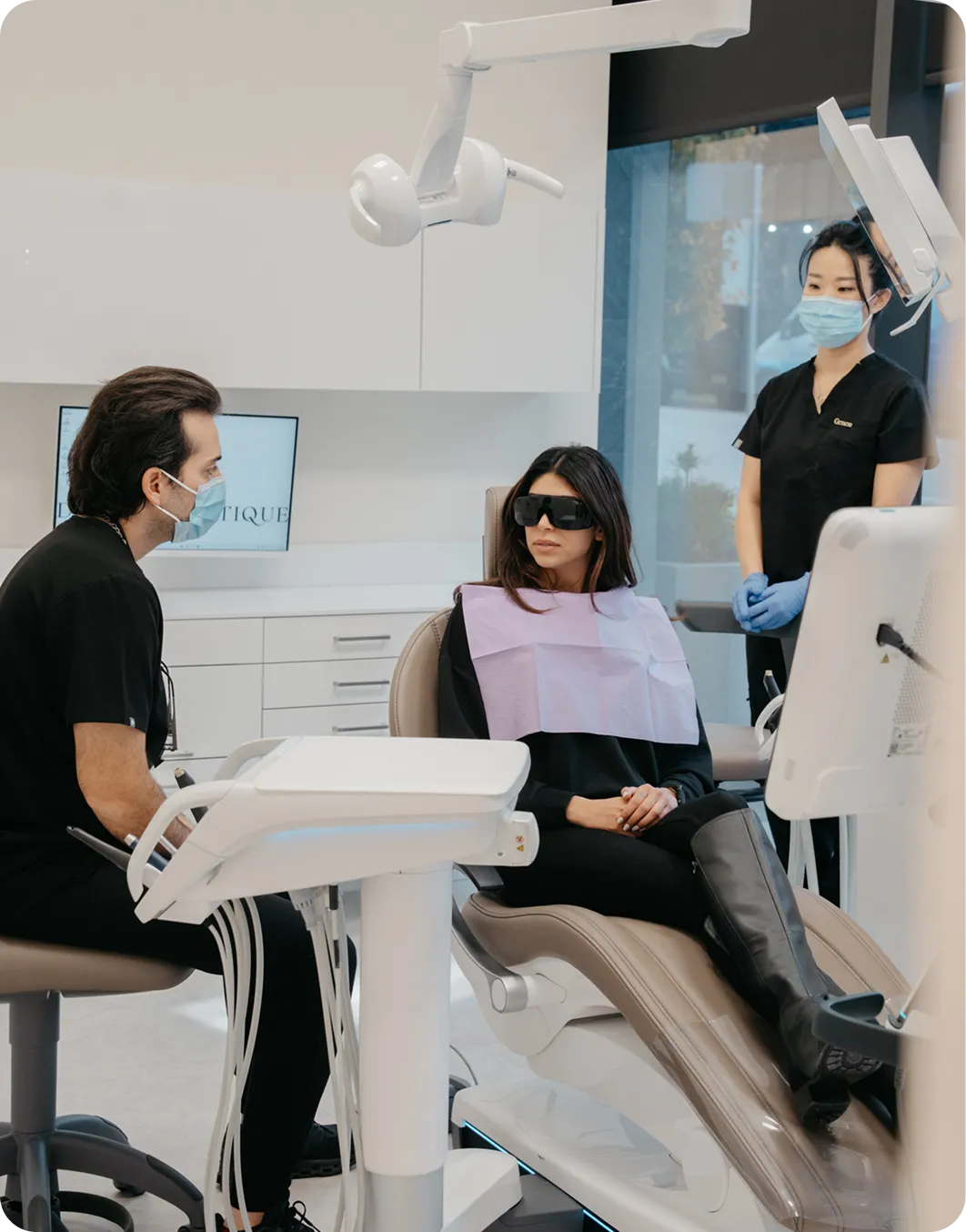
As your body adjusts and your sleep patterns evolve, periodic reviews help track progress and make any necessary refinements. In some cases, additional sleep testing may be recommended by a physician to confirm treatment effectiveness.

Here’s what patients can typically expect as part of follow-up and long-term care when using a sleep apnea appliance:

Initial fitting and adjustments: The appliance is custom-fitted and fine-tuned over several visits to support comfort and proper function

Early adaptation period: Follow-up appointments help patients adjust during the first few weeks of use

Sleep testing (if required): Physicians may recommend repeat sleep studies to evaluate treatment outcomes

Jaw and bite monitoring: Regular assessments help maintain jaw joint health and stable bite alignment

Long-term maintenance: Appliances may require cleaning, repairs, or replacement over time

Ongoing care approach: Continuous monitoring helps support comfort, fit, and long-term treatment response

Preventing Sleep Apnea Progression

Sleep apnea management is not only about treatment but also about daily habits that may support better breathing during sleep. The following strategies can help contribute to long term sleep health and symptom control.

Maintain a Healthy Weight

Maintaining a healthy weight may help reduce pressure on the airway during sleep. Modest weight changes may influence breathing patterns and overall sleep quality in some individuals with sleep apnea concerns.

Sleep in a Supported Position

Sleeping on your side instead of your back may help reduce airway collapse during sleep. Positional changes can support better airflow and may improve symptoms for some individuals with snoring or sleep apnea.

Limit Alcohol Before Bed

Avoiding alcohol before bedtime can help reduce airway relaxation during sleep. Alcohol may contribute to increased airway collapse, leading to more frequent breathing interruptions and poorer sleep quality overall.

Address Nasal or Airway Issues

Managing nasal congestion or other airway concerns may support improved breathing during sleep. Treating underlying conditions can complement oral appliance therapy and contribute to better overall sleep health outcomes.

Tip: Consistent use of your prescribed sleep apnea appliance, combined with healthy sleep habits such as maintaining a stable weight, sleeping on your side, and avoiding alcohol before bed, may support better long-term airway function and improved sleep quality over time.

Choosing the Right Dentist for Sleep Apnea Appliances in Yaletown

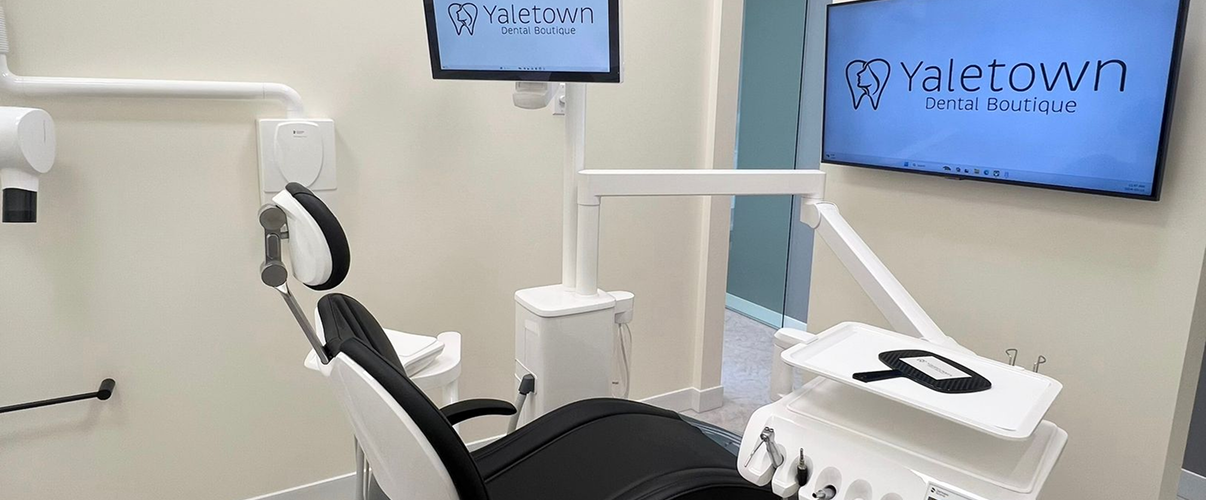
Selecting an experienced provider for sleep apnea appliance therapy is important for safe, properly monitored care. Because sleep apnea is a medical condition, oral appliance treatment should be coordinated with a physician or sleep specialist when diagnosis, severity assessment, or follow-up sleep testing is required.
Proper Diagnosis and Appliance Selection

Accurate diagnosis and careful appliance selection are essential for appropriate treatment planning. A thorough assessment helps determine whether oral appliance therapy is appropriate and ensures the device is designed to match individual airway and bite needs.

Jaw Joint Safety and Ongoing Care

Protecting jaw joint health is a key part of treatment planning. Appliances must be fitted and adjusted carefully to avoid strain, with regular follow-ups to monitor comfort, function, and long-term stability of the bite.

Patient-Focused Sleep Apnea Care

At Yaletown Dental Boutique, sleep apnea appliances are custom-fabricated and tailored to each patient. Care includes clear communication, structured follow-ups, and an evidence-based approach intended to support safe and consistent treatment over time.

What Our Patients Are Saying?

  • Zalha Fazal

    Hands down the best dental services in town. Highly recommend the clinic for anyone wanting to visit a dentist to learn better about maintaining oral health and getting the clean up. Had a wonderful experience with the hygienist Amir who was very patient and did a wonderful job.
  • Travis Battaglia

    always an amazing experience!
  • Camila Pérez ciribe

    Amir a the rest of the team has been incredible today. Best day in the dentist ever!
  • Jenny Wong

    Everyone was so nice and the clinic is brand new 🙂
  • Gurjit Dhadda

    Amir was great! Wonderful service!
  • Eve Plante

    Everything was perfect! 🙂
  • Priyanka Pahari

    First time at this location, I loved the experience. Staff is amazing and so is the service. :))
  • Emilio Suarez

    Very friendly and polite staff. They made Ure I was comfortable

    Frequently Asked Questions About Sleep Apnea Appliances

    How does a mandibular advancement device work?

    Is an oral appliance effective for sleep apnea?

    Can a dentist treat sleep apnea?

    Is CPAP better than an oral appliance?

    Can oral appliances help with snoring?

    What causes obstructive sleep apnea?

    Sleep Apnea Appliance Care Starts With Proper Assessment

    Sleep apnea is a serious but manageable condition when properly diagnosed and treated. Patients in Yaletown and nearby areas such as Downtown Vancouver, False Creek, and Coal Harbour often benefit from exploring treatment options that support sleep-related treatment goals and daytime function.
    For those seeking an alternative to CPAP, oral appliance therapy may offer a non-invasive option that can help support breathing during sleep in appropriate cases. Treatment is focused on comfort, function, and ongoing oral health.
    Yaletown Dental Boutique provides sleep apnea appliance consultations for patients in Vancouver seeking individualized care.

    Visit Us

      Contact

      info@yaletown.dental
      205 Smithe Street
      Vancouver, BC V6B 2P4

      Hours

      Mon–Fri: 9:00 am – 5:00 pm
      Saturday: 9:00 am – 4:00 pm
      Sunday: Closed

    Request an Appointment Now!