
TMJ / TMD Treatment in Yaletown

Assessment and Conservative Care for Jaw Pain, Clicking, and Tension

Jaw pain, clicking, or tension can affect daily life and may be linked to TMJ/TMD.
We offer assessment and conservative options, including custom nightguards and bite splints for TMJ/TMD symptoms.

Rated as “Excellent” (130 reviews)

1 min read

TMJ and TMD can cause jaw pain, clicking, headaches, and tension, and are often managed with conservative dental care. At Yaletown Dental Boutique, treatment focuses on assessing possible contributing factors and may include custom nightguards or bite splints to help reduce strain and support jaw function over time. Early evaluation may help reduce the risk of symptoms progressing and support long-term management without invasive procedures.

Is TMJ / TMD a Dental Emergency?

TMJ and TMD symptoms can feel alarming, especially when pain or jaw stiffness interferes with daily life. In most cases, however, these conditions are not dental emergencies and can be treated with proper care. You can read more about dental emergency in Yaletown.

Most TMJ/TMD Cases Are Not Emergencies

TMJ and TMD conditions are usually not dental emergencies. Many symptoms develop gradually and may be managed with timely, conservative care and professional evaluation.

Signs You Should Schedule an Evaluation

Persistent or worsening jaw pain, clicking, or stiffness should not be ignored. Early evaluation may help identify contributing factors and reduce the risk of symptoms becoming more severe or persistent.

Symptoms That Affect Daily Life

Difficulty chewing, speaking, or opening your mouth comfortably, along with headaches, ear discomfort, or facial tension, are signs that professional evaluation and treatment are needed.

When Urgent Care May Be Needed

Seek urgent care if you experience sudden jaw locking, recent trauma, or severe pain. These situations may require immediate attention to prevent complications or worsening dysfunction.

What to Do If You Have Jaw Pain or TMJ Symptoms?

There are simple steps you can take to reduce discomfort and protect your jaw. These measures can help in the short term, but professional care is important for longer-term symptom management.

Avoid Hard, Chewy, or Sticky Foods

Choose softer foods to reduce strain on your jaw joints and muscles. Avoid hard, chewy, or sticky items that require excessive force, as they can worsen discomfort and delay healing over time.

Limit Wide Jaw Movements

Be mindful of movements that open your mouth too wide, such as yawning or chewing gum. Reducing these habits helps minimize joint stress and may help limit additional irritation of already sensitive jaw tissues.
Use Heat or Cold as Recommended

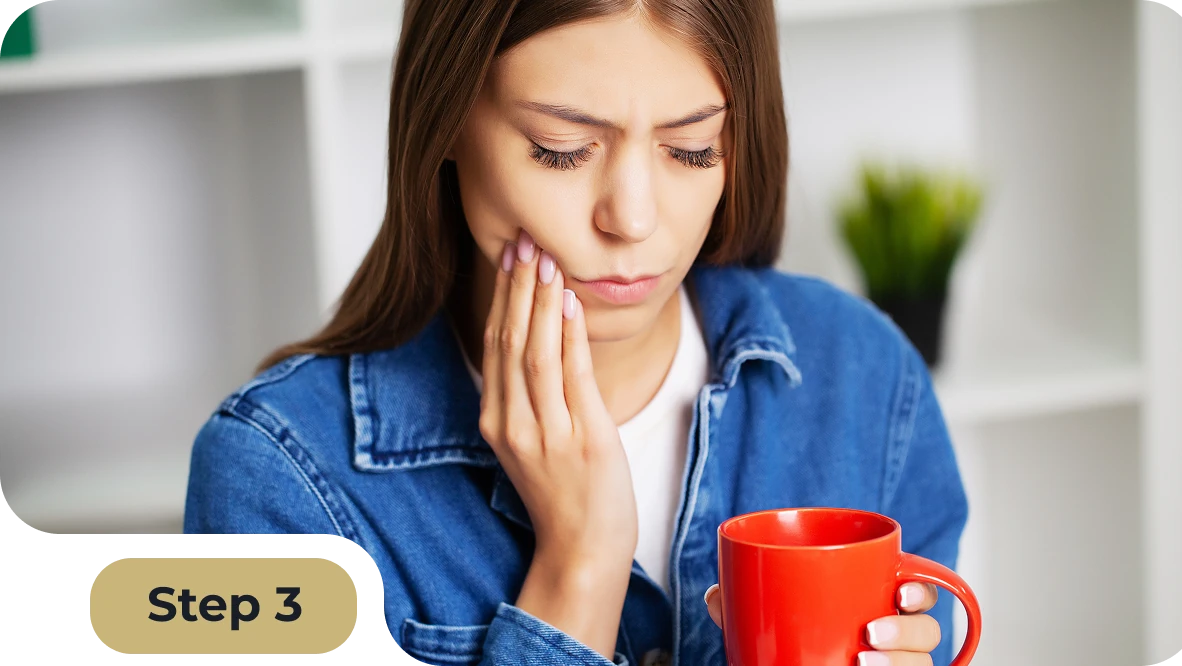
Applying gentle heat or cold packs may help relieve jaw discomfort and muscle tension. Your dentist can guide you on which option is best based on your symptoms and the underlying cause.

Be Aware of Clenching and Grinding

Many people clench or grind their teeth without realizing it, especially during stress. Becoming more aware of these habits during the day can help reduce unnecessary pressure on your jaw.

Manage Stress and Muscle Tension

Stress often contributes to jaw clenching and muscle tightness. Simple relaxation techniques such as deep breathing, stretching, or mindfulness can help reduce tension and support overall jaw comfort.

Schedule a Professional Evaluation

While self-care can provide temporary relief, it may not address underlying contributing factors. A professional evaluation provides an assessment to help better understand possible causes and may guide a personalized treatment plan to support long-term symptom management and improved function.

Begin Your Smile Journey

with Dr. Hadianfar

Dr. Sasan Hadianfar, General Dentist
What Is TMJ / TMD?

TMJ and TMD refer to the jaw joint and the conditions that affect how it functions. When this system is not working smoothly, it can lead to pain, tension, and difficulty with everyday jaw movement.
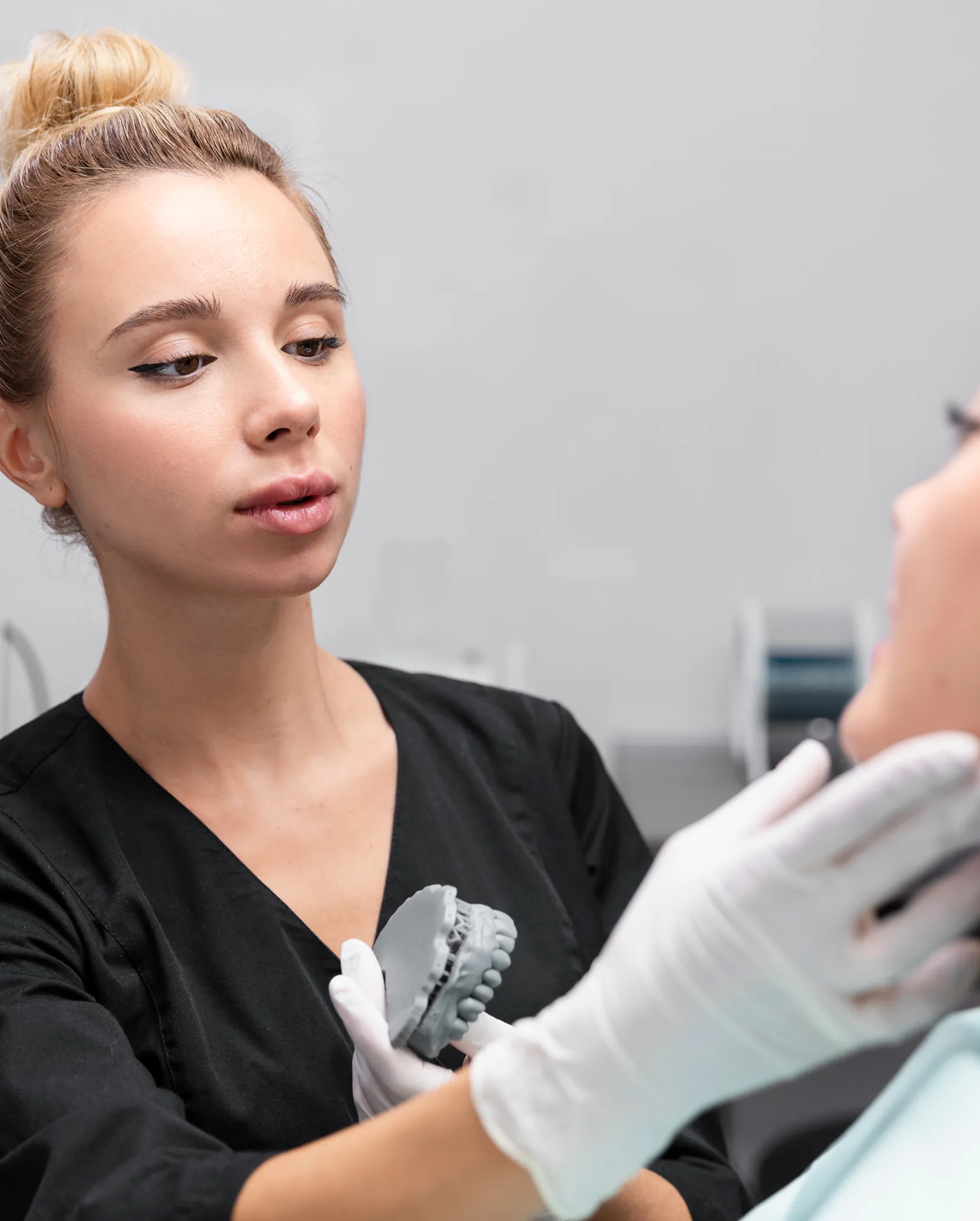
What Is the TMJ?

The TMJ, or temporomandibular joint, connects your jawbone to your skull. It allows you to speak, chew, yawn, and move your jaw smoothly and comfortably.

What Is TMD?

TMD (Temporomandibular Disorders) refers to disorders affecting the jaw joint, surrounding muscles, and tissues. These conditions can cause pain, stiffness, clicking, or difficulty moving the jaw normally.

How the Jaw System Works

Your jaw relies on coordinated movement between joints and muscles. When everything functions smoothly, you can open and close your mouth without pain or restriction.

Why Problems Develop

TMJ issues can occur when factors such as strain, stress, injury, or bite imbalance affect normal jaw function. This may lead to discomfort, tension, and difficulty with everyday jaw movements.

Common Causes of TMJ / TMD

TMJ and TMD symptoms often develop for more than one reason, and the cause is not always obvious at first. The most common triggers are:

Teeth Grinding or Clenching (Bruxism)

Grinding or clenching your teeth places continuous pressure on the jaw joints and surrounding muscles, often without you realizing it, especially during sleep or times of stress. Over time, this can lead to jaw pain, muscle fatigue, headaches, and increased tooth wear or sensitivity.

Bite Misalignment

When your upper and lower teeth do not fit together properly, your jaw muscles must work harder to find a comfortable position. This imbalance can place uneven stress on the TMJ, leading to strain, discomfort, and long-term joint irritation if left unaddressed.

Patients with bite alignment issues may also benefit from an Orthodontic Consultation in Yaletown or Invisalign in Yaletown, depending on their needs.

Stress and Muscle Tension

Emotional stress is one of the most common contributors to TMJ issues. It often leads to unconscious jaw clenching, tightened facial muscles, and nighttime grinding. This ongoing tension can overload the jaw system and result in soreness, stiffness, and headaches.

Poor Posture (Neck and Shoulders)

Posture plays a larger role in jaw health than many people realize. Forward head posture and tight neck or shoulder muscles can disrupt the natural alignment of the jaw, increasing strain on the TMJ and contributing to chronic discomfort or restricted movement.

Jaw Injury or Trauma

A direct injury to the jaw, face, or head can disrupt the normal function of the temporomandibular joint. Even if symptoms are not immediate, trauma can lead to long-term inflammation, misalignment, or muscle imbalance that affects jaw movement and comfort.

Arthritis or Joint Degeneration

Arthritis and other degenerative joint conditions can affect the TMJ just like other joints in the body. Over time, this can cause inflammation, stiffness, reduced mobility, and chronic discomfort, making everyday actions like chewing or speaking more difficult.

How TMJ / TMD Is Treated?

At Yaletown Dental Boutique, we begin by assessing your symptom severity, daily discomfort, and jaw function. This helps us better understand underlying causes to your TMJ or TMD condition. Surgery is rarely the first step for TMJ/TMD symptoms. Many patients begin with conservative options such as custom appliances, habit awareness, monitoring, and supportive care.

We offer:

1

Custom nightguards

We create custom nightguards designed to protect your teeth from grinding and reduce strain on your jaw joints while you sleep, improving comfort and long-term stability.

2

Bite splints

Bite splints may help guide jaw position and reduce muscle strain for some patients. We carefully design each appliance to support balanced jaw function and may help reduce muscle tension over time.

3

Bite adjustment when needed

In some cases, small bite adjustments may help improve how your teeth come together. This may help reduce uneven pressure and support more balanced jaw function, which may decrease discomfort during daily activities like chewing.

4

Muscle relaxation strategies

We may recommend simple muscle relaxation techniques to reduce jaw tension caused by stress or clenching. These strategies support healing and help improve overall jaw comfort and function naturally.

5

Monitoring and follow-up

TMJ treatment typically involves ongoing care. We monitor your progress, adjust your appliances if needed, and track changes in your symptoms to guide care as appropriate and support long-term symptom management and jaw health.

Your assessment may include Digital X-Rays in Yaletown or CBCT 3D Scans in Yaletown when clinically appropriate.

Important Information for

CDCP Patients

Treatment under the Canadian Dental Care Plan is not fully covered. A co-payment will apply.

How Nightguards and Bite Splints Help?

Nightguards and bite splints are commonly used in TMJ and TMD treatment to reduce strain on the jaw and protect the teeth from excessive pressure. At Yaletown Dental Boutique, we design these appliances to fit comfortably and work with your natural bite, which may help reduce symptoms such as jaw pain, clenching, and morning headaches.Nightguards primarily protect your teeth from grinding damage during sleep, preventing wear, fractures, and sensitivity. Bite splints go a step further by helping guide and relax the jaw into a more balanced position, which can reduce muscle tension and improve overall jaw function over time.

Here’s what these appliances are designed to do:

  • Protect teeth from grinding and clenching damage
  • May help guide jaw position and reduce strain
  • May help reduce muscle tension and jaw fatigue
  • May help decrease stress on the temporomandibular joint
  • May support sleep and help protect teeth from grinding-related wear
  • Custom-fit appliances may offer improved comfort and function for some patients
Does TMJ / TMD Treatment Hurt?

TMJ and TMD treatment at Yaletown Dental Boutique is typically non-invasive and designed with patient comfort in mind. In many cases, treatment does not involve surgery and focuses on gentle, supportive care.

Custom nightguards and bite splints are carefully made to fit your mouth comfortably and support natural jaw function. While there may be a short adjustment period as your jaw adapts, this is usually mild and temporary.

Over time, some patients notice gradual changes in symptoms such as jaw pain, tension, and headaches with consistent use and follow-up.

What Happens If TMJ / TMD Is Left Untreated?

If TMJ or TMD symptoms are left untreated, they may persist or worsen.
Over time, ongoing strain on the jaw joints and muscles can lead to increasing discomfort and make everyday functions like eating, speaking, and sleeping more difficult. Early evaluation may help reduce the risk of symptoms becoming more persistent and disruptive.
Without treatment, TMJ and TMD symptoms can progress and affect both your oral health and daily comfort in several important ways:

  • Worsening jaw pain, stiffness, and limited movement
  • Frequent headaches, facial pain, or tension
  • Increased tooth wear, fractures, or sensitivity from clenching or grinding
  • Sleep disruption due to discomfort or nighttime grinding
  • Ongoing muscle fatigue and jaw tension
  • Reduced overall quality of life and daily comfort

TMJ / TMD Treatment in Adults vs. Teens

While TMJ and TMD affect both teens and adults, the underlying causes are not always the same. Treatment is tailored based on age, habits, and how the jaw system is developing or changing.

TMJ / TMD Treatment in Teens and Young Adults

In teens and young adults, TMJ and TMD symptoms are often linked to stress, growth changes, and early grinding or clenching habits.

  • Bruxism and stress-related clenching habits are common
  • Jaw growth and bite development can influence symptoms
  • Symptoms may appear during orthodontic changes or alignment shifts
  • Early assessment may help identify underlying causes and guide care
  • Treatment plans may evolve as the jaw continues to develop

TMJ / TMD Treatment in Adults

In adults, TMJ and TMD symptoms are often related to long-term wear, chronic muscle tension, or ongoing bite imbalance.

  • Long-term teeth grinding and clenching contribute to joint stress
  • Cumulative wear can lead to chronic jaw discomfort
  • Muscle tension and posture issues often worsen symptoms
  • Early treatment may help prevent progression of joint strain
  • Appliances may be adjusted over time based on comfort and symptoms

Confident Smiles Start Here — Book Your Visit Today

Achieve the smile you deserve with personalized, gentle dental care tailored to your needs and comfort.

Recovery and Follow-Up With TMJ / TMD Treatment
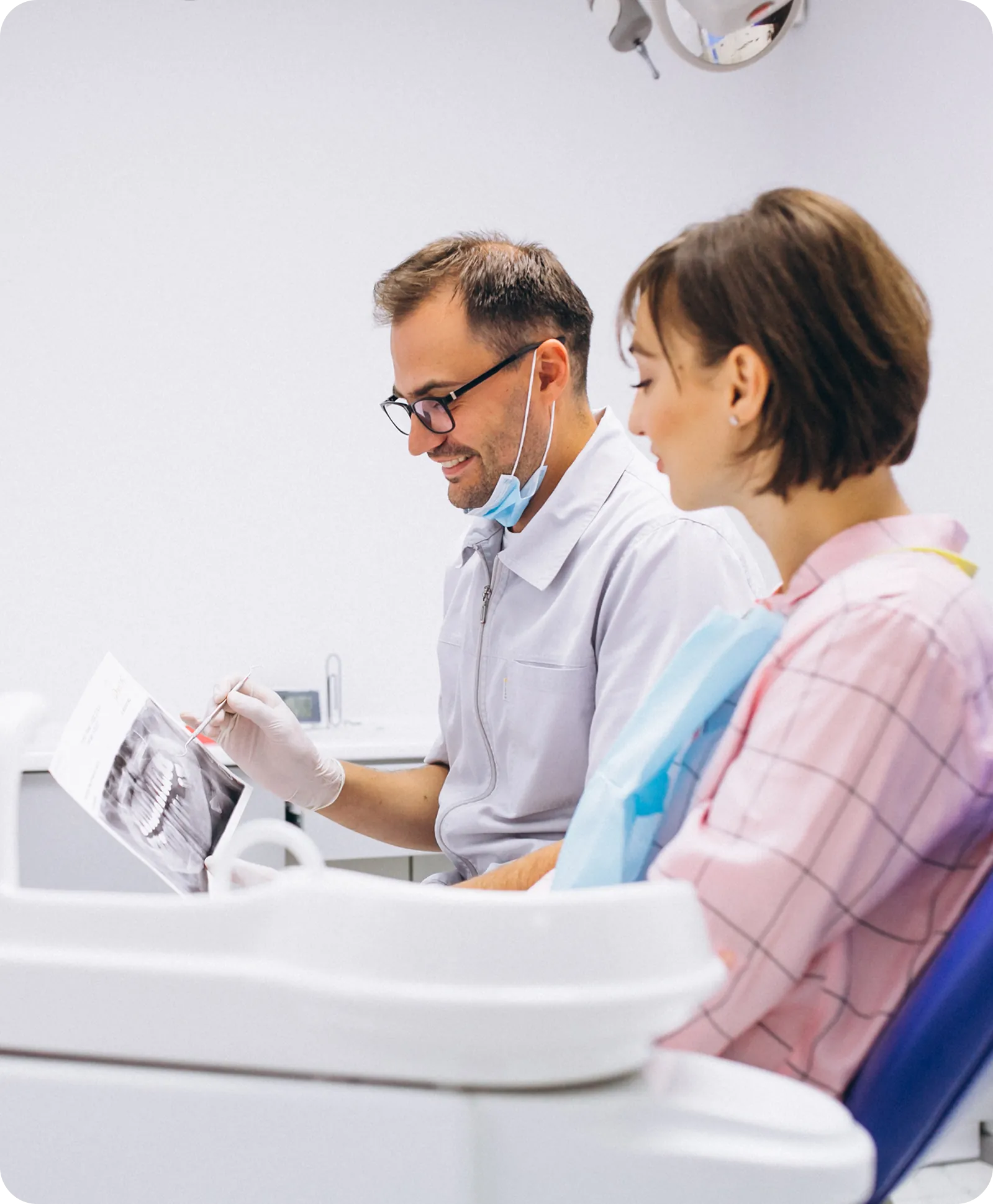
Recovering from TMJ or TMD symptoms is typically a gradual process rather than an immediate change. At Yaletown Dental Boutique, we guide you through each stage of treatment so you understand what to expect and feel supported along the way.

Most patients experience an adjustment period when they first begin wearing appliances like nightguards or bite splints. This phase is normal as your jaw muscles and joints adapt to a new, more balanced position.

Mild adjustment period is expected when starting treatment

Symptoms improve gradually rather than immediately

Follow-up visits ensure proper fit and comfort

Bite monitoring helps track jaw alignment changes

Appliances may be adjusted for a comfortable fit and appropriate function

Long-term care focuses on maintaining jaw stability and reducing the chance of flare-ups

Preventing TMJ / TMD Flare-Ups

Preventing TMJ and TMD flare-ups involves small, consistent habits that reduce strain on the jaw, support muscle balance, and help maintain long-term comfort and stability.

Stress Management and Jaw Awareness

Managing stress plays an important role in preventing TMJ flare-ups. Becoming aware of clenching habits and practicing relaxation techniques may help reduce jaw tension and muscle strain throughout the day.

Proper Posture and Daily Habits

Good posture helps maintain balanced jaw and neck alignment. Keeping your head and shoulders properly positioned reduces unnecessary strain on the temporomandibular joint and supports long-term jaw comfort and stability.

Consistent Use of Your Appliance

Wearing your custom nightguard or bite splint consistently helps protect your teeth and reduce joint stress. Regular use is key to supporting symptom management over time.

Avoiding Harmful Jaw Habits

Avoid habits like chewing gum excessively, biting nails, or opening your mouth too wide. These actions can strain the jaw joint and increase the risk of TMJ discomfort or flare-ups.

Choosing the Right Dentist for TMJ / TMD Treatment in Yaletown

Selecting the right dentist for TMJ and TMD treatment is an important step toward managing symptoms, as experience, assessment, and ongoing care can play a key role in treatment outcomes.
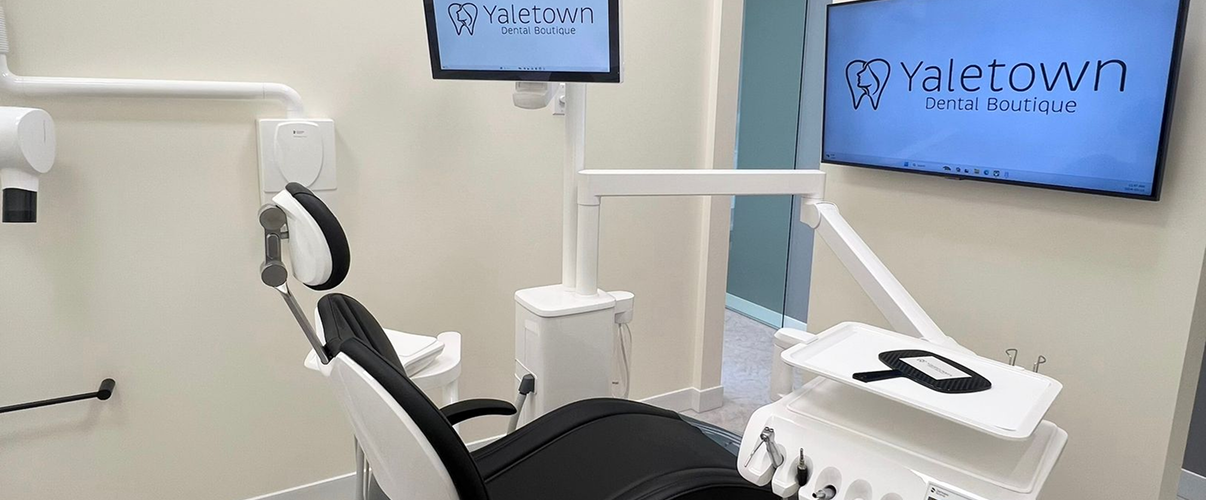
Experience in TMJ / TMD Care

Choosing a dentist experienced in assessing TMJ/TMD symptoms is important for accurate diagnosis and appropriate treatment planning. Proper expertise can help identify contributing factors and guide treatment options.

Conservative, Custom Treatment Approach

At Yaletown Dental Boutique, we focus on conservative, evidence-based care. We use custom nightguards and bite splints designed specifically for your bite to reduce strain and support long-term symptom control.

Ongoing Monitoring and Patient Communication

TMJ treatment often involves ongoing care and communication. Regular monitoring allows adjustments to your treatment as needed to support comfort, stability, and gradual progress over time.

What Our Cosmetic Patients Are Saying?

  • Zalha Fazal

    Hands down the best dental services in town. Highly recommend the clinic for anyone wanting to visit a dentist to learn better about maintaining oral health and getting the clean up. Had a wonderful experience with the hygienist Amir who was very patient and did a wonderful job.
  • Travis Battaglia

    always an amazing experience!
  • Camila Pérez ciribe

    Amir a the rest of the team has been incredible today. Best day in the dentist ever!
  • Jenny Wong

    Everyone was so nice and the clinic is brand new 🙂
  • Gurjit Dhadda

    Amir was great! Wonderful service!
  • Eve Plante

    Everything was perfect! 🙂
  • Priyanka Pahari

    First time at this location, I loved the experience. Staff is amazing and so is the service. :))
  • Emilio Suarez

    Very friendly and polite staff. They made Ure I was comfortable

    Frequently Asked Questions About TMJ / TMD

    Can TMJ go away on its own?

    Is TMJ treatment painful?

    Do I need surgery for TMJ / TMD?

    How do nightguards help TMJ?

    What is a bite splint?

    How long does TMJ treatment take?

    Can stress cause TMJ symptoms?

    TMJ / TMD Care Starts With the Right Assessment

    TMJ and TMD are common conditions and often manageable with conservative, well-planned treatment. Jaw clicking, pain, and tension can gradually improve when the underlying causes are identified and managed.

    At Yaletown Dental Boutique, we focus on gentle, evidence-based solutions such as custom nightguards and bite splints to reduce strain, protect your teeth, and support jaw comfort and function. Our clinic in Yaletown welcomes patients from Downtown Vancouver, False Creek, and surrounding areas who are looking for a personalized approach to TMJ care.

    Visit Us

      Contact

      info@yaletown.dental
      205 Smithe Street
      Vancouver, BC V6B 2P4

      Hours

      Mon–Fri: 9:00 am – 5:00 pm
      Saturday: 9:00 am – 4:00 pm
      Sunday: Closed

    Request an Appointment Now!