

Oral Hygiene Tips and Instructions Guide

Healthy teeth and gums start with the right daily habits. The right oral hygiene habits can reduce the risk of cavities, gum disease, bad breath, staining, sensitivity, and the need for more complex treatment.
At Yaletown Dental Boutique, we regularly help patients in Vancouver and Yaletown improve their oral health with simple, practical strategies, because small, consistent changes at home can support oral health and help maintain your smile over time.

Rated as “Excellent” (130 reviews)

1 min read

Good oral hygiene starts with simple daily habits: brush twice a day with fluoride toothpaste, floss daily, clean your tongue, and limit sugary or acidic foods. Diet, consistency, and proper technique all play a major role in preventing cavities, gum disease, bad breath, and costly treatments.
Even with consistent at-home care, professional cleanings are often recommended to remove tartar and support early detection of issues. For personalized guidance and preventive dental care in Vancouver, Yaletown Dental Boutique is here to support your preventive care and oral hygiene goals.

Why Is Oral Hygiene Important?

Oral hygiene is about more than just having a bright smile. The health of your teeth and gums plays a vital role in your overall well-being, and small daily habits can help prevent serious dental and medical problems over time.

Oral Health Directly Affects Your Overall Health and Daily Well-Being

Your mouth is closely connected to your body. Poor oral hygiene doesn’t just cause cavities; it can impact your overall health, energy levels, and confidence.

Poor Oral Hygiene Can Lead to Cavities, Gum Disease, and Tooth Loss

When plaque builds up, it can cause cavities, chronic gum inflammation, persistent bad breath, and eventually tooth loss if left untreated.

Bacteria from the Mouth Can Enter the Bloodstream and Affect Major Organs

Research has shown links between oral health and overall health. In some cases, gum disease and chronic oral inflammation have been associated with conditions such as cardiovascular disease and diabetes complications.

 Daily Oral Hygiene Routine You Should Follow

A consistent daily routine is the foundation of strong teeth and healthy gums. These simple morning and evening oral hygiene tips help control plaque, protect enamel, and prevent long-term dental problems.

Morning Routine

Brush for Two Full Minutes

Brush for at least two minutes to effectively remove plaque and bacteria that build up overnight. Divide your mouth into sections to ensure you clean every surface thoroughly.

Use Fluoride Toothpaste

Choose a fluoride toothpaste to help strengthen enamel and protect against cavities. Fluoride supports remineralization, making your teeth more resistant to acid attacks throughout the day.

Use Gentle Circular Motions

Hold your toothbrush at a slight angle toward the gumline and use small, gentle circular motions. Brushing too hard or scrubbing aggressively can irritate gums and wear down enamel.

Rinse or Use Alcohol-Free Mouthwash

After brushing, rinse with water or consider an alcohol-free mouthwash for additional freshness and bacteria control. Alcohol-free options are less drying and more suitable for sensitive mouths.

Evening Routine

Brush Thoroughly Before Bed

Nighttime brushing is essential because saliva production decreases while you sleep. Carefully clean along the gumline, inner surfaces, and back molars where plaque tends to accumulate.

Floss to Remove Hidden Plaque

Flossing at night removes food particles and plaque from between teeth where your toothbrush cannot reach. Skipping flossing allows bacteria to sit undisturbed for hours.

Clean Your Tongue

Gently brush or scrape your tongue to remove odor-causing bacteria. This simple step helps reduce bad breath and improves overall oral freshness.

Avoid Eating After Brushing

Once you finish brushing and flossing, avoid snacks or sugary drinks before bed. Eating afterward allows bacteria to feed overnight, increasing your risk of cavities.

Is mouthwash really necessary?

Mouthwash is not a replacement for brushing and flossing, but it can be a helpful addition. An alcohol-free formula can reduce bacteria, freshen breath, and provide extra cavity protection. It’s especially useful for people prone to bad breath or mild gum inflammation, but it works best alongside proper brushing and flossing.

What happens if I skip flossing?

Skipping flossing allows plaque and food particles to remain between your teeth, where your toothbrush cannot reach. Over time, this buildup increases your risk of cavities, bleeding gums, and gum disease. Daily flossing protects the areas most vulnerable to decay and inflammation.

Should I brush after every meal?

Brushing twice daily is usually enough. If you’ve had acidic foods or drinks, wait about 30-60 minutes before brushing to avoid damaging softened enamel. Rinsing with water can help in the meantime.

Brushing Techniques: Are You Doing It Right?

Even if you brush twice a day, technique matters just as much as frequency. Small adjustments in how you brush can significantly improve plaque removal and protect your enamel and gums.

Common Brushing Mistakes

  • Brushing Too Hard
    Aggressive scrubbing can wear down enamel and irritate your gums. Use gentle pressure, as your goal is to remove plaque, not scrub your teeth.
  • Wrong Angle
    Hold your toothbrush at a 45-degree angle toward the gumline. This position allows the bristles to clean where the teeth meet the gums, where plaque often accumulates.
  • Not Brushing Long Enough
    Two full minutes is the recommended minimum. Many people brush for less than a minute without realizing it, leaving areas improperly cleaned.
  • Ignoring Back Molars
    Molars are harder to reach and commonly missed. Take extra time to clean the chewing surfaces and the very back teeth thoroughly.
  • Using Old Toothbrush
    Replace your toothbrush every 3–4 months, or sooner if the bristles are frayed. Worn bristles are less effective at removing plaque.

Electric vs. Manual Toothbrush: What Should You Choose?

Electric Toothbrush

  • Often more effective at removing plaque
  • Built-in timers help ensure a full two-minute brush
  • Consistent brushing motion and pressure
  • Helpful for people with braces, gum sensitivity, or limited hand mobility
  • Some models include pressure sensors to prevent brushing too hard

Best for: Most adults, especially those who want added guidance and improved plaque control.

Manual Toothbrush

  • More affordable and widely available
  • Travel-friendly with no charging required
  • Effective when used with proper technique
  • Allows greater control over pressure
  • Available in various bristle types to suit different sensitivity levels

Best for: Individuals with good brushing habits who use the correct angle and gentle, thorough motions.

Begin Your Smile Journey

with Dr. Hadianfar

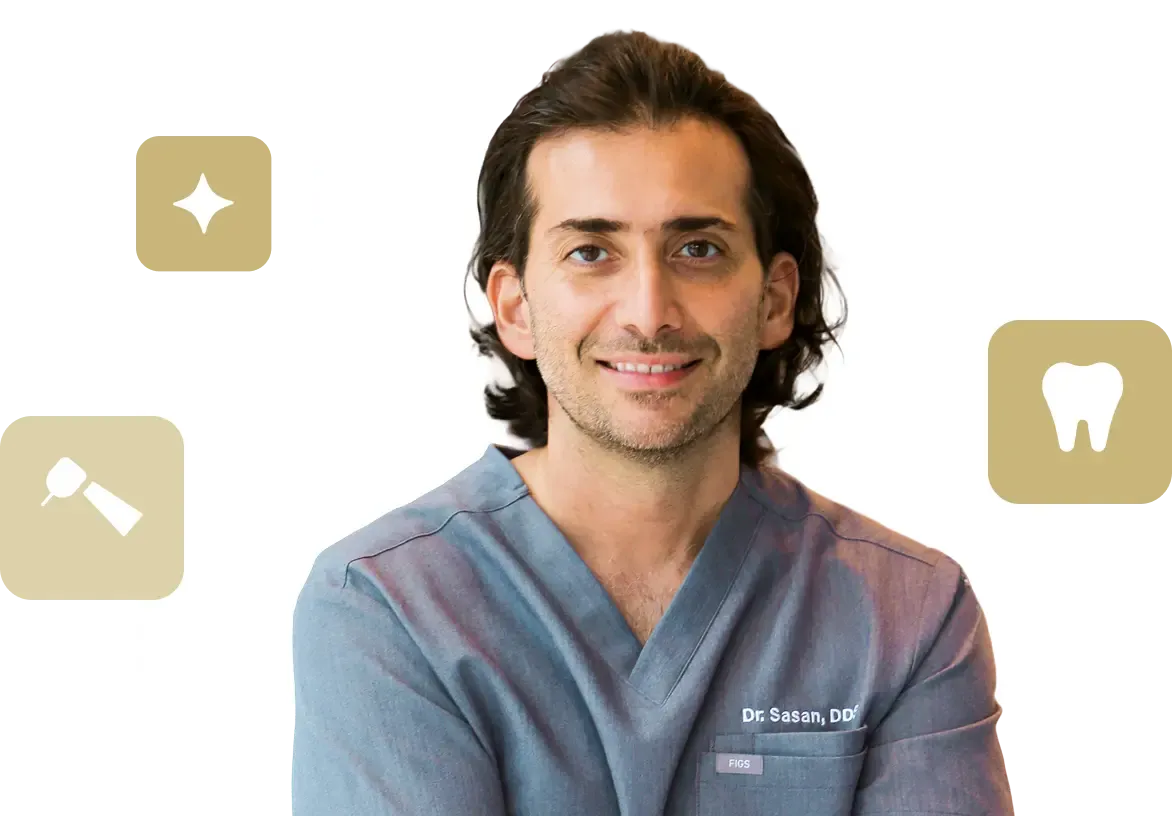
Dr. Sasan Hadianfar, General Dentist
The Role of Diet in Oral Hygiene

Your diet plays a powerful role in maintaining strong teeth and healthy gums. Beyond brushing and flossing, the foods and drinks you consume daily can either protect your enamel or increase your risk of decay.

What Foods Support Strong Teeth and Gums?

Leafy greens provide essential vitamins that support gum tissue, while cheese and dairy supply calcium to strengthen enamel. Crunchy fruits and vegetables stimulate saliva, and water helps rinse bacteria and debris away.

How Often Should You Eat or Snack?

Frequent snacking exposes teeth to repeated acid attacks throughout the day. Allowing time between meals gives saliva a chance to neutralize acids and repair enamel, reducing the overall risk of cavities.

How Do Sugary Drinks and Acidic Foods Affect Teeth?

Sugary beverages feed harmful bacteria that produce enamel-damaging acids. Acidic foods and drinks can gradually erode enamel, especially when consumed often or sipped slowly over extended periods during the day.

How Calcium, Water, and Saliva Protect Your Teeth?

Calcium strengthens enamel & supports overall tooth structure,while water helps rinse away food particles & bacteria. Saliva neutralizes acids, delivers essential minerals, & naturally repairs early enamel damage throughout the day.

Warning Signs You Shouldn’t Ignore

Your mouth often gives early clues when something isn’t right. Paying attention to subtle changes can help you address small problems before they become more complex or costly to treat.

Bleeding Gums

If your gums bleed when brushing or flossing, it may be an early sign of inflammation or gum disease. Healthy gums should not bleed regularly and deserve professional evaluation.

Persistent Bad Breath

Ongoing bad breath that doesn’t improve with brushing or mouthwash may indicate bacterial buildup, gum infection, or untreated decay requiring professional cleaning and assessment.

Tooth Sensitivity

Sharp discomfort when consuming hot, cold, or sweet foods may signal enamel wear, exposed roots, or developing cavities that should be examined before worsening.

Swollen or Receding Gums

Gums that appear puffy, tender, or pulling away from teeth can indicate gum disease. Early treatment helps prevent bone loss and long-term tooth instability.

Loose Teeth

Adult teeth should feel stable and secure. Any noticeable shifting or looseness may suggest advanced gum disease or bone loss requiring immediate professional attention.

Tooth Pain

Persistent or throbbing tooth pain is never normal. It may indicate infection, decay, or nerve involvement that should be treated promptly to avoid complications.

Frequent Mouth Sores

Sores that do not heal within two weeks, or that repeatedly return, may require evaluation to rule out infection, irritation, or underlying health concerns.

Plaque or Tartar Buildup

If you notice a rough, yellow, or hardened buildup along your gumline, it may be plaque that has turned into tartar. Tartar cannot be removed by brushing alone and requires professional cleaning.

Pus or Gum Discharge

Any visible pus, unusual discharge, or foul taste near the gums may indicate infection. Prompt dental care helps prevent the spread of bacteria and further damage.

When to Seek Emergency Dental Care?

While many dental concerns can wait for a scheduled appointment, certain symptoms require urgent evaluation. If you experience intense pain, sudden swelling, or signs of infection, it’s important to seek professional care without delay.
Reach out to Yaletown Dental Boutique or visit an emergency dental provider right away if you notice:

A permanent tooth that has been completely dislodged

Severe, worsening toothache that does not improve

Swelling in the face, jaw, or around the eyes

Bleeding that continues despite applied pressure

Trauma to the jaw or difficulty opening and closing your mouth

Signs of infection such as pus, a foul taste, or fever

How to Help Kids Build Good Oral Hygiene Habits?

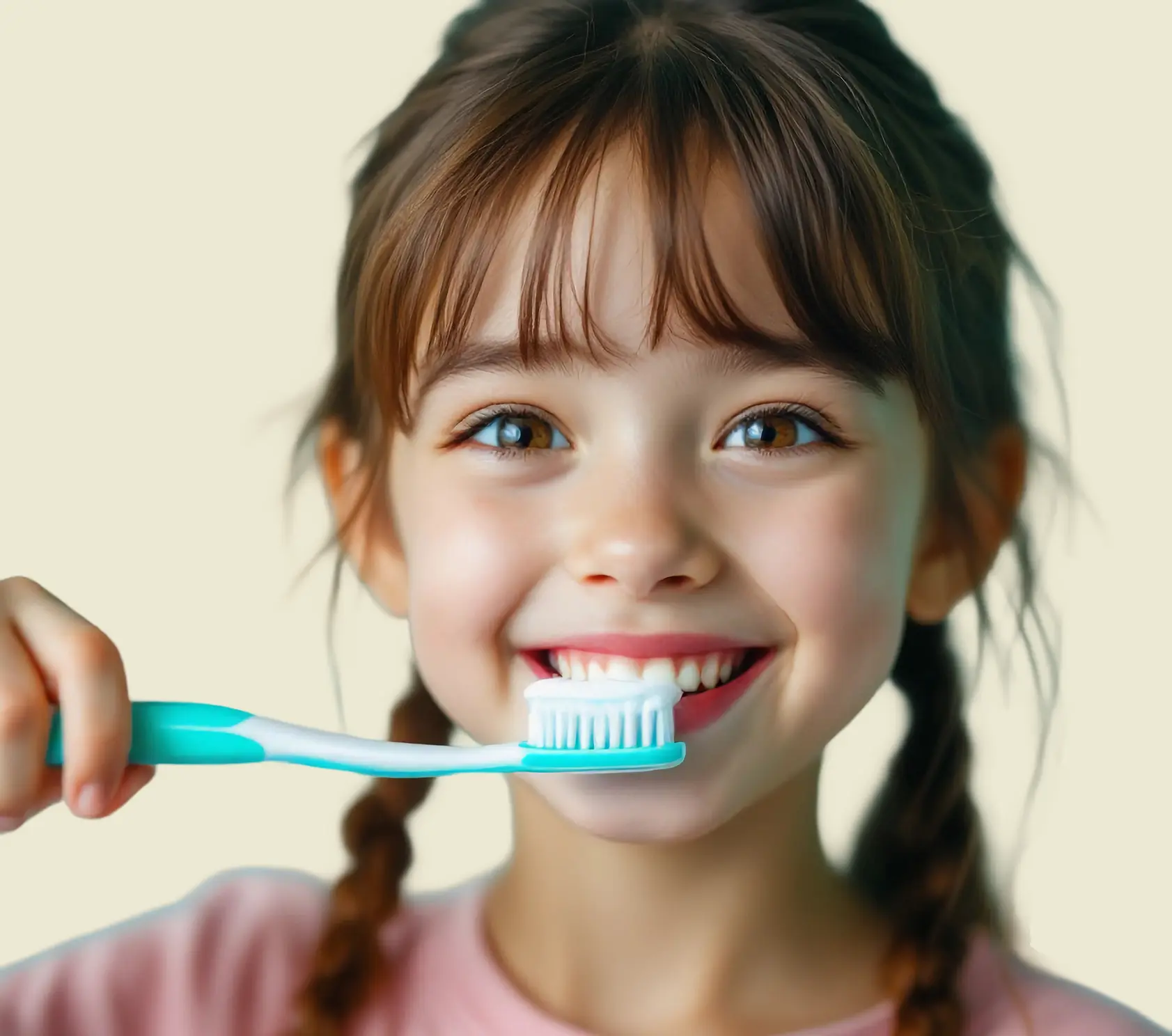
Building healthy habits early sets the foundation for a lifetime of strong teeth and confident smiles. With consistency, encouragement, and the right guidance, parents can make oral care a positive part of everyday life.
Age-Appropriate Guidelines

First Tooth to 2 Years

Begin cleaning your baby’s mouth even before teeth appear by gently wiping gums with a soft, damp cloth. As soon as the first tooth erupts, start brushing twice daily with a soft-bristled infant toothbrush and a smear of fluoride toothpaste.

Ages 3–6

Use a pea-sized amount of fluoride toothpaste and brush twice daily. Children can begin learning to brush on their own, but parents should actively assist to ensure all tooth surfaces are cleaned properly.

Ages 6 and Up

As children gain better coordination, they can brush more independently. However, supervision is recommended until around age 7 or 8 to ensure thorough brushing for a full two minutes.

Make Brushing Fun

  • Let children choose their own toothbrush and toothpaste flavor.
  • Play a favorite two-minute song or use a timer app during brushing.
  • Use reward charts or sticker systems to track daily brushing habits.
  • Turn brushing into a family activity to encourage consistency.
  • Read a short story about healthy teeth to build excitement around brushing time.

Lead by Example

  • Brush and floss together morning and night.
  • Speak positively about dental visits and oral care.
  • Avoid using the dentist as a threat or punishment.
  • Show enthusiasm about maintaining healthy teeth.
  • Let children see you prioritizing your own regular dental checkups.

Establish a Consistent Routine

  • Brush at the same times each day, especially before bedtime.
  • Limit sugary snacks and drinks between meals.
  • Encourage water instead of juice or soda.
  • Reinforce that brushing before bed is non-negotiable.
  • Keep toothbrushes visible and easily accessible to support daily consistency.

When Should Kids First See a Dentist?

Children should visit a dentist by their first birthday or within six months of their first tooth appearing. Early visits help monitor development, prevent cavities, and create a comfortable, positive relationship with dental care from the start.

Important Information for

CDCP Patients

Treatment under the Canadian Dental Care Plan is not fully covered. A co-payment will apply.

Professional Dental Cleanings: How Often and Why?

Brushing and flossing at home are essential, but they are only part of the picture. Professional cleanings help remove buildup you cannot see and detect issues before they become serious.

Why Professional Cleanings Matter?

Plaque is a soft, sticky film of bacteria that forms on teeth every day. When it is not removed thoroughly, it hardens into tartar (also called calculus). Unlike plaque, tartar cannot be brushed or flossed away at home and requires specialized dental instruments for safe removal.

Regular cleanings help prevent gum disease, reduce inflammation, and stop small concerns from progressing into more complex treatments. Early intervention is almost always simpler, more comfortable, and more affordable than advanced care.

What Happens During a Cleaning?
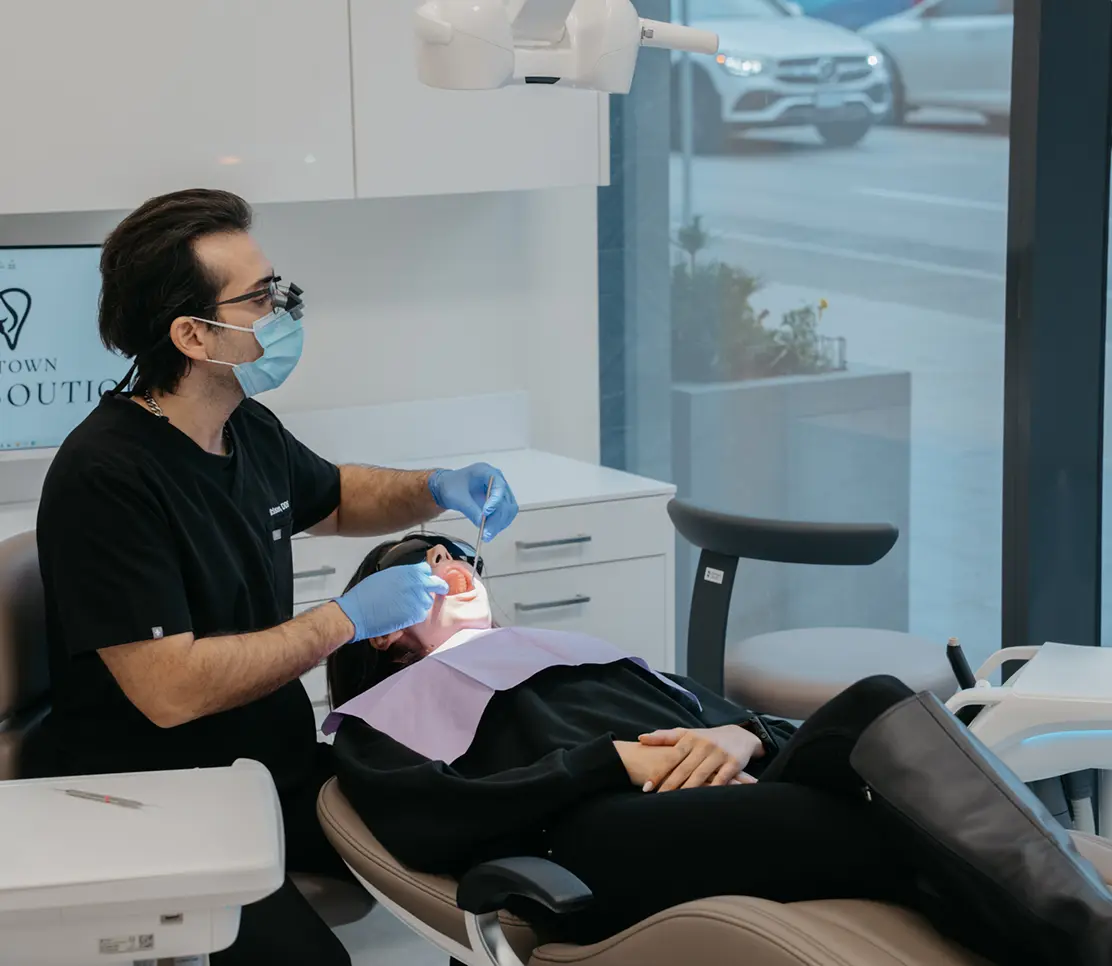
  • Comprehensive examination: We begin with a careful visual assessment of your teeth, gums, and overall oral health to identify any early concerns.
  • Scaling: We gently remove plaque and hardened tartar from tooth surfaces and along the gumline using specialized instruments.
  • Polishing: We polish your teeth to remove surface stains and smooth enamel, making it harder for plaque to accumulate.
  • Flossing: We professionally floss between your teeth to ensure any remaining debris is cleared away.
  • Fluoride treatment (if recommended): When appropriate, we apply fluoride to help strengthen enamel and reduce cavity risk.

How Often Should You Visit?

Every 3-6 Months for Adults (Standard Recommendation)

Most adults benefit from professional cleanings every six months to maintain healthy gums and prevent plaque from hardening into tartar.

More Frequent Visits for Higher Risk Patients

Patients with a history of gum disease, frequent cavities, smoking habits, diabetes, or other health conditions may require cleanings every three to four months.

Personalized Care Schedule

Your dentist will recommend a schedule based on your unique oral health needs, lifestyle, and risk factors to ensure long-term protection.

What Our Cosmetic Patients Are Saying?

  • Zalha Fazal

    Hands down the best dental services in town. Highly recommend the clinic for anyone wanting to visit a dentist to learn better about maintaining oral health and getting the clean up. Had a wonderful experience with the hygienist Amir who was very patient and did a wonderful job.
  • Travis Battaglia

    always an amazing experience!
  • Camila Pérez ciribe

    Amir a the rest of the team has been incredible today. Best day in the dentist ever!
  • Jenny Wong

    Everyone was so nice and the clinic is brand new 🙂
  • Gurjit Dhadda

    Amir was great! Wonderful service!
  • Eve Plante

    Everything was perfect! 🙂
  • Priyanka Pahari

    First time at this location, I loved the experience. Staff is amazing and so is the service. :))
  • Emilio Suarez

    Very friendly and polite staff. They made Ure I was comfortable

    FAQs

    What causes bleeding gums?

    Bleeding gums are often an early sign of gum inflammation or gingivitis and should not be ignored.

    How can I prevent bad breath?

    Can poor oral hygiene affect overall health?

    What foods are best for oral health?

    What are early signs of gum disease?

    Why are regular dental checkups important?

    Yaletown Dental Boutique: Your Partner in Dental Wellness

    At Yaletown Dental Boutique in Yaletown, Vancouver, we provide preventive, cosmetic, and restorative services. Our clinic uses tools such as digital X-rays and intraoral scanning where clinically appropriate. From routine exams and professional cleanings to gum disease treatment, whitening options, and personalized oral hygiene instruction, our team is here to support your long-term dental health. Proactive care can help identify issues earlier and support long-term oral health. We invite you to book a consultation and take the next step toward a healthier smile, because great oral hygiene is a partnership between you and your dental team.

    Visit Us

      Contact

      info@yaletown.dental
      205 Smithe Street
      Vancouver, BC V6B 2P4

      Hours

      Mon–Fri: 9:00 am – 5:00 pm
      Saturday: 9:00 am – 4:00 pm
      Sunday: Closed

    Request an Appointment Now!