
At a Glance:
When deciding between a dental bridge and a dental implant, the main differences come down to cost, longevity, and treatment process.
- Bridges are quicker to complete, cost less upfront, and don’t require surgery. But they involve reshaping healthy teeth, last 5–15 years, and don’t prevent jawbone loss.
- Implants act like natural teeth, preserve bone, and can last decades. They cost more initially and require surgery with several months of healing.
The right choice depends on your bone health, surrounding teeth, timeline, and budget
Replacing a missing tooth isn’t just about filling a gap; it’s about choosing a solution that protects your bite, supports your long-term oral health, and feels like part of your smile.
For many patients, the decision comes down to two options: a dental bridge or a dental implant. Both restore function and aesthetics, but the differences in cost, longevity, and treatment process can be significant.
Understanding those differences is the first step to making a choice that truly fits your needs.
What’s the difference between a dental bridge and an implant?
When it comes to replacing a missing tooth, bridges and dental implants achieve the same goal in very different ways. Knowing how each works will help you understand why one may suit your situation better than the other.
How a Dental Bridge Works
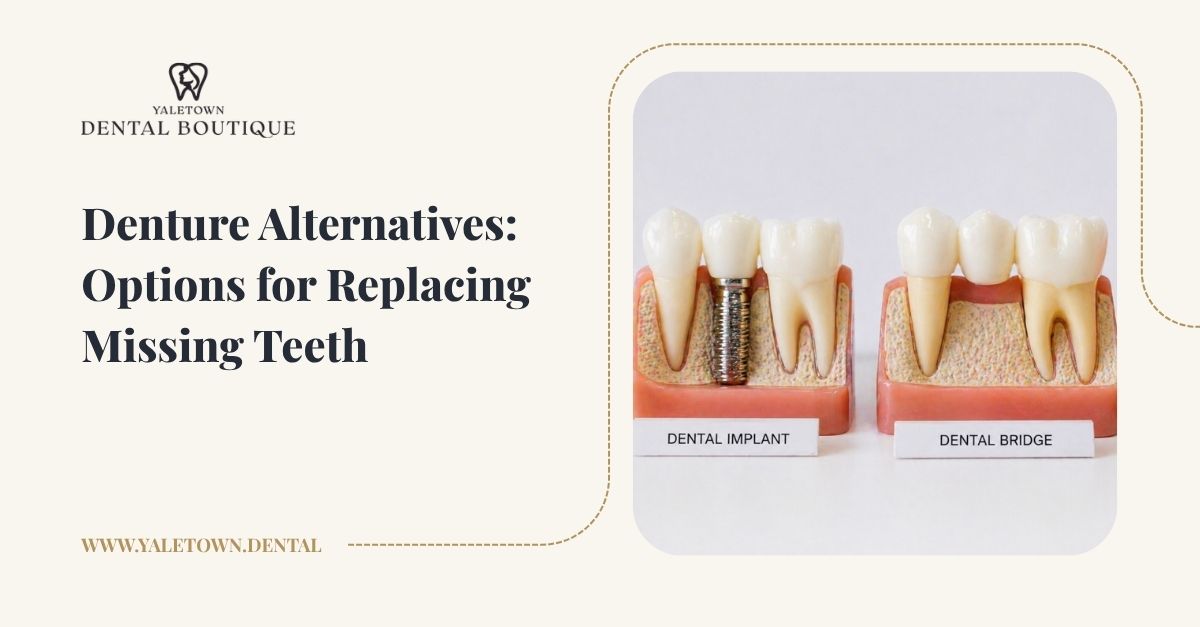
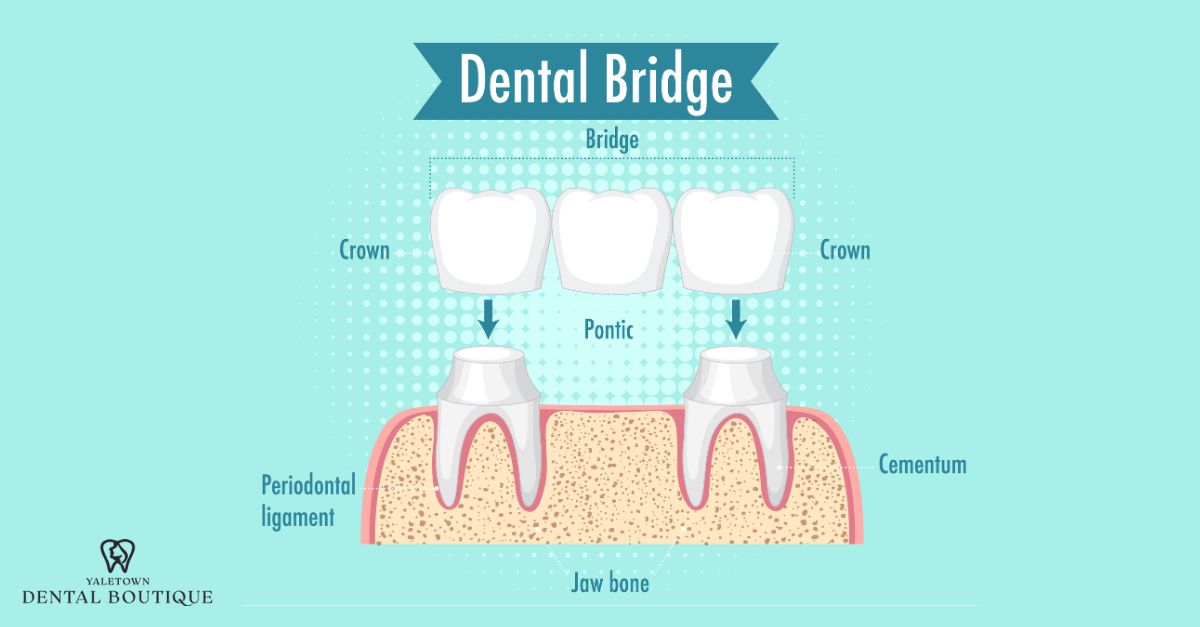
A bridge uses the teeth on either side of the gap for support. These teeth, called abutments, are reshaped and fitted with crowns that hold the replacement tooth (pontic) in place. The bridge “spans” the space, restoring function and appearance.
How a Dental Implant Works
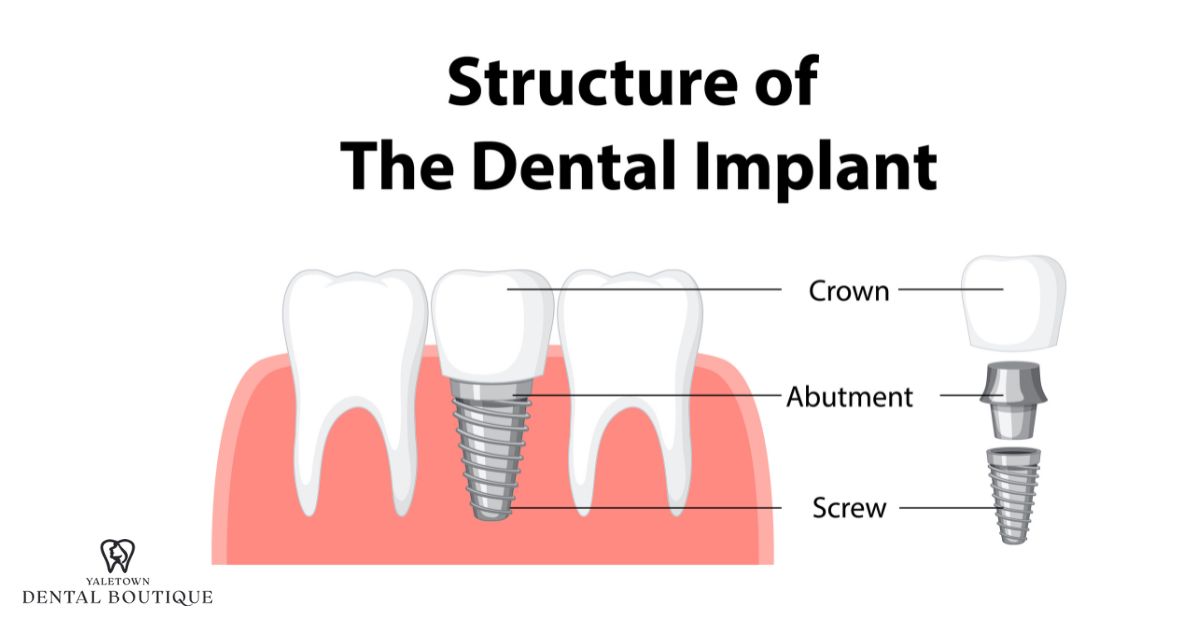
An implant replaces the missing tooth at the root level. A titanium post is surgically placed into the jawbone, where it fuses with the bone over time. Once healed, a custom crown is attached to the implant, creating a restoration that looks, feels, and functions like a natural tooth.
Side-by-Side Comparison
Here’s how the two options compare at a glance:
| Feature | Dental Bridge | Dental Implant |
| Support | Adjacent Teeth | Jawbone |
| Procedure | Non-Surgical | Surgical Placement, Healing Required |
| Impact | Alters Healthy Teeth | Preserves Natural Teeth |
| Bone Health | Bone Loss Continues Under Pontic | Preserves Jawbone Structure |
| Timeline | Typically 2–3 Visits over 1–2 Weeks | Requires Surgical Healing — 3 to 9 Months |
| Longevity | 5–15 Years 1 | 15+ Years 2 3 |
Advantages and Limitations of Dental Bridges
Dental bridges remain one of the most common solutions for replacing missing teeth. They can be efficient and practical, but they also come with limitations worth considering.
Advantages
Here’s why many patients choose a bridge:
- Faster Treatment: Usually completed in 2–3 visits over a few weeks.
- No Surgery Required: Placement is non-surgical, making it suitable for patients who can’t undergo implant surgery.
- Lower Upfront Cost: Bridges generally cost less than implants at the outset.
- Proven Reliability: With proper care, they effectively restore chewing and aesthetics.
Limitations
Despite their benefits, bridges aren’t always the best fit:
- Impact on Adjacent Teeth: Healthy teeth must be prepared by filing them down to support crowns.
- Bone Loss Continues: Since there’s no root replacement, the jawbone under the pontic may shrink over time.
- Shorter Lifespan: Most bridges last less than implants.
- Potential for Decay or Wear: Supporting teeth are more prone to future dental problems.
Advantages and Limitations of Dental Implants
Dental implants have become the gold standard for tooth replacement, offering strength and longevity that closely match natural teeth. They’re highly effective but come with considerations patients should understand before choosing them.
Advantages
Here’s why many patients choose an implant:
- Mimics Natural Tooth Structure: An implant replaces the tooth root, giving you a restoration that looks, feels, and functions like a natural tooth.
- Preserves Jawbone Health: Because the implant integrates with the jawbone, it prevents bone loss that typically occurs after a tooth is lost.
- Longer-Lasting Solution: Studies show implants routinely last 15+ years and can last decades with proper maintenance, making them one of the most durable options available.
- No Impact on Neighbouring Teeth: Unlike a bridge, implants don’t require reshaping healthy adjacent teeth.
Limitations
Despite their benefits, implants aren’t ideal for everyone:
- Higher Upfront Cost: Implants are more expensive initially due to surgical placement and custom components.
- Requires Surgery and Healing Time: Placement involves a surgical procedure, with several months of healing (osseointegration) before the final restoration is attached.
- Bone or Gum Requirements: Adequate bone density and healthy gums are needed for success. Some patients may require bone grafting or sinus lifts before placement.
- Lifestyle or Health Factors: Heavy smoking, uncontrolled health conditions, or insufficient bone may reduce implant success rates.
Cost Comparison: Bridge vs. Implant in Vancouver
Cost is often a deciding factor when choosing between a bridge and an implant. While implants usually require a higher initial investment, bridges can involve additional expenses over time.
General Cost Differences
Here’s how the two compare in most cases:
- Dental Bridge: Lower upfront cost, usually more affordable at the start.
- Dental Implant: Higher initial cost due to surgery and custom components.
Long-Term Cost Effectiveness
The difference becomes clear over time. A bridge may eventually require replacement, adding to overall costs, while an implant is designed for long-lasting durability, often making it the more cost-effective option in the long run.
Insurance and Financing Options
While private dental insurance often covers bridges (non-implant supported) more predictably, coverage for implants remains limited and variable.
Under Canada’s Dental Care Plan (CDCP), non-implant crowns and conventional bridges are included in prosthodontic coverage (with preauthorization and eligibility criteria).
However, implant-supported crowns, implantation surgery, and related procedures are explicitly excluded from CDCP benefits.
As a result, patients choosing implants will typically need to use private coverage or pay out-of-pocket, possibly using financing options.
For many, the long-term reliability and functional advantages of implants justify the investment despite up-front costs.4
Durability & Lifespan Comparison
How long your restoration lasts depends not only on the material but also on your oral health and maintenance routine. Bridges and implants differ significantly in longevity.
Average Lifespan
Here’s what you can typically expect:
- Dental Bridge: Lasts 5–15 years, depending on care and the health of supporting teeth.
- Dental Implant: Can last 15+ years, and often much longer with proper maintenance.
Maintenance Needs
Day-to-day care also differs:
- Bridge: Requires extra attention to cleaning under the pontic with floss threaders or water flossers to prevent decay around abutment teeth.
- Implant: Needs the same brushing and flossing as natural teeth, with regular checkups to monitor gum and bone health.
Healing and Treatment Timeline
The time commitment for a dental bridge versus an implant is very different. Understanding the timeline can help you decide which option best fits your needs and lifestyle.
Bridge Timeline
The process is relatively quick:
- Consultation & Preparation: Supporting teeth are shaped, and impressions are taken.
- Temporary Bridge: A short-term bridge protects the area while the final restoration is made.
- Final Placement: The permanent bridge is fitted and secured, usually within 2–3 visits over 1–2 weeks.
Implant Timeline
Implants require more time for healing:
- Surgical Placement: The titanium post is placed into the jawbone.
- Healing & Integration: Bone fuses to the implant in a process called osseointegration, taking 3–9 months. 5
- Final Crown or Bridge: Once healed, a custom crown or implant-supported bridge is attached.
Temporary Options During Healing
For patients choosing implants, temporary solutions such as removable partial dentures or temporary crowns may be used to maintain function and appearance while healing.
Which option is safer or more suitable for you?
Safety and suitability aren’t about one option being universally better than the other; they depend on your individual health, anatomy, and goals.
A dental bridge is often the right choice if the teeth next to your gap already need crowns or if you prefer a faster, non-surgical approach. It’s also a practical solution for patients who may not be candidates for surgery due to age, medical conditions, or lifestyle factors.
Dental implants are often the preferred choice when long-term durability and bone preservation matter most.
They’re especially effective if you have strong bone support, healthy gums, and want a replacement that functions independently without affecting neighbouring teeth. With advancements in techniques and materials, dental implants safety has become a trusted standard, offering both stability and peace of mind.
However, implants may not be ideal if you smoke heavily, have uncontrolled health issues, or lack sufficient bone without grafting.
Ultimately, the safest option is the one that fits your overall oral health profile and long-term expectations. A personalized consultation, including digital imaging and a thorough exam, will clarify which path is best for you.

Why Choose Yaletown Dental Boutique for Restorative Treatment
When you’re deciding between a bridge and an implant, precision and planning make all the difference. At Yaletown Dental Boutique, our approach combines advanced technology with a patient-first philosophy to give you results that last.
We use CBCT scanning and digital imaging to plan every detail before treatment begins. This allows us to see the exact condition of your teeth, gums, and bone structure, ensuring your restoration is designed for long-term stability and comfort.
Our team takes a gentle, minimally invasive approach, reducing discomfort during procedures and speeding up recovery wherever possible.
Equally important is the personalization of your treatment plan.
No two patients have the same needs, which is why we guide you through your options, clearly explain timelines and costs, and design a solution that matches both your oral health and lifestyle. From straightforward bridges to complex implant cases, our focus is on creating restorations that blend seamlessly with your natural smile.
At Yaletown Dental Boutique, restorative dentistry is not just about replacing what’s missing; it’s about giving you back confidence, function, and the peace of mind that comes with expert care.
Conclusion: Making the Right Choice for Your Smile
Choosing between a dental bridge and an implant is an important decision that affects your health and confidence.
A bridge can be a faster and more affordable option if surrounding teeth are strong enough for support. However, an implant provides greater longevity and helps preserve your jawbone. Both options restore your ability to chew, speak, and smile, so the best choice depends on your specific needs and long-term goals.
At Yaletown Dental Boutique, our role is to guide you through that decision with clarity and care. Using advanced imaging and personalized planning, we design treatment options that fit your needs, not a one-size-fits-all approach.
Book a personalized consultation today and let’s find the restoration that’s right for you.
Which option looks more natural?
Both can look very natural, but implants typically blend more seamlessly since they emerge from the gumline like a real tooth.
Do implants hurt more than bridges?
Implant placement involves surgery, but most patients describe it as easier than expected, with discomfort managed through anaesthesia and aftercare. Bridges are non-surgical, so the process is usually quicker and less invasive.
What if I don't have enough bone for an implant?
Bone grafting or sinus lifts can often create the necessary support. If that's not an option, a bridge may be the more practical choice.
Are dental implants always better than bridges?
Not necessarily. While implants last longer and preserve bone, bridges can be ideal when adjacent teeth already need crowns or when quicker treatment is preferred.