
At a Glance:
Dental implants are a safe, long-term solution for replacing missing teeth. They look and feel natural, help preserve jawbone health, and restore function. While rare risks exist (like infection or implant failure) these are typically preventable with expert care and good hygiene. Most healthy adults with enough bone and commitment to aftercare are strong candidates.
Missing one or more teeth? Dental implants offer a natural-looking, long-lasting way to restore your smile—without the slipping or discomfort of dentures.
Still, if you’re new to the idea of implants, it’s normal to have questions. How safe are they? What are the risks? And how do you know if they’re right for you?
At Yaletown Dental Boutique, we believe peace of mind matters just as much as clinical success. That’s why we focus on clarity, safety, and personalized planning for every implant patient we see.
Here’s what you need to know about how dental implants work, what makes them so reliable, and how to decide if they’re a good fit for your oral health and lifestyle.
| Safety Snapshot |
| Planned With CBCT 3D imaging maps nerves, bone density, and exact implant position. Guided Placement Digital surgical guides improve accuracy and reduce surgical trauma. Sterile Surgical Protocols Strict infection-control steps protect healing and reduce complications. Follow-Up Check-Ins Structured reviews help catch early issues and support long-term success. |
What are dental implants?
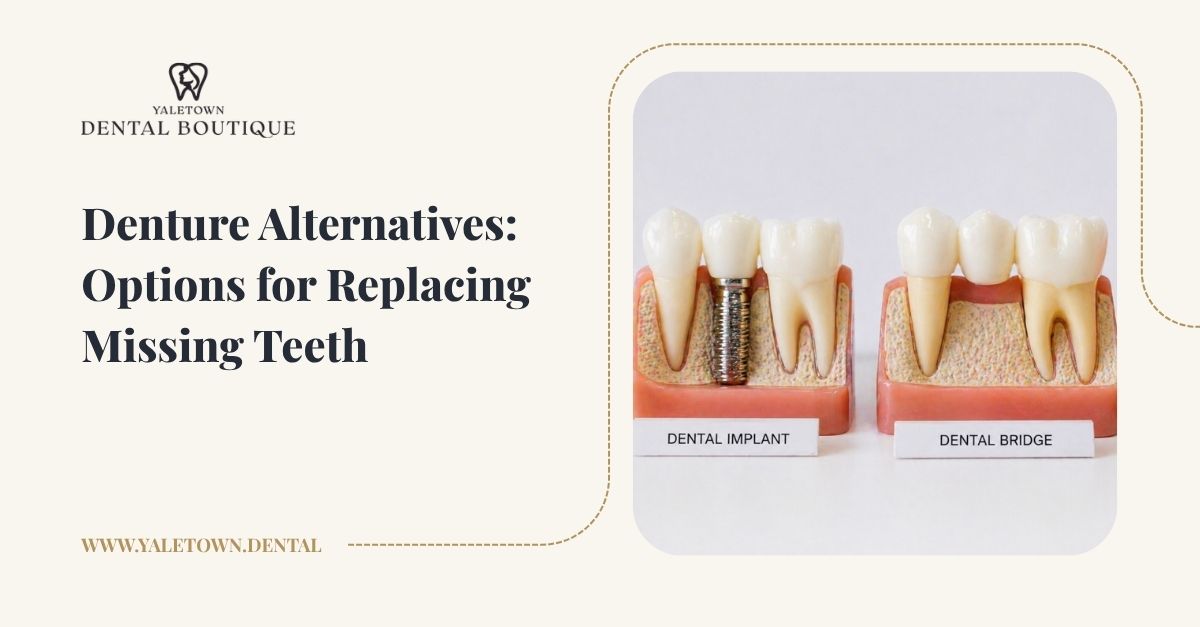
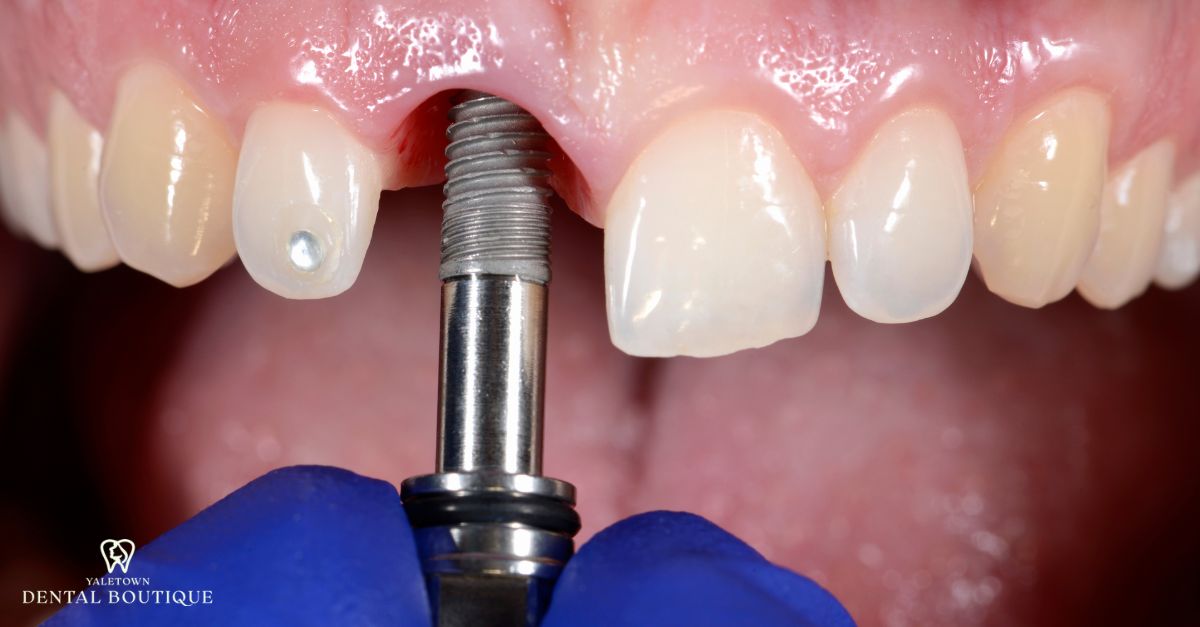
Dental implants are a permanent way to replace missing teeth, and unlike dentures or bridges, they function much like natural teeth.
Each implant has three key parts:
| Dental Implant Parts | |
| Part | Role |
| Post | Titanium or Zirconia Screw Placed in Jawbone |
| Abutment | Connects Implant Post to the Crown |
| Crown | Custom Tooth Designed to Match Your Natural Smile |
- The implant post is a small screw, typically made from titanium, that is surgically placed into your jawbone. It acts as an artificial tooth root.
- The abutment connects the implant post to the crown.
- The crown is the visible part of the replacement tooth. It’s custom-made to match your natural teeth in shape, size, and colour.
What sets implants apart is their secure bond with the jawbone. Over time, the post fuses with the bone in a process called osseointegration. This creates a stable foundation that mimics the strength and function of a real tooth.
Unlike a dental bridge, which relies on grinding down neighbouring teeth for support, implants stand on their own. They also offer more stability than removable dentures, which can shift during eating or speaking.
For patients in Vancouver looking for long-term function, aesthetics, and oral health benefits, implants are one of the most trusted tooth replacement options available today.
Are dental implants safe?
Yes, dental implants are widely regarded as one of the safest and most predictable solutions for replacing missing teeth. With a success rate above 90%1, they’ve become a trusted solution for restoring missing teeth across a wide range of patients.
Made from biocompatible materials like titanium or zirconia, implants integrate naturally with the jawbone and offer long-term stability when planned and placed correctly.
As our dentists often say, “The two biggest safety factors for any implant are meticulous planning and committed aftercare.”
Modern tools such as CBCT scans, Diagnocat AI interpretation, and guided surgical techniques allow us to map nerves, assess bone quality, and position the implant with exceptional accuracy. When the dental implant procedure is digitally planned, risks like nerve irritation, poor angulation, or bone complications become significantly lower.
At Yaletown Dental Boutique, we use digital planning, advanced surgical techniques, and strict infection control protocols to ensure every implant is placed safely and accurately. From your initial consultation to the final crown, each step is personalized to your health, comfort, and treatment goals.
With the right provider and aftercare, dental implants offer a reliable, lasting solution for your smile.
Benefits of Dental Implants
Dental implants like front tooth implant do more than fill a gap—they restore function, preserve oral health, and improve everyday confidence. Here are the key benefits of choosing implants for tooth replacement.
A front tooth implant or molar replacement does more than fill a gap. It restores function, preserves oral health, and improves everyday confidence.
- Long-Lasting Durability: Implants integrate with the jawbone and can stay stable for decades with proper care. With proper care, studies show, they can remain in place for over 20 years, often far longer than bridges or dentures.2
- Prevents Bone Loss and Preserves Facial Structure: Implants stimulate the jawbone like a natural root, preventing shrinkage and supporting facial contours.
- Natural Look, Feel, and Function: A custom crown blends seamlessly with neighbouring teeth for comfortable chewing, speaking, and smiling.
- Protects Surrounding Teeth: No reshaping of healthy teeth is required—reducing future risks and preserving natural enamel.
- Restores Chewing Strength & Speech: Strong bite force makes eating easier, while restored tooth position supports clearer speech patterns.
- Supports Everyday Oral Hygiene: Just brush and floss as normal. The design keeps spacing healthy and reduces food trapping.
- Boosts Confidence & Daily Comfort: A secure, natural-looking smile can significantly improve comfort and confidence in daily life.
What are the risks of dental implants?
Dental implants have a strong safety record, but like any surgical procedure, they do carry some risks. Most issues are rare and can be avoided with proper planning, expert care, and good oral hygiene. Here’s what to be aware of:
| Dental Implant Risk Overview | |||
| Risk | How Common | Prevention Measures | What You Should Do |
| Mile Soreness or Swelling | Common | Gentle Technique, Clear Aftercare | Rest, Ice, Follow Instructions |
| Infection or Peri-Implantitis | Uncommon | Sterile Protocol, Hygiene Coaching | Call If Pain or Swelling Increases |
| Implant Not Integrating | Rare | Bone Assessment, Treat Gum Issues | Attend Checkups, Avoid Smoking |
| Nerve Tingling | Rare | CBCT Mapping, Guided Placement | Report Any Numbness Immediately |
| Sinus Issues | Uncommon | Sinus Evaluation, Grafting When Needed | Follow Sinus-Care Tips, Alert Us |
| Graft Delays | Uncommon | High-Quality Materials, Staged Planning | Keep Area Clean, Follow Diet |
| Nearby Tooth Irritation | Rare | Precise Angulation Using Guides | Report Sharp or New Pain |
1. Temporary Discomfort After Surgery
Mild pain, swelling, or bruising near the implant site is common after surgery. These symptoms typically resolve within a few days and are manageable with ice packs, rest, or over-the-counter medication.
2. Infection at the Implant Site
As with any oral surgery, there’s a small chance of infection. Signs include prolonged swelling, pain, or drainage near the implant. Most infections are mild and can be treated with antibiotics if caught early.
3. Implant Failure or Poor Osseointegration
Implants need to fuse securely with the jawbone. If this doesn’t occur, the implant may loosen or fail. Factors like smoking, low bone density, or uncontrolled health conditions can raise this risk.
Clinical studies show failure rates of about 5% for nonsmokers and up to 11% for smokers.3
4. Nerve Irritation
Placing an implant too close to a nerve can cause tingling or numbness in the lips, gums, or chin. This is uncommon and avoidable with precise imaging and treatment planning.
5. Sinus Complications (Upper Jaw Only)
When implants are placed near the back upper teeth, they may come close to the sinus cavity. Without enough bone height, there’s a chance of sinus pressure or infection. In such cases, a sinus lift may be recommended before surgery.
6. Damage to Surrounding Teeth or Bone
Improper placement may affect nearby roots or bone structure. This risk is greatly reduced when advanced tools like 3D scans and digital surgical guides are used—standard at Yaletown Dental Boutique.
7. Delayed Healing or Bone Graft Issues
Some patients require a bone graft before implant placement. While generally safe, grafting could add healing time and may slightly increase the risk of post-surgical complications.
8. Sensitivity or Allergy to Implant Materials
Though rare, some people may be sensitive to titanium. In those cases, zirconia (ceramic) implants may offer a metal-free alternative.
How to Reduce Implant Risks
Reducing implant risks is a combination of proper medical preparation, clean surgical execution, and disciplined aftercare. The goal is to support predictable healing throughout the dental implant healing timeline while minimizing factors that could interfere with bone integration or gum health.
1. Start With a Comprehensive Evaluation
Successful implant treatment begins with a detailed exam. Your dentist will assess:
- Bone volume and density (using digital X-rays or 3D imaging)
- Gum health and presence of periodontal disease
- Overall medical history, including chronic conditions or medications
At Yaletown Dental Boutique, we use advanced diagnostics to create a personalized treatment plan that fits your health and lifestyle.
2. Follow All Aftercare Instructions
How you care for your implant during recovery plays a major role in healing. Key steps include:
✔ Keeping the area clean and avoiding hard foods
✔ Skipping alcohol and tobacco during recovery
✔ Taking antibiotics or medications as prescribed
✔ Attending all follow-up visits to monitor progress
3. Manage Medical Conditions Before Surgery
Health issues like diabetes, osteoporosis, or autoimmune disorders can affect healing. Your dental team may recommend coordinating care with your physician to improve treatment readiness.
Smoking is another risk factor. It slows tissue repair and increases the chance of implant failure. Quitting—at least during the healing period—greatly improves outcomes.
4. Choose a Skilled, Technology-Driven Provider
Your provider’s expertise makes a major difference in long-term results. From digital scans to guided implant placement, today’s tools reduce surgical trauma and help ensure precise positioning.
At Yaletown Dental Boutique, our team uses these technologies to make every step safer, smoother, and more predictable. We prioritize your comfort, long-term health, and confidence from consultation to final restoration.
Who is a good candidate for dental implants?
Dental implants work well for many adults, but candidacy depends on overall health, gum condition, bone levels, and lifestyle habits. A full evaluation helps determine whether implant treatment will be predictable and long-lasting.
Ideal Candidate Checklist
You’re often a strong candidate if you:
✔ Have healthy gums with no active periodontal disease
✔ Have enough jawbone to support an implant (or qualify for grafting)
✔ Maintain good daily oral hygiene and attend regular cleanings
✔ Are a non-smoker or willing to pause smoking during healing
✔ Have stable medical health without uncontrolled conditions
✔ Want a long-term, natural-feeling solution to tooth loss
✔ Can commit to follow-up visits and aftercare
For many patients, especially those looking for a stable and aesthetic alternative to dentures, dental implants in Yaletown offer a predictable and durable replacement option.
Who Should Defer or Avoid Implants
Some patients may need to postpone or modify implant treatment until specific health concerns improve:
- Uncontrolled diabetes
- Active gum infection or untreated periodontal disease
- Heavy smoking
- Severe bone loss without grafting
- Unmanaged autoimmune or systemic issues
- Recent major illness or surgery
A personalized evaluation will identify what steps, if any, are needed before moving forward.
What to Expect: Your Implant Timeline
Every dental implant journey follows a structured sequence, but the experience should never feel rushed or confusing. Here’s a clear look at what happens at each stage and what’s normal versus what requires a check-in with your dentist.
1. Consultation & Evaluation
Before anything begins, we focus on understanding your oral health. This appointment sets the foundation for safe, predictable treatment. We take CBCT scans, assess your bone and gum health, review your medical history, and map out your ideal treatment sequence.
2. Digital Planning & Simulation
Once you’re cleared for treatment, we use advanced software to plan the implant with precision. You’ll see a digital preview of your implant position. Tools like Diagnocat and guided surgery planning help us minimize risk and customize the approach.
3. Implant Surgery
This is the day your implant post is placed with guided positioning to protect nerves, bone, and sinus areas. Most patients feel only mild pressure during placement. Afterward, swelling and tenderness develop as the body begins healing.
Normal signs (first 72 hours):
- Mild swelling
- Light bleeding
- Tender chewing
Red flags:
- Severe pain after day three
- Fever or persistent foul taste
- Excessive bleeding
4. Early Healing Check (1–2 Weeks)
This visit ensures the soft tissue is healing properly and that the early phase is progressing normally. We examine the implant site, evaluate the gums, and confirm there’s no infection.
Normal signs:
- Minor tenderness
- Sutures dissolving or removed comfortably
Red flags:
- Increasing swelling
- Heat or throbbing at the implant site
5. Osseointegration Phase (3–4 Months)
This is the “quiet” period where the implant fuses with your jawbone, the most important stage for long-term success.
You likely won’t feel anything. Healing happens beneath the surface while the bone stabilizes around the implant.
Normal signs:
- No noticeable change day to day
- A stable, comfortable implant site
Red flags:
- New pain after weeks of calm
- Any feeling of looseness
- Gum inflammation around the implant
6. Abutment Placement
Once integration is confirmed, a small connector is added to support your crown. This involves a minor procedure to expose the implant and place the abutment. Gum sensitivity may follow briefly.
Normal signs:
- Tenderness for 1–3 days
- Mild swelling
Red flags:
- Bleeding that doesn’t stop
- Recession or gum irritation that worsens
7. Final Crown Placement
Your new tooth is digitally designed and crafted to match your smile.
We scan your teeth and place a ceramic crown shaped and coloured to blend in seamlessly.
Normal signs:
- Comfortable bite
- Natural look and feel
Red flags:
- Persistent bite imbalance
- Clicking or instability under pressure
Our Safety-First Approach in Yaletown
At Yaletown Dental Boutique, every implant is planned and delivered with precision and caution. Our goal is to create a smooth, predictable experience where you feel supported at every stage from diagnosis to long-term maintenance.
How We Prioritize Your Safety
- CBCT & AI-Enhanced Planning: Detailed 3D imaging allows us to study bone structure, nerve locations, and sinus anatomy before treatment begins.
- Guided Implant Surgery: Digitally fabricated guides ensure optimal depth, angle, and positioning for maximum accuracy.
- Strict Sterile Protocols: We maintain a medical-grade sterile field to minimize infection risk during implant placement.
- Comfort-Focused Pain Control: Gentle surgical techniques and local anesthesia help keep your procedure as comfortable as possible.
- Staged, Predictable Review Schedule: Follow-up visits are placed at key milestones to track soft-tissue healing and bone integration.
- Direct Phone & Urgent Support: Our team is available to answer post-operative concerns, and if anything feels unusual, our emergency dental service in Yaletown ensures you can be seen quickly when needed.
Conclusion
Dental implants remain one of the most predictable and long-lasting ways to replace missing teeth.
When planned with advanced imaging, placed with guided precision, and supported through healthy habits, they offer stability, confidence, and natural function for decades. For many patients, comparing a dental bridge vs. a dental implant helps clarify the long-term advantages of implants, which often offer greater security, function, and biological compatibility.
Strong home care plays a major role in long-term success, which is why we guide every patient through a personalized routine, including regular dental hygiene in Yaletown visits, before and after implant treatment.
If you’re considering implant treatment, our team is here to guide you through every step safely, clearly, and comfortably.
Book a safety-first implant consultation in Yaletown and learn exactly what your treatment plan will look like.
Who should avoid dental implants?
People with uncontrolled health conditions, heavy smoking habits, or severe bone loss may not be suitable candidates. A full evaluation can confirm eligibility.
Are dental implants better than dentures?
Yes. Implants are more stable, natural-feeling, and prevent bone loss—while dentures may shift and require more maintenance over time.
What are the long-term risks of implants?
Rare risks include bone loss, gum inflammation, or implant failure—mostly preventable with proper care and regular dental visits.
Can implants get infected?
Yes, but infections are uncommon and usually treatable. Good hygiene and follow-up care help minimize this risk.
Can I be allergic to implant materials?
Allergic reactions are rare. Patients with metal sensitivities may be candidates for ceramic (zirconia) implants instead of titanium.
How long do dental implants last?
With proper care, implants can last decades. Many patients keep them for life when bone health and gum health remain stable.