
Neuromodulator & Facial Aesthetic Treatments in Yaletown

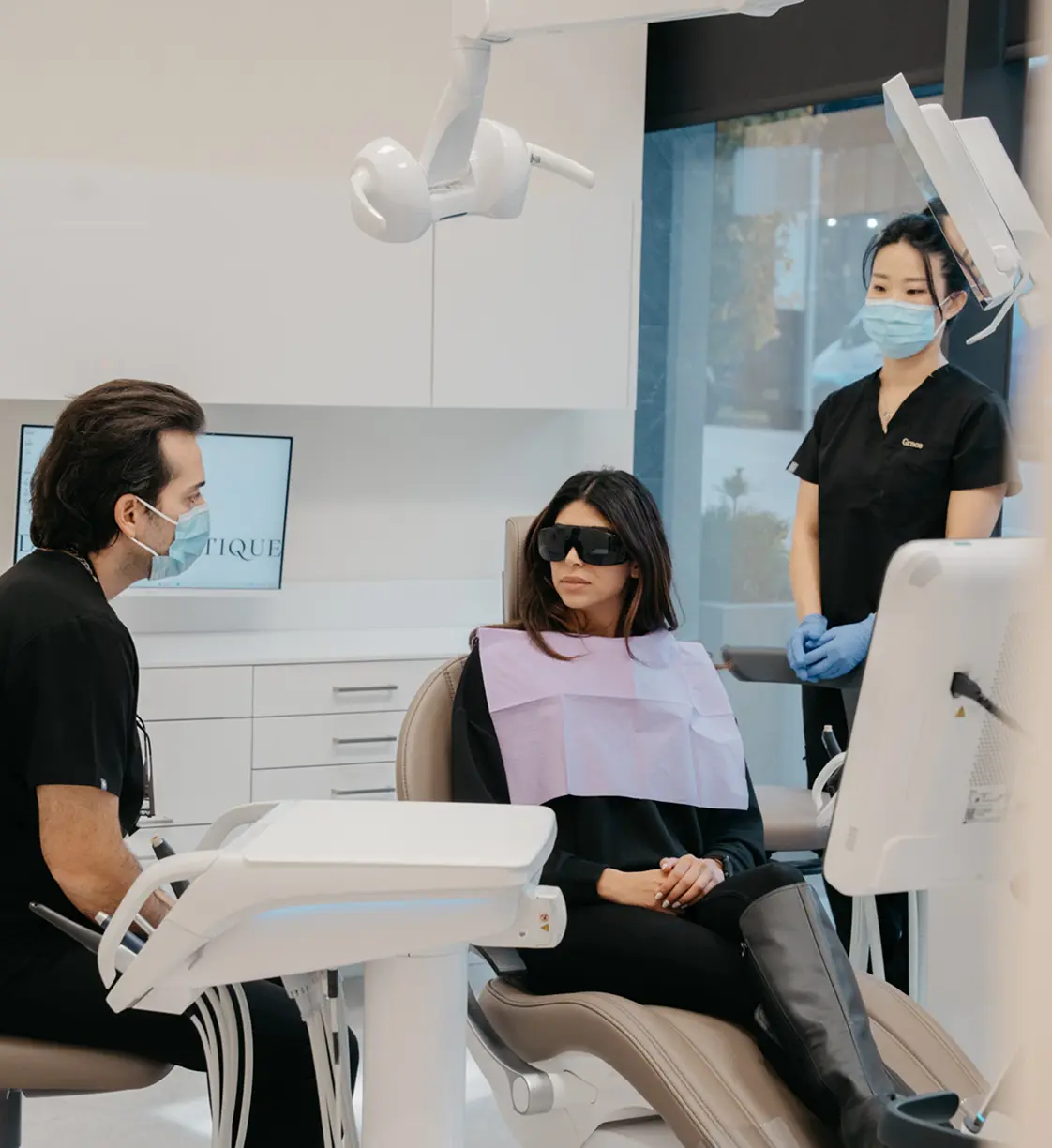
Clinician-led injectable treatments may be considered for selected cosmetic concerns and patterns of overactive facial or jaw-muscle activity. At Yaletown Dental Boutique, care begins with an individualized assessment of your anatomy, muscle function, medical history, concerns, and treatment goals.
Prescription neuromodulator treatment is planned conservatively and administered through carefully selected injection points. Suitability, expected effects, limitations, risks, and alternative options are reviewed before treatment.

Rated as “Excellent” (130 reviews)

Is Neuromodulator Treatment Right for Me?

Neuromodulator treatment may be considered for selected concerns involving facial movement or overactive muscles. It is not appropriate for every patient or every source of facial or jaw discomfort, so a clinical assessment is required before treatment.

Fine Lines & Expression Wrinkles

Cosmetic neuromodulator treatment may be considered for dynamic lines that become visible with facial movement, including selected forehead lines, frown lines, and crow’s feet. Planning depends on facial anatomy, muscle activity, treatment preferences, and the amount of natural movement the patient wishes to retain.

Jaw Clenching & Teeth Grinding

Patients with overactive jaw muscles, clenching, or grinding may discuss whether therapeutic neuromodulator treatment could form part of a broader management plan. Assessment may also consider tooth wear, bite function, sleep-related factors, oral appliances, and other possible causes.

TMD-Related Muscle Tension

Some temporomandibular disorder symptoms arise primarily from muscle tension, while others involve the joint, disc, bite, trauma, or additional factors. Injectable treatment may be considered in selected muscle-related cases after an appropriate examination; it is not a universal treatment for TMD.

Facial Muscle Imbalance

Selected patterns of uneven facial muscle activity may be assessed during a consultation. Any proposed treatment should account for facial balance, normal expression, muscle strength, and the limitations of injectable therapy.

Muscle-Related Facial Tension

Patients experiencing recurring facial tension should receive an appropriate assessment because these symptoms can have many causes. When overactive facial or jaw muscles appear to be contributing, the clinician can discuss whether injectable treatment or another form of care may be suitable.

What Concerns May Be Assessed for Neuromodulator Treatment?

Treatment planning is based on facial anatomy, muscle activity, clinical findings, medical history, and the patient’s goals. Depending on the assessment, neuromodulator treatment may be discussed for selected cosmetic or muscle-related concerns.

Cosmetic Applications

    Softening selected expression lines caused by facial movement

    Addressing frown lines between the eyebrows

    Reducing the appearance of selected crow’s feet or forehead lines

    Supporting subtle facial-balance goals in appropriate cases

    Developing an individualized plan intended to preserve natural expression

Therapeutic Applications

    Managing selected patterns of overactive jaw-muscle activity

    Supporting the management of selected clenching- or bruxism-related muscle tension

    Addressing selected muscle-related facial discomfort

    Modifying activity in selected muscles when clinically appropriate

    Forming part of a broader plan that may also include an oral appliance, habit management, physiotherapy, or referral

Begin Your Smile Journey

with Dr. Hadianfar

Dr. Sasan Hadianfar, General Dentist

Cosmetic vs. Therapeutic Neuromodulator Treatment

Cosmetic and therapeutic neuromodulator treatments use related clinical principles, but their goals, injection locations, dosing considerations, and assessment requirements differ.

Cosmetic Neuromodulator Treatment

Purpose: To soften selected expression lines while maintaining appropriate facial movement and balance.

  • Focuses on dynamic lines associated with repetitive facial movement
  • May be considered for selected forehead lines, frown lines, or crow’s feet
  • Planned according to facial anatomy and individual aesthetic goals
  • Uses conservative, individualized dosing
  • Requires discussion of expected effects, limitations, and potential adverse effects


Potential candidates: Adults seeking a subtle reduction in selected movement-related facial lines following an individualized consultation.

Therapeutic Neuromodulator Treatment

Purpose: To reduce activity in selected overactive muscles contributing to functional symptoms.

  • May target muscles involved in clenching, grinding, or facial tension
  • Requires assessment of the likely source of the patient’s symptoms
  • Injection placement depends on muscle activity, jaw function, and anatomy
  • May form one component of a broader management plan
  • Does not address every cause of TMD, bruxism, or facial discomfort


Potential candidates: Selected patients whose symptoms appear to be substantially related to overactive jaw or facial muscles.

Some patients may discuss both cosmetic and therapeutic goals during one consultation, but each area must be assessed and planned separately.

What Causes Facial Wrinkles and Muscle Tension?

Several factors may contribute to facial wrinkles and muscle tension over time, including:

Repeated facial movement and expressions

Natural collagen and elasticity changes with aging

Stress-related facial and jaw tension

Genetics affecting facial muscle patterns

Sleep-related habits, posture, and ongoing muscular tension


At Yaletown Dental Boutique, recommendations are individualized according to the patient’s clinical findings, medical history, concerns, and goals. Treatment is optional, and suitable alternatives are discussed when injectable care is not appropriate.

Does Neuromodulator Treatment Hurt?

Patients considering injectable treatment for the first time often have questions about comfort. The medication is administered using fine needles at carefully selected points, and many patients describe the injections as brief pinches or mild pressure.
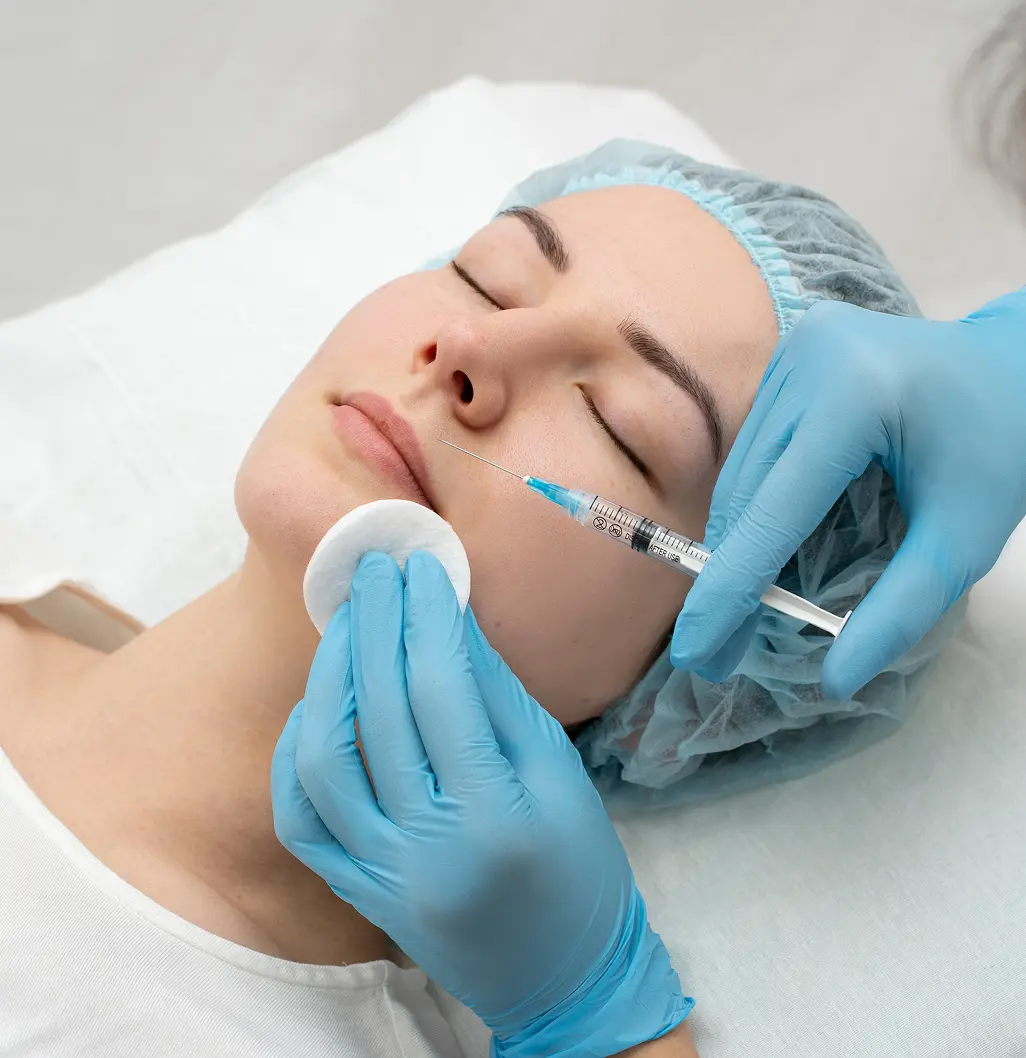
Appointment length varies according to the number of areas assessed and treated. Temporary redness, tenderness, swelling, or bruising may occur around injection sites. Other potential adverse effects depend on the treatment area, dosage, patient health, and spread of the medication and should be reviewed during informed consent.

  • Fine needles are used to administer the medication
  • Temporary injection-site discomfort may occur
  • Redness, swelling, tenderness, or bruising are possible
  • Most patients can leave the clinic shortly after treatment
  • Post-treatment instructions should be followed carefully
  • Risks and expected recovery vary by treatment area and patient

What If I Choose Not to Have Injectable Treatment?

Neuromodulator treatment is elective. Choosing not to proceed is reasonable, and patients should not feel pressured to treat cosmetic lines or muscle-related concerns with injections.

Facial Lines May Change Over Time

Expression lines may gradually become more noticeable due to repeated movement, age-related skin changes, genetics, and environmental factors. Treatment is a personal choice rather than a medical requirement.

Jaw Tension May Continue

Clenching or muscle tension may persist if the contributing factors remain present. Because these symptoms can have several causes, assessment may involve the teeth, bite, jaw joints, sleep habits, stress, and muscle function.

Other Management Options May Be Appropriate

Depending on the concern, alternatives may include monitoring, skincare, oral appliances, behaviour or habit modification, physiotherapy, other dental care, or referral to another healthcare professional.

Injectable treatment may be considered for selected cosmetic or symptom-management goals, but it is not mandatory and should not replace an appropriate diagnosis or broader care plan.

Important Information for

CDCP Patients

Treatment under the Canadian Dental Care Plan is not fully covered. A co-payment will apply.

When Do Neuromodulator Effects Begin and How Long May They Last?

The timing and duration of neuromodulator effects vary according to the prescription product used, treatment area, dosage, muscle activity, metabolism, and individual response. The clinician will provide expectations relevant to the patient’s treatment plan.

10-20 minutes

Appointments Are Generally Brief

Injection appointments are often completed within a relatively short visit, although assessment, consent, photography, treatment planning, and the number of areas treated can affect the total appointment time.

3-5 days

Effects Develop Gradually

Changes do not usually appear immediately. Initial effects may become noticeable over the days following treatment, with further change occurring as the medication takes effect.

10-14 days

Follow-Up May Be Recommended

A follow-up appointment may be used to evaluate response, symmetry, muscle function, comfort, and whether any further clinical review is needed.

3-6 months

Effects Are Temporary

Neuromodulator effects are temporary, and their duration varies between patients and treatment areas. Repeat treatment is optional and should be based on reassessment rather than a predetermined maintenance schedule.

Choosing a Provider for Neuromodulator & Facial Aesthetic Treatment in Yaletown

Prescription injectable treatment requires appropriate assessment, knowledge of facial anatomy, careful treatment planning, informed consent, and follow-up. Patients should understand the proposed treatment, expected limitations, alternatives, risks, and costs before proceeding.
Knowledge of Facial and Jaw Anatomy

Treatment planning requires an understanding of facial muscles, jaw function, injection anatomy, and the relationship between the intended treatment area and nearby structures.

Personalized, Conservative Treatment Planning

At Yaletown Dental Boutique, recommendations are based on the patient’s anatomy, muscle activity, medical history, clinical findings, concerns, and goals. Dosing and placement are individualized rather than standardized.

Clinician-Led Care and Informed Consent

We emphasize clear communication and realistic expectations before prescription treatment. Patients are given an opportunity to discuss potential benefits, material risks, possible adverse effects, alternatives, aftercare, and whether treatment is appropriate for them.

What Our Cosmetic Patients Are Saying?

  • Zalha Fazal

    Hands down the best dental services in town. Highly recommend the clinic for anyone wanting to visit a dentist to learn better about maintaining oral health and getting the clean up. Had a wonderful experience with the hygienist Amir who was very patient and did a wonderful job.
  • Travis Battaglia

    always an amazing experience!
  • Camila Pérez ciribe

    Amir a the rest of the team has been incredible today. Best day in the dentist ever!
  • Jenny Wong

    Everyone was so nice and the clinic is brand new 🙂
  • Gurjit Dhadda

    Amir was great! Wonderful service!
  • Eve Plante

    Everything was perfect! 🙂
  • Priyanka Pahari

    First time at this location, I loved the experience. Staff is amazing and so is the service. :))
  • Emilio Suarez

    Very friendly and polite staff. They made Ure I was comfortable

    Frequently Asked Questions About Neuromodulator & Facial Aesthetic Treatments

    Will neuromodulator treatment make my face look frozen?

    Treatment can be planned conservatively with the aim of softening selected expression lines while retaining appropriate movement. The degree of change varies according to the area treated, dose, anatomy, muscle activity, and individual response.

    Can injectable treatment help with jaw clenching or TMD-related discomfort?

    Is there downtime after treatment?

    Can neuromodulator treatment prevent expression lines from deepening?

    Are prescription neuromodulator injections safe?

    How do I know whether injectable treatment is appropriate for me?

    Final Thoughts – Individualized Care Starts With the Right Assessment

    Neuromodulator and facial aesthetic treatments are personal decisions that should begin with a clinical assessment, clear information, and realistic expectations. Cosmetic and therapeutic goals require different planning, and injectable treatment may not be appropriate for every concern or every patient.

    Yaletown Dental Boutique provides clinician-led consultations for patients considering facial aesthetic treatment or assessment of selected jaw-muscle concerns. Our approach emphasizes individualized planning, conservative care, informed consent, and balanced discussion of available options.

    Schedule a consultation to discuss your concerns and learn whether a prescription neuromodulator treatment or another approach may be appropriate for you.

    Visit Us

      Contact

      info@yaletown.dental
      205 Smithe Street
      Vancouver, BC V6B 2P4

      Hours

      Mon–Fri: 9:00 am – 5:00 pm
      Saturday: 9:00 am – 4:00 pm
      Sunday: Closed

    Request an Appointment Now!