At a Glance:
A loose adult tooth is a sign that the support around it (bone, ligament, and gums) has been affected. While it can feel concerning, many cases can still be managed if addressed early. The key is to avoid further stress, such as chewing on that side or touching the tooth, and to maintain gentle oral hygiene.
The cause of looseness can vary, and each situation affects the tooth differently. Some cases are reversible when enough support remains, while others require more involved care. Early evaluation helps identify what is happening and improves the chances of preserving the tooth.
Delaying evaluation can reduce the chances of stabilizing the tooth and preserving its support.
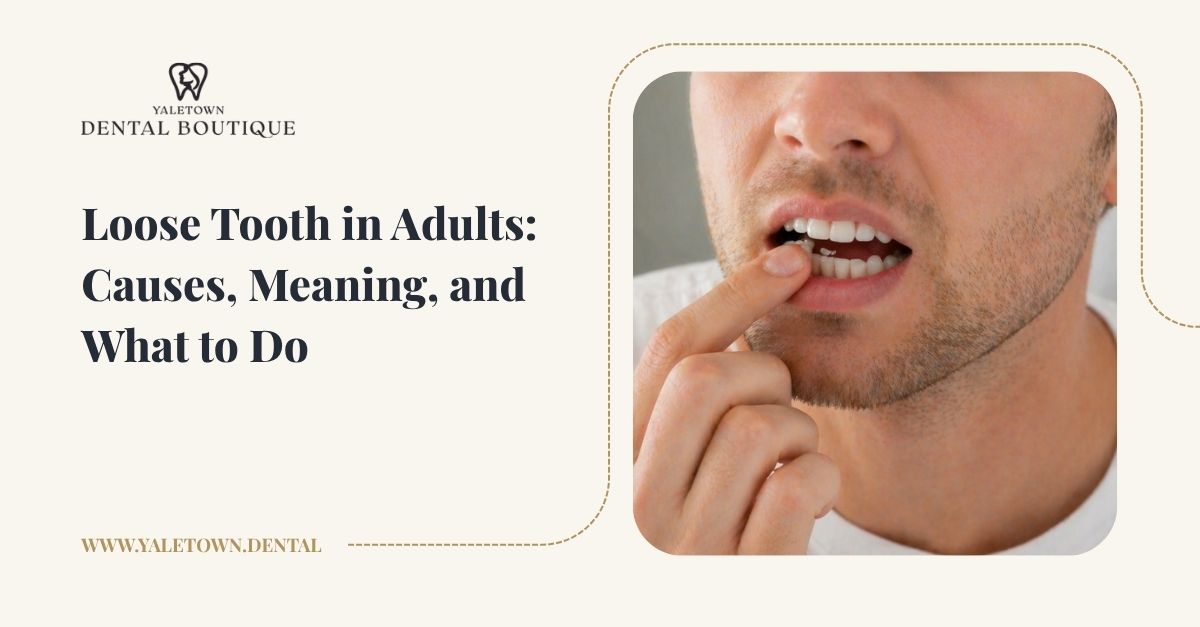
Noticing that an adult tooth feels loose can be unsettling, especially when it happens suddenly and without a clear reason. Unlike baby teeth, adult teeth are not meant to move, so even slight mobility can feel unusual and concerning.
A loose tooth is not just a minor discomfort; it is a sign that the structures supporting the tooth may be affected. This can involve the gums, the underlying bone, or the way pressure is applied during biting. Even without pain, this type of change should not be ignored.
At the same time, a loose tooth does not always mean it will be lost. In many cases, early action can help stabilize the tooth and prevent further damage. Understanding what is causing the movement is the first step in deciding what to do next.
A loose adult tooth should be treated as a time-sensitive warning sign, where early evaluation can make a significant difference in whether the tooth can be stabilized.
What to Do Right Away If You Have a Loose Tooth
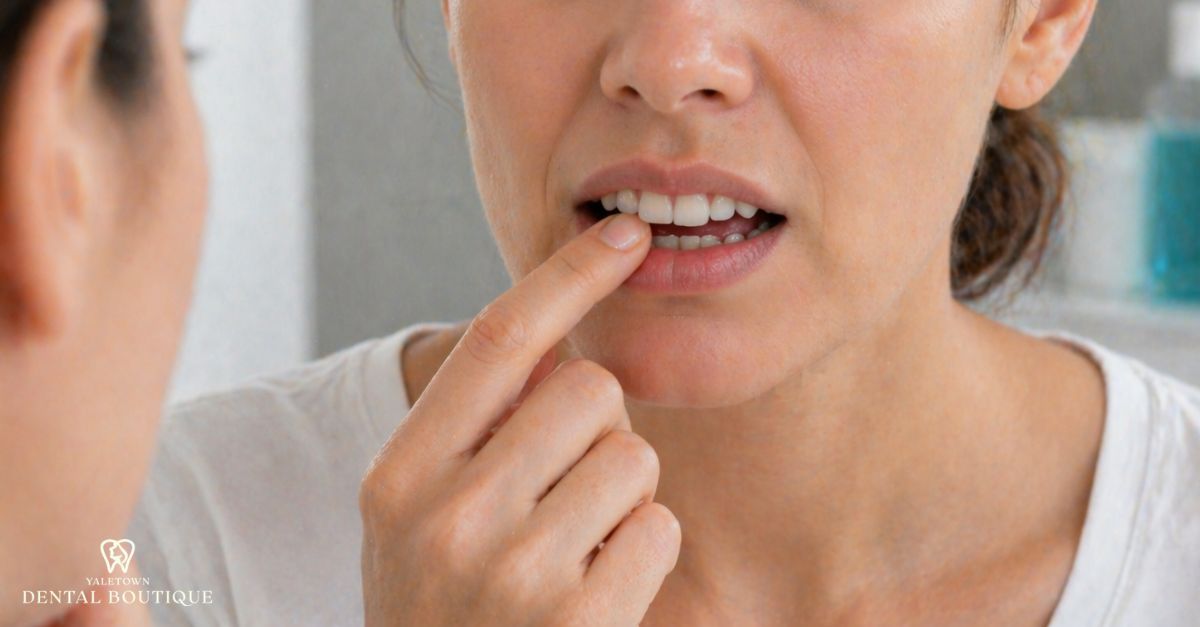
If a tooth suddenly feels loose, the priority is to protect it from further stress. Small actions in the first hours can help prevent additional movement and reduce the risk of worsening the situation.
Immediate Do’s
Focus on reducing pressure and keeping the area clean without causing further movement.
- Avoid chewing on the affected side, even with soft foods, to reduce pressure on the tooth
- Use a soft-bristled toothbrush and brush gently, angling toward the gumline without scrubbing
- Maintain regular oral hygiene while being careful not to apply force around the loose tooth
- Monitor for changes such as increasing discomfort, swelling, or bleeding over the next several hours
- Arrange a dental evaluation as soon as possible to understand the cause and prevent further movement
Immediate Don’ts
Certain actions can quickly worsen a loose tooth, increase movement, and reduce the chances of saving it.
- Do not wiggle, press, or repeatedly check the tooth, as movement can increase instability
- Avoid hard, crunchy, or sticky foods like nuts, chips, or chewing gum that stress the tooth
- Do not brush aggressively in an attempt to clean more thoroughly, as this can irritate the area
- Do not ignore the issue just because there is no pain, as movement may still indicate a problem
When a Loose Tooth Is an Emergency

Not every loose tooth requires urgent care, especially if the movement is slight and stable. However, certain signs suggest a higher level of concern and should be assessed without delay. Recognizing these situations early helps reduce the risk of further complications.
Sudden Onset of Looseness
If a tooth becomes loose quickly, especially within a short period of time, it often reflects an abrupt change in support. This type of onset is different from gradual movement and should be evaluated promptly to prevent further instability.
Pain, Swelling, or Bleeding
Discomfort, visible swelling, or ongoing bleeding around a loose tooth indicates that the surrounding tissues are under stress. When these symptoms appear together, they are unlikely to resolve on their own and should be assessed in a timely manner.
Changes When Biting (Tooth Feels Higher or Off)
If the tooth feels higher than others or contact during biting feels uneven, it often means the tooth has shifted slightly out of alignment. This change can increase pressure during normal use and should be checked before further movement occurs.
Multiple Teeth Becoming Loose
When more than one tooth begins to feel mobile, it usually reflects a broader issue affecting overall support. This pattern requires prompt evaluation to understand the extent of the problem and help prevent further progression.
History of Gum Disease or Recent Trauma
If there is a known history of gum-related concerns or a recent injury, even mild looseness should be taken seriously. These factors can affect support and warrant early assessment rather than waiting for changes to worsen.
Why Teeth Become Loose
A loose tooth usually means there is a problem affecting the structures that hold it in place. Teeth are supported by bone, ligaments, and surrounding gum tissue, which work together to keep them stable. When any part of this support system is weakened or disrupted, movement can occur. The underlying cause can vary, and each type affects support in a different way.
Gum Disease (Most Common Cause)
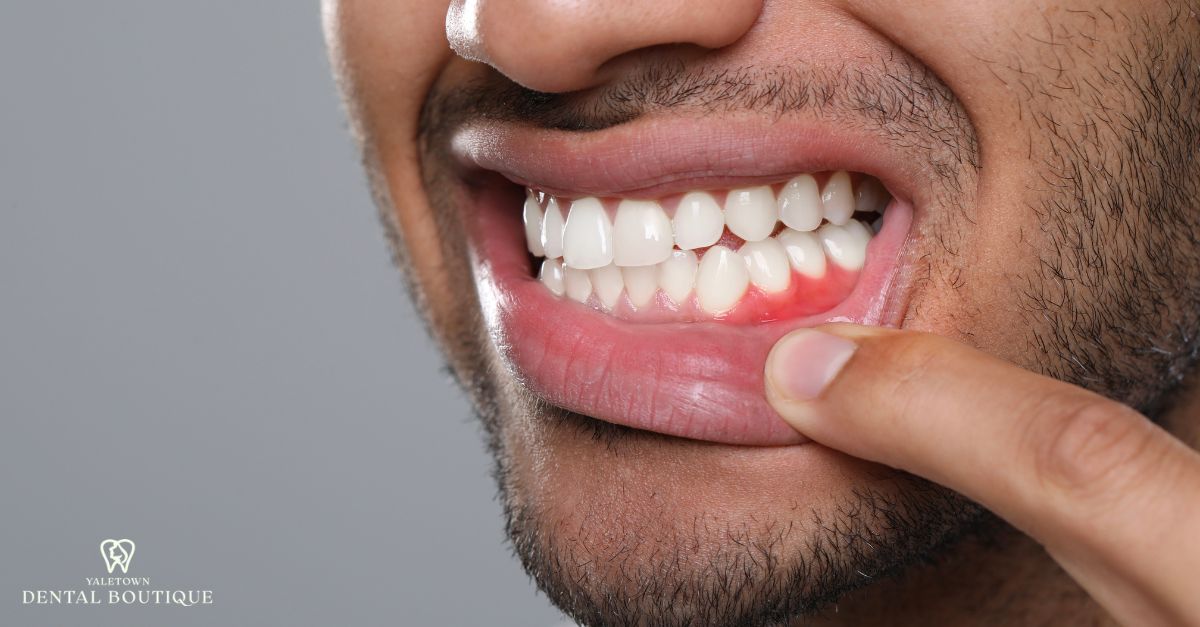
Gum disease gradually affects the tissues and bone that support the teeth. As inflammation progresses, the attachment between the tooth and surrounding structures can weaken. Over time, this can lead to loss of support, making the tooth feel mobile even without sudden changes.
Dental Trauma
Injury to the mouth, such as a fall or impact during sports, can directly affect how a tooth is held in place. This type of damage can disrupt the supporting ligament or surrounding structures, often leading to sudden looseness shortly after the incident.
Bite-Related Stress (Occlusal Trauma)
Repeated pressure from clenching, grinding, or an uneven bite can place ongoing stress on a tooth. Over time, this force can strain the supporting ligament, affecting how the tooth responds during normal biting and leading to gradual movement.
Infection or Abscess
An infection around the tooth can create pressure within the surrounding area. This buildup can affect how the tooth sits in its socket, sometimes causing movement even if there has been no injury or obvious external change.
Systemic or Hormonal Factors
Certain conditions, such as pregnancy or diabetes, can influence how the body responds to inflammation and tissue changes. These factors may not directly cause looseness but can make the supporting structures more sensitive or slower to recover.
Can the tooth be saved?
In many cases, yes, a loose tooth can be saved. The outcome depends largely on how much of the supporting structure, including the bone and ligament around the tooth, is still intact.
When a Loose Tooth Can Be Reversed
In early stages, when the supporting bone and ligament are still largely intact, a loose tooth can often become more stable once the underlying cause is controlled. This is more likely in cases related to minor trauma, early gum changes, or bite-related stress.
When Stabilization Is the Primary Goal
When support has been more significantly affected, especially with bone loss, full reversal may not be possible. In these situations, the focus shifts to stabilizing the tooth, reducing further movement, and preventing additional loss of support.
Situations where a loose tooth is more likely to be saved include:
- Movement is mild or has appeared recently
- Bone and surrounding support are still largely intact
- There are no signs of severe infection
- The underlying cause can be identified and controlled
What Tooth Looseness Really Means
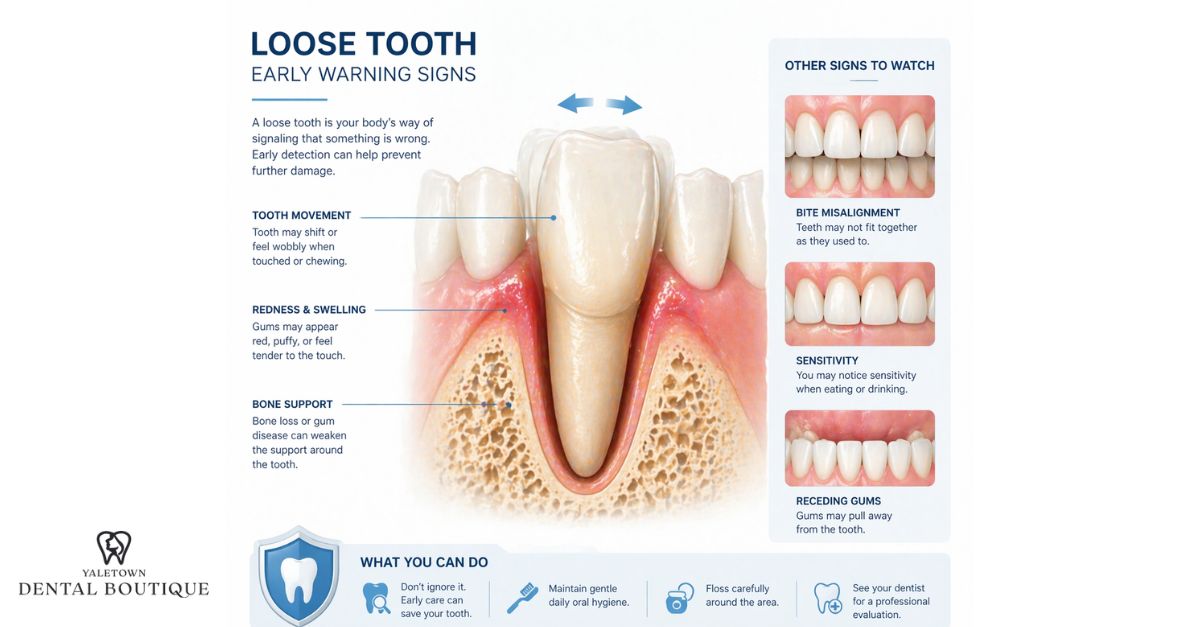
Teeth are not fixed rigidly into the bone. Each tooth sits in a socket and is supported by a small cushioning structure called the periodontal ligament. This ligament acts like a flexible connection, allowing the tooth to absorb normal forces from chewing.
The stability of a tooth depends on three parts working together: the bone that holds it, the ligament that cushions it, and the surrounding gums that protect the area.
When these structures are healthy, they keep the tooth firm while still allowing tiny, controlled movement.
A very small amount of microscopic movement is normal and usually not noticeable. However, when movement becomes something you can feel or see, it often means the support system is no longer working as it should.
In this context, looseness is not just a surface issue. It reflects a change in how the tooth is supported within the bone and ligament, which is why it should be understood as a structural concern rather than simple irritation. When support is significantly reduced over time, maintaining the natural tooth may become more difficult, and options such as dental implants may be considered as part of long-term planning.
Why Professional Care Matters
Brushing, rinsing, and other home care habits are important for keeping the mouth clean, but they mainly address surface buildup. When a tooth feels loose, the issue often involves deeper structures such as the bone and supporting ligament. These areas cannot be directly reached or assessed through home care alone, which is why symptoms may persist even with consistent effort.
Because looseness relates to how the tooth is supported, evaluation focuses on what is happening beneath the surface. Subtle changes in bone level or ligament stability are not visible without a routine dental exam and proper assessment. In this context, maintaining long-term stability may also connect to broader considerations within long-term restorative care, where preserving natural teeth depends on the condition of their foundation.
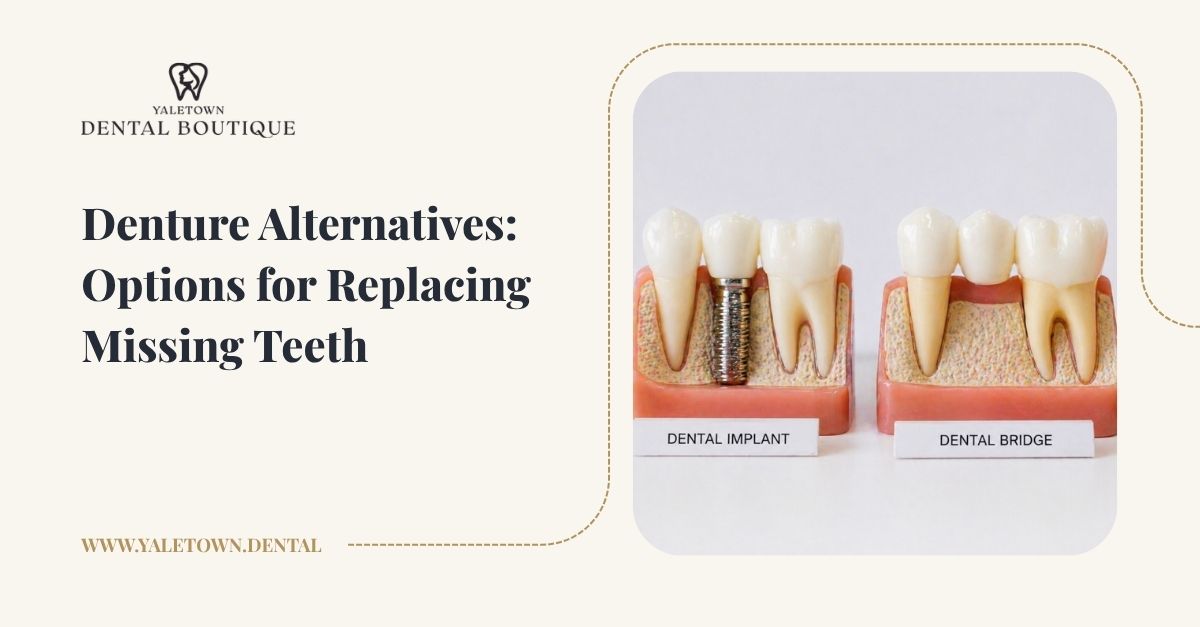
When underlying support is compromised and not addressed, the ability to maintain the natural tooth can gradually decline. In more advanced situations, options such as a bridge or implant may become part of long-term planning if stability cannot be restored.
The Yaletown Dental Boutique Approach

When a tooth feels loose, the first step is to understand what is happening without delay. At Yaletown Dental Boutique, this begins with a focused assessment of tooth mobility, associated symptoms, and how the tooth responds during everyday function, helping clarify whether the issue is localized or part of a broader pattern.
This diagnostic approach is designed to reduce uncertainty and guide decisions based on actual findings. When needed, clinical evaluation may be supported by imaging to better understand how the supporting structures are functioning.
From there, the priority shifts to stabilizing the tooth and protecting its existing support. When needed, stabilization techniques such as dental splinting may be used to support the tooth while the underlying cause is addressed. Care is guided by the goal of preserving the natural tooth whenever possible, while helping patients understand what is happening and what steps can support long-term stability.
Conclusion
A loose adult tooth is not considered normal, but it does not always mean the tooth cannot be managed. When addressed early, there is often an opportunity to stabilize the situation and protect the remaining support.
Timing plays an important role. Changes in tooth stability can progress if left unexamined, while early evaluation helps clarify what is happening and how to respond appropriately.
Understanding the cause is essential, as different factors affect the tooth in different ways. A clear diagnosis allows for more targeted decisions, rather than guesswork or temporary measures.
If a tooth feels loose, early evaluation is often the difference between stabilizing the tooth and losing support over time. Booking an appointment at Yaletown Dental Boutique as soon as possible allows the situation to be assessed
Is a loose adult tooth always serious?
A loose adult tooth is not normal, but it does not always mean severe damage. The level of concern depends on the cause and how much support remains around the tooth.
Can a loose tooth tighten back on its own?
In some cases, a loose tooth may become more stable if the cause is mild and addressed early. However, this depends on whether the supporting structures are still intact.
How long can I wait before seeing a dentist?
It is best not to wait long. Early evaluation helps identify the cause and reduces the chance of further movement, even if the tooth is not painful.
What causes a tooth to suddenly feel loose?
A tooth may feel loose due to sudden changes such as injury, increased pressure from biting, or changes in the supporting structures around the tooth.
Can a loose tooth be saved?
Many loose teeth can be preserved if enough support remains and the cause is addressed early. The outcome depends on how much the supporting structures have been affected.
Should I keep brushing a loose tooth?
Yes, gentle brushing should continue to keep the area clean. Avoid applying pressure directly on the loose tooth while maintaining overall oral hygiene.
What happens if I ignore a loose tooth?
Ignoring a loose tooth can allow the underlying issue to progress, which may reduce support over time and make it more difficult to maintain stability.