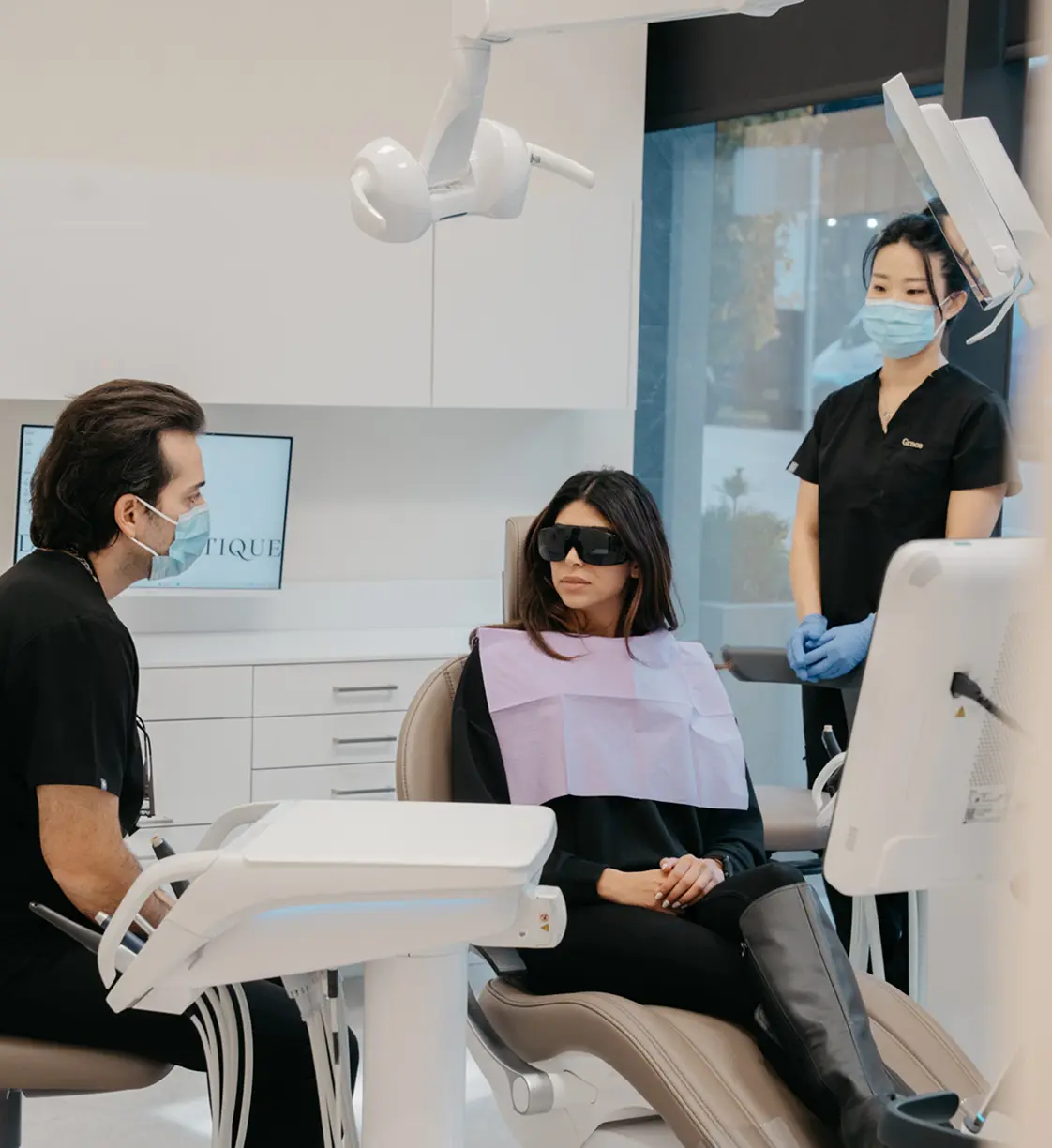

Dental Trauma Care in Yaletown Immediate Help When Dental Injuries Happen
Dental injuries can happen suddenly and be stressful or overwhelming, especially when pain, bleeding, or damaged teeth are involved. Prompt dental care may help reduce complications, support healing, and improve the chances of preserving injured teeth.Yaletown Dental Boutique provides emergency dental trauma care in Yaletown for chipped, broken, displaced, and knocked-out teeth, as well as injuries affecting the gums, lips, and jaw.
 Rated as “Excellent” (130 reviews)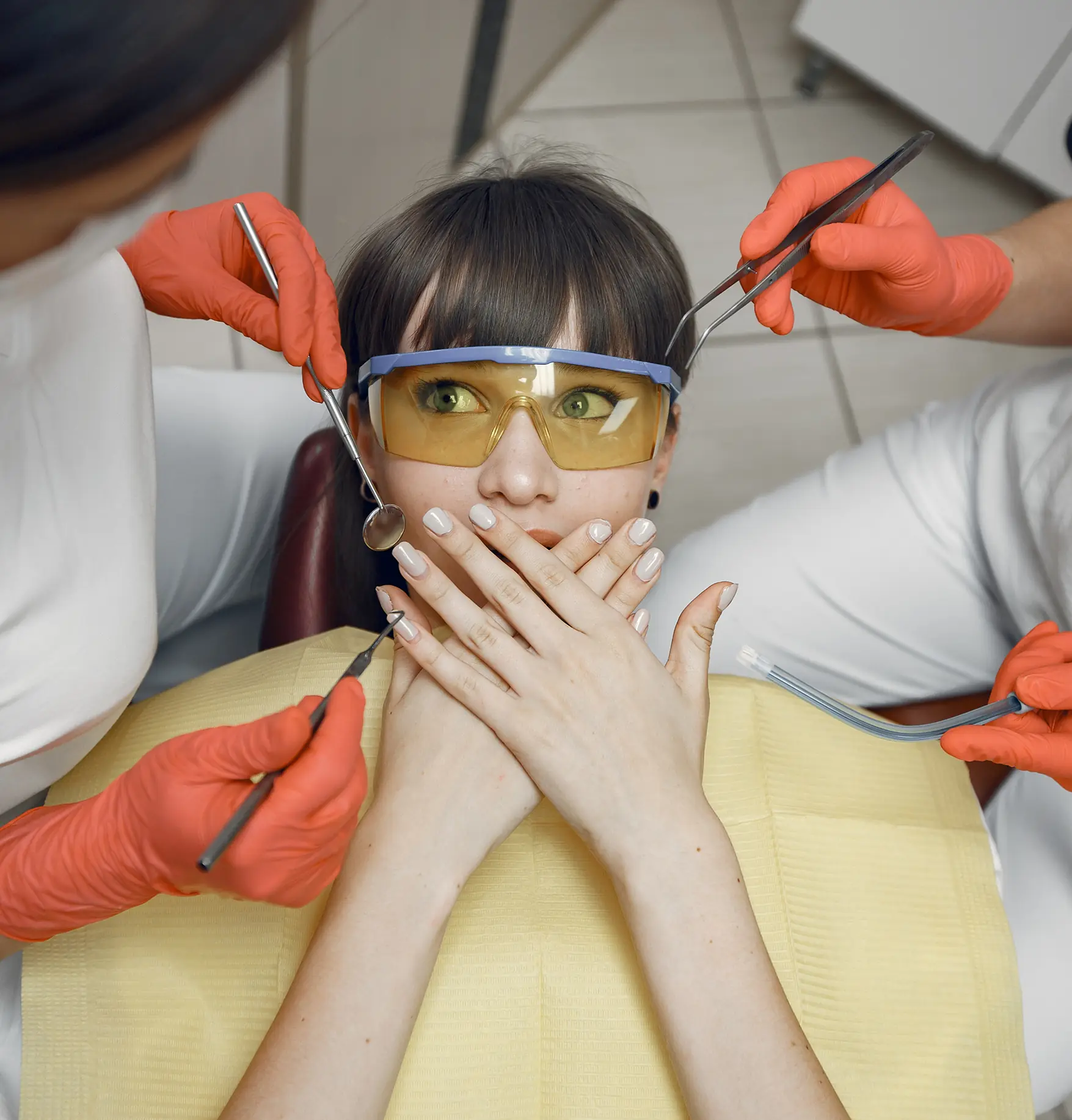
1 min read
Dental injuries in Yaletown often require prompt attention, as early care may help reduce the risk of tooth loss, infection, and long-term complications. Yaletown Dental Boutique provides care for chipped, cracked, displaced, or knocked-out teeth, as well as soft tissue and jaw injuries. Timely assessment, stabilization, and appropriate follow-up may help support recovery. Contact us to arrange an evaluation for dental trauma.

Is Dental Trauma a Dental Emergency?
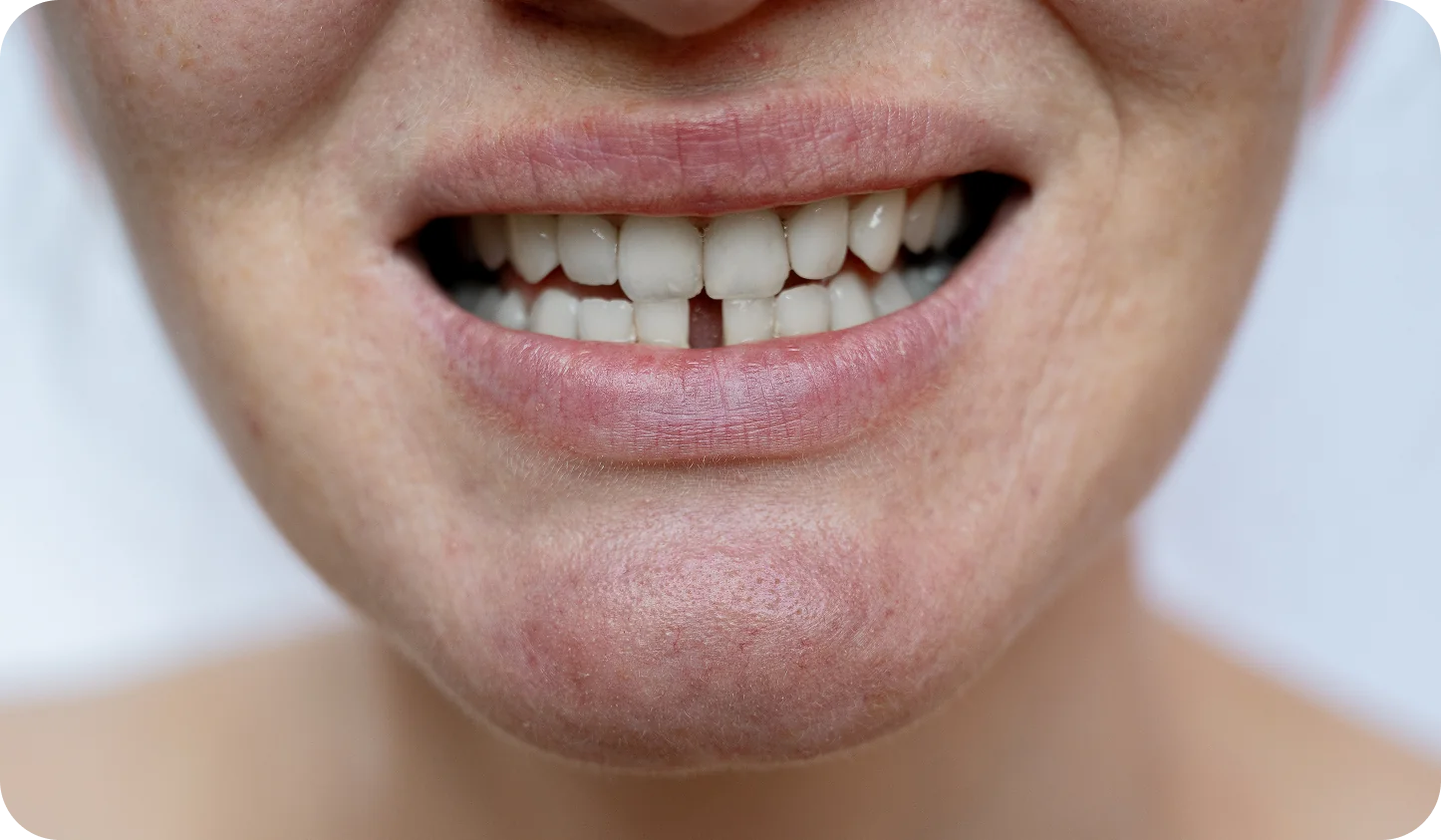
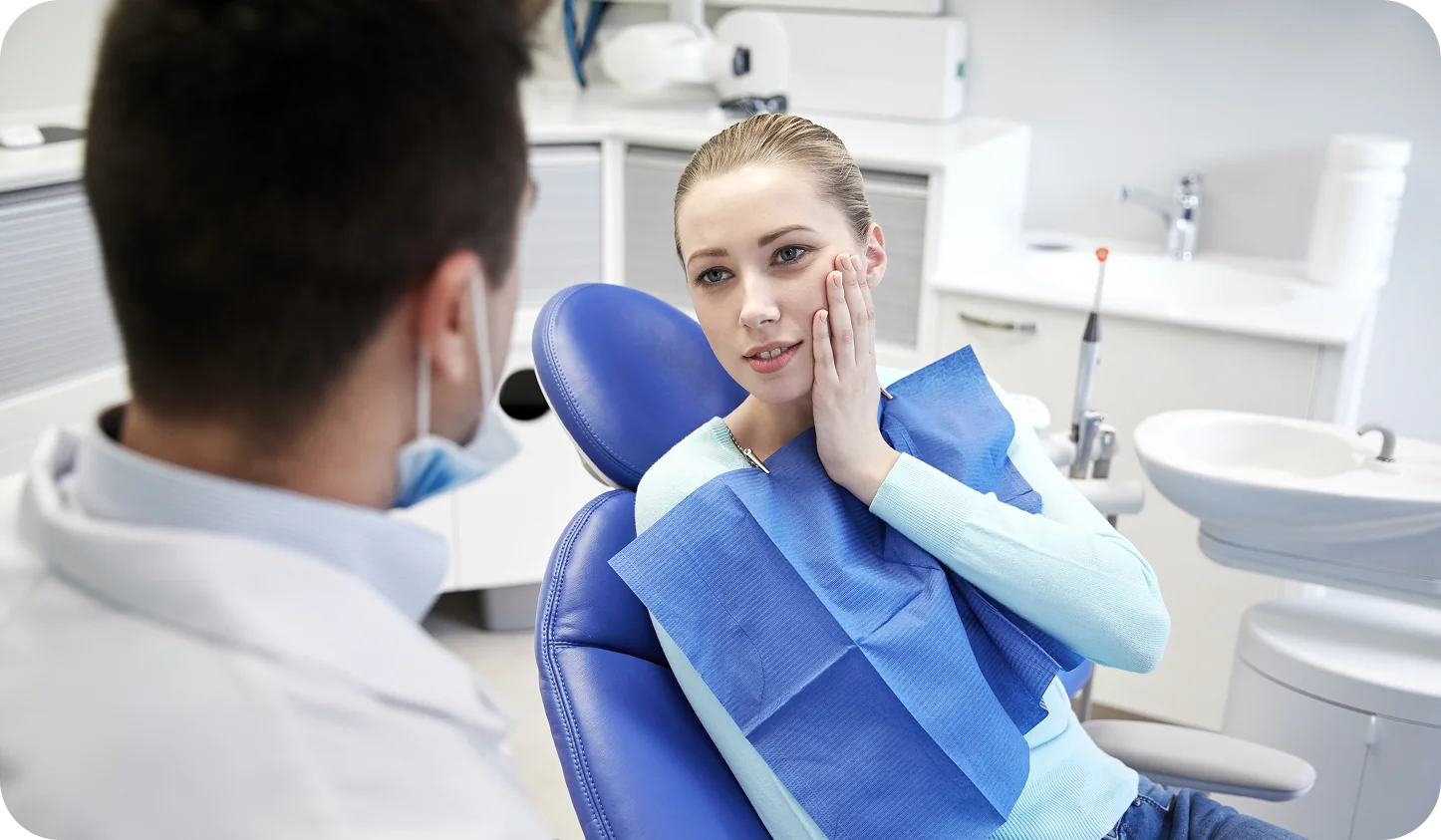
Yes, dental trauma often requires immediate attention. Prompt care may help support tooth preservation, reduce the risk of infection, and limit potential long-term complications. Even mild injuries can worsen if left untreated. Common signs of dental trauma include:

What to Do Immediately After a Dental Injury?
Prompt action may help preserve teeth and reduce complications. Follow these steps to manage the situation safely while preparing to get professional care.

Stay Calm and Assess the Situation
Take a moment to stay calm and evaluate the injury. Check for broken, loose, or missing teeth, bleeding, and signs of jaw or soft tissue damage. Staying calm can help you respond more effectively.

Stop Bleeding with Gentle Pressure
If there is bleeding, apply a clean cloth or gauze with gentle pressure. Avoid vigorous rubbing, which can worsen tissue damage. Maintaining steady pressure helps control bleeding until professional care is available.
Handle Teeth and Fragments Carefully
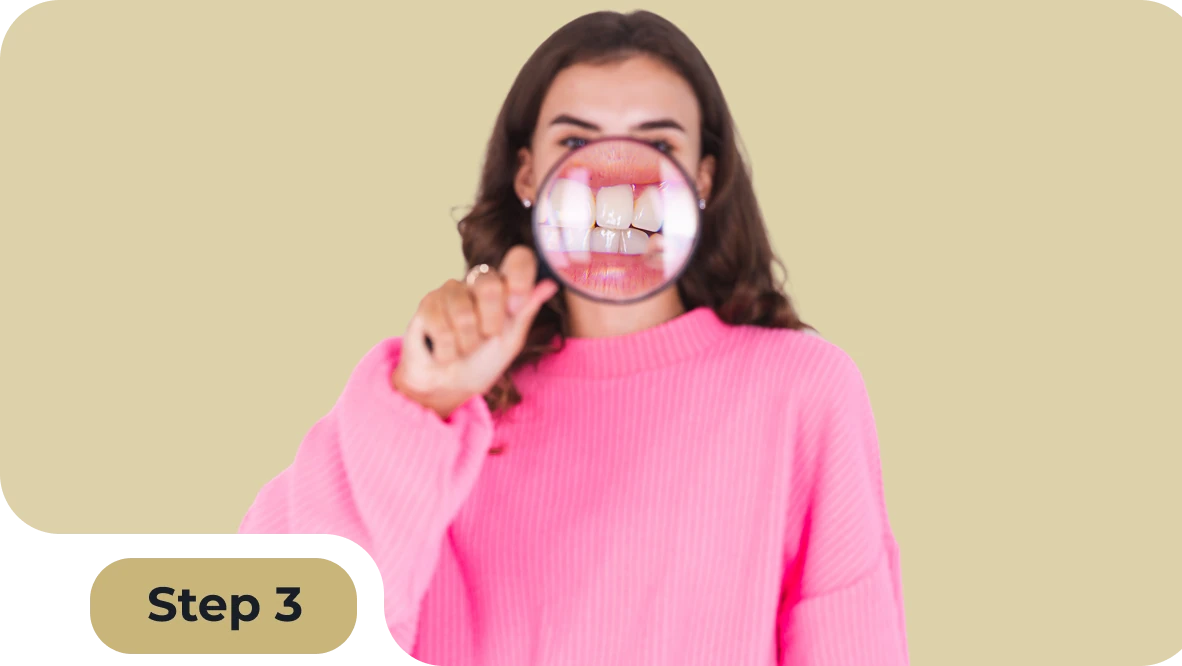
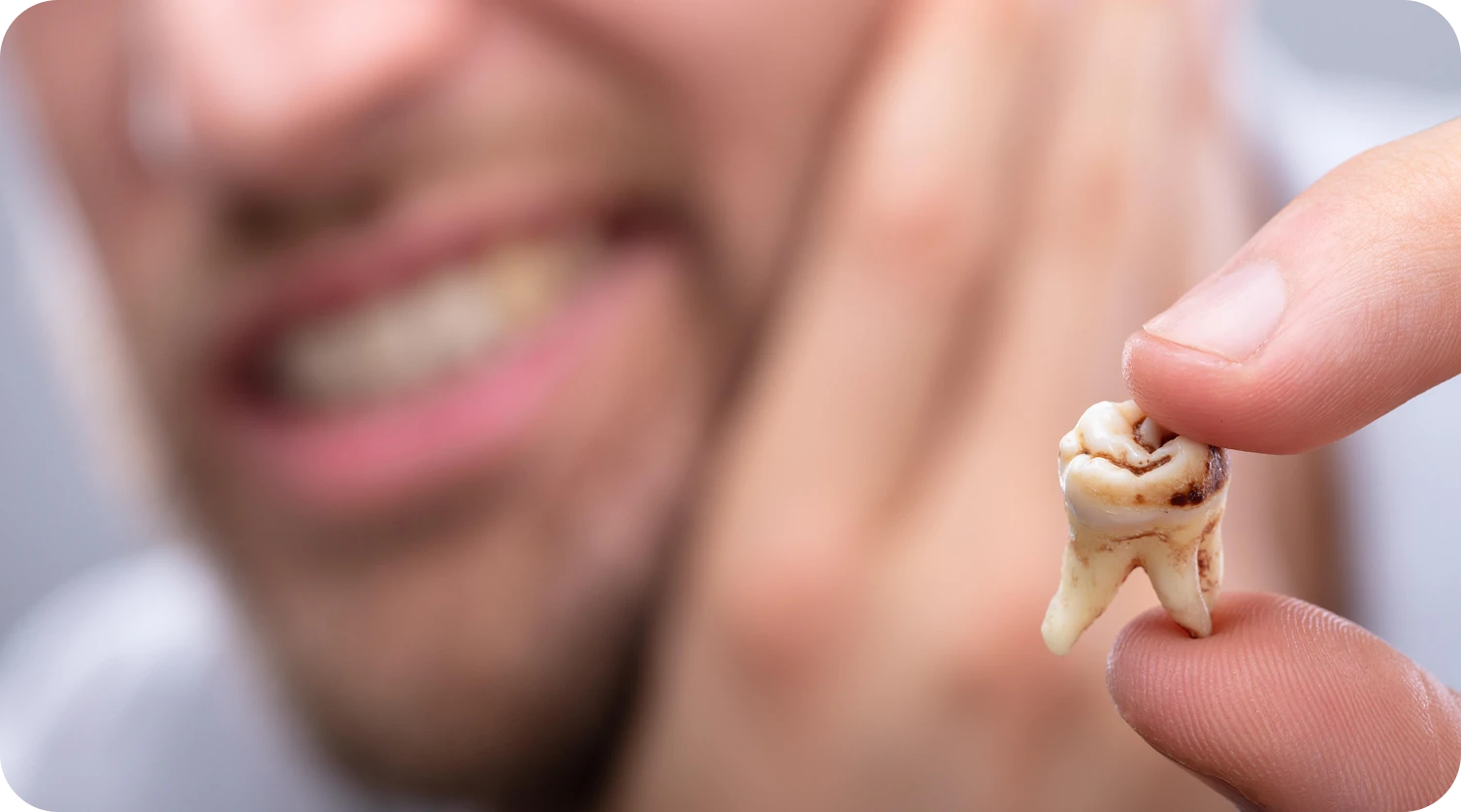
If a tooth or fragment has been dislodged, pick it up by the crown, not the root. Rinse gently if dirty and keep it in milk, saline, or saliva to preserve it for possible reimplantation.

Avoid Chewing on the Injured Side
Refrain from chewing on the injured area to prevent further damage. Soft foods and careful handling reduce pain and protect unstable teeth while awaiting professional evaluation.

Seek Dental Care Immediately
Contact a dental professional as soon as possible. Rapid assessment and treatment improve outcomes, including saving teeth and preventing infection or long-term complications.
Note: Every dental injury is unique, and proper evaluation is always essential. Even minor discomfort can indicate hidden damage. Prompt professional care supports appropriate treatment decisions, protects oral health, and improves recovery, whether the injury affects teeth, gums, or jaw.
Begin Your Smile Journey
with Dr. Hadianfar
Dr. Sasan Hadianfar, General Dentist
Types of Dental Trauma We Treat
Dental injuries vary widely in severity and type. Yaletown Dental Boutique provides care for a range of dental trauma cases, aiming to restore function and appearance.
Chipped or Fractured Teeth
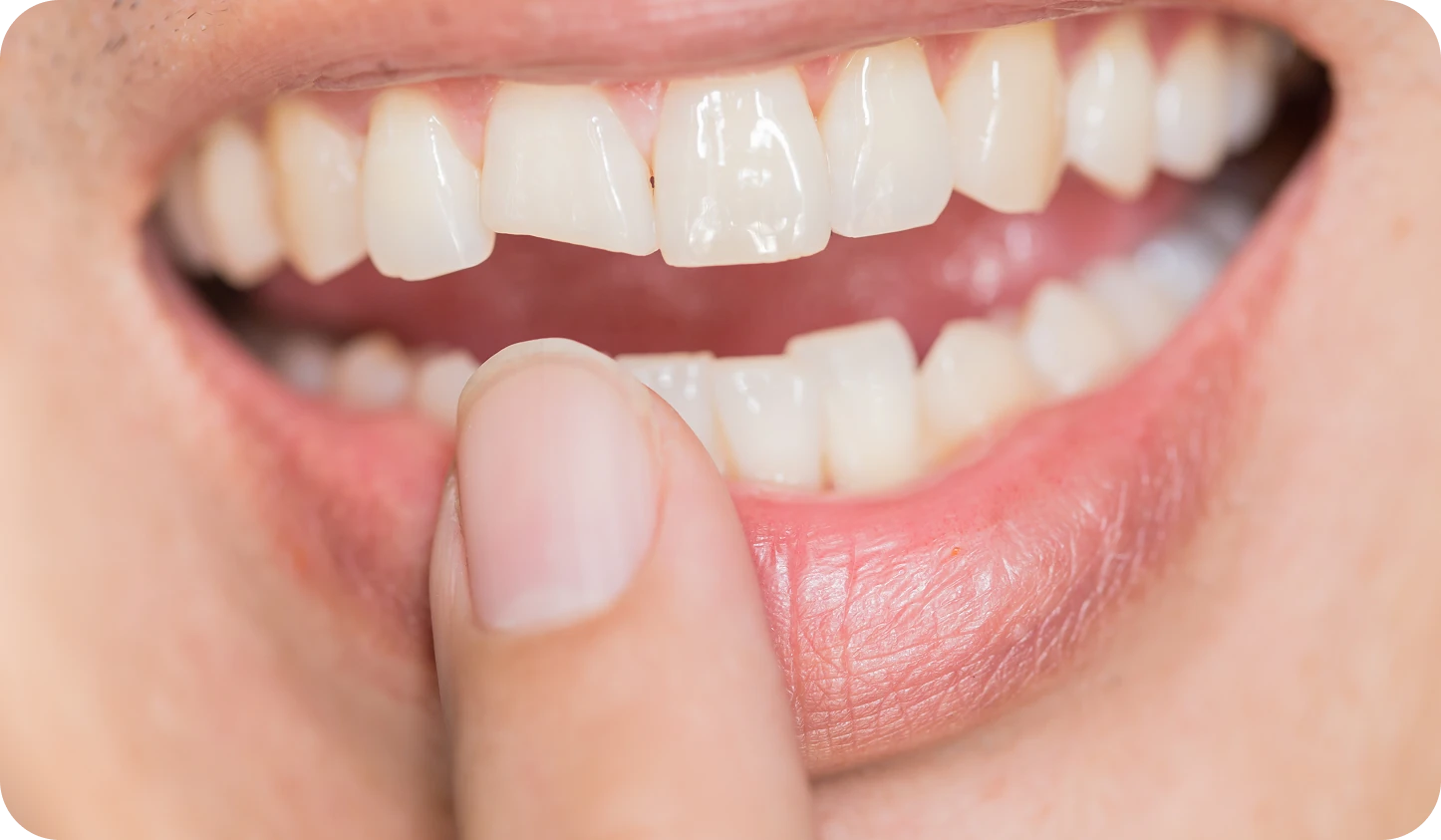
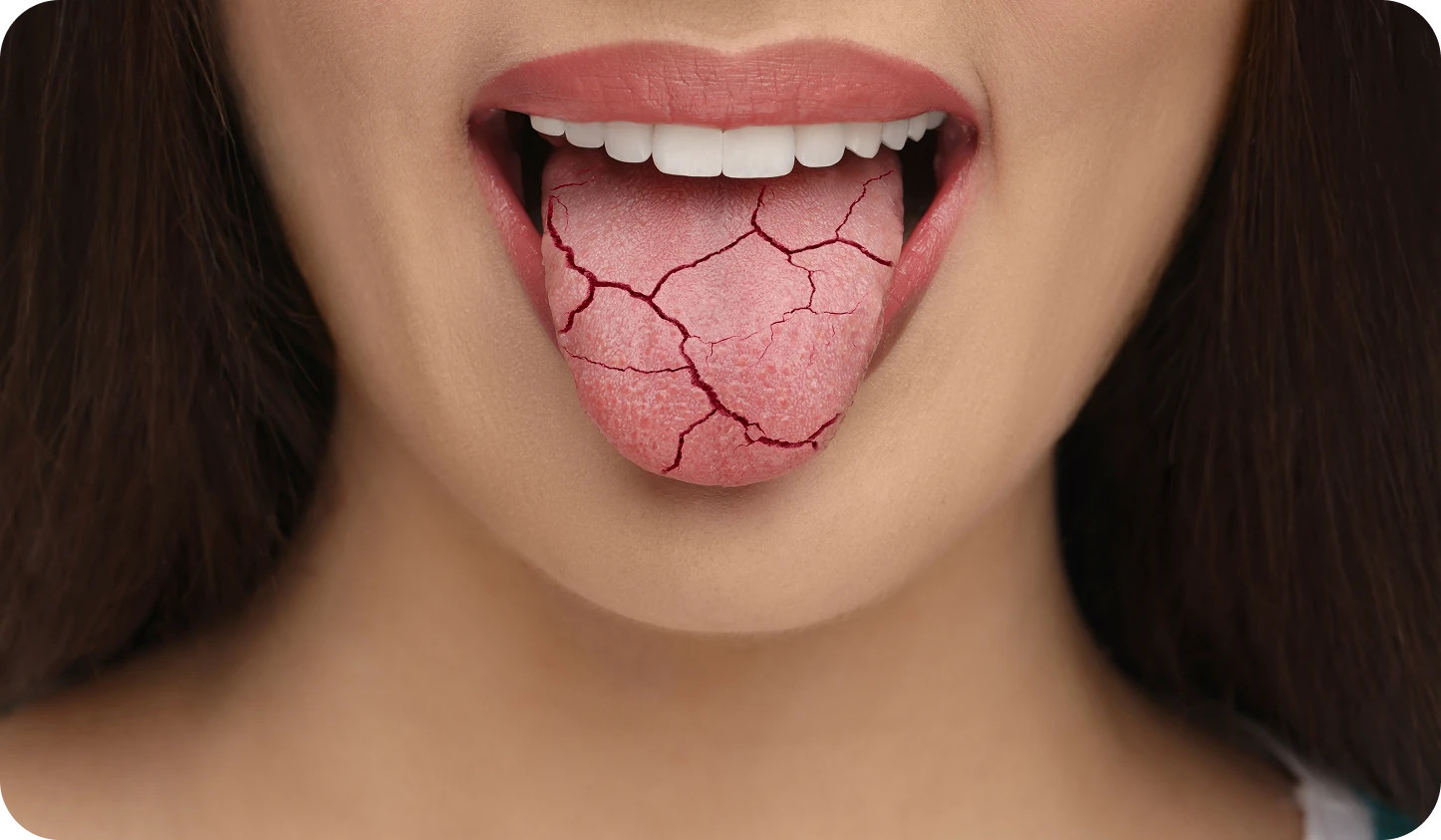
Chipped or fractured teeth are common in accidents or sports injuries. Even small chips can lead to sensitivity, pain, or further damage if untreated. Early dental care can smooth, repair, or restore the tooth using bonding, veneers, or crowns, protecting your smile and preventing complications like decay or infection.

How Dental Trauma Is Treated?
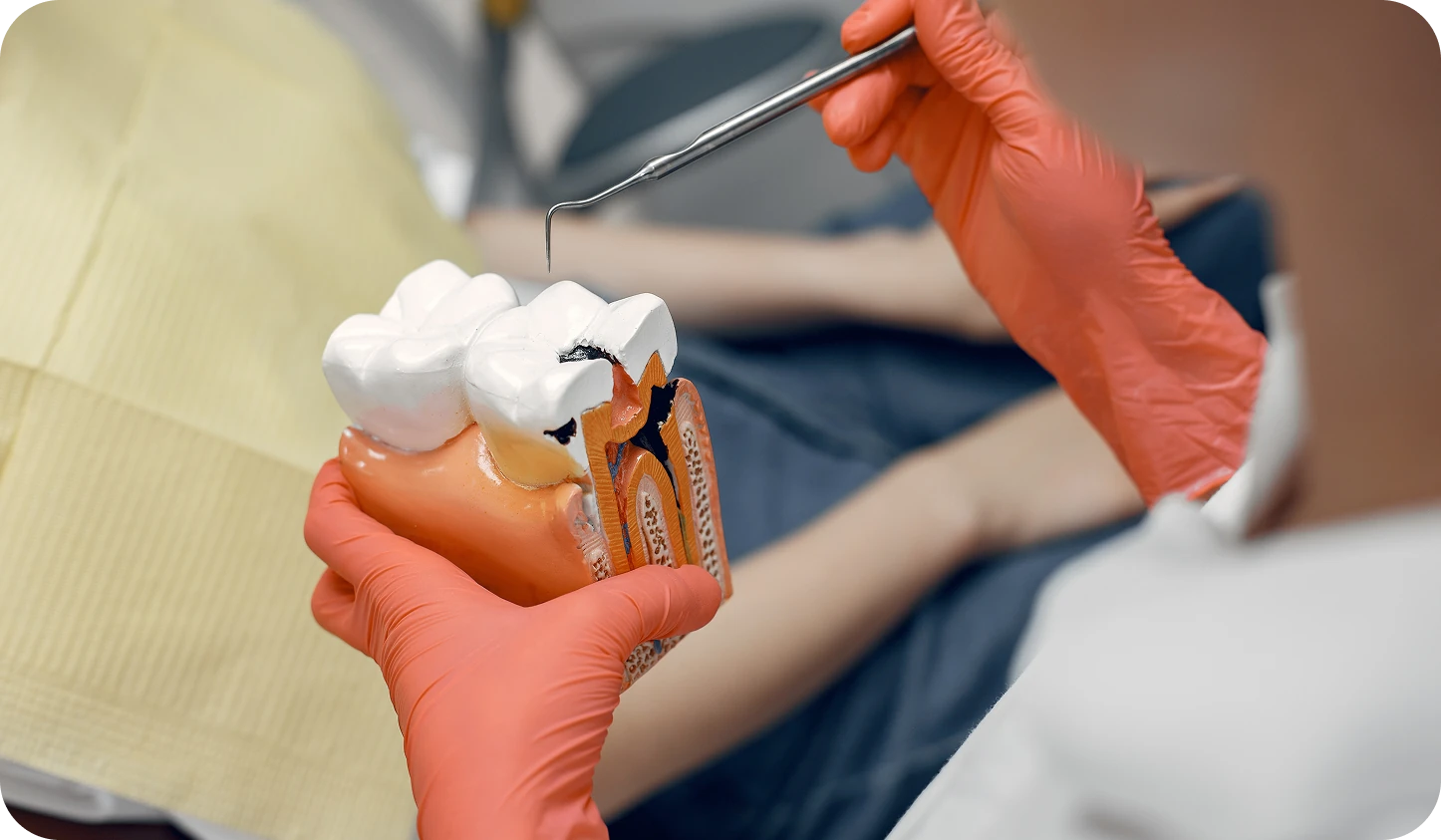
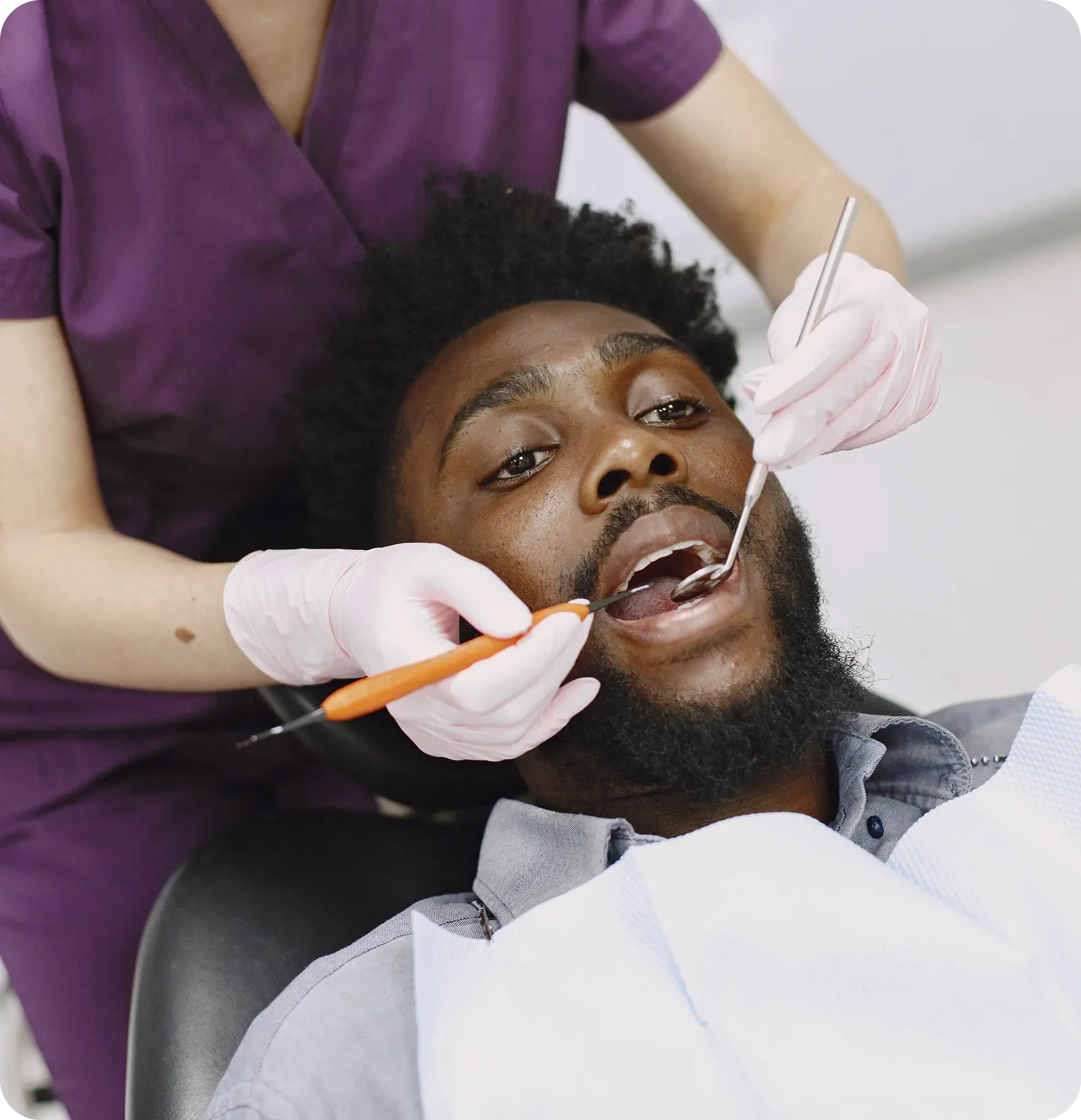
Treatment for dental trauma depends on several key factors, including the type and severity of the injury, how quickly care is sought, and the patient’s age and overall oral health. Treatment may include:
Does Dental Trauma Treatment Hurt?
Dental trauma treatment is intended to minimize discomfort. Most pain comes from the injury itself, not the care.

Important Information for
CDCP Patients
Treatment under the Canadian Dental Care Plan is not fully covered. A co-payment will apply.

What Happens If Dental Trauma Is Left Untreated?
Dental Trauma in Children vs. Adults
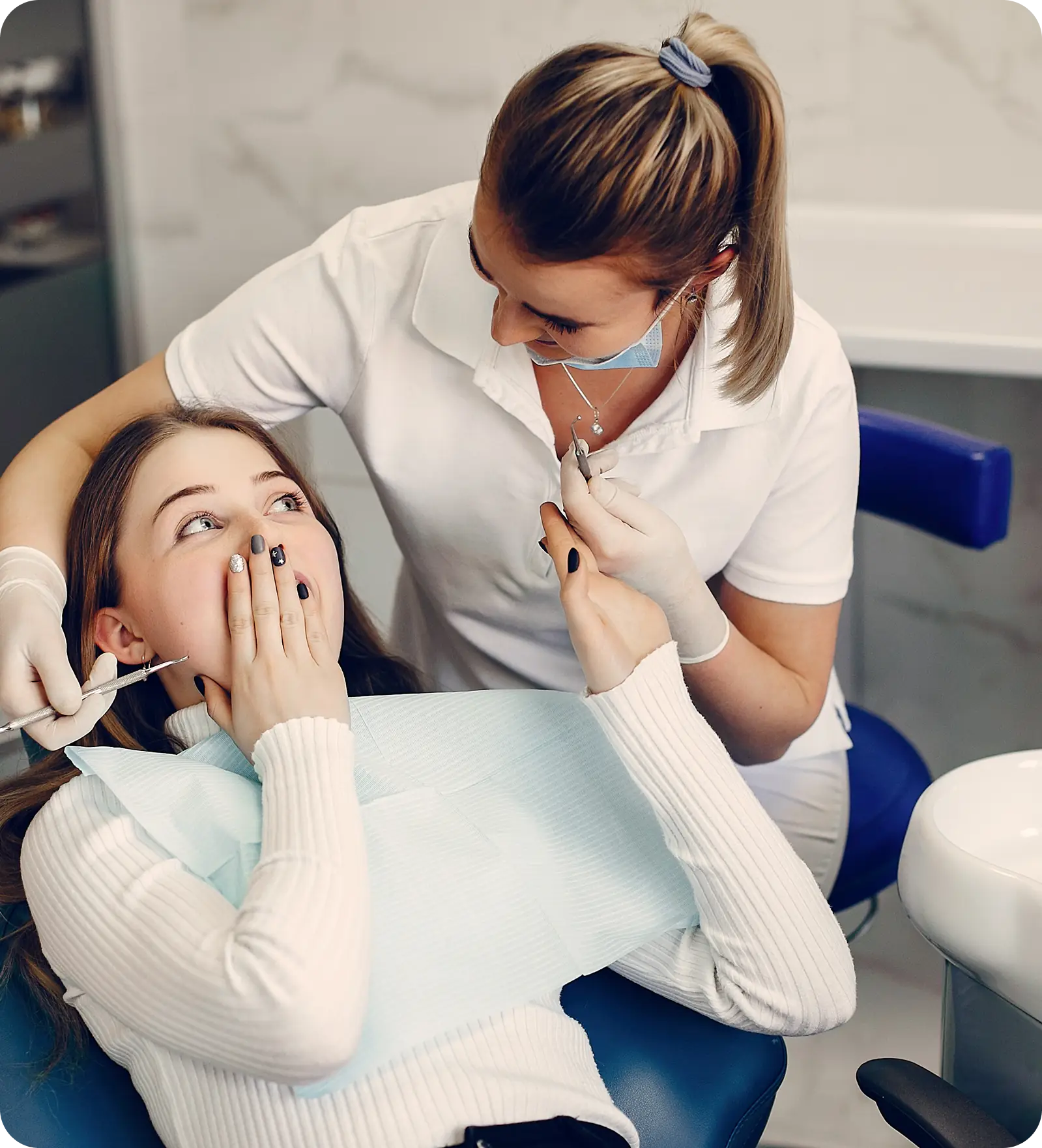
Dental injuries affect children and adults differently. Age, tooth type, and growth factors influence treatment decisions. Early evaluation is crucial for both groups, even if injuries seem minor.

Confident Smiles Start Here — Book Your Visit Today
Recovery and Follow-Up After Dental Trauma
Preventing Dental Injuries
Preventing dental injuries is an essential part of maintaining long-term oral health. Taking proactive measures may reduce the risk of trauma during sports, daily activities, and at home, while protecting teeth, gums, and soft tissues from avoidable damage.
Choosing the Right Dentist for Dental Trauma Care in Yaletown
When dental injuries happen, having the right team makes all the difference. Timely assessment and appropriate care can play an important role in protecting teeth and supporting recovery after dental injuries.
What Our Cosmetic Patients Are Saying?
- Friendly, welcoming, capable staff. Clean environment and positive energy! The dental hygienist, Amir, was a delight, and incredibly efficient and exacting in his work. They were on time and I was in and out in an hour.
- Awesome as always!!!
- Very welcoming clinic to go, for both doctors and staff. They made the dental treatment less stressful for me, happy I chose them. Especially for Amir, who is very warm and professional, I am very glad to have him as my dentist, strongly recommended.
- I had a wonderful experience at this clinic! The entire team was incredibly attentive and helpful. Everything about my issue and the required treatment plan was explained clearly to me. The dental hygienist was top-notch, making me feel calm and genuinely cared for throughout the entire appointment. Thank you so much to the whole team for such warm and professional service!
- Awesome experience, very detailed on ensuring you leave with clean teeth.
- This dentist office is so clean, professional and welcoming. Everyone was great!


Final Thoughts – Prompt Dental Trauma Care Makes a Difference
Dental injuries can happen unexpectedly, and acting quickly makes a real difference in protecting your teeth and smile. Timely care may help improve outcomes and prevent complications. If you experience dental trauma in Yaletown, Downtown Vancouver, or nearby areas, reach out immediately.
Our team at Yaletown Dental Boutique is ready to provide prompt emergency dental care. Call us, book online, or visit our clinic to arrange prompt evaluation and appropriate care.
Visit Us
Contact
info@yaletown.dental
205 Smithe Street
Vancouver, BC V6B 2P4
Hours
Mon–Fri: 9:00 am – 5:00 pm
Saturday: 9:00 am – 4:00 pm
Sunday: Closed
FAQs
What counts as a dental emergency?
Will dental trauma treatment hurt?
What happens if a dental injury is left untreated?
How is a fractured or cracked tooth treated?
Can a tooth that is pushed out of position be saved?
What if my child injures a baby tooth?
Should I go to the ER or a dentist for dental trauma?

Request an Appointment Now!