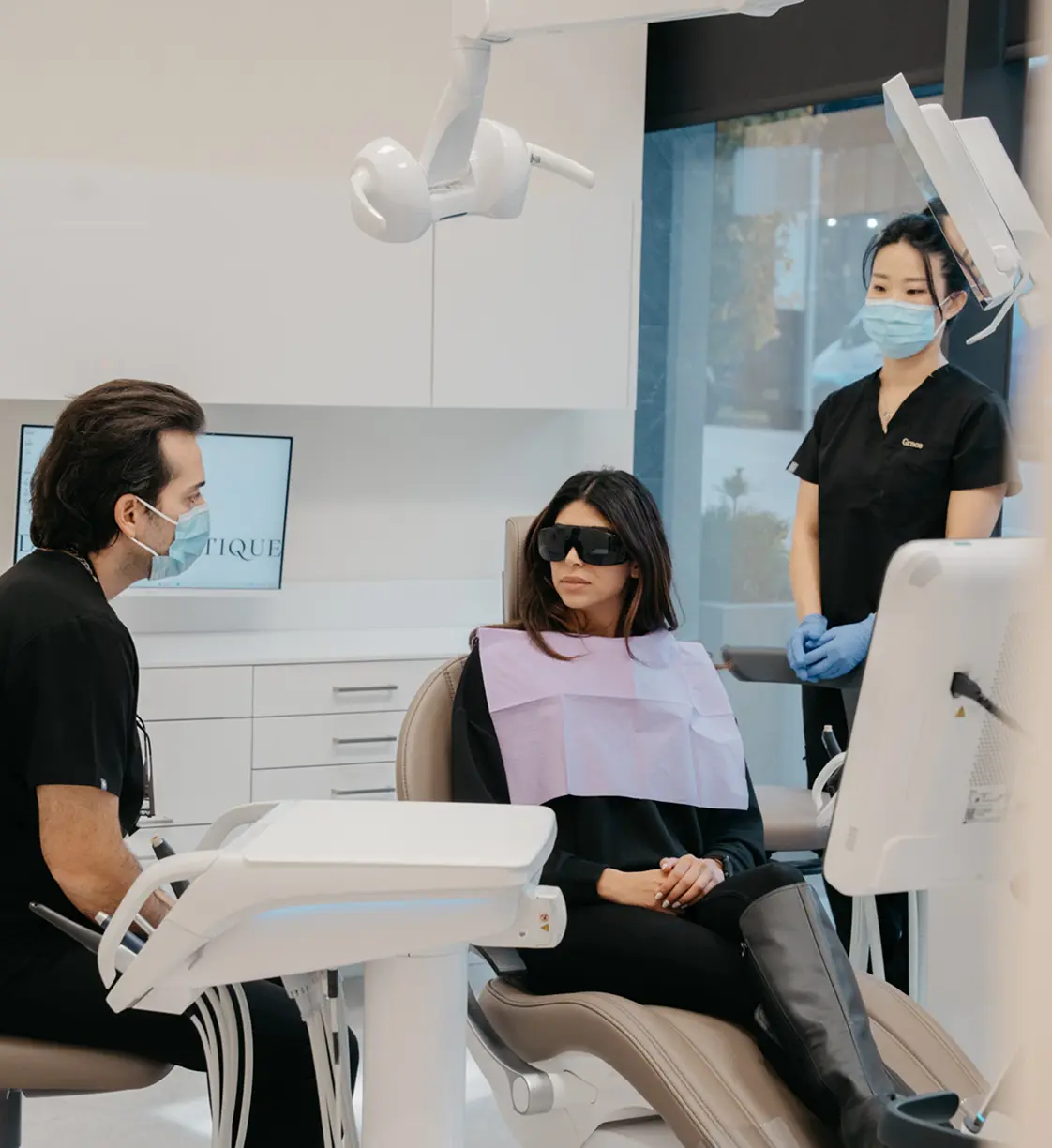

Dental Technology in Yaletown
Digital dentistry can help improve diagnostic accuracy, treatment planning, and patient comfort. Yaletown Dental Boutique combines modern dental technology with personalized care for patients in Yaletown.
 Rated as “Excellent” (130 reviews)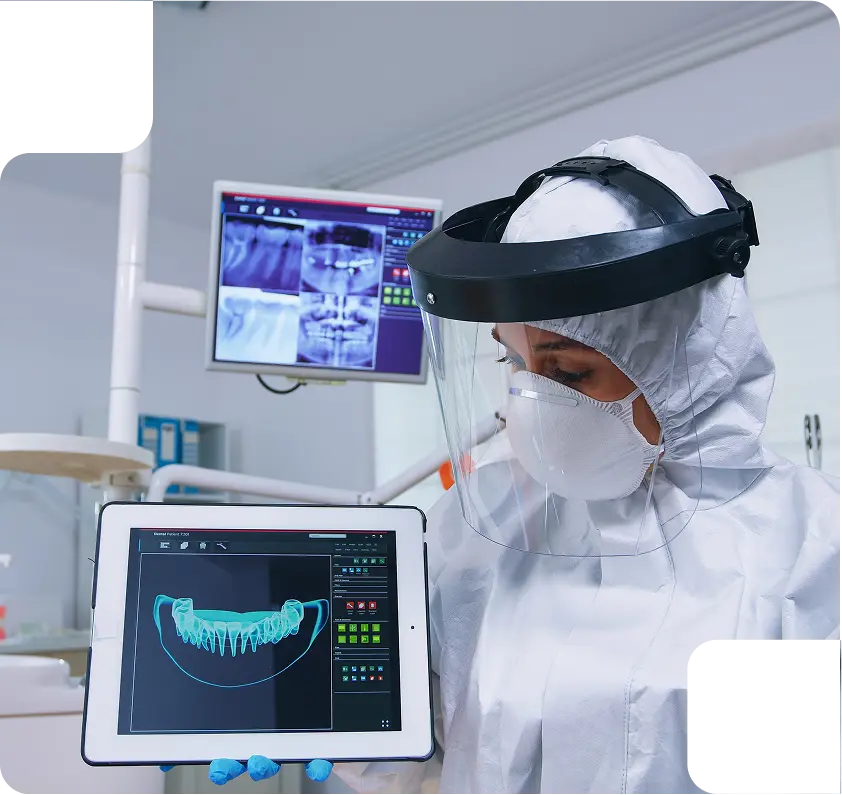
Does Modern Dental Technology Really Make a Difference?
Modern dental technology can provide dentists with detailed visual information and support more efficient communication, diagnosis and treatment planning. Its value depends on the patient’s needs, the procedure being considered and how the information is interpreted by the dentist.
Begin Your Smile Journey
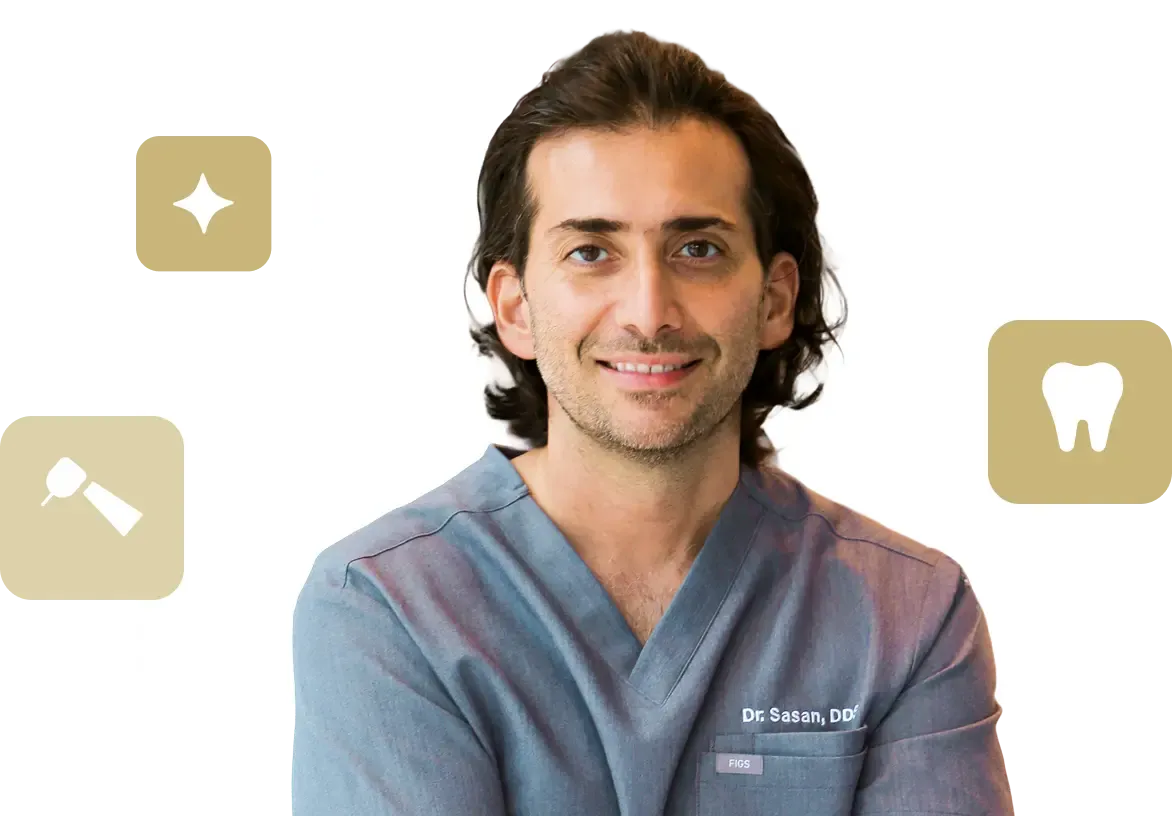
with Dr. Hadianfar
Dr. Sasan Hadianfar, General Dentist
What Is Dental Technology?
Dental technology refers to the modern tools, digital systems, and equipment dentists use to:

Diagnose Dental Problems
Digital imaging and diagnostic tools help dentists examine teeth, gums, and surrounding structures more clearly, supporting earlier detection of cavities, infections, fractures, and other oral health concerns.

Plan Treatments with Precision
Modern dental technology allows dentists to create detailed digital treatment plans that support accuracy, improve communication, and help patients better understand recommended procedures and expected treatment processes.
Perform Procedures More Accurately
Advanced dental systems and digital tools can support precision during restorative, cosmetic, and surgical procedures, helping improve efficiency and reduce the need for manual adjustments in some cases.

Improve Patient Comfort and Safety
Modern dental technology may create a more comfortable patient experience through digital impressions, low-radiation imaging, efficient workflows, and carefully designed systems focused on safety and patient-centered care.
Digital X-Rays vs. Traditional X-Rays – What’s the Difference?
Both digital and film-based dental X-rays produce images that help dentists examine teeth and surrounding structures. The main differences involve how the images are captured, processed, viewed and stored.
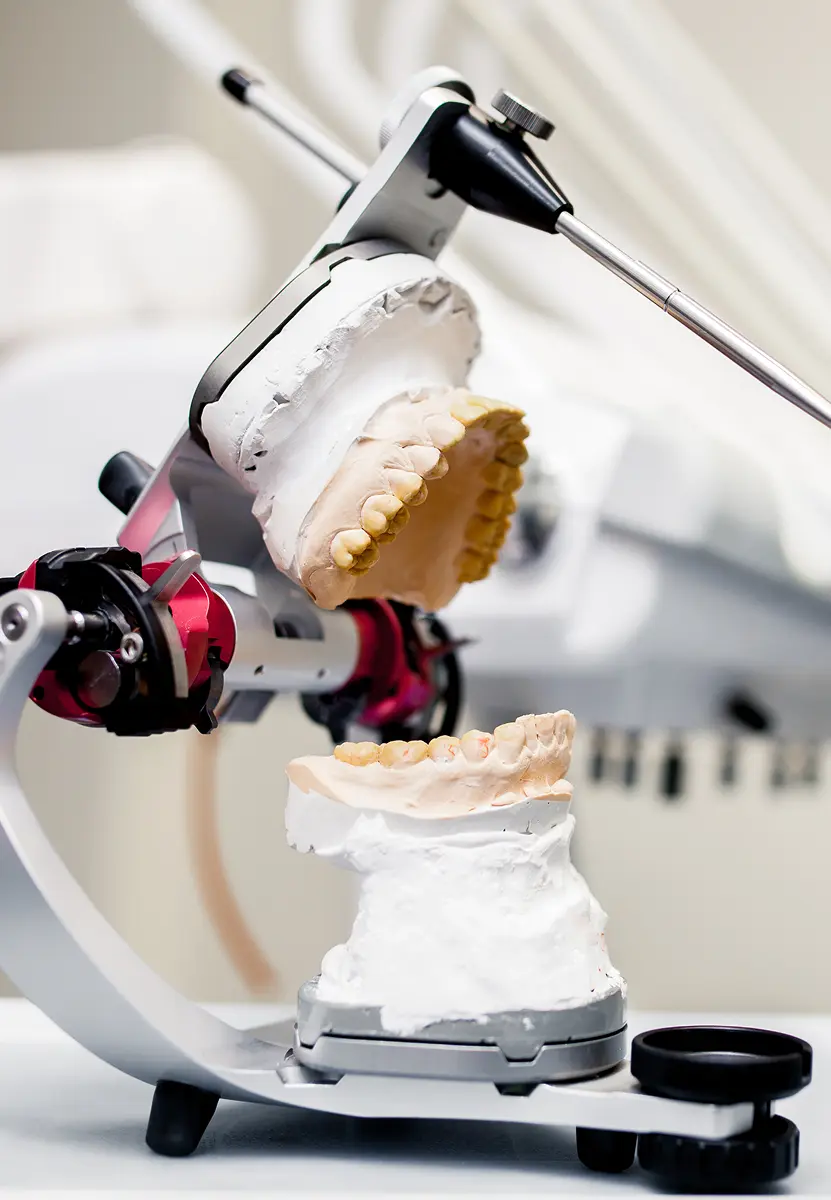
What Is an Intraoral Scanner?
Modern dental technology continues to improve how dentists capture impressions. An intraoral scanner offers a more digital and efficient alternative to traditional impressions.
How Can Dental Technology Support Treatment Planning and Care?
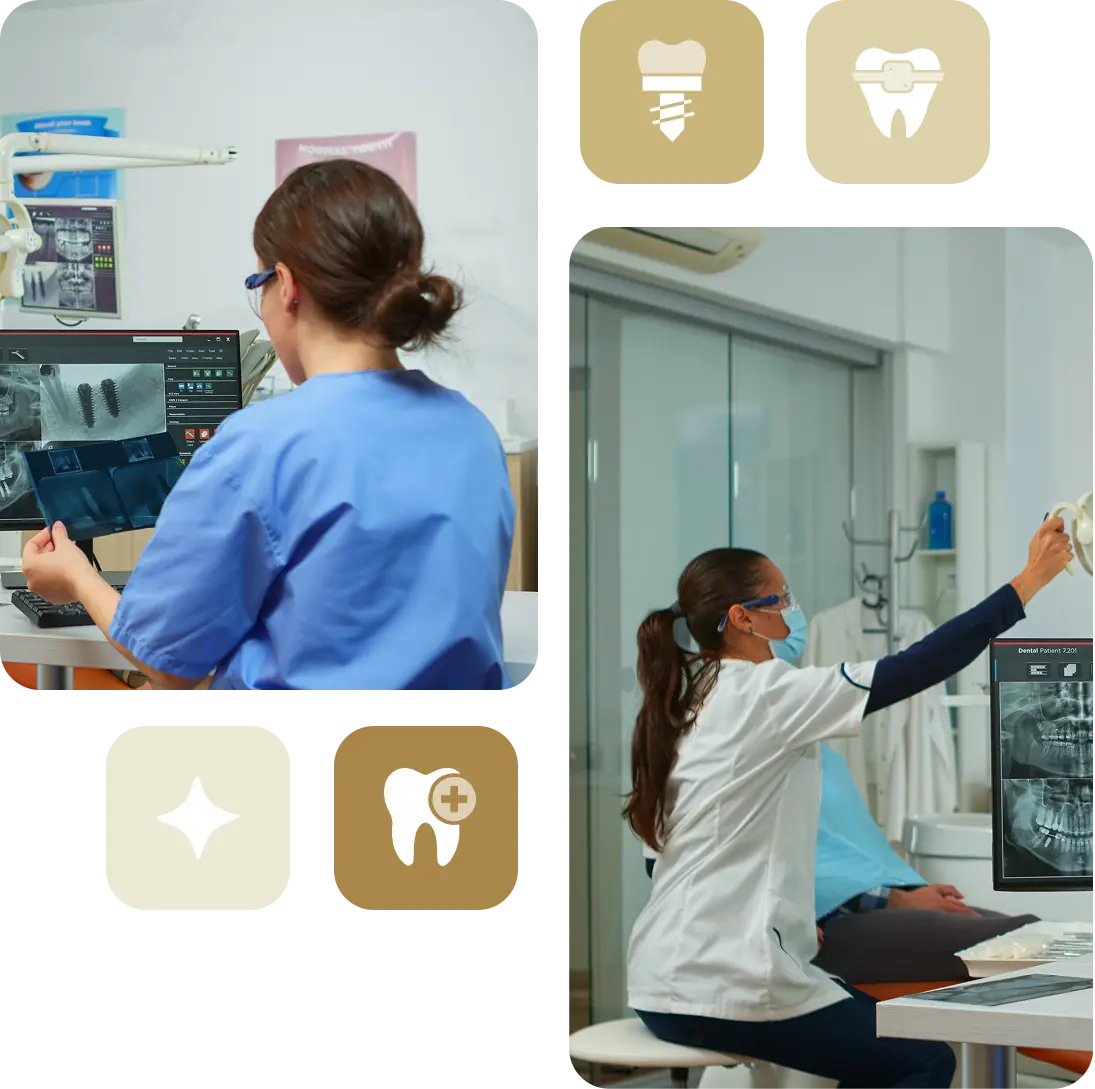
Modern dental technology can provide detailed information that assists the dentist during diagnosis, planning and treatment. Depending on the procedure, digital tools may support:

Detailed Treatment Planning
Digital X-rays, intraoral scans and three-dimensional imaging can provide measurements and visual information that help the dentist assess anatomy and plan treatment.

Digital Impressions for Restorations
Intraoral scans may be used to create digital models for crowns, veneers, bridges, clear aligners and implant restorations. The quality and fit of the final restoration also depend on clinical preparation, design, materials and laboratory fabrication.

More Efficient Workflows
Digital records can sometimes shorten image processing, impression-taking or communication with a dental laboratory. The total treatment time still varies according to the procedure and the patient’s needs.

Easier Review and Communication
Images and scans can be enlarged, measured and reviewed with patients, helping them understand their condition and the proposed treatment.

Aesthetic Planning
Digital scans and photographs may assist with evaluating tooth shape, alignment and proportion when planning cosmetic or restorative care. Results vary according to the clinical situation and treatment selected.
Is Dental Technology Safe?
Modern dental technology is designed to support patient care through improved diagnostics and imaging. Many patients have questions about safety, especially when digital imaging and newer technologies are involved.
How Can Modern Dental Technology Support Patient Care?
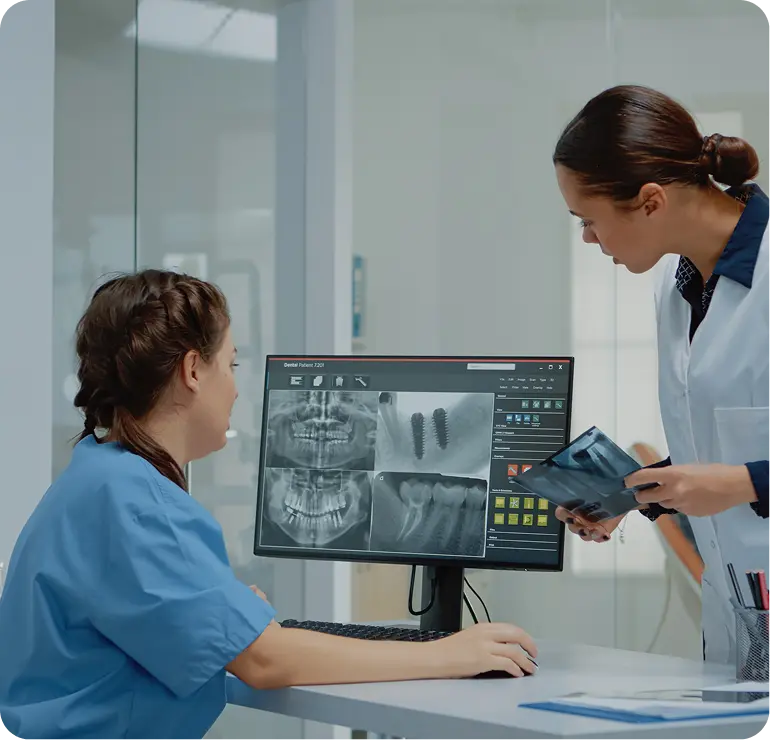
Good dental care depends first on clinical judgment, professional skill, and treatment tailored to the individual patient. Modern technology can complement that care by providing additional information and supporting more efficient digital workflows.
Important Information for
CDCP Patients
Treatment under the Canadian Dental Care Plan is not fully covered. A co-payment will apply.

Dental Technology Available at Yaletown Dental Boutique
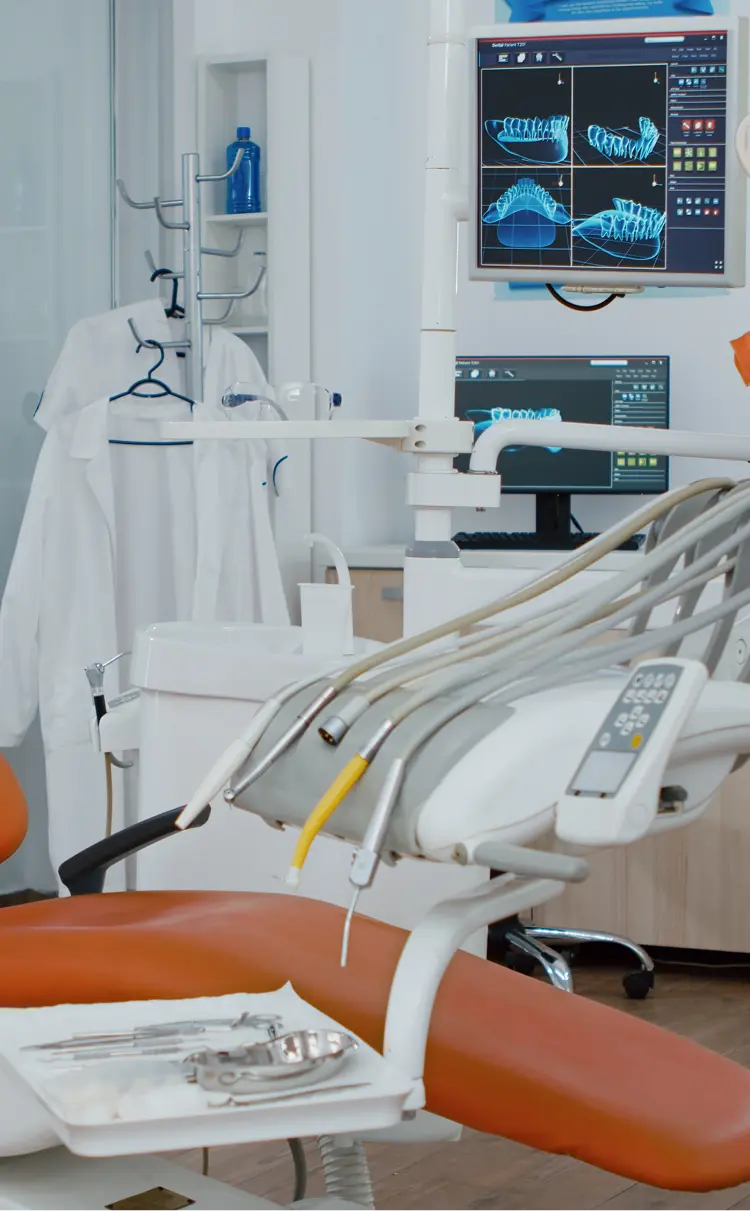
Yaletown Dental Boutique uses a range of diagnostic and treatment-support technologies according to each patient’s clinical needs.

Digital and Panoramic X-Rays
Digital sensors and panoramic imaging help our team examine individual teeth, the jaws and surrounding oral structures when radiographs are clinically indicated.

CBCT Three-Dimensional Imaging
Cone beam computed tomography may be used when three-dimensional information is needed for procedures such as implant planning, oral surgery, orthodontics or selected endodontic assessments. Because CBCT involves radiation exposure, it is prescribed only when its diagnostic benefit is appropriate for the individual case.

iTero Intraoral Scanning
The iTero scanner creates digital models of the teeth and bite. It may be used for clear aligners, restorative planning, digital impressions and patient education.

Intraoral Camera
A small camera allows close-up images of teeth and gums to be displayed on a screen, helping patients see the areas being examined.

NIRI Caries-Detection Support
Near-infrared imaging available through the iTero system may provide additional visual information when the dentist evaluates certain areas for possible decay. It supports, rather than replaces, clinical examination and appropriate radiographs.

Technology for Implant and Surgical Planning
Digital imaging, surgical guides, implant equipment with torque control and piezoelectric surgical technology may be incorporated into selected implant and oral-surgery procedures.
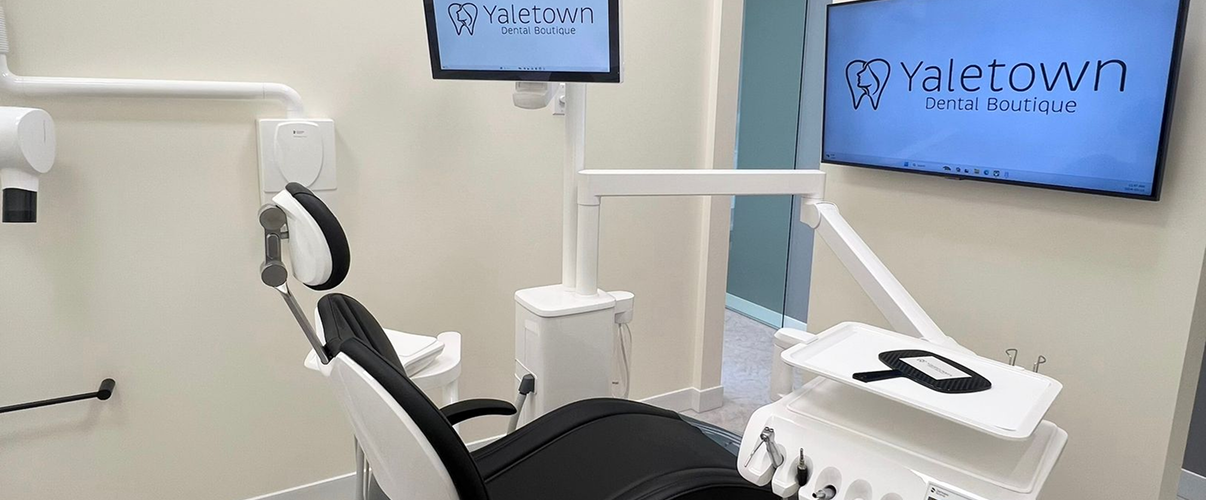
How Dental Technology Fits Into Everyday Dentistry

Confident Smiles Start Here — Book Your Visit Today
Choosing a Technology-Focused Dentist in Yaletown
Choosing a dental clinic involves more than selecting available treatments or convenient appointment times. Many patients also look for a practice that combines clinical experience with modern technology. At Yaletown Dental Boutique, we use digital technology thoughtfully to help support patient education and a more comfortable dental experience.
What Our Patients Are Saying?
- Friendly, welcoming, capable staff. Clean environment and positive energy! The dental hygienist, Amir, was a delight, and incredibly efficient and exacting in his work. They were on time and I was in and out in an hour.
- Awesome as always!!!
- Very welcoming clinic to go, for both doctors and staff. They made the dental treatment less stressful for me, happy I chose them. Especially for Amir, who is very warm and professional, I am very glad to have him as my dentist, strongly recommended.
- I had a wonderful experience at this clinic! The entire team was incredibly attentive and helpful. Everything about my issue and the required treatment plan was explained clearly to me. The dental hygienist was top-notch, making me feel calm and genuinely cared for throughout the entire appointment. Thank you so much to the whole team for such warm and professional service!
- Awesome experience, very detailed on ensuring you leave with clean teeth.
- This dentist office is so clean, professional and welcoming. Everyone was great!


Frequently Asked Questions About Dental Technology
Is dental technology necessary for good treatment?
Good dental treatment is primarily based on clinical expertise, careful diagnosis and treatment. Dental technology is not strictly necessary, but it may support improved accuracy, communication, and efficiency in many modern dental procedures.
Are digital X-rays safe?
Does technology make dental treatment faster?
Do all dentists use intraoral scanners?
Is high-tech dentistry more expensive?
Does technology replace the dentist?
Final Thoughts – Better Dentistry Through Better Technology
Modern dental technology is intended to support diagnosis, treatment planning, patient communication and clinical care while keeping the experience as clear and patient-focused as possible. Rather than making dentistry more complicated, digital tools can provide additional visual information and support efficient workflows when they are appropriate for the patient and procedure.
At Yaletown Dental Boutique, modern digital systems are thoughtfully integrated into everyday care to help patients feel informed and supported throughout their visit. If you are exploring dental care in Yaletown and want to learn more about how modern technology may support your treatment experience, we welcome you to connect with our team.
Visit Us
Contact
info@yaletown.dental
205 Smithe Street
Vancouver, BC V6B 2P4
Hours
Mon–Fri: 9:00 am – 5:00 pm
Saturday: 9:00 am – 4:00 pm
Sunday: Closed

Request an Appointment Now!