

Dental Abscess Treatment in Yaletown

Prompt Assessment and Care for Dental Abscesses

Severe tooth pain, swelling, and pressure can be alarming, especially when symptoms worsen quickly or affect daily comfort. A dental abscess is an active infection that usually requires prompt professional treatment to help relieve pain and reduce the risk of the infection spreading.
Yaletown Dental Boutique provides emergency dental abscess treatment in Yaletown, including abscess assessment, drainage, and infection-focused dental care for urgent situations.

Rated as “Excellent” (130 reviews)

1 min read

A dental abscess is an infection that can cause tooth pain, swelling, and pressure and often requires prompt dental care. It may not resolve on its own and can worsen or spread if left untreated. Treatment, which may include drainage and infection management, can help relieve symptoms and reduce the risk of complications. Yaletown Dental Boutique provides assessment and treatment for dental abscess symptoms in Yaletown and nearby Vancouver areas.

Is a Dental Abscess a Dental Emergency?

A dental abscess is generally considered a dental emergency. It is a sign of active infection that can worsen quickly and spread if not treated promptly. Recognizing the warning signs early and seeking immediate care may help with symptom management and treatment planning.

Severe Pain and Pressure Signal Urgency

Severe, throbbing tooth pain or pressure is a key warning sign of a dental abscess. This type of pain often worsens quickly and indicates infection deep within the tooth or gums.

Swelling, Pus, or Bad Taste in the Mouth Are Signs of Infection

Swelling in the gums, face, or jaw, along with pus or a persistent bad taste, suggests active infection. These symptoms mean the abscess is progressing and requires prompt professional attention.

Fever or Spreading Pain Indicates Infection Risk

Fever, fatigue, or pain spreading to the ear, neck, or jaw can signal that the infection is advancing beyond the tooth. This increases the risk of more serious health complications.

Why Immediate Treatment Is Essential

A dental abscess typically does not resolve on its own. Antibiotics alone are often not sufficient, and delaying care allows the infection to spread. Timely dental treatment is typically required to help control and manage the infection.

What to Do Immediately If You Suspect a Dental Abscess?

If you think you may have a dental abscess, knowing what to do right away can help prevent the infection from getting worse. The steps below will guide you on what to avoid, what may offer temporary relief, and when to seek urgent dental care.

Do Not Ignore Symptoms or Wait for Them to Pass

If you notice tooth pain, swelling, pressure, or sensitivity, do not ignore it or assume it will improve on its own. Dental abscesses are infections that can progress, and early treatment may help reduce pain and lower the risk of complications.

Avoid Applying Heat to the Affected Area

Do not apply heat or hot compresses to the swollen area. While it may feel soothing at first, heat may increase inflammation and discomfort and is generally not recommended for dental abscess swelling.

Rinse Gently With Warm Salt Water

Gently rinse your mouth with warm salt water to help reduce bacteria and keep the area clean. This can provide mild, temporary relief, but it does not treat the infection itself and should only be used as supportive care before professional treatment.

Do Not Attempt to Drain the Abscess Yourself

Never try to pop, poke, or drain a dental abscess at home. This can push bacteria deeper into surrounding tissues, worsen the infection, and may increase the risk of possible complications that require more complex dental or medical treatment.

Use Pain Relievers Only as Directed

Over-the-counter pain relievers can help manage discomfort temporarily, but they do not treat the infection. Always follow dosage instructions carefully and avoid overuse, as masking pain should not delay urgent dental evaluation and proper treatment.

Seek Emergency Dental Care as Soon as Possible

Contact a dental professional promptly if you suspect an abscess. Prompt care is critical to control the infection, relieve pain, and prevent it from spreading to other areas of the jaw, face, or body where it can become more serious.

Begin Your Smile Journey

with Dr. Hadianfar

Dr. Sasan Hadianfar, General Dentist

What Is a Dental Abscess?

A dental abscess is more than just a painful tooth problem. It is an active infection that builds pressure inside the tooth or gums. The sections below explain how it forms, what causes it, and the main types.

A Pocket of Infection Inside the Tooth or Gums

A dental abscess is a localized pocket of infection filled with pus that forms within the tooth, root, or surrounding gum tissue, often leading to significant discomfort, swelling, and increased sensitivity in the affected area.

How Bacteria Cause an Abscess

A dental abscess develops when bacteria enter through a cavity, crack, or diseased gums, leading to infection. As pressure builds within the enclosed space, it results in throbbing pain, swelling, and increasing discomfort over time.

Types of Dental Abscesses

The most common types include periapical abscesses, which form at the tip of the tooth root, and periodontal abscesses, which develop in the gums and supporting structures surrounding the teeth.

Common Causes of Dental Abscesses

Dental abscesses often develop from underlying dental issues that worsen over time. The common causes are:

Untreated Cavities Allow Bacteria to Spread

Untreated cavities gradually break down the outer layer of the tooth, creating an opening for bacteria to reach deeper structures. As decay progresses, infection can reach the pulp or root, leading to abscess formation.

Cracked or Broken Teeth Create Entry Points

Cracked or broken teeth expose the inner layers of the tooth to bacteria. Even small or unnoticed fractures can become pathways for infection, allowing bacteria to enter and eventually cause a painful abscess to develop.

Failed Fillings or Crowns Can Lead to Infection

Fillings in Yaletown and crowns can wear down, loosen, or become damaged over time. When this happens, bacteria can seep underneath, leading to decay and infection inside the tooth, which may result in a dental abscess.

Gum Disease Weakens Supporting Tissues

Gum disease causes inflammation and creates pockets between the teeth and gums where bacteria thrive. As the condition worsens, infection can spread into deeper tissues, increasing the risk of a periodontal abscess forming.

Dental Trauma Can Trigger Infection

Injuries from accidents, sports, or biting hard objects can damage teeth internally or externally. This damage may expose sensitive inner tissue, allowing bacteria to enter and cause infection that can develop into an abscess.

Delayed or Avoided Dental Care Increases Risk

Avoiding regular dental visits or ignoring early warning signs like sensitivity or mild discomfort allows dental issues to worsen. Without timely care, minor problems can progress into infections that eventually form dental abscesses.

How Dental Abscess Drainage and Treatment Works?

Treatment for a dental abscess is focused on relieving symptoms and addressing the source of infection where possible. At Yaletown Dental Boutique, we take a careful, step-by-step approach to manage the abscess using appropriate clinical care and support proper healing from the very start.

1

Initial Assessment of the Abscess

We begin by carefully examining the abscess, including its location, size, and severity. We also consider your overall oral health to determine an appropriate treatment approach.

2

Gentle Drainage to Relieve Pressure

We perform gentle drainage of the abscess to release built-up pus and pressure. This step may help reduce pain and the risk of the infection spreading.

3

Cleaning and Infection Control

After drainage, we thoroughly clean the infected area to remove bacteria and debris. This step is important for helping control infection and supporting proper healing of the surrounding tissues.

4

Additional Dental Treatment if Required

Depending on the condition, we may recommend antibiotics, root canal treatment, or tooth extraction. These steps help address the infection and its source and protect your overall oral health.

5

Follow-Up Care and Healing Monitoring

We guide you through recovery with follow-up visits to monitor healing and check for concerns. In many cases, some patients may notice relief after treatment.

Important Information for

CDCP Patients

Treatment under the Canadian Dental Care Plan is not fully covered. A co-payment will apply.

Does Dental Abscess Drainage Hurt?

Dental abscess drainage is performed with local anesthesia to ensure the area is numbed before treatment begins. Most of the discomfort patients feel actually comes from the infection itself rather than the procedure. Once pressure is relieved, some patients may experience improvement in pain. Here’s what patients should know about comfort during and after the procedure:

  • Local anesthesia is used to fully numb the area
  • Pain is typically caused by infection, not the procedure
  • Pressure relief may reduce pain
  • Mild post-treatment soreness can occur and usually improves over time
  • Care is provided in a calm, supportive environment

What Happens If a Dental Abscess Is Left Untreated?

A dental abscess is an infection that can worsen quickly without treatment. What starts as localized pain or swelling can spread beyond the tooth and affect surrounding areas.
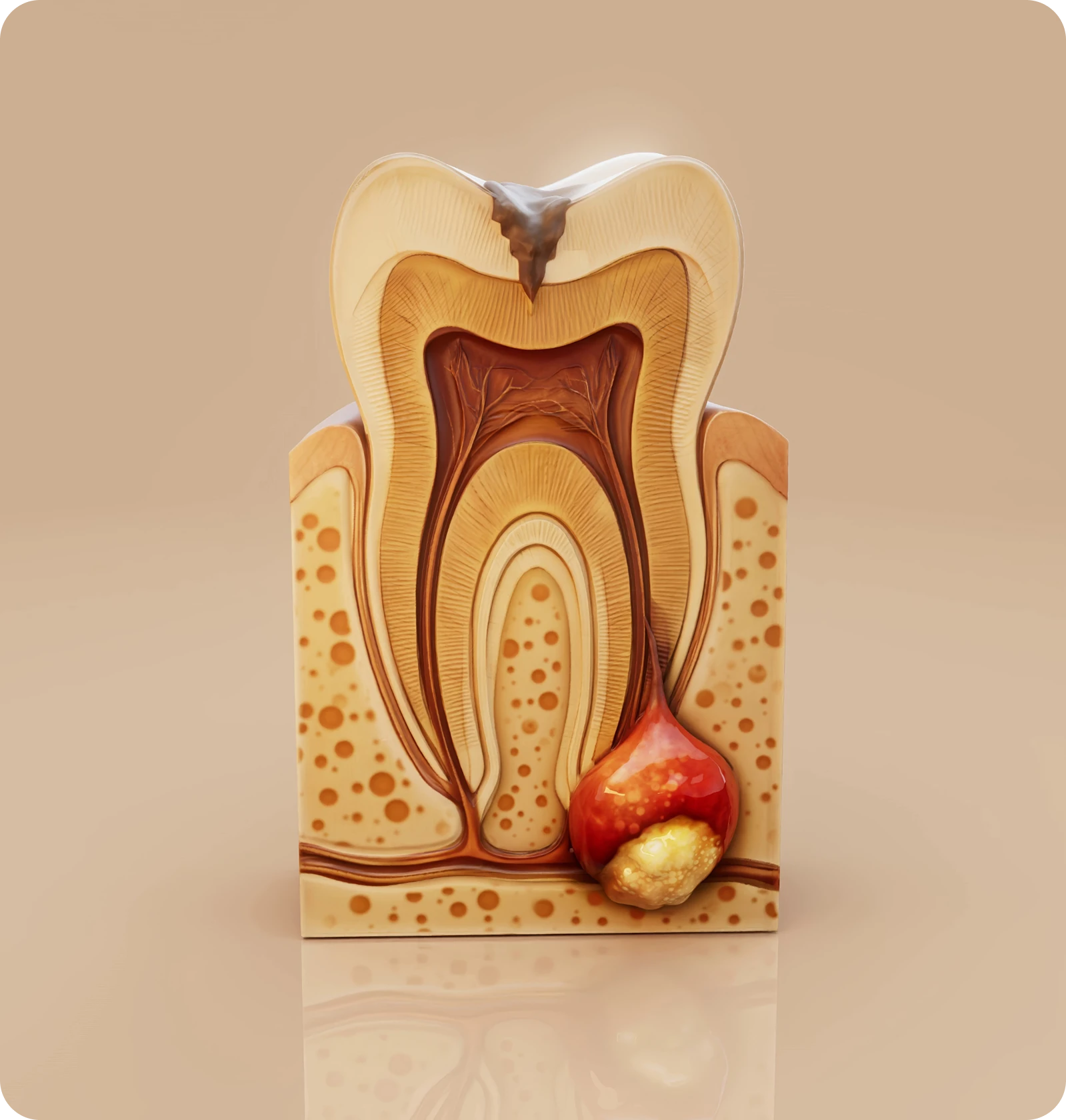
If ignored, the infection may extend to the jaw, face, or bloodstream and lead to health risks. This can result in permanent damage and may require urgent medical intervention.

Prompt treatment may reduce the risk of these outcomes:

Infection can spread from the tooth into surrounding jaw and facial tissues, making swelling and pain more severe and harder to control

The affected tooth may become too damaged to save, resulting in eventual tooth loss and the need for replacement options

Ongoing infection can weaken and destroy surrounding bone structure, affecting long-term oral health and stability of nearby teeth

In rare cases, bacteria can enter the bloodstream, leading to serious systemic infections that may require hospital-based treatment

Dental Abscesses in Children vs. Adults

The impact of a dental abscess can differ depending on age. From developing teeth in children to long-standing dental issues in adults, both require careful and timely attention.

Dental Abscesses in Children

Purpose: Dental abscesses in children require prompt attention because infections can affect both baby and developing permanent teeth.

  • Infections can damage developing tooth buds, potentially affecting how permanent teeth erupt and align later in life
  • Pain and swelling may interfere with eating, sleeping, and overall comfort, impacting a child’s daily well-being
  • Untreated infections can spread quickly in smaller oral structures, increasing the risk of more complications
  • Early evaluation helps support long-term dental development and may reduce the risk of tooth loss or damage
  • Prompt care also helps reduce anxiety in children by helping address pain that may affect eating or sleep

Dental Abscesses in Adults

Purpose: In adults, dental abscesses often develop from long-standing dental issues and can lead to more complex restorative needs if delayed.

  • Abscesses in adults are commonly linked to untreated decay, failed dental work, or advanced gum disease
  • Infection can spread to surrounding bone and tissues, making treatment more complex if not addressed early
  • Delayed care increases the likelihood of tooth loss and the need for procedures like root canals or extractions
  • Prompt treatment may help preserve natural teeth when possible and reduce the risk of infection affecting overall oral health and comfort
  • Addressing infection early may also reduce the risk of future abscesses and long-term structural damage to surrounding teeth

Confident Smiles Start Here — Book Your Visit Today

Achieve the smile you deserve with personalized, gentle dental care tailored to your needs and comfort.

Recovery and Follow-Up After Abscess Treatment

Healing after a dental abscess treatment is usually straightforward, but it is important to understand what to expect in the days that follow. Recovery focuses on reducing infection, easing discomfort, and making sure the area heals properly. Here are the key points to keep in mind during this phase:

Pain may begin to improve within 24 to 48 hours, depending on the case

Swelling gradually reduces over several days as the infection is brought under control

Completing prescribed antibiotics, when given, helps manage remaining bacteria

Follow-up appointments confirm proper healing and ensure the infection has not returned

Additional treatment may be recommended if underlying dental issues still need correction

Preventive care and good oral hygiene help reduce the risk of future abscess formation

Recovery after a dental abscess may involve more than one visit, especially when additional restorative treatment is needed to fully address the source of infection and help prevent recurrence.

Preventing Dental Abscesses

Preventing a dental abscess starts with consistent oral care and paying attention to early warning signs before they develop into serious infections.

Regular Dental Checkups and Cleanings

Routine dental checkups and professional cleanings help detect early signs of decay or infection before they worsen. Regular visits may help identify and address issues early, which can reduce the risk of developing dental abscesses over time.

Treating Cavities and Decay Early

Addressing cavities as soon as they appear prevents bacteria from spreading deeper into the tooth. Early treatment may help stop infection at its source and may lower the chance of abscess formation in the future.

Managing Gum Disease Effectively

Gum disease creates pockets where bacteria can accumulate and cause infection. Proper management through cleaning, treatment, and good oral hygiene supports gum health and reduces the likelihood of periodontal abscesses forming.

Protecting Teeth and Listening to Symptoms

Protecting teeth from injury and not ignoring ongoing sensitivity or pain is important. Early attention to discomfort may help identify underlying issues and reduce the likelihood of minor problems developing into more serious infections or dental abscesses.

Preventive Care Reminder: Preventing dental abscesses is always easier than treating them after they develop. Consistent oral hygiene, regular dental visits, and early intervention for any signs of discomfort help maintain long-term oral health and reduce emergency situations.

Choosing the Right Dentist for Dental Abscess Treatment in Yaletown

Choosing the right dentist during a dental abscess can make a difference in how quickly you find relief and how effectively the infection is treated.
Expertise Matters in Abscess Treatment

Choosing an experienced dentist can support accurate diagnosis of the abscess, appropriate infection control, and timely treatment. Proper expertise may also improve the chances of preserving the natural tooth, where possible.

Key Factors in Effective Emergency Care

Effective care may involve emergency availability, experience with dental infections, and the ability to manage pain and swelling in a timely manner. Clear communication during urgent situations can help patients feel informed and supported throughout the process. Yaletown Dental Boutique aims to provide prompt attention when it is needed.

Patient-Focused and Compassionate Approach

A patient-first approach focuses on comfort, reassurance, and clear explanations throughout treatment. Compassionate care is especially important during dental emergencies, helping patients feel calm while receiving necessary and timely abscess treatment. Yaletown Dental Boutique aims to provide this level of supportive care for every patient.

What Our Cosmetic Patients Are Saying?

  • Zalha Fazal

    Hands down the best dental services in town. Highly recommend the clinic for anyone wanting to visit a dentist to learn better about maintaining oral health and getting the clean up. Had a wonderful experience with the hygienist Amir who was very patient and did a wonderful job.
  • Travis Battaglia

    always an amazing experience!
  • Camila Pérez ciribe

    Amir a the rest of the team has been incredible today. Best day in the dentist ever!
  • Jenny Wong

    Everyone was so nice and the clinic is brand new 🙂
  • Gurjit Dhadda

    Amir was great! Wonderful service!
  • Eve Plante

    Everything was perfect! 🙂
  • Priyanka Pahari

    First time at this location, I loved the experience. Staff is amazing and so is the service. :))
  • Emilio Suarez

    Very friendly and polite staff. They made Ure I was comfortable

    Frequently Asked Questions About Dental Abscess Treatment in Yaletown

    How painful is a dental abscess?

    Do I need antibiotics for a dental abscess?

    What happens if I ignore a dental abscess?

    How quickly should I see a dentist for an abscess?

    Can a dental abscess spread to other parts of the body?

    Does dental abscess drainage hurt?

    Can a dental abscess go away on its own?

    Prompt Dental Abscess Treatment Protects Your Health

    A dental abscess is a serious infection, but it is generally treatable with prompt care. Early treatment may help relieve pain and reduce the risk of the infection spreading or causing further complications.

    If you are experiencing symptoms in Yaletown, Downtown Vancouver, or nearby areas like False Creek or Coal Harbour, timely dental care may help support recovery and improve comfort.

    Contact Yaletown Dental Boutique to arrange timely assessment and care for dental infection and related symptoms.

    Visit Us

      Contact

      info@yaletown.dental
      205 Smithe Street
      Vancouver, BC V6B 2P4

      Hours

      Mon–Fri: 9:00 am – 5:00 pm
      Saturday: 9:00 am – 4:00 pm
      Sunday: Closed

    Request an Appointment Now!