
Bone Grafting for Dental Implants in Yaletown

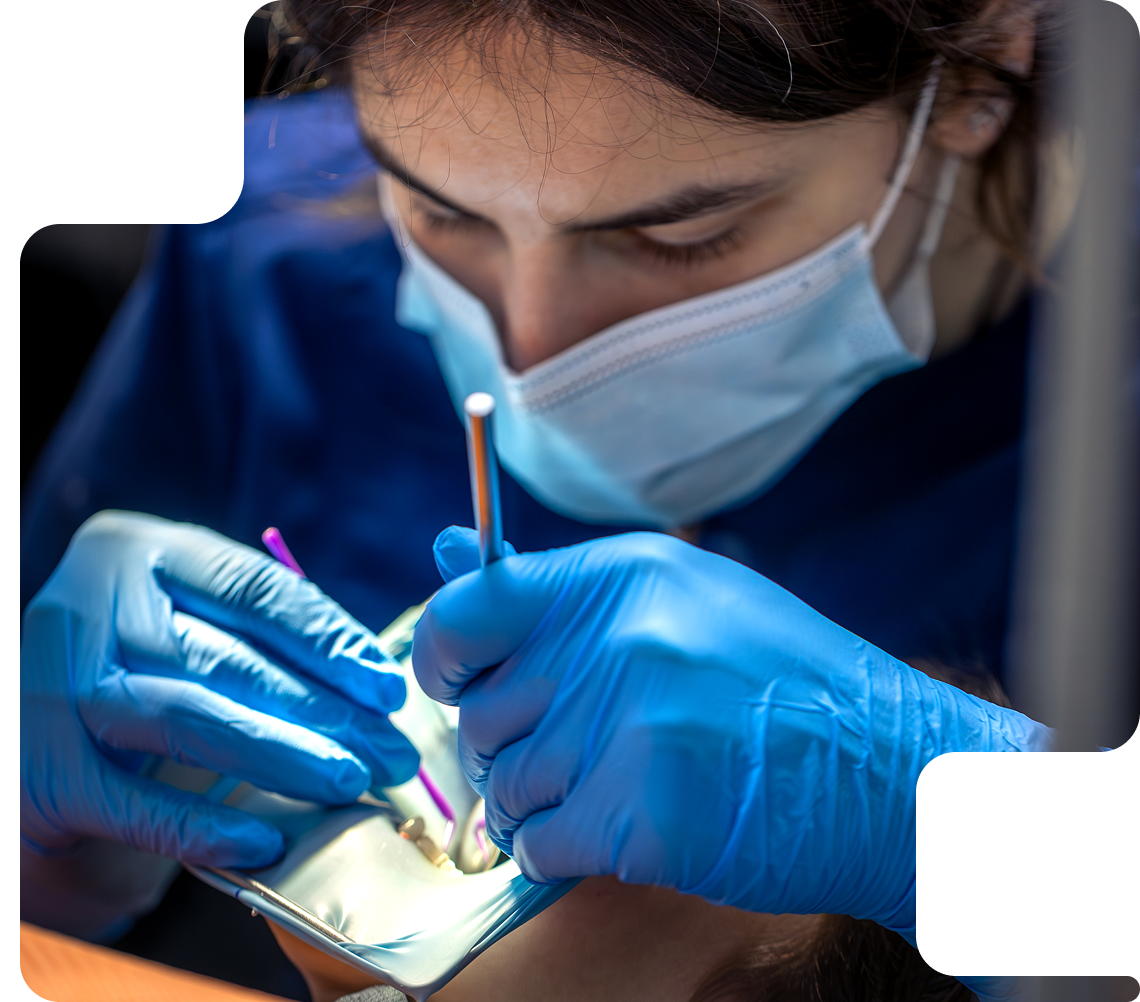
Bone grafting is a restorative dental procedure that rebuilds and strengthens areas of the jaw where bone has been lost due to tooth loss, gum disease, or natural bone shrinkage over time.

A healthy jawbone is essential for supporting dental implants and maintaining long-term oral health.

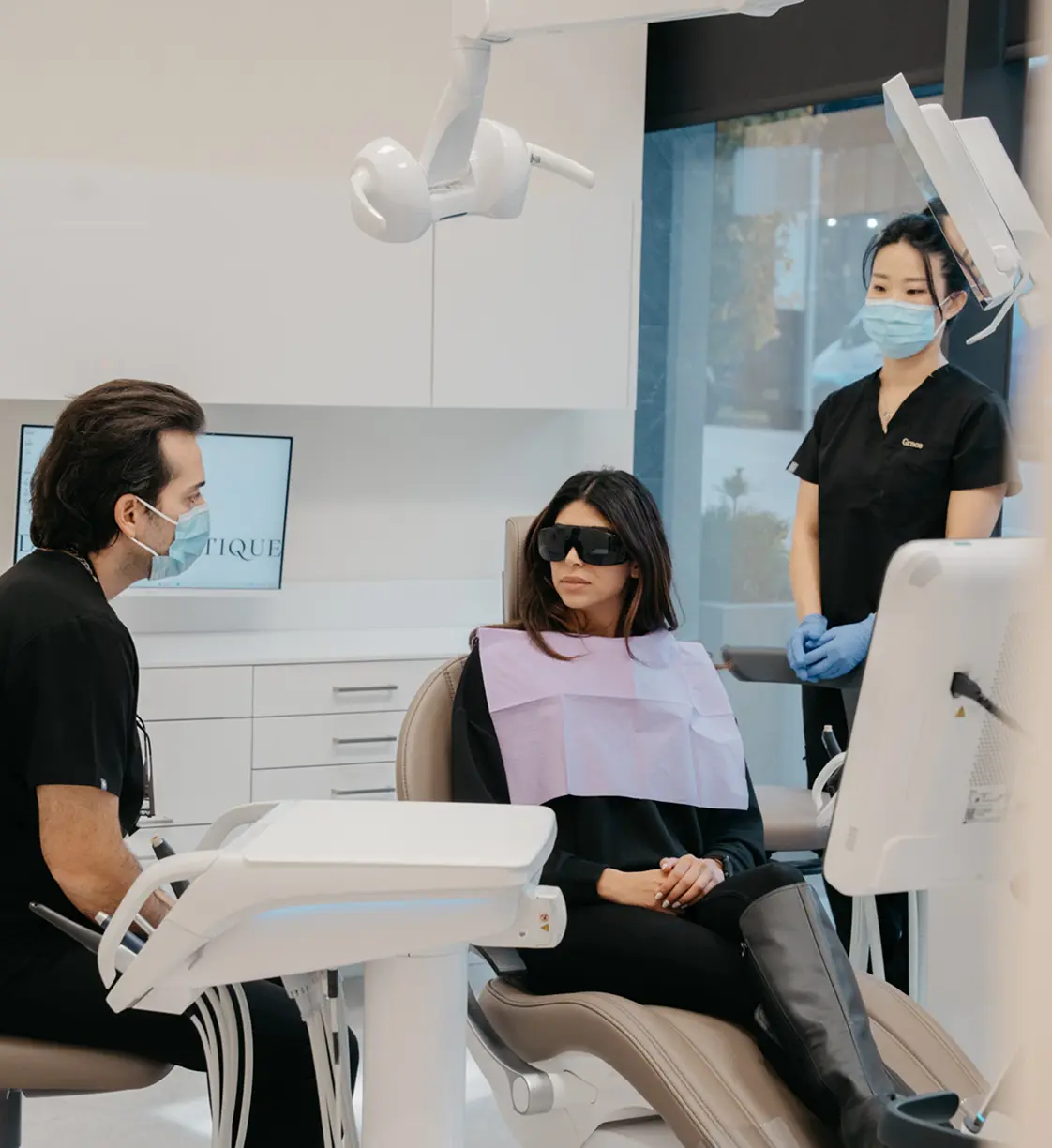
At Yaletown Dental Boutique, we offer bone grafting procedures in a modern, patient-focused setting in the heart of Yaletown, Vancouver, helping to restore strength, function, and confidence to your smile.

Rated as “Excellent” (130 reviews)

1 min read

Bone grafting is a procedure that rebuilds lost jawbone to support dental implants and restore oral health. It is commonly recommended after tooth loss, gum disease, or bone shrinkage. Healing typically takes several months, and costs vary depending on the type and complexity of the graft.
At Yaletown Dental Boutique, bone grafting is performed using advanced imaging, modern techniques, transparent pricing, and flexible payment options, all in a comfortable, patient-focused setting in the heart of Yaletown, Vancouver.

What Is Bone Grafting and Why Is It Done?

Below, you’ll learn what dental bone grafting involves, why bone loss happens, and how rebuilding the jaw supports implants, facial structure, and long-term oral health.
What Is Dental Bone Grafting?

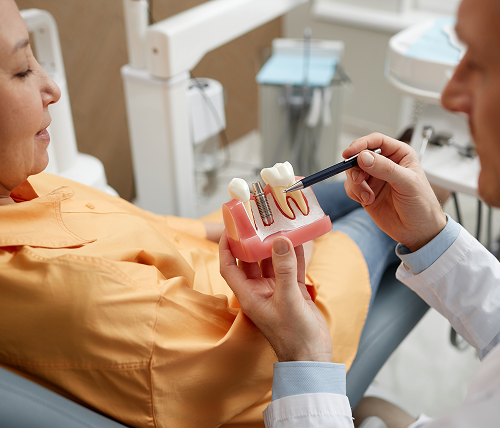
Dental bone grafting is a restorative procedure that rebuilds areas of weakened or missing jawbone using safe, biocompatible materials.

Why Does Jawbone Deteriorate?

The jawbone can deteriorate after tooth loss, advanced periodontal disease, trauma, or prolonged denture use without proper support.

Why Is a Strong Jawbone Important?

A healthy jawbone supports dental implants, maintains facial structure, protects surrounding teeth, and promotes long-term oral health stability.

When Might You Need a Dental Bone Graft?

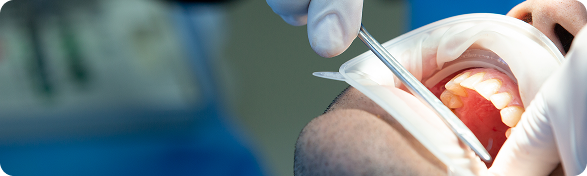
Bone loss in the jaw can occur quietly over time, often as a result of missing teeth, gum disease, or long-term denture use. In certain situations, rebuilding this lost bone is necessary to restore stability, function, and support for future dental treatment. Below are the most common conditions and signs that may indicate the need for a dental bone graft.
Typical Conditions Requiring Bone Grafting

Planning for Dental Implants

Dental implants require a strong and stable jawbone for support. If there isn’t enough bone height, width, or density, a bone graft may be recommended to create a solid foundation.

After a Tooth Extraction

When a tooth is removed, the surrounding bone can begin to shrink quickly. Bone grafting helps preserve the socket and maintain the structure needed for future restorations.

Advanced Gum Disease

Periodontal disease can gradually destroy the bone supporting your teeth. In some cases, grafting is used to rebuild lost bone and stabilize oral health.

Injury or Trauma

Accidents, infections, or facial trauma can damage jawbone structure. Bone grafting helps restore integrity and support both function and appearance.

Congenital or Developmental Bone Deficiencies

Some individuals naturally have thinner or underdeveloped jawbone structures. Bone grafting can enhance bone volume and create adequate support for future restorative treatments.

Signs You Might Be a Candidate

  • Your dentist mentions insufficient bone for implants
  • Teeth feel loose or unstable
  • Your bite has shifted or feels misaligned
  • Dentures no longer fit comfortably
  • You notice a sunken or hollow facial appearance
  • You’ve had missing teeth for several months or years

How to Know for Sure?

The only way to determine whether bone grafting is necessary is through a comprehensive dental evaluation with detailed imaging. A personalized consultation will assess bone levels, oral health, and long-term treatment goals to determine the most appropriate next steps.

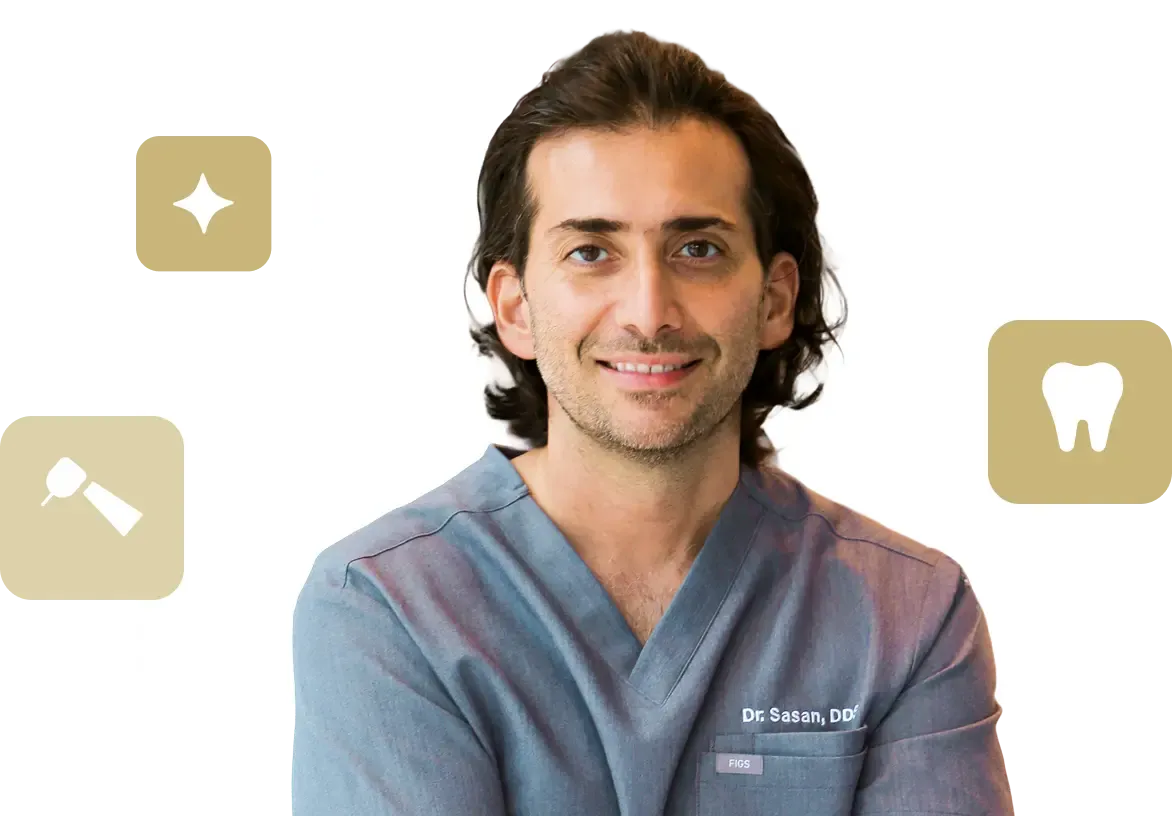
Begin Your Smile Journey

with Dr. Hadianfar

Dr. Sasan Hadianfar, General Dentist
Types of Bone Grafts Used in Dentistry

Several types of bone grafting materials are used in modern dentistry, each selected based on your specific needs, treatment goals, and overall oral health. All materials used are carefully processed, clinically tested, and biocompatible to support safe healing and predictable results.

Autograft (Your Own Bone)

Source:
Bone taken from another area of your body, often the jaw, chin, or hip.

Advantages

High compatibility and strong integration

Contains living cells that promote natural bone growth

No risk of immune rejection

Considerations

Requires a second surgical site

Longer procedure time

May involve additional post-operative discomfort

Allograft (Donor Bone)

Source:
Human bone obtained from a licensed and rigorously screened tissue donor bank.

Advantages

No second surgical site required

Well-documented safety record

Shorter surgical time compared to autograft

Considerations

Does not contain living bone cells

Healing time can vary by case

Very small risk of immune response (rare due to processing standards)

Xenograft (Animal-Derived Bone)

Source:
Typically derived from bovine (cow) or porcine (pig) sources and highly purified for medical use.

Advantages

Readily available

No additional surgical site needed

Provides a stable scaffold for bone regeneration

Considerations

Integrates more gradually than autograft

May not fully convert into natural bone in all cases

Some patients prefer non-animal materials

Alloplast (Synthetic Materials)

Source:
Lab-created bone substitutes such as hydroxyapatite and other biocompatible minerals.

Advantages

No donor tissue required

Consistent and controlled material quality

No risk of disease transmission

Considerations

May integrate differently than natural bone

Healing response depends on graft size and location

Not always the first choice for large or complex grafts

What to Expect During the Procedure?

Bone grafting is a carefully planned procedure designed to rebuild and strengthen your jawbone with precision and comfort in mind. At Yaletown Dental Boutique, we strive to create a calm and supportive environment, ensuring you feel confident throughout every stage of your treatment.

01 Consultation and Detailed Imaging

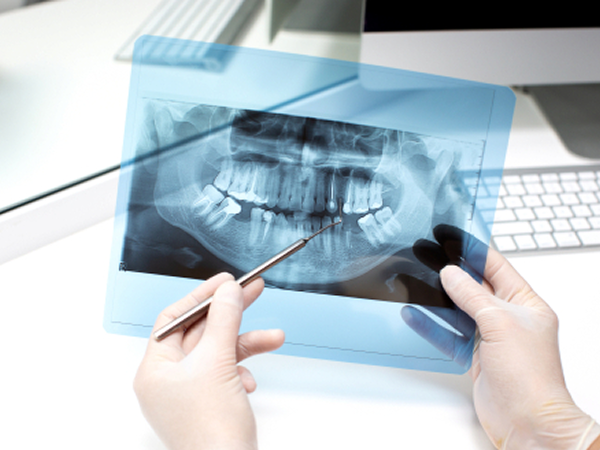
We begin with a comprehensive consultation and advanced digital imaging, such as X-rays or 3D scans, to evaluate your bone structure. This allows us to determine the extent of bone loss and carefully plan the most appropriate grafting approach for predictable, long-term results.

02 Anesthesia and Comfort Options

On the day of your procedure, we administer local anesthesia to fully numb the area and ensure you remain comfortable. If you feel anxious about treatment, we can discuss sedation options to help you relax. Bone grafting is completed as an outpatient procedure, so you can return home the same day.

03 Placement of the Graft Material

We make a small, precise incision to access the area requiring support, then thoroughly clean and prepare the site. The grafting material is carefully placed and secured using proven surgical techniques. In some cases, protective membranes or stabilizing methods are used to support optimal healing.

04 Suturing, Protection, and Aftercare

Once the graft is in place, we close the area with sutures to protect the site. We provide detailed aftercare instructions to support proper healing and minimize discomfort. Most patients experience only mild soreness, which we help you manage with clear guidance and recommended care for a smooth recovery.

05 How Long Does It Take to Heal?

Healing after a dental bone graft takes time, as your body needs to gradually integrate the graft material and build new, healthy bone. While every case is unique, most patients can expect a total healing period of approximately 3 to 9 months before the area is fully ready for the next stage of treatment.
How Long Does It Take to Heal?

Healing after a dental bone graft takes time, as your body needs to gradually integrate the graft material and build new, healthy bone. While every case is unique, most patients can expect a total healing period of approximately 3 to 9 months before the area is fully ready for the next stage of treatment.

Typical Healing Timeline

First 1-3 Weeks

Initial healing focuses on the soft tissues. Mild swelling or soreness is normal and typically improves within a few days. Sutures are removed or dissolve during this period.

3-6 Months

Bone integration, also called osseointegration, takes place. During this phase, your natural bone fuses with the graft material, strengthening the area.

6-9 Months

Full maturation of the graft occurs. Once the bone is dense and stable enough, it can properly support a dental implant or other restorative treatment.

Factors That Affect Healing

Type and Size of the Graft

Smaller grafts may heal more quickly, while larger or more complex grafts may require additional time.

Your Overall Health

General health conditions, immune function, and proper aftercare all influence how efficiently your body heals.

Smoking Status

Smoking can slow healing and affect bone integration. It also increases the risk of failure. Avoiding tobacco significantly improves recovery outcomes.

Follow-Ups & Bone Integration

Regular Checkups

We schedule follow-up visits to monitor your healing progress and ensure the graft is integrating properly. These appointments allow us to check for infections and any complications and track bone development with imaging when necessary.

When Implants Can Be Placed?

Once we confirm that the graft has fully integrated and the bone is strong enough, we can safely proceed with dental implant placement. Our goal is to ensure long-term stability and success, never rushing the healing process.
Throughout recovery, most patients find the healing period manageable with proper care and guidance. We provide detailed instructions and ongoing support to help ensure a smooth outcome.

Important Information for

CDCP Patients

Treatment under the Canadian Dental Care Plan is not fully covered. A co-payment will apply.

Cost of Bone Grafting in Yaletown

Bone grafting costs vary depending on your individual treatment needs. In Canada, a general estimate can range from several hundred to a few thousand dollars per site, depending on the type of graft and the complexity of the procedure.

Costs Vary Based on Your Specific Case

There is no one fixed fee for bone grafting. The total cost depends on factors such as the type of grafting material used, the size of the area being treated, the position in the mouth, and the overall surgical complexity.

Additional Procedures, Imaging, and Sedation

Bone grafting may also be performed alongside procedures such as tooth extraction, sinus lift surgery, or dental implant placement. Diagnostic imaging, including digital X-rays or 3D scans, is essential for precise planning. If sedation is used for comfort, this may also influence the overall cost.

Insurance Coverage and Financing Options

We work with virtually all insurance providers, including Pacific Blue Cross, Sun Life, Manulife, Green Shield, Canada Life, ClaimSecure, GroupSource, Empire Life, and RBC Insurance. We also accept CDCP (with applicable patient co-payments).We direct bill all plans that allow assignment of benefits. For plans that do not permit direct billing, we provide documentation to assist with reimbursement.To make treatment more manageable, we offer customized in-house payment plans. For major procedures such as bone grafting, implants, or surgery, we also partner with iFinance (Dentalcard) to provide third-party financing options.

Book a Consultation for an Exact Quote

The most accurate way to determine your cost is through a personalized consultation. We provide detailed treatment plans and transparent cost breakdowns, so you clearly understand your options before moving forward.

Risks and Complications to Be Aware Of

Bone grafting is a well-established and predictable procedure, but as with any surgical treatment, there are potential risks. Being aware of both common and rare complications helps patients make informed decisions about their care.

Common (Minor) Risks

These effects are usually temporary and part of the normal healing process:

  • Swelling around the surgical site for several days
  • Minor bruising of the gums or jaw area
  • Temporary discomfort or tenderness
  • Mild bleeding or slight oozing
  • Temporary numbness or tingling near the treated area
  • Minor irritation or sensitivity at the incision site

Rare (Serious) Complications

Although uncommon, the following complications can occur:

  • Infection at the graft site
  • Graft failure or lack of proper bone integrationSinus
  • complications in upper jaw grafts
  • Excessive bleeding or hematoma formation
  • Prolonged numbness due to nerve involvement
  • Delayed healing requiring additional treatment

Benefits of Bone Grafting for Your Oral Health

Here are the key benefits that make this procedure an important step toward restoring comfort, function, and confidence.

Stronger Jawbone Foundation

Bone grafting rebuilds weakened areas of the jaw, creating a stable and durable foundation that supports long-term oral health and prepares your mouth for future restorative treatment.

Support for Successful Dental Implants

A healthy jawbone is essential for implant stability. Bone grafting increases bone volume and density, helping support stable dental implant placement.

Prevention of Further Bone Loss

When bone deteriorates after tooth loss, the jaw can continue shrinking over time. Grafting helps stimulate regeneration and slows or prevents additional structural deterioration.

Preservation of Facial Structure

Jawbone loss can lead to a sunken or aged appearance. Rebuilding bone helps maintain natural facial contours and supports the soft tissues of the face.

Improved Chewing and Speech

A stronger jaw provides better support for restorations, improving bite alignment and stability. This can enhance chewing efficiency and support clearer, more comfortable speech.

Better Long-Term Oral Health Outcomes

By rebuilding lost bone, grafting supports healthier surrounding teeth and gum tissue. A stronger jaw structure helps distribute bite forces evenly, reducing strain on adjacent teeth and improving overall oral stability.

Choosing the Right Dental Clinic in Yaletown

Choosing the right provider for bone grafting plays a key role in achieving results. Here is what to look for when selecting a dental clinic in Yaletown.
Experience, Technology, and Transparent Planning

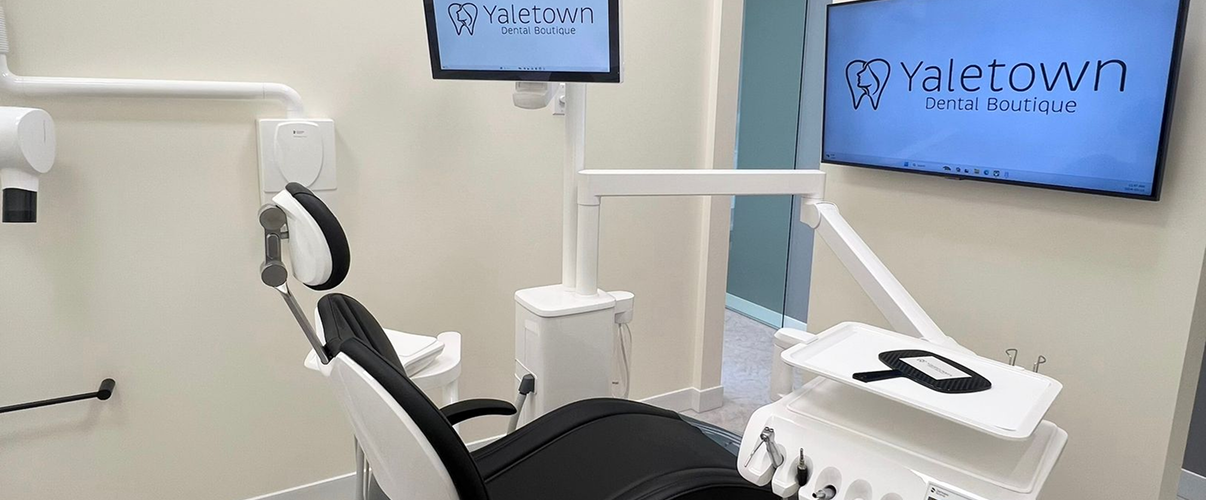
We combine experience in implant and restorative dentistry with advanced digital imaging technology to ensure precise diagnosis and treatment planning. We provide clear explanations, transparent pricing, and detailed guidance so you can make informed decisions confidently.

Comfort, Communication, and Patient Experience

We prioritize creating a welcoming, supportive environment where every question is addressed thoroughly. From consultation to recovery, we focus on comfort, open communication, and personalized attention to make your experience as smooth as possible.

Comprehensive Restorative Care in One Convenient Location

Located in the heart of Yaletown, we offer advanced bone grafting, implant dentistry, and restorative treatments under one roof. Our coordinated approach allows for seamless care, consistent follow-ups, and long-term treatment planning tailored to your goals.

What Our Cosmetic Patients Are Saying?

  • Zalha Fazal

    Hands down the best dental services in town. Highly recommend the clinic for anyone wanting to visit a dentist to learn better about maintaining oral health and getting the clean up. Had a wonderful experience with the hygienist Amir who was very patient and did a wonderful job.
  • Travis Battaglia

    always an amazing experience!
  • Camila Pérez ciribe

    Amir a the rest of the team has been incredible today. Best day in the dentist ever!
  • Jenny Wong

    Everyone was so nice and the clinic is brand new 🙂
  • Gurjit Dhadda

    Amir was great! Wonderful service!
  • Eve Plante

    Everything was perfect! 🙂
  • Priyanka Pahari

    First time at this location, I loved the experience. Staff is amazing and so is the service. :))
  • Emilio Suarez

    Very friendly and polite staff. They made Ure I was comfortable

    Book Your Bone Grafting Consultation in Yaletown

    Rebuilding your jawbone is an important step toward restoring strength, function, and long-term oral health. Whether you are preparing for dental implants or addressing bone loss, a personalized consultation allows you to understand your options clearly and move forward with confidence.

    At Yaletown Dental Boutique, we provide detailed evaluations, advanced imaging, and transparent treatment planning in a comfortable, modern setting. Our team is here to answer your questions and guide you through every step of the process.

    Schedule your consultation today and take the next step toward a healthier, stronger smile.

    Visit Us

      Contact

      info@yaletown.dental
      205 Smithe Street
      Vancouver, BC V6B 2P4

      Hours

      Mon–Fri: 9:00 am – 5:00 pm
      Saturday: 9:00 am – 4:00 pm
      Sunday: Closed

    FAQs

    Can I get a dental implant without a bone graft?

    How do I know if I have bone loss in my jaw?

    What happens if I don’t replace lost jawbone?

    How soon after a tooth extraction can a bone graft be placed?

    How do I care for my mouth after a bone graft?

    Is bone grafting painful?

    Request an Appointment Now!