
Dental Electrosurgery in Yaletown Advanced Soft-Tissue Management for Cosmetic and Restorative Care

An even gumline can play an important role in the appearance and function of your smile. Dental electrosurgery allows dentists to carefully reshape soft tissue for select cosmetic and restorative procedures using advanced radiofrequency technology. We combine modern dental technology with personalized treatment planning to help patients achieve natural-looking results.

Rated as “Excellent” (130 reviews)

The Scalpel-Free Advantage: A Modern Approach to Soft-Tissue Procedures

When compared with traditional soft-tissue techniques, electrosurgery can offer several clinical advantages. Here are some important considerations for patients exploring this treatment option.
Traditional Soft-Tissue Procedures and Recovery

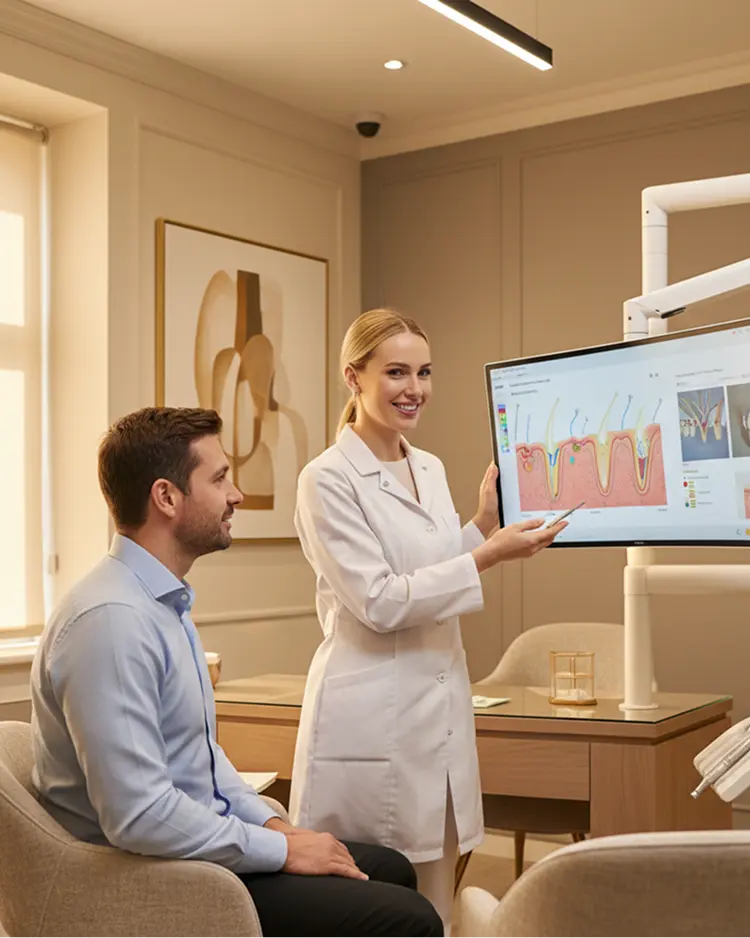
Traditional soft-tissue procedures use a surgical blade to remove or reshape gum tissue. This approach may involve bleeding, sutures, and a recovery period that varies between patients.

How Electrosurgery Differs

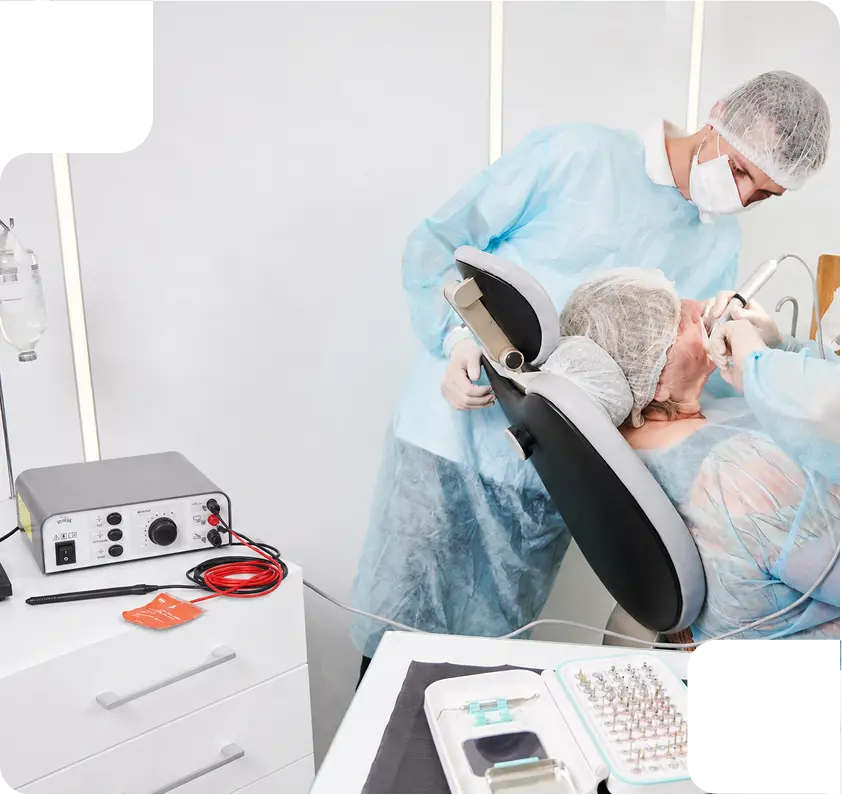
Dental electrosurgery uses a fine electrode tip and controlled radiofrequency energy to modify soft tissue. This technique can allow for precise tissue management with minimal physical pressure.

Supporting a Cleaner Treatment Area

As the device works, it may help control bleeding around the treatment site. Maintaining a clear operating field can improve visibility during certain cosmetic and restorative procedures.

What Patients May Experience After Treatment

Recovery experiences vary. Some patients report mild tenderness for a few days, and over-the-counter pain relief may be appropriate when recommended by their dentist.

Begin Your Smile Journey

with Dr. Hadianfar

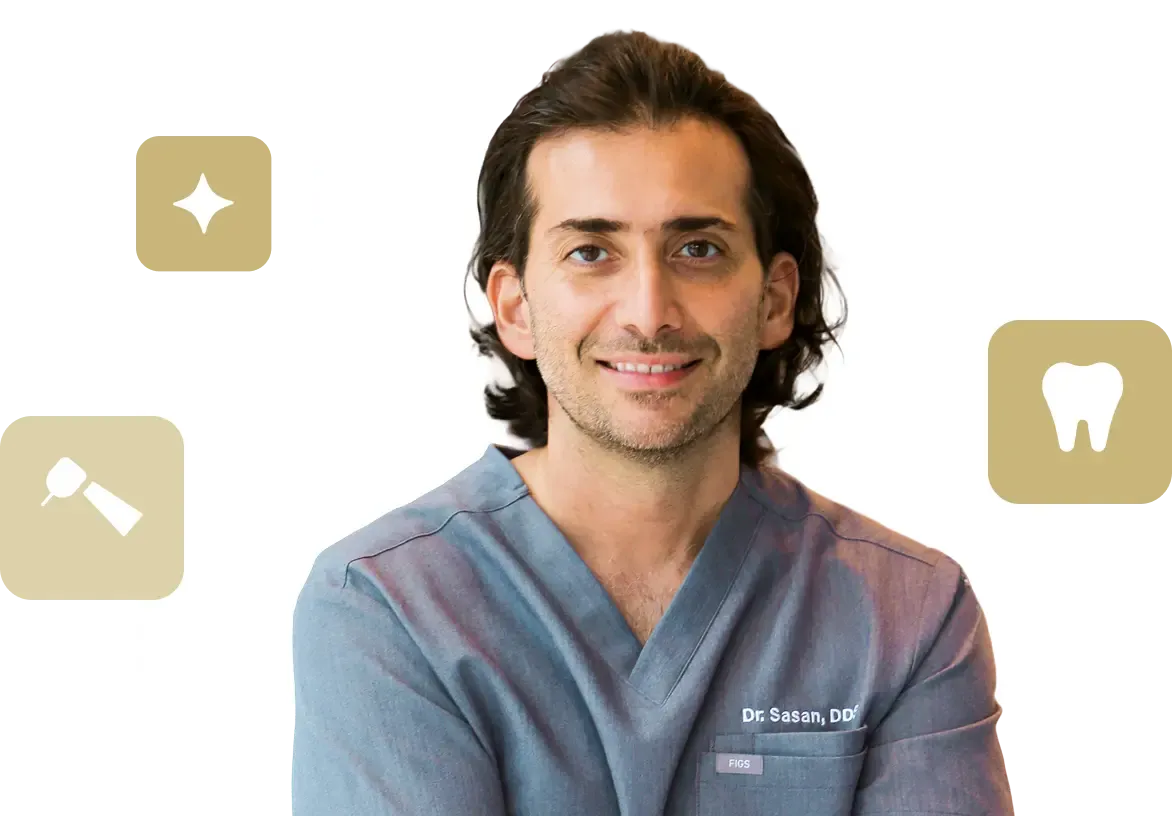
Dr. Sasan Hadianfar, General Dentist
What Is Dental Electrosurgery and How Does a Bovie Unit Work?

Many patients are unfamiliar with the technology used during soft-tissue procedures. Below is an overview of dental electrosurgery and the role Bovie units play in modern dental care.
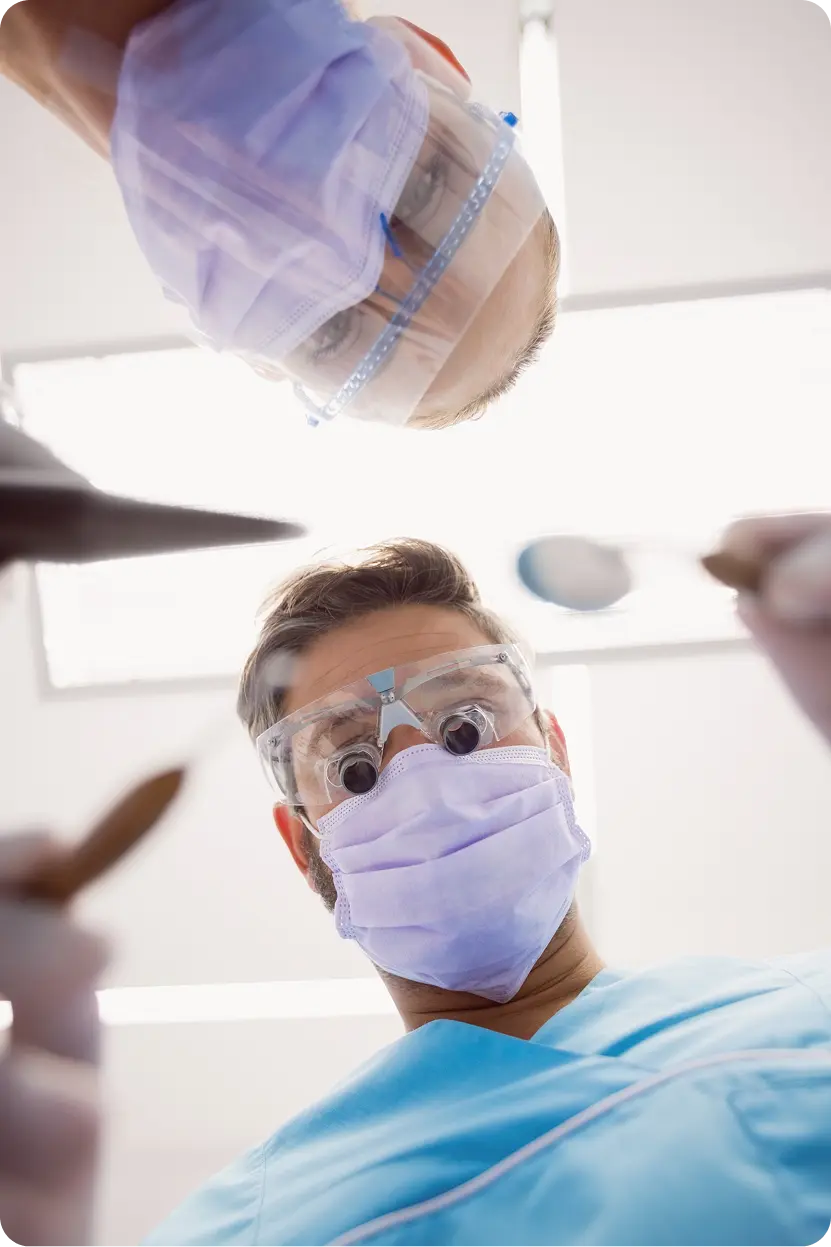
Understanding Dental Electrosurgery

Dental electrosurgery uses controlled high-frequency radiofrequency energy to modify soft oral tissues. It is commonly used in dentistry to support precise gum contouring, restorative procedures, and soft-tissue management.

How a Bovie Unit Functions

A Bovie unit delivers radiofrequency energy through a small electrode tip. This allows dentists to carefully manage targeted soft tissue while maintaining visibility throughout the procedure.

Electrosurgery vs. Electrocautery

Electrosurgery and electrocautery use different mechanisms. With electrocautery, electricity heats an instrument that transfers heat directly to the tissue. With electrosurgery, high-frequency electrical current passes through the targeted tissue, where resistance generates the heat required for cutting or coagulation.

What Happens at the Tissue Level

The current produces controlled thermal effects within the treatment area. Depending on the selected setting and technique, it can cut, coagulate, or remove soft tissue while helping control bleeding. Careful technique is important because excessive heat can affect nearby tissue.

Core Clinical Uses: When Does Your Dentist Use Electrosurgery?

While many patients associate electrosurgery with gum contouring, its applications extend beyond cosmetic dentistry. Here are some common ways dentists use this technology in everyday clinical care.

Cosmetic Gum Contouring

Electrosurgery may be used to reshape uneven gum tissue and improve the appearance of a gummy smile. It can help create a more balanced gumline before cosmetic treatments such as porcelain veneers or smile enhancement procedures.

Gingival Contouring for Restorative Access

When excess gum tissue limits access to tooth structure, electrosurgery may be used to remove or reshape soft tissue in selected cases. If additional tooth structure must be exposed or the supporting bone is too close to the proposed restoration, a more extensive crown-lengthening procedure may be required. The appropriate approach depends on the gum, bone, tooth, and restorative requirements.

Exposing Partially Erupted Teeth

In some cases, soft tissue may partially cover a tooth that is erupting or being guided into position orthodontically. Electrosurgery can help remove tissue barriers and improve access for treatment.

Supporting Restorative Dental Procedures

Electrosurgery may assist restorative procedures by improving visibility and access around treatment areas. Creating a cleaner working environment can help dentists place composite restorations and other dental materials with precision.

At Yaletown Dental Boutique, electrosurgery is integrated into a comprehensive approach to cosmetic and restorative dentistry. Our team carefully evaluates each case to determine whether this technology may support treatment goals while prioritizing patient comfort and safety.

Electrosurgery vs. Soft-Tissue Lasers – Are They the Same?

Advances in dental technology have provided several alternatives to traditional soft-tissue procedures. The following comparison outlines how electrosurgery and soft-tissue lasers differ and where each may be utilized.

Electrosurgery (Bovie Technology)

Purpose: Uses controlled radiofrequency energy to manage and reshape soft oral tissues during cosmetic, restorative, and periodontal procedures.

  • Uses radiofrequency electrical currents rather than light energy.
  • Provides tactile feedback that helps guide precise tissue management.
  • Provides tactile feedback that helps guide precise tissue management.
  • May be used for gum contouring, restorative access, and soft-tissue management during selected crown-lengthening procedures.
  • Can assist with soft-tissue procedures where precise margin control is important.


Best for: Procedures requiring controlled soft-tissue contouring, restorative access, and detailed gumline shaping.

Soft-Tissue Lasers

Purpose: Uses concentrated light energy to modify soft tissue and support a variety of dental procedures.

  • Uses light energy rather than radiofrequency currents.
  • Commonly utilized for soft-tissue management and debridement.
  • May be suitable for certain periodontal and soft-tissue applications.
  • Provides an alternative approach to traditional scalpel techniques.
  • Treatment selection depends on the clinical situation and treatment goals.


Best for: Surface soft-tissue procedures and clinical situations where laser-assisted tissue management may be appropriate.

Important Information for

CDCP Patients

Treatment under the Canadian Dental Care Plan is not fully covered. A co-payment will apply.

Is Dental Electrosurgery Safe?
Modern dental electrosurgery has been utilized in medicine and dentistry for decades and is commonly incorporated into soft-tissue procedures. When performed by a trained dental professional, it can provide a controlled and precise method for managing gum tissue during treatment.

Electrosurgery has been used in medical and dental settings for many years.

Medical histories are reviewed carefully before any procedure is recommended.

Alternative techniques may be considered for patients with certain medical devices.

Treatment decisions are customized to support safety, comfort, and clinical goals.

Local anesthesia is typically used to support patient comfort during treatment.

What to Expect During and After Your Soft-Tissue Procedure

From the initial preparation to post-treatment care, dental electrosurgery is designed to support precise soft-tissue management. Here is what patients can generally expect before and after treatment.

Preparing for Treatment

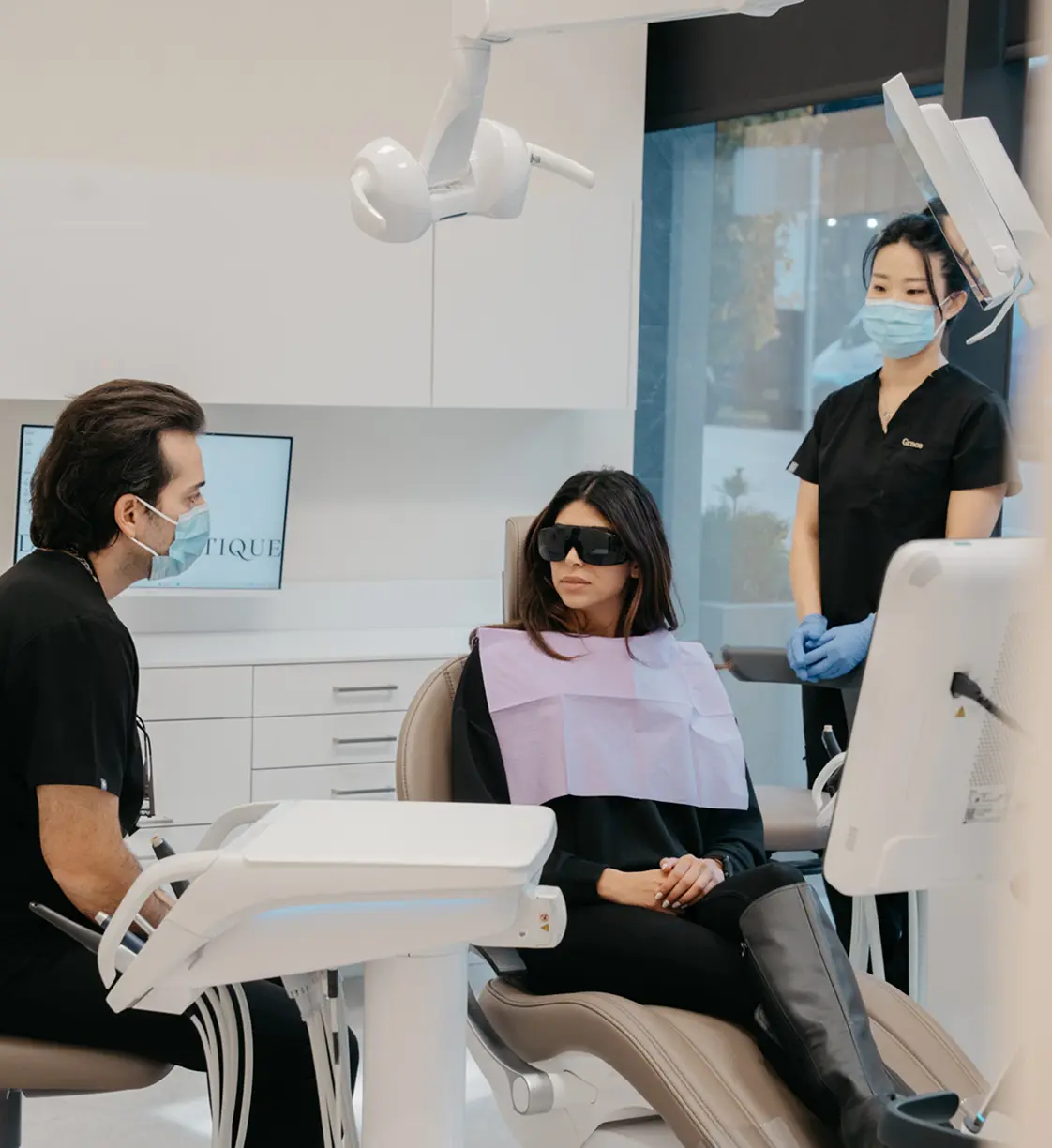
Before treatment begins, your dentist will review the procedure, answer questions, and administer local anesthesia. Once the area is numb, the soft-tissue procedure can proceed comfortably.

During the Procedure

The dentist carefully guides a fine electrosurgical tip along the targeted tissue. The treatment area remains visible throughout the procedure, allowing for controlled and precise soft-tissue management.

The First Few Days After Treatment

Following treatment, the gums may appear slightly pale or develop a thin protective surface layer. Mild tenderness is possible, and recovery experiences can vary between patients.

Supporting the Healing Process

Patients are typically advised to choose soft foods, avoid spicy or sharp foods temporarily, and maintain gentle oral hygiene as the tissue continues healing.

Precision-Focused Soft-Tissue Treatment at Yaletown Dental Boutique

Successful soft-tissue treatment depends on more than technology alone. Our team combines modern clinical tools with individualized planning and a comfortable patient experience.
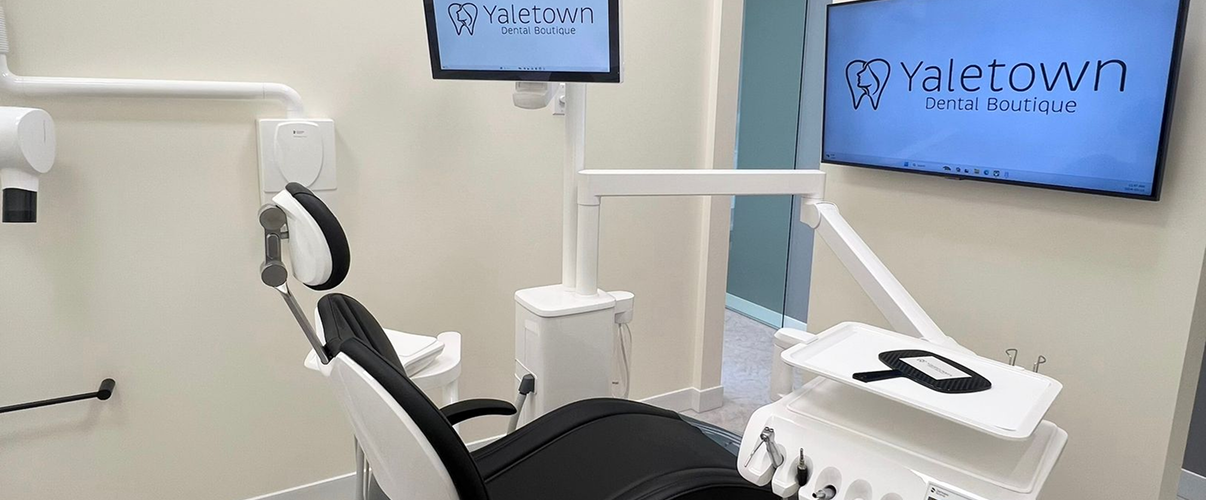
Thoughtful Planning for Natural-Looking Results

Every soft-tissue procedure begins with detailed treatment planning. Our team carefully evaluates gum contours, tooth proportions, and overall smile aesthetics to support balanced, natural-looking treatment outcomes.

Precision Technology with a Conservative Approach

Yaletown Dental Boutique utilizes advanced Bovie electrosurgery technology when clinically appropriate. Treatment settings and techniques are selected according to the procedure, tissue characteristics, and individual clinical needs, with attention to precision and patient safety.

A Boutique Experience Focused on Patient Comfort

From consultation through recovery, our clinic emphasizes a calm and welcoming environment. We take time to answer questions, address concerns, and help patients feel informed throughout treatment.

What Our Patients Are Saying?

  • Rene Thiele

    Friendly, welcoming, capable staff. Clean environment and positive energy! The dental hygienist, Amir, was a delight, and incredibly efficient and exacting in his work. They were on time and I was in and out in an hour.
  • Kim Francis

    Awesome as always!!!
  • Ren Ellen

    Very welcoming clinic to go, for both doctors and staff. They made the dental treatment less stressful for me, happy I chose them. Especially for Amir, who is very warm and professional, I am very glad to have him as my dentist, strongly recommended.
  • Valéria Ritis

    I had a wonderful experience at this clinic! The entire team was incredibly attentive and helpful. Everything about my issue and the required treatment plan was explained clearly to me. The dental hygienist was top-notch, making me feel calm and genuinely cared for throughout the entire appointment. Thank you so much to the whole team for such warm and professional service!
  • Ken Notter

    Awesome experience, very detailed on ensuring you leave with clean teeth.
  • Jaclyn Dacyk

    This dentist office is so clean, professional and welcoming. Everyone was great!

    Frequently Asked Questions About Dental Electrosurgery

    Will I feel the electrical current during an electrosurgical procedure?

    Dental electrosurgery is typically performed using local anesthesia. Once the treatment area is numb, patients should not feel the electrical current itself, although they may notice pressure, movement, sounds, or odours associated with the procedure. Individual experiences vary according to the treatment area and procedure.

    How long does it take for the gums to fully heal after using a Bovie unit?

    Does dental electrosurgery cause permanent scars on my gums?

    Why is electrosurgery preferred over a traditional scalpel blade?

    Can electrosurgery be used if I have dental implants?

    Final Thoughts – A Modern Approach to Soft-Tissue Care

    Advanced dental technology has made many soft-tissue procedures more precise and efficient. Selected gum-contouring and restorative soft-tissue procedures may be completed using electrosurgery when clinically appropriate. At Yaletown Dental Boutique, advanced Bovie electrosurgery technology is incorporated into select cosmetic and restorative procedures when clinically appropriate. Patients considering gum reshaping, crown lengthening, or restorative treatment are invited to schedule a consultation to discuss their goals and receive a personalized treatment plan.

    Visit Us

      Contact

      info@yaletown.dental
      205 Smithe Street
      Vancouver, BC V6B 2P4

      Hours

      Mon–Fri: 9:00 am – 5:00 pm
      Saturday: 9:00 am – 4:00 pm
      Sunday: Closed

    Request an Appointment Now!