

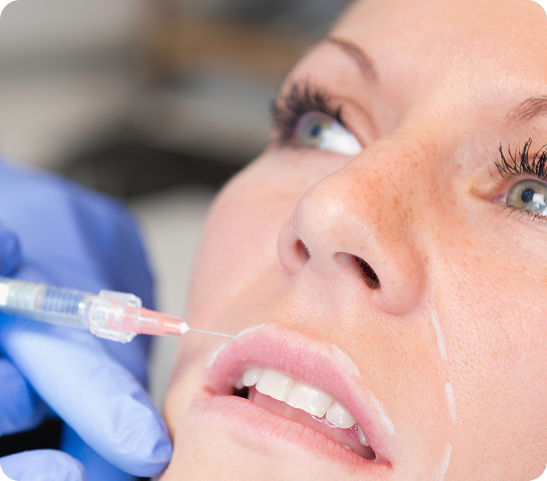

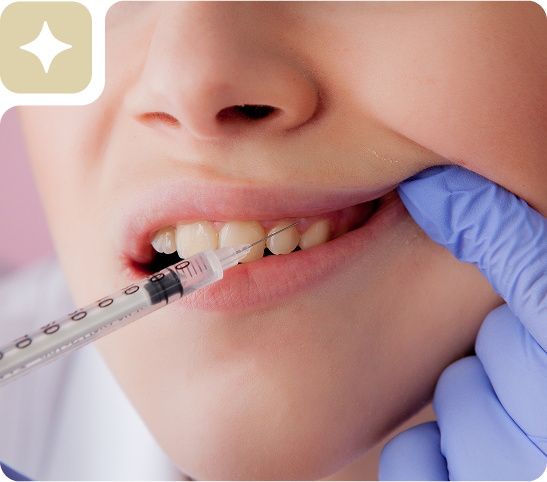
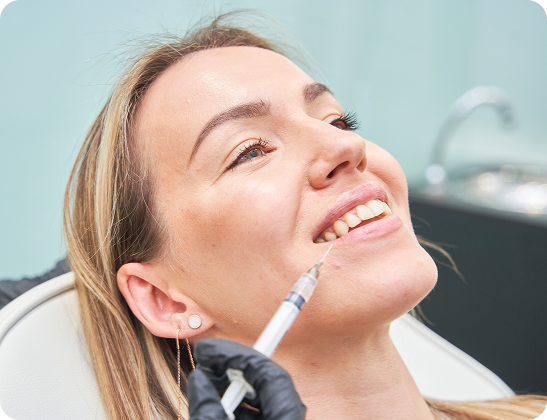
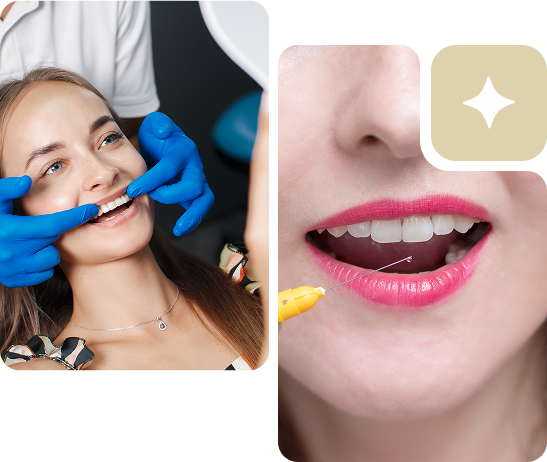

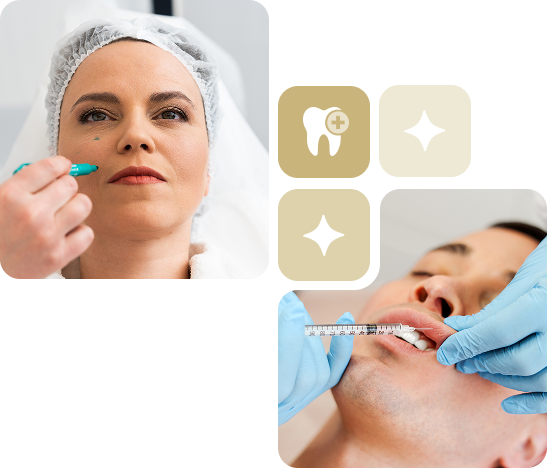
Can injectable treatment help with teeth grinding?
Prescription neuromodulator treatment may be considered for selected patients when excessive chewing-muscle activity appears to contribute substantially to clenching or grinding. Evidence is mixed, and treatment does not address every cause of bruxism.
How long do the effects last?
Effects are temporary, and duration varies according to the prescription product, dosage, treatment area, muscle activity and individual response.
When do effects begin?
Effects generally develop gradually rather than immediately. The clinician can provide expectations relevant to the prescribed product and individualized treatment plan.
Is injectable treatment painful?
A fine needle is used, and temporary injection-site discomfort may occur. Comfort and recovery vary according to the areas treated and individual response.
What adverse effects are possible?
Possible effects include injection-site pain, swelling or bruising, headache, chewing fatigue, reduced muscle strength and changes in facial movement. Additional uncommon or serious risks should be reviewed during informed consent.
Does injectable treatment replace a nightguard?
Not necessarily. Oral appliances and prescription neuromodulator treatment serve different purposes. An appliance may help protect teeth or modify loading, while injectable treatment temporarily changes activity in selected muscles. Either, both or neither may be recommended depending on the assessment.
