

Pulpotomy vs Pulpectomy in Yaletown
Understanding Your Child’s Tooth Treatment Options
Hearing that your child may need pulp treatment can feel stressful, especially if they are in pain. At Yaletown Dental Boutique, we provide gentle pulpotomy and pulpectomy care to help relieve discomfort, manage infection, and preserve baby teeth whenever possible.
 Rated as “Excellent” (130 reviews)
Does My Child Really Need Pulp Treatment?
Pulp treatment may be recommended when infection or inflammation reaches the inner portion of a child’s tooth. A dentist will carefully evaluate whether the tooth can still be preserved before recommending treatment. Signs your child may need pulp treatment can include the following:
Begin Your Smile Journey
with Dr. Hadianfar
Dr. Sasan Hadianfar, General Dentist
What Is the Difference Between Pulpotomy and Pulpectomy?
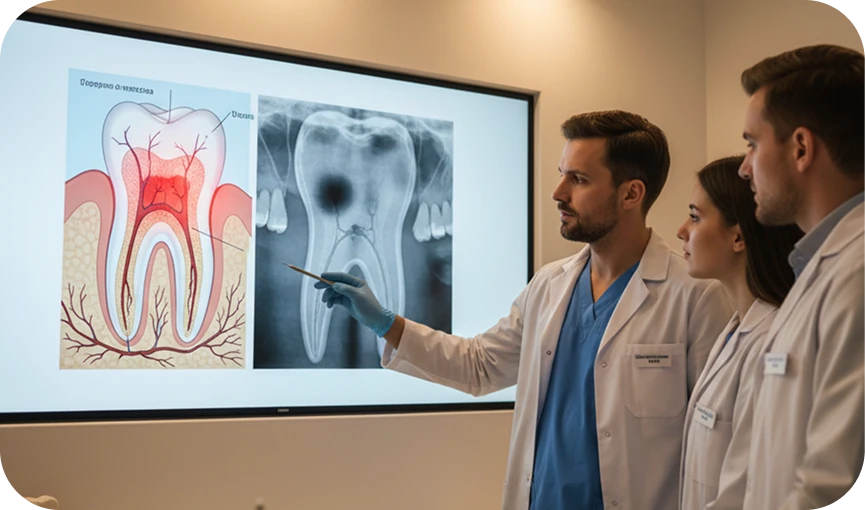
Both pulpotomy and pulpectomy are pediatric dental treatments used when infection reaches the inner portion of a child’s tooth. The main difference is how much pulp tissue is removed. Both procedures aim to preserve the baby tooth whenever possible.

When Is a Pulpotomy Recommended?
A pulpotomy may be recommended when infection or inflammation affects only the upper portion of a child’s tooth while the root tissue remains healthy. The goal is to preserve the baby tooth and maintain normal function whenever possible.

When Is a Pulpectomy Necessary?
A pulpectomy may be recommended when infection or damage affects the entire pulp system of a child’s tooth, and partial treatment may not be enough to preserve it. Below are some situations where a dentist may consider a pulpectomy appropriate:
Infection Has Spread to the Root Canals
When bacteria reach the root canals, the infection may affect the entire pulp system of the tooth. In these cases, removing all infected tissue may help preserve the baby tooth safely.

There Is Significant Decay or an Abscess
Extensive tooth decay or the presence of an abscess may indicate advanced infection inside the tooth. A pulpectomy may be recommended when the damage extends beyond the crown portion alone.

The Pulp Tissue Is No Longer Healthy
If the pulp tissue inside both the crown and roots appears severely inflamed or infected, preserving only part of the nerve tissue may no longer be considered appropriate or effective.

A Pulpotomy May Not Be Sufficient
A pulpectomy may be recommended when a pulpotomy would likely not fully address the infection. The dentist will evaluate whether complete pulp removal offers the best chance of preserving function.
Important Information for
CDCP Patients
Treatment under the Canadian Dental Care Plan is not fully covered. A co-payment will apply.

Does Pulp Treatment Hurt Children?
Many parents worry that pulp treatment may be painful for their child. Pediatric dentists use techniques focused on comfort and gentle care to help children feel calm throughout the appointment. In many cases, treatment helps relieve the discomfort already caused by infection or inflammation inside the tooth.
What Happens If an Infected Baby Tooth Is Not Treated?
An infected baby tooth may continue worsening over time if left untreated. While every situation is different, dentists often recommend early evaluation to help prevent additional discomfort or complications. If an infected baby tooth is not treated, potential concerns may include:
How Long Does Pulpotomy or Pulpectomy Take?
The length of pulp treatment depends on the condition of the tooth and the extent of infection. In many cases, treatment can be completed during a single appointment.

Confident Smiles Start Here — Book Your Visit Today
Choosing the Right Dentist for Pediatric Pulp Treatment in Yaletown
Choosing a dentist experienced in pediatric restorative care can help children feel more comfortable during treatment while giving parents clearer guidance about protecting their child’s developing oral health and long-term comfort.
What Our Patients Are Saying?
- Friendly, welcoming, capable staff. Clean environment and positive energy! The dental hygienist, Amir, was a delight, and incredibly efficient and exacting in his work. They were on time and I was in and out in an hour.
- Awesome as always!!!
- Very welcoming clinic to go, for both doctors and staff. They made the dental treatment less stressful for me, happy I chose them. Especially for Amir, who is very warm and professional, I am very glad to have him as my dentist, strongly recommended.
- I had a wonderful experience at this clinic! The entire team was incredibly attentive and helpful. Everything about my issue and the required treatment plan was explained clearly to me. The dental hygienist was top-notch, making me feel calm and genuinely cared for throughout the entire appointment. Thank you so much to the whole team for such warm and professional service!
- Awesome experience, very detailed on ensuring you leave with clean teeth.
- This dentist office is so clean, professional and welcoming. Everyone was great!


Frequently Asked Questions About Dental Sealants for Kids
What is the difference between pulpotomy and pulpectomy?
Is pulp treatment safe for children?
Will my child need a crown after treatment?
Can a baby tooth survive pulp treatment?
Is this the same as a root canal?
What if I choose not to treat the tooth?
Final Thoughts – Saving Baby Teeth with the Right Treatment
Pulpotomy and pulpectomy are commonly used pediatric dental treatments that may help relieve discomfort and preserve baby teeth when infection reaches the nerve. Early treatment can also help support healthy oral development and reduce the risk of more complex dental concerns later.
Yaletown Dental Boutique provides gentle, child-focused dental care for families in Yaletown, Downtown Vancouver, False Creek, Coal Harbour, and nearby communities. Our team carefully evaluates each child’s needs and explains treatment options clearly for parents.
If your child is experiencing tooth pain or may need pulp treatment, contact our clinic today to schedule a consultation and learn which treatment option may be appropriate for your child.
Visit Us
Contact
info@yaletown.dental
205 Smithe Street
Vancouver, BC V6B 2P4
Hours
Mon–Fri: 9:00 am – 5:00 pm
Saturday: 9:00 am – 4:00 pm
Sunday: Closed

Request an Appointment Now!