At a Glance:
Most people need a dental cleaning every six months—but if you smoke, have gum disease, or wear braces, more frequent visits may be better. Cleanings remove tartar, catch problems early, and support long-term oral and overall health. If it’s been a while, or you’re noticing bleeding gums, stains, or bad breath, it’s time to book.
Brushing and flossing matter—but regular dental cleanings are just as important for keeping your smile healthy and your mouth in top shape.
So how often should you book a cleaning? Is twice a year enough? Or could your oral health require a different schedule?
While many people benefit from cleanings every six months, the ideal frequency depends on factors like age, gum health, smoking, diabetes, and personal hygiene habits. Understanding your risk level can help you avoid preventable issues and make the most of every visit.
Why are dental cleanings important?
Professional cleanings aren’t just about keeping your teeth white—they play a critical role in protecting your long-term oral and overall health. Here’s what they do:

Removes Plaque, Tartar, and Surface Stains
Even with good brushing and flossing, plaque can harden into tartar in hard-to-reach spots. During a cleaning, your hygienist removes this buildup using special tools, helping prevent cavities and gum inflammation. They also polish away many surface stains, leaving your smile looking brighter.
Reduces the Risk of Gum Disease and Tooth Loss
Gum disease often starts silently. If left unchecked, it can lead to gum recession, bone loss, and even tooth loss. Regular cleanings help keep bacteria in check—especially along the gumline—reducing your risk of more serious problems.
Catches Oral Health Issues Early
Cleanings give your dentist or hygienist a close look at your mouth. They may spot early signs of decay, cracked fillings, gum pockets, or even oral cancer. Detecting these issues early can save time, money, and stress later on.
Supports Your General Health
There’s a strong link between gum disease and systemic conditions like heart disease, diabetes, and stroke. Keeping your gums healthy may help lower these risks and support your overall well-being.

How often is right for you?
For many people, visiting the dentist every six months is enough to maintain healthy teeth and gums. This timing gives your dental team a chance to remove hardened plaque, monitor early signs of trouble, and keep your smile feeling fresh.
But some people benefit from more frequent cleanings.
Your ideal schedule depends on factors like your overall health, past dental history, and habits that may increase your risk of oral issues. Instead of a one-size-fits-all rule, most dentists now recommend a personalized approach to cleaning frequency.
You might need cleanings every 3–4 months if you:
- Have gum disease or a history of periodontal issues
- Smoke or use tobacco products
- Wear braces, Invisalign®, or other appliances
- Get frequent cavities or tartar buildup
- Live with diabetes or conditions that slow healing
- Struggle to keep up with daily brushing and flossing
If you’re unsure what’s best for you, a checkup and conversation with your dentist can help determine the right schedule—without overdoing or underestimating your care needs.
What happens during a dental cleaning?
A dental cleaning usually takes less than an hour, but it plays a big role in keeping your teeth and gums healthy. While each clinic has its own approach, here’s what you can typically expect during your visit:

Dental Exam
Your appointment usually begins with a quick checkup. Your dentist or hygienist will examine your teeth, gums, and mouth for signs of cavities, inflammation, or other concerns. If needed, they may recommend X-rays or follow-up care.
Scaling (Plaque and Tartar Removal)
Next, your hygienist removes plaque and tartar from your teeth—especially in hard-to-reach areas. They’ll use special tools to gently scale around the gumline and between your teeth. In some cases, they might use a polishing jet to lift away soft buildup and stains.
If buildup is more severe—especially below the gumline—you may need root planing, a deeper cleaning that smooths the tooth roots to help gums reattach and reduce inflammation. This is often recommended for patients showing early signs of gum disease.
Polishing
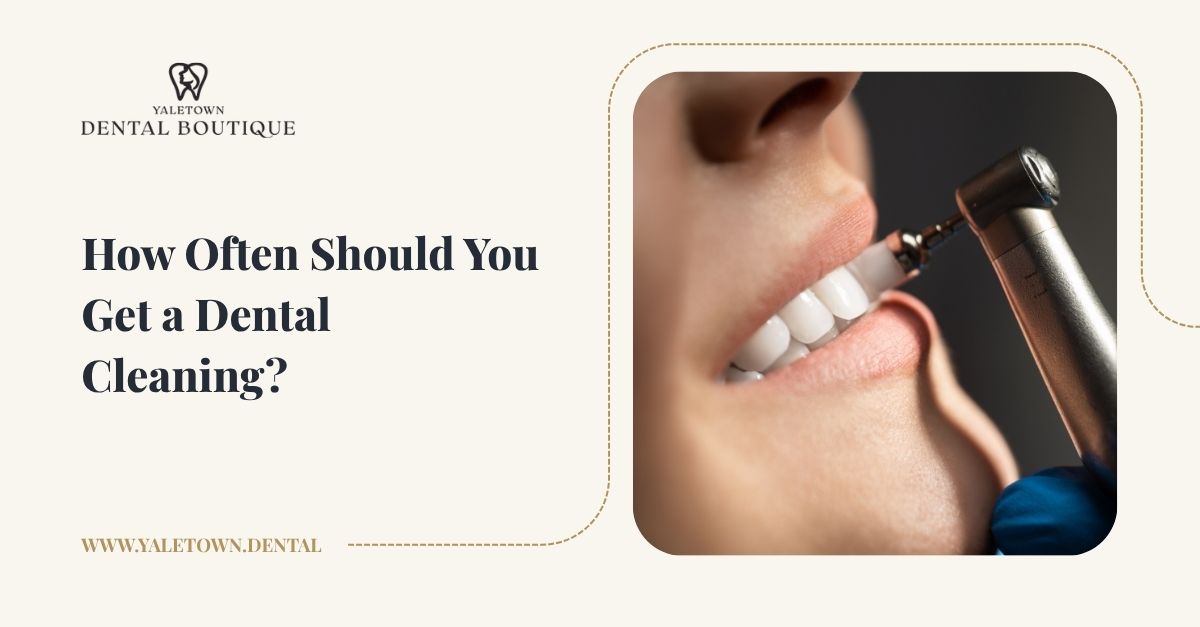
Once clean, your teeth are polished using a rotating brush and gritty paste. This step smooths the enamel, helps prevent future plaque buildup, and leaves your smile feeling noticeably fresher.

Fluoride Treatment (Optional)
If needed, your dentist may apply a fluoride gel, varnish, or foam to help protect your enamel from decay. This is especially useful if you’re prone to cavities or have sensitive areas.
Personal Hygiene Tips
To wrap up, you may get personalized dental hygiene tips on brushing, flossing, or product recommendations based on your exam. If you’ve had recurring plaque buildup, your hygienist might show you techniques to improve your home care routine.

Signs You May Be Overdue for a Cleaning
Even if you brush and floss regularly, certain signs may suggest it’s time to book a professional cleaning. Here’s what to watch for:
- Bleeding gums: This could signal early-stage gum disease (gingivitis) and often gets worse without treatment.
- Persistent bad breath: Ongoing odour—even after brushing—may indicate plaque buildup below the gumline.
- Tooth sensitivity or mild pain: These symptoms can stem from exposed roots, cavities, or early gum recession.
- Yellowing or dull-looking teeth: Stains and tartar can make your smile appear less bright, even with good at-home care.
- It’s been more than 6 months: Even without noticeable symptoms, going too long between cleanings increases your risk of hidden problems.
If you notice any of the above—or can’t remember your last visit—it’s a good time to get checked in.

Tips for Keeping Your Teeth Clean Between Visits
Regular cleanings are essential—but what you do between appointments plays a big role in keeping your mouth healthy. Here’s how to support your smile at home:
✔ Brush Twice a Day with Fluoride Toothpaste: Use a soft-bristled brush and fluoride toothpaste to clean for two full minutes, morning and night. Don’t forget to reach along the gumline and behind your back teeth.
✔ Floss Daily: Flossing removes plaque and food particles between your teeth where a toothbrush can’t reach. It also helps prevent gum inflammation and bad breath.
✔ Watch Out for Sugar: Limit sugary snacks and drinks, especially between meals. Sugar feeds cavity-causing bacteria, so rinse with water or brush after consuming sweets.
✔ Use Mouthwash If Recommended: An antimicrobial or fluoride mouthwash may help reduce bacteria and strengthen enamel—but it’s not necessary for everyone. Ask your dentist what’s right for you.
✔ Stay Hydrated and Eat Crunchy Veggies: Drinking plenty of water supports saliva production and rinses away food debris. Crunchy fruits and vegetables like apples or carrots can help scrub your teeth naturally.
Conclusion
Dental cleanings aren’t just routine—they’re one of the most effective ways to prevent problems before they start. Whether you need a standard six-month schedule or more frequent visits, staying consistent supports a healthier smile and a healthier you.
At Yaletown Dental Boutique, we offer comfortable, modern cleanings tailored to your needs. From your first visit, our team takes the time to listen, explain, and build a care plan that fits your lifestyle.
If it’s been a while since your last cleaning, now’s a great time to get back on track.
Book your appointment today and let us help you maintain a smile that looks—and feels—its best.
Is once a year enough for dental cleaning?
For low-risk patients, once a year may be sufficient—but most benefit from cleanings every six months to prevent buildup and catch problems early.
What happens if I skip regular cleanings?
Plaque can harden into tartar, increasing your risk of cavities, gum disease, and tooth loss. Small issues can also go unnoticed and worsen over time.
Does insurance cover cleanings every six months?
Many dental plans in Canada cover two cleanings per year. Check your provider’s policy to confirm your coverage.
How do I know if I need more frequent visits?
If you have gum disease, diabetes, braces, or you smoke, your dentist may recommend cleanings every 3–4 months for better protection and monitoring.